



Sled Push and Pull Reimagined: The Hyper Flow™ Inertia Sled
Interchangeable weighted wheels, tight turns and multidirectional resisted movement—designed for fitness professionals
By Dirk Buikema, founder of Hyperwear
Sled pushes and pulls are staples of strength and hybrid athlete training, but the equipment can shape—and sometimes limit—the session. Sliding resistance varies with the training surface, and coaches need to consider space, loading and how easily athletes can change direction. Could a different sled design make room for more versatile movement while keeping loaded pushing and pulling at its core?
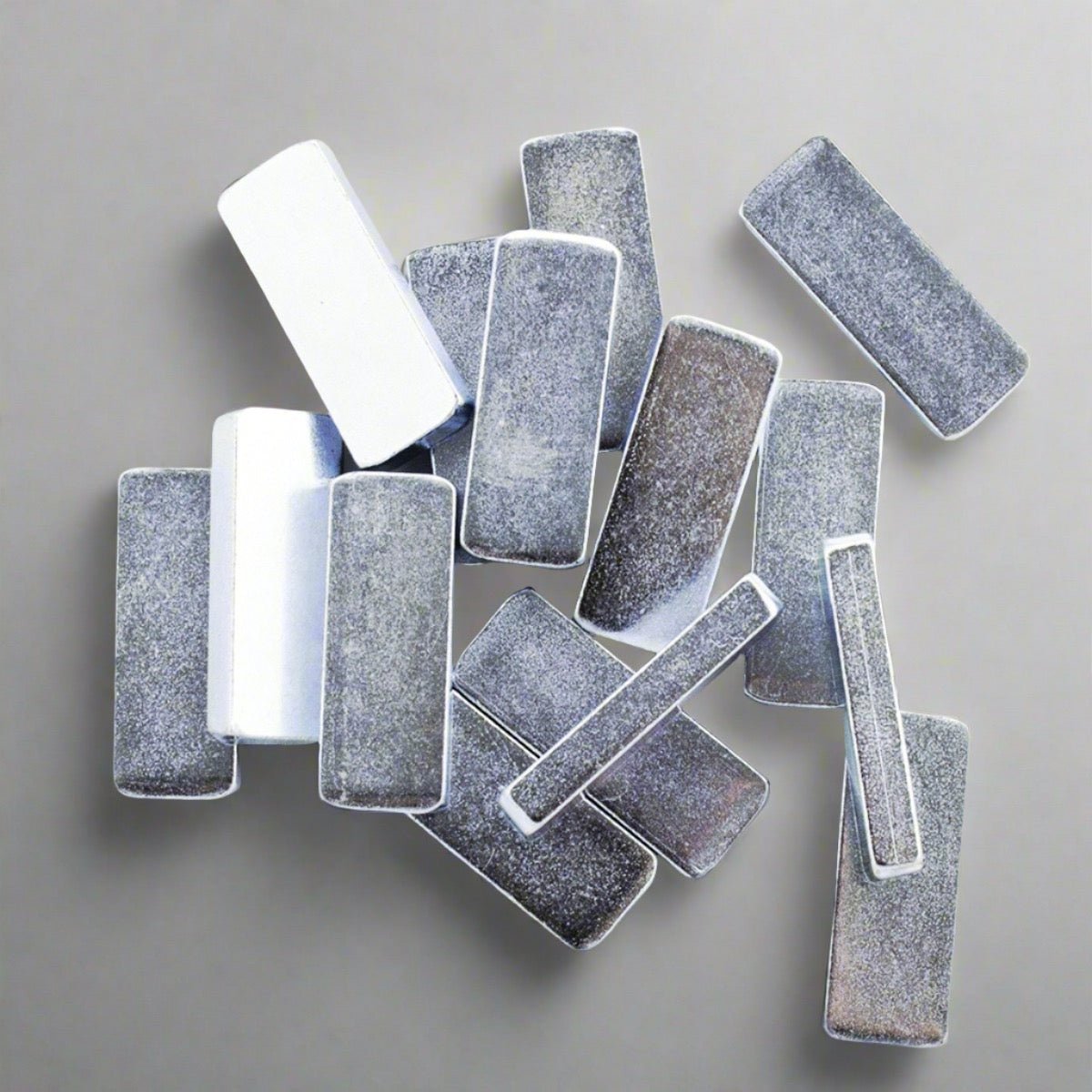
That question became the starting point for the Hyper Flow™ Inertia Sled. The inspiration came from something surprisingly simple: a jar half filled with steel shot on my desk.
That small moment became the starting point for a much larger design: a weighted wheel that could become the focus of a versatile training system. One that combines the linear sled push and pull with the multidirectional resistance and core engagement of a wheelbarrow. The question was what that system could help a creative coach do—and what problems it could solve to improve sled training.
For strength and conditioning coaches, personal trainers, physical therapists and hybrid race coaches, equipment needs to offer more than resistance. It needs to provide useful movement options, manageable progression and a practical way to work with different people and spaces.
The Hyper Flow™ Inertia Sled, or HFIS, is our answer: a patent-pending system combining interchangeable steel-shot-filled wheels for progressive loading options, the instability of a wheelbarrow, and tight turns for multidirectional resisted movement.
The problem: a sled’s listed weight tells only part of the story
Coaches want to know what they are asking an athlete to do. With a traditional sliding sled, the plates tell you the mass, but the sled’s interaction with the floor helps determine the force required to move it.
Change the carpet, turf or condition of the contact surfaces, and the same loaded sled can present a different challenge. That matters when comparing training sessions, interpreting sled times or preparing athletes for a race. A faster split after changing surfaces does not necessarily represent an improvement in fitness.
There are practical constraints, too. A facility may have limited turf, a shared training floor or insufficient room for long, straight sled lanes. Coaches may want to train turning and directional control as well as forward propulsion.
Those problems helped shape Hyper Flow’s development brief: create a loaded movement system with more freedom to steer, more ways to train, more core engagement and less dependence on sliding contact with a particular floor.
More repeatable performance across suitable surfaces is a design goal. We will evaluate that through testing; rolling resistance, traction and floor conditions.
What is an inertia sled?
We use inertia sled to describe the Hyper Flow design: a rolling exercise device with a weighted central wheel containing steel shot that can move relative to the wheel’s shell.
Inertia is the tendency of mass to resist changes in motion. Moving a loaded system requires the user to start it, accelerate it, control its path and manage changes in speed or direction. Hyper Flow combines those demands with internal moving material and different ways to push, pull and support the apparatus.
The load is carried in the wheel itself. It contributes to the mass being moved and to loading the wheel against the ground. The system does not use magnetic braking.
For a coach, the useful question is how the athlete interacts with that load: through the handles, through a waist belt, through a rope, or while steering to train sport specific movements.
Tight turns make direction part of the exercise
Hyper Flow is designed for tight turns, curved paths and controlled 180-degree changes of direction. This expands the programming possibilities beyond a straight push and return.
A coach can develop movement tasks around curved approaches, short shuttles, turns around markers and transitions between forward and backward movement. The athlete must manage the path of the weighted wheel as well as keep it moving.
That is what we mean by multidirectional resisted movement: loaded movement along changing paths, with steering and control built into the task.
Turning space, speed and wheel load become programming variables. A short course can emphasize deliberate control; a larger path can allow longer periods of movement.
Upper-body and core engagement through steering and stabilization
When the apparatus is balanced on its central wheel, the user helps control it through the handles. The legs produce movement while the grip, arms, shoulder girdle and trunk contribute to maintaining position and directing the load.
This gives coaches several demands to work with:
- Trunk control: maintaining the relationship between the torso and pelvis as force is applied through the handles.
- Resistance to unwanted movement: managing side-to-side tipping or rotation while preserving the intended path.
- Upper-body contribution: supporting and guiding the apparatus through the hands and arms.
- Coordination: linking foot placement, leg drive and steering through starts, turns and transitions.
A turn adds a directional-control task to a straight push. That is a practical difference a coach can observe and cue, without relying on a claim that one device produces a particular percentage more muscle activation than another.
The training emphasis changes with load, posture, pace and attachment choice. Hands-free waist-belt work, for example, has different upper-body demands from guiding the handles or pulling a rope.
Two rear wheels expand the pulling options
Alongside the large central weighted wheel, Hyper Flow has two small inline-skate-style rear wheels. These support rolling configurations for rope towing and pulling.
During backward walking using the handles or waist belt, the rear wheels normally remain off the ground. In those configurations, the central weighted wheel is the rolling contact point.
This distinction matters for programming. A rope tow with rear-wheel support and a handle-guided movement balanced on the central wheel are different tasks. The support arrangement changes how the user controls the apparatus.
The removable, adjustable waist belt is also intended to make forward-to-backward transitions practical, giving coaches another way to vary a station without changing the entire piece of equipment.
Interchangeable wheels provide a clear loading system
Hyper Flow is being developed with interchangeable weighted wheels so coaches can select the load for the athlete and the movement.
A lighter wheel can be selected for familiarization and control practice. A heavier option can change the demand as the athlete’s capacity and the session’s objective warrant. Coaches can also vary the path, duration and movement configuration rather than treating added weight as the only progression.
The storage floor rack holds three additional wheels beside the sled. This keeps different loading options organized and accessible for individual sessions and group training.
How Hyper Flow compares with HYROX and DEKA sled racing
HYROX and Spartan DEKA provide familiar reference points for hybrid athletes and coaches, but their sled stations use different sled push and pull resistance approaches.
The CENTR HYROX Official Competition Power Sled is a plate-loaded sliding sled. Spartan describes DEKA Zone 9 as a magnetic-resistance sled push/pull. Torque TANK is one example of the magnetic approach: its braking resistance increases with speed.
| Coaching consideration | Sliding sled, including CENTR’s HYROX sled | Magnetic sled, such as Torque TANK | Hyper Flow™ inertia sled |
|---|---|---|---|
| Resistance mechanism | Loaded apparatus sliding against the floor | Wheel movement resisted by magnetic braking | Weighted rolling wheel containing moving steel shot |
| Main loading variables | Total mass and sled-surface interaction | Resistance setting, speed and model-specific setup | Wheel load, movement configuration, pace and path |
| Directional work | Commonly programmed as lane-based pushes and pulls | Movement and steering options depend on model | Designed around tight turns, curves and forward/backward transitions |
| Control demands | Depend on stance, grip and pushing or pulling technique | Depend on wheel layout, attachments and movement | Include steering and balancing the central wheel in the relevant configurations |
| Race preparation | Familiarity with a competition-style sliding sled | Familiarity with magnetic push/pull tasks used in DEKA | An additional tool for loaded movement and conditioning; event-specific practice remains important |
Magnetic sleds also need traction to transmit their braking resistance. Torque’s M4 guidance notes that added plates may help traction and keep wheels down during some movements. Hyper Flow integrates the training mass into its central wheel, rather than using a magnetic brake to create resistance.
For repeatable coaching, each approach calls for a defined setup. With HFIS, that means recording wheel load, surface, attachment, course and movement instructions when comparing sessions. Consistency across different surfaces is part of our development objective. We believe our tests will show that Hyper Flow will work on any surface and be safe for floors.
Hyper Flow is not official HYROX or DEKA equipment. For competition preparation, coaches and athletes can practice on the standard event equipment and surfaces. Our guide to HYROX provides further context on its race format.
Where fitness professionals could use Hyper Flow
Strength and conditioning coaches
The system is being developed to combine leg drive with control of an external load. Coaches could use its different configurations to emphasize straight-line effort, changes of direction, trunk position or upper-body contribution within a conditioning session.
Personal trainers and small-group coaches
Interchangeable wheels and multiple movement options create opportunities to adapt a station to different clients. A shared piece of equipment could support handle-guided movement, backward walking or rope work, with each task selected for the person using it.
Physical therapists and movement professionals: backward resisted walking
Backward resisted walking is an important use case for Hyper Flow. Expert Ben Patrick's discussion of backward walking and sled dragging offers a familiar reference point for professionals who already incorporate this movement into their programs.
Hyper Flow is being developed to support backward walking using either the handles or an adjustable waist belt. In these configurations, the two small rear wheels normally remain off the ground, leaving the weighted central wheel in rolling contact with the surface. Handle use adds an upper-body steering and stabilization task; waist-belt use offers a hands-free alternative with different control demands.
For trainers and clinicians, interchangeable wheels offer a way to select the load, while pace, distance and movement configuration provide additional programming variables. The goal is to make backward resisted walking a practical option within a broader training session, alongside forward pushing and directional work.
Clinical use requires individual assessment and the final product instructions; HFIS has not been clinically validated for rehabilitation outcomes. Ben Patrick is referenced for his advocacy of backward sled training, not as endorser of Hyper Flow.
Hybrid athlete coaches
Hyper Flow is intended to add loaded pushing, pulling and directional-control options to broader race preparation. Its role can extend beyond rehearsing a single station to organizing movement transitions and conditioning sessions around the needs of the athlete.
From the desk to the training floor
Recently, I visited our manufacturing partner to evaluate the first Hyper Flow beta prototype. Testing different loads, forward and backward movement, and turning brought the original idea into a practical setting.
The work now is to refine the details that matter to professionals: handling, load changes, movement options, surface compatibility and how the equipment fits into a working facility.
Compact storage is part of that brief. The handles adjust for storage, and the apparatus is designed to stand upright near a wall, with additional weighted wheels organized on their rack.
The concept video accompanying this article illustrates the intended system. It is an AI generated visualization based on development work, rather than footage of the factory evaluation.
Building the Hybrid Race™ training range
Hyper Flow is part of a broader plan for Hyperwear Hybrid Race™ training gear that supports coaches across several loaded movement patterns.
| Equipment | Role in the range | Status |
|---|---|---|
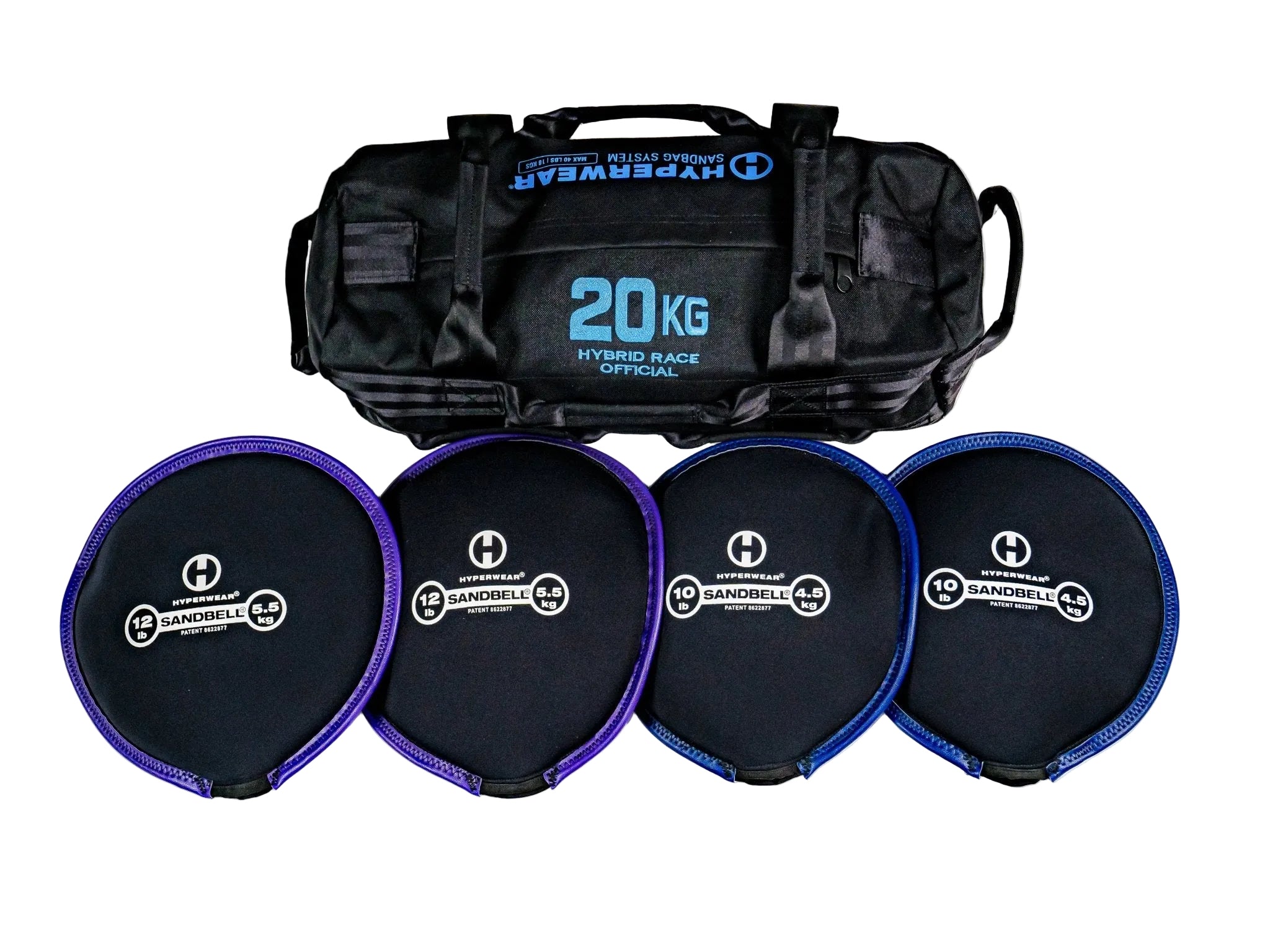
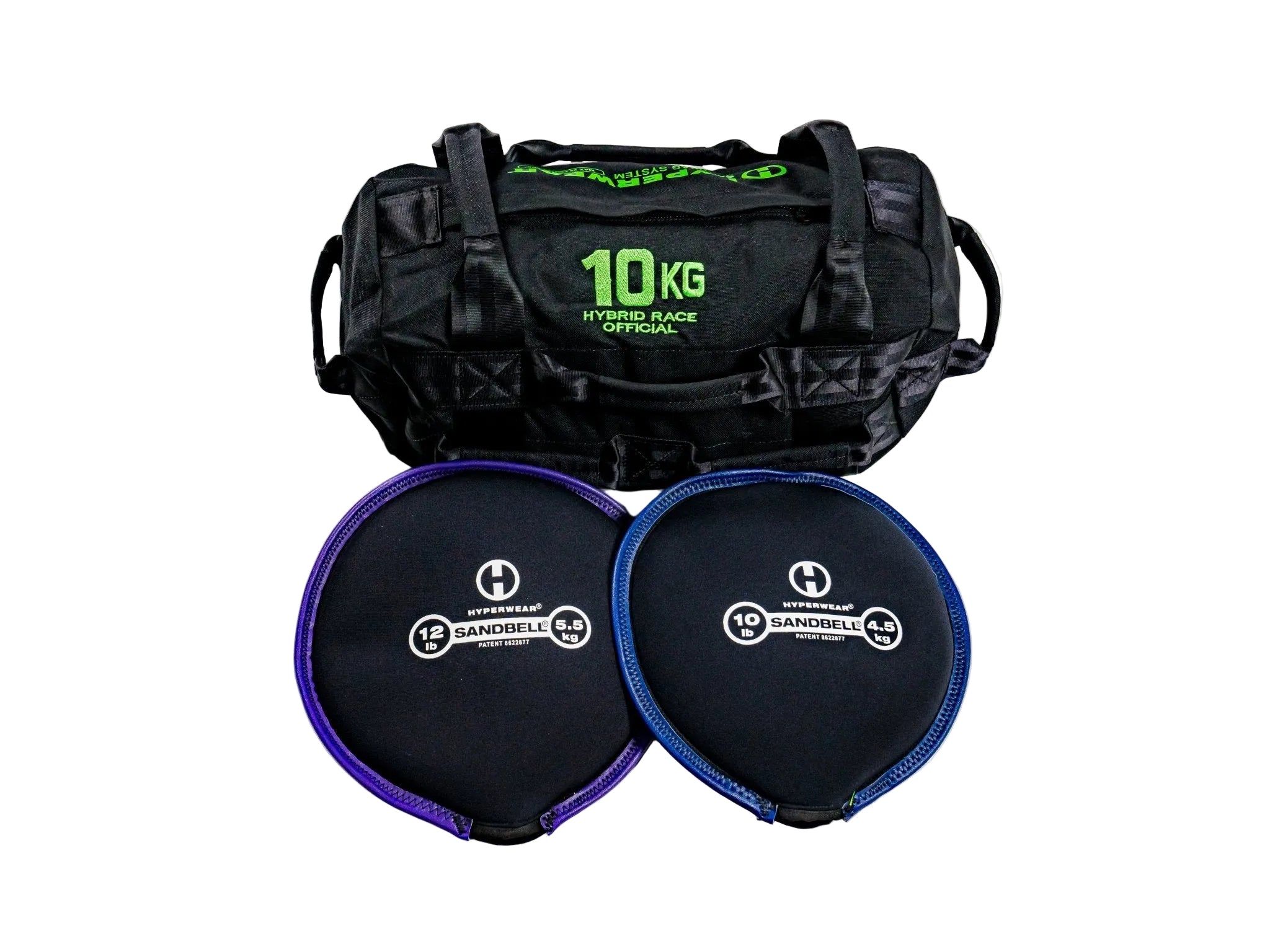
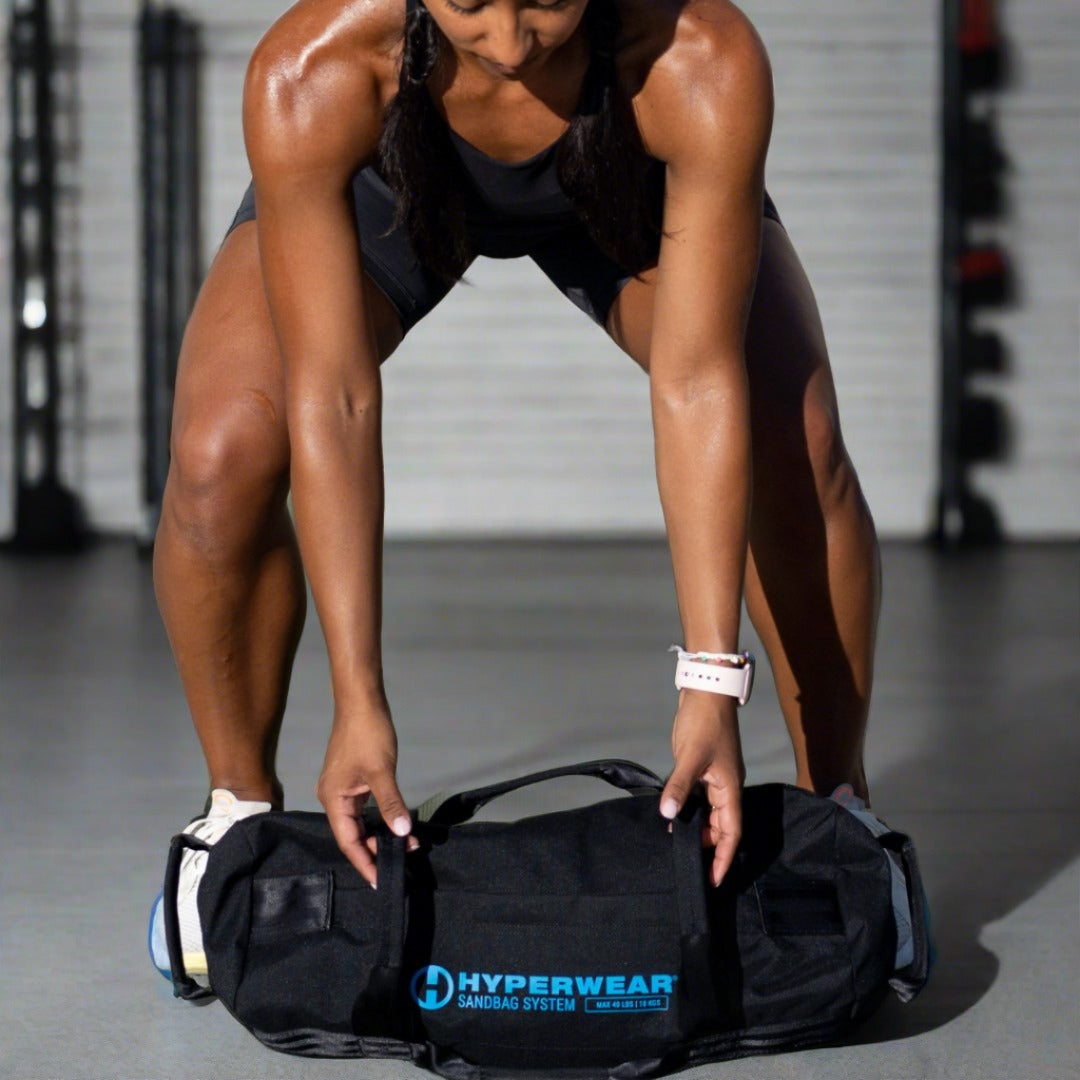
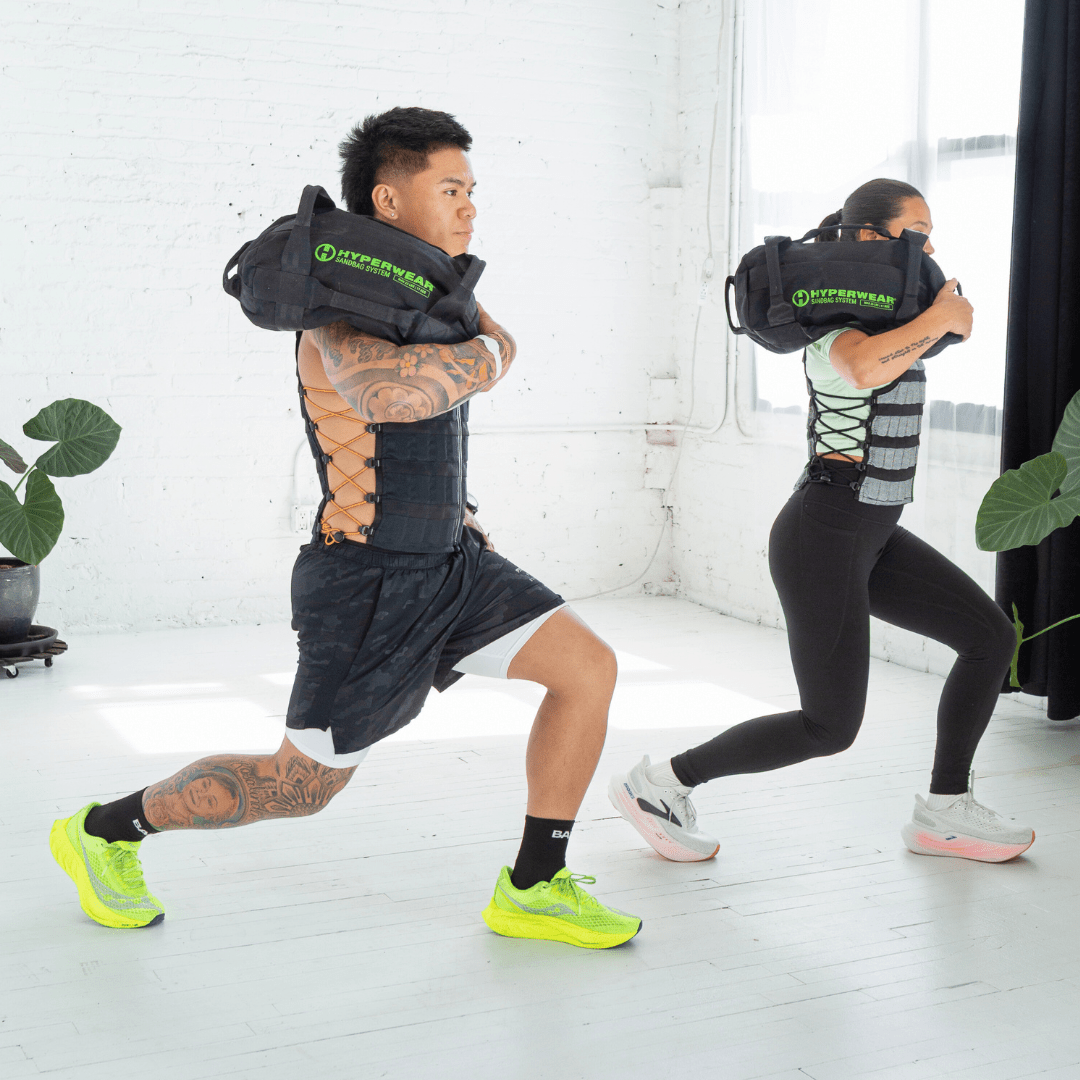
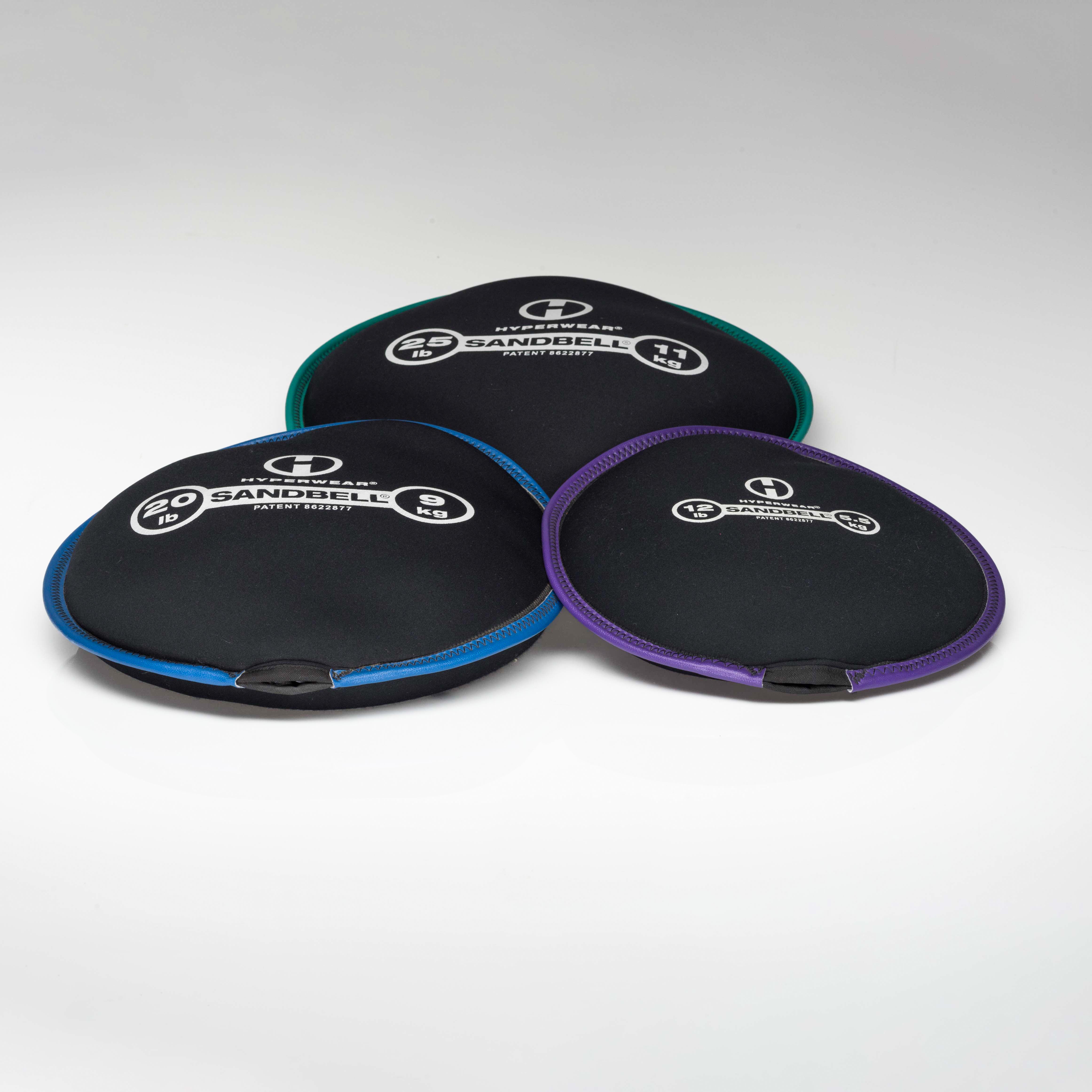
| Hybrid Race™ Training Sandbag System | Loaded lunges, carries and sandbag strength work | Available |
| Hyper Flow™ Inertia Sled | Pushing, pulling, steering and multidirectional loaded movement | In development |
| Hybrid Race™ wall balls | Squat-and-throw training and conditioning | Planned |
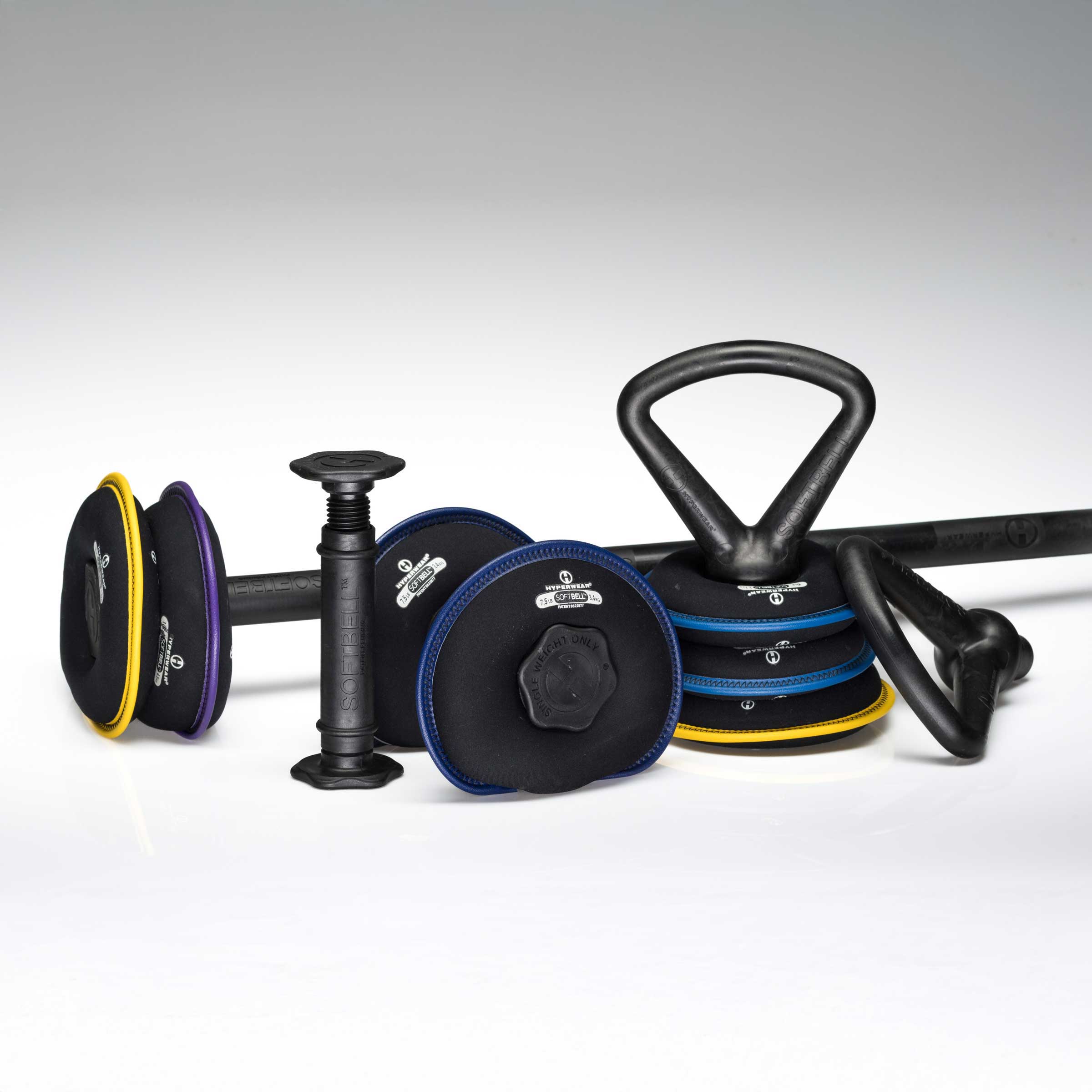
| Hybrid Race™ soft kettlebells | Loaded carries and kettlebell training, with final exercise guidance to follow | Planned |
For facilities, the aim is to create a coordinated range of tools for personal training, strength and conditioning, and hybrid race preparation. Each product has a distinct job within the session.
Follow Hyper Flow’s development
A jar half filled with steel shot was the starting point. The goal now is a training system that helps professionals do more with loaded movement: select the load, guide the path, coach the control and adapt the task.
Hyper Flow is patent pending and remains in development. We will share final specifications, wheel options, surface guidance, pricing and availability as the system progresses toward release.
Subscribe to Hyperwear emails using the form at the bottom of this page for Hyper Flow™ and Hybrid Race™ product updates.
GET STRONG FOR LIFE®
Hyper Flow™ and Hybrid Race™ are trademarks of Hyper Wear Inc. Other brand names belong to their respective owners. Hyperwear is not affiliated with or endorsed by HYROX, CENTR, Spartan DEKA or Torque Fitness.