

How to Start Rucking: Beginner Plan, Weight & Gear
Quick answer: To start rucking, put a light, secure weight in a stable backpack or ruck, choose a flat route, and walk for 20–30 minutes at a comfortable pace. Many beginners should start with 5–10 lb or about 5–10% of body weight, then build time and distance before adding more weight.
Rucking is simple, but your first few sessions should be easy on purpose. Cleveland Clinic recommends easing into rucking, starting with a light load, and increasing only one component at a time. Heavy weight too soon or long distances too early can increase injury risk.
Shop rucking gear | New to rucking? Start with the definition | Use the rucking calorie calculator
How to start rucking in 5 steps
| Step | What to do | Beginner target |
|---|---|---|
| 1. Choose your gear | Use a sturdy backpack or ruck with comfortable shoulder straps and a secure load. | Hyper Ruck or a stable backpack |
| 2. Pick a light weight | Start lighter than you think and keep the weight stable. | 5–10 lb or about 5–10% body weight |
| 3. Choose an easy route | Use flat ground before hills, trails, stairs, or fast pacing. | Neighborhood loop, park path, track, or treadmill |
| 4. Walk 20–30 minutes | Keep upright posture, relaxed shoulders, and a natural stride. | Comfortable pace |
| 5. Progress gradually | Add time or distance before adding more weight. | Increase one variable at a time |
Step 1: Choose a backpack or ruck
You can start rucking with a regular backpack, but it needs to be sturdy and comfortable. Cleveland Clinic recommends a well-stitched backpack with wide, comfortable shoulder straps and a chest strap or waist strap to minimize bouncing. A dedicated rucksack can hold specially designed weights higher and tighter on your back, which helps limit shifting.
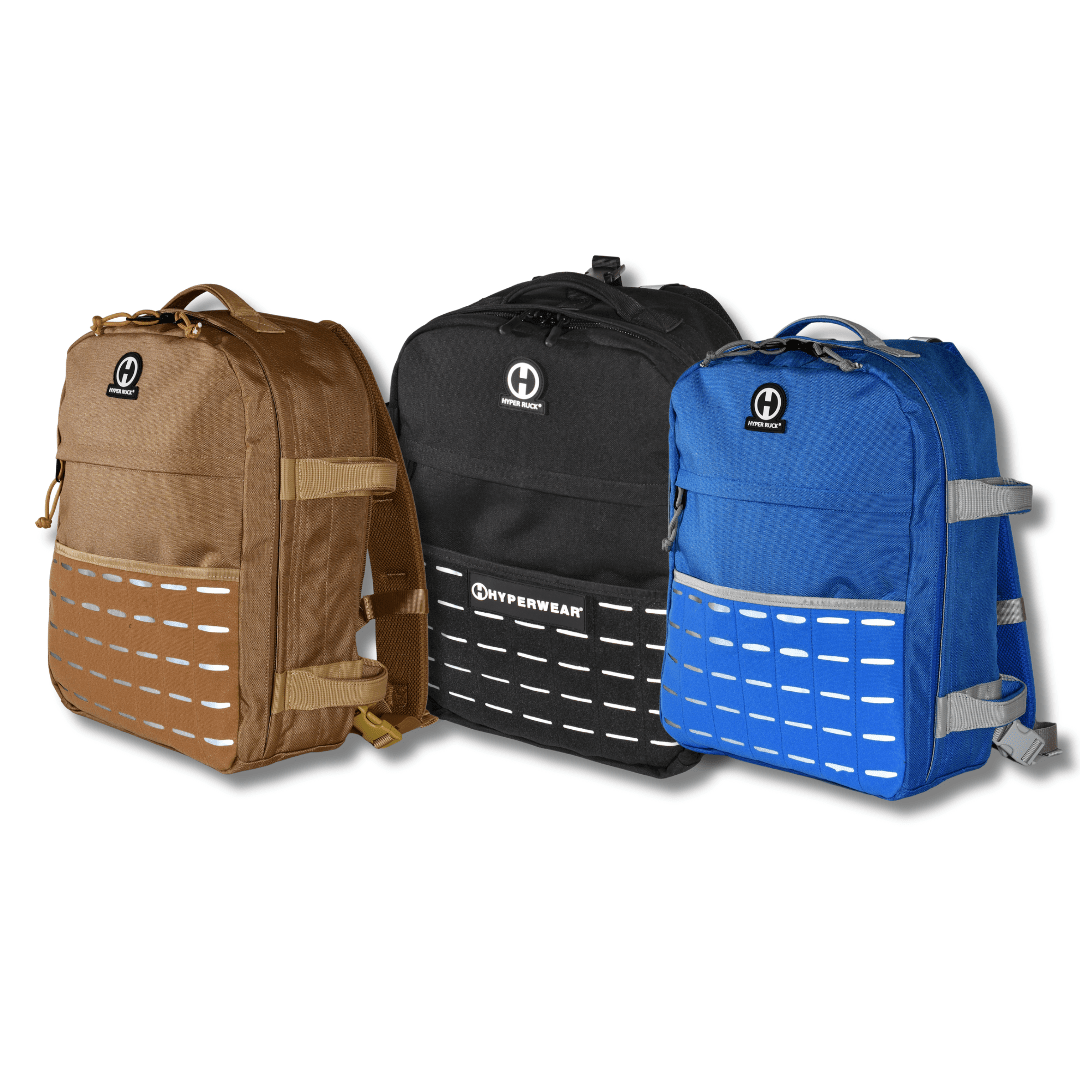
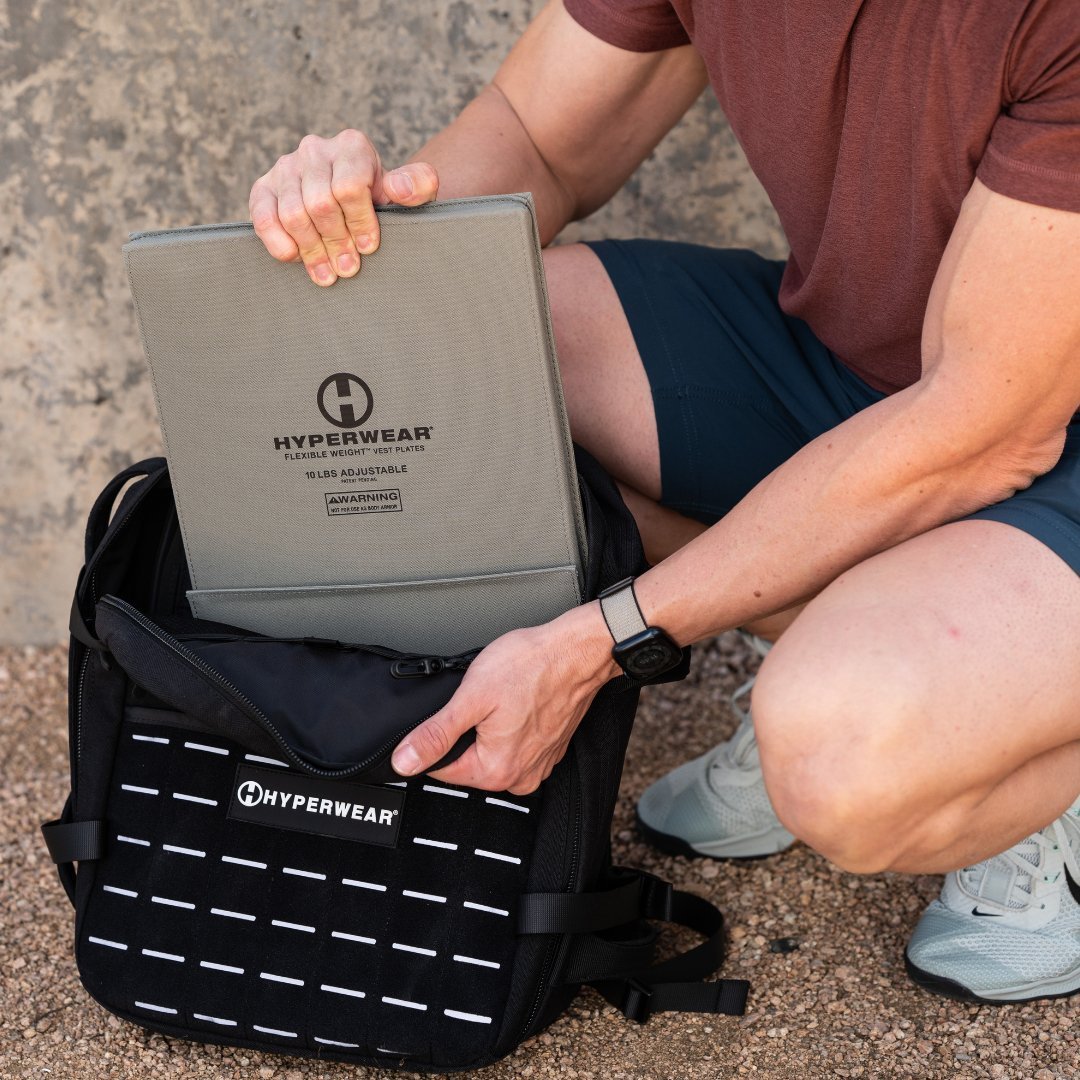
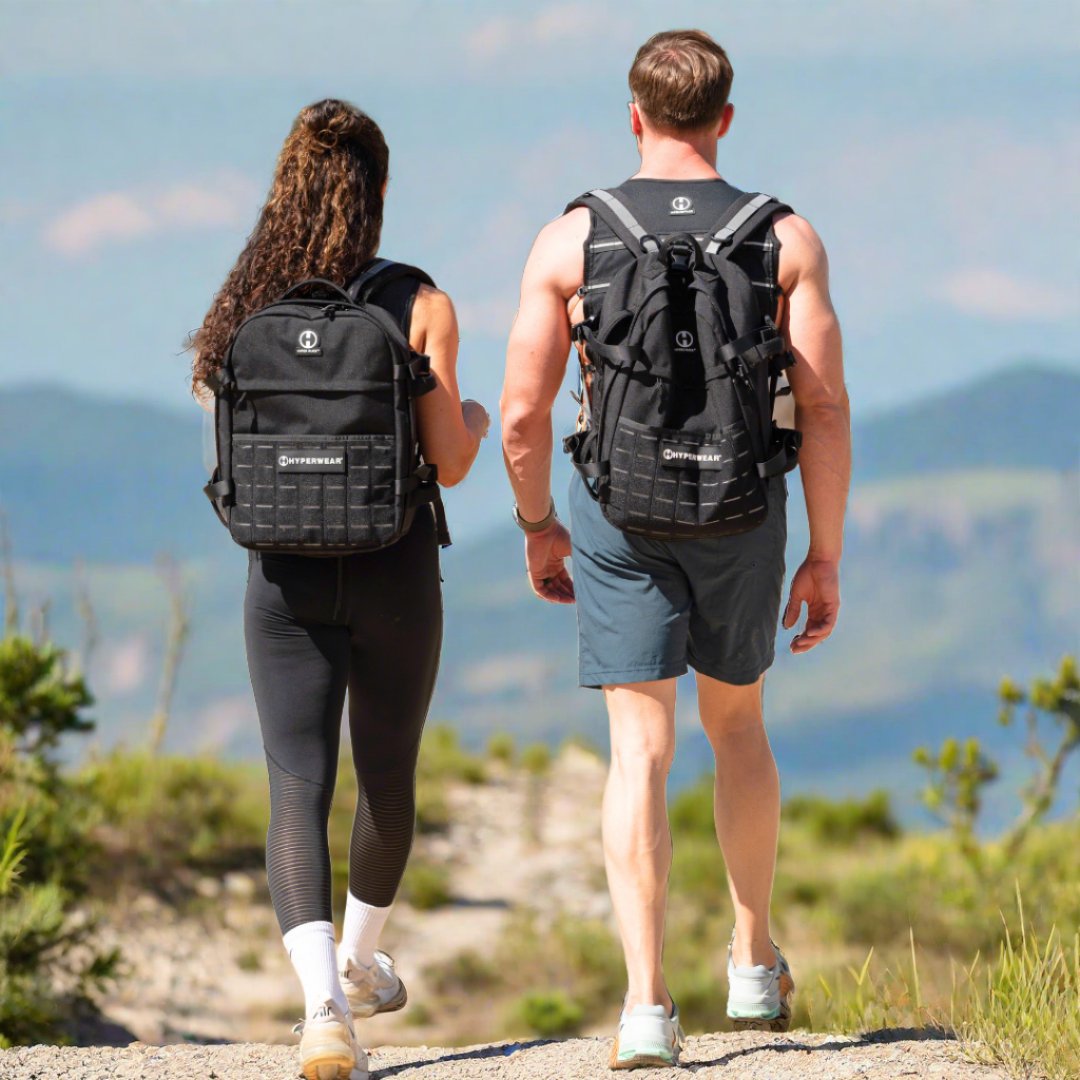
The Hyper Ruck is built for rucking, strength training, and everyday carry. It has three elevated padded sleeves for a laptop, Hyperwear FlexLoad plates, or iron ruck plates; a rigid frame sheet back panel for load stability; 20L capacity; hydration-ready storage; wide padded shoulder straps; an adjustable sternum strap; and a removable waist strap.
Step 2: Choose your starting ruck weight
Your starting weight should feel almost too easy. That is the point. Rucking works your body differently than gym strength training, so the load you can lift in the gym is not the same as the load you should carry for miles. Cleveland Clinic notes that even people who regularly strength train may need to start light, giving the example of starting with 5 lb and working up.
| Beginner type | Starting weight | Best next step |
|---|---|---|
| New to exercise | Unloaded walking first, then 5 lb | Build consistency before adding load |
| Regular walker | 5–10 lb or about 5% body weight | Add time and distance before weight |
| Active beginner | 10–20 lb may be appropriate | Use flat ground and monitor posture |
| Strength-trained beginner | Start lighter than your gym strength suggests | Test how the load feels over time and distance |
For most beginners, the better mistake is starting too light. If the first session feels easy and your joints feel good the next day, you can build gradually.
Step 3: Secure the weight correctly
The weight should stay close to your back and high enough that it does not swing, bounce, or pull the pack downward. Cleveland Clinic notes that rucksacks hold weights higher and tighter, while loose heavy items in a regular backpack can shift or poke into your back.
If you are using household items, wrap them in a towel for cushioning and make sure they do not move around. Good beginner weight options include:
- Ruck plates
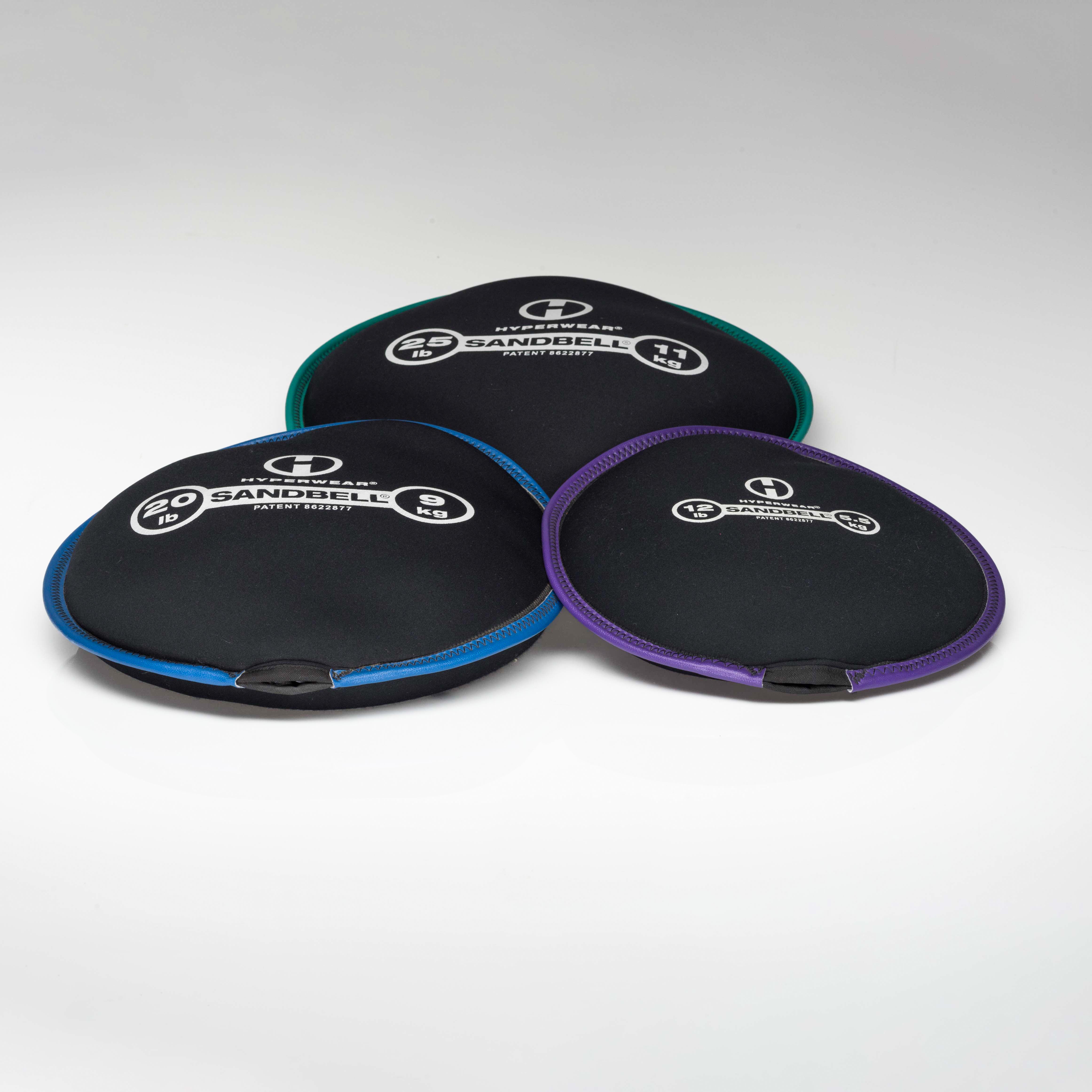
- Small sandbags
- Wrapped dumbbells
- Books
- Water bottles
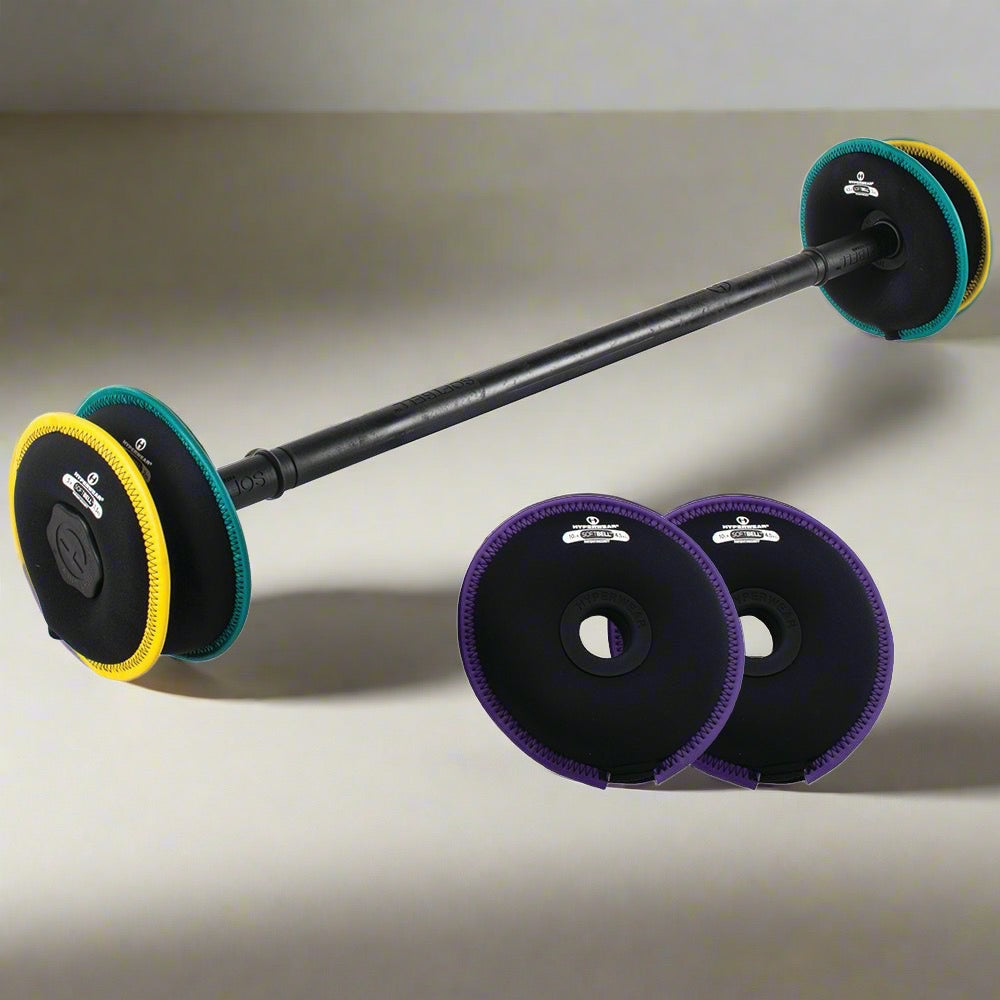
For more precise progression, Hyperwear FlexLoad rucking plates are available in 6, 9, and 10 lb options and adjust in 1/2-lb increments. That lets you make small jumps instead of going straight from one fixed heavy plate to another.
Step 4: Plan your first ruck
Your first ruck should be short, flat, and easy to stop if the load feels wrong. A loop is better than a long out-and-back route because you can finish early without being far from home.
| First ruck variable | Beginner recommendation |
|---|---|
| Time | 20–30 minutes |
| Terrain | Flat ground |
| Weight | 5–10 lb or very light starter load |
| Pace | Comfortable walking pace |
| Frequency | 1–2 rucks per week at first |
During the walk, check your posture. Keep your chest tall, ribs stacked over hips, shoulders relaxed, and stride natural. If the pack changes how you walk, reduce the load or stop.
Step 5: Track time, distance, pace, and load
Tracking matters because rucking has several variables. Cleveland Clinic recommends monitoring pace, distance, duration, and weight load so you know when it is safe to progress. They also recommend increasing one component at a time by about 10% per week, depending on fitness level and goals.
Track:
- Ruck weight
- Time
- Distance
- Pace
- Terrain
- How your feet, knees, hips, back, neck, and shoulders feel afterward
Estimate calories burned rucking
4-week beginner rucking plan
Use this plan as a simple starting point. Stay at the same level longer if you feel sore, your posture changes, or the load feels too heavy.
| Week | Sessions | Time or distance | Weight | Goal |
|---|---|---|---|---|
| Week 1 | 1–2 | 20–30 minutes, flat ground | 5–10 lb or light starter load | Learn the feel of the pack |
| Week 2 | 2 | 25–35 minutes, flat ground | Same weight | Build time before weight |
| Week 3 | 2 | 30–40 minutes | Same weight or +1/2–2 lb | Progress only if joints feel good |
| Week 4 | 2–3 | 35–45 minutes or slightly faster pace | Same weight or small increase | Add one variable at a time |
This plan intentionally progresses slowly. If you use adjustable plates, small 1/2-lb increases can make progression smoother than jumping straight from 10 lb to 20 lb.
Beginner rucking form tips
- Stand tall: avoid hunching forward under the pack.
- Keep the load stable: reduce bouncing and shifting.
- Shorten your stride slightly if needed: do not overstride under load.
- Relax your shoulders: do not shrug the straps upward.
- Use flat ground first: hills and trails increase difficulty fast.
- Choose comfortable shoes: start with shoes you already walk well in.
- Stop for sharp pain: effort is normal, joint pain is not the goal.
When should you add more weight?
Add more weight only after several comfortable rucks. Do not add load just because one session felt easy.
| Signal | What it means | Next step |
|---|---|---|
| You can ruck 30 minutes on flat ground with normal posture | Your current weight is appropriate | Add 5–10 minutes or a small distance increase |
| You feel good the next day | Your recovery is handling the load | Repeat once before progressing |
| Your pack bounces or pulls you backward | The load is unstable or too heavy | Refit the pack or reduce weight |
| Your knees, hips, back, neck, or feet hurt | The load, distance, terrain, or pace is too aggressive | Reduce load or return to unloaded walking |
| You have 2–4 comfortable weeks | You may be ready for a small load increase | Add 1/2–2 lb if using adjustable weights |
Common beginner rucking mistakes
Starting too heavy
The fastest way to dislike rucking is to make the first session a suffer-fest. Start light, finish feeling good, and build from there.
Doing too much too soon
Weight, distance, speed, hills, and frequency all add stress. Increase one at a time.
Letting the weight move around
Loose weight can bounce, poke, or pull the pack downward. Keep the load stable and close to your back.
Ignoring foot and joint feedback
Hot spots, foot pain, knee pain, hip pain, back pain, and neck pain are signs to adjust the setup or stop.
Skipping recovery
Rucking may feel like walking, but it is loaded training. Give your body time to adapt.
Best beginner rucking gear from Hyperwear
| Goal | Best Hyperwear gear | Why it helps beginners |
|---|---|---|
| First rucking setup | Hyper Ruck | Stable rucking backpack with elevated sleeves, comfort straps, storage, and 20L everyday carry capacity. |
| Light adjustable starting weight | 6 lb FlexLoad plate | Low starting load with 1/2-lb adjustment. |
| Progressive loading | 9 or 10 lb FlexLoad plate | Lets you build toward heavier rucks without large jumps. |
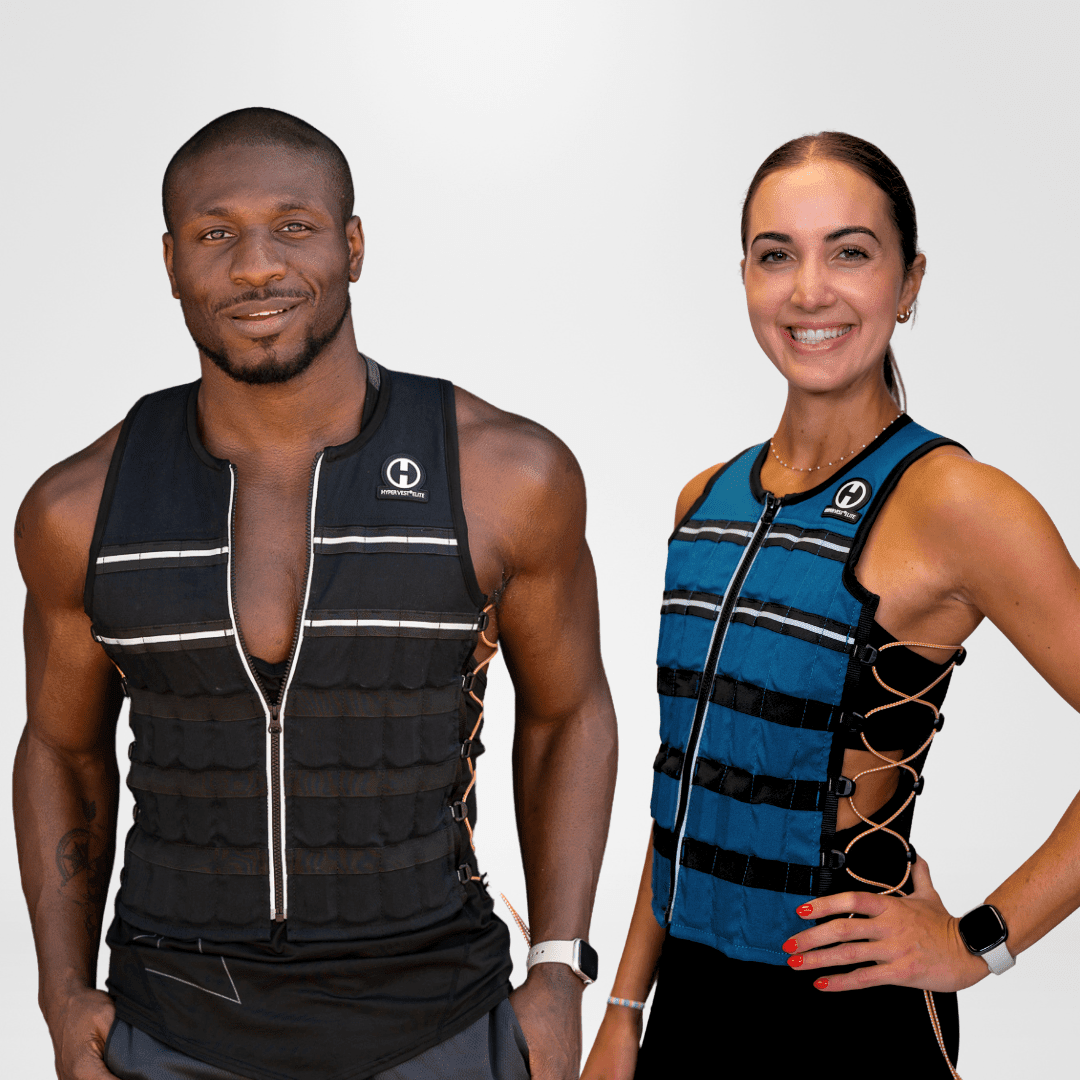
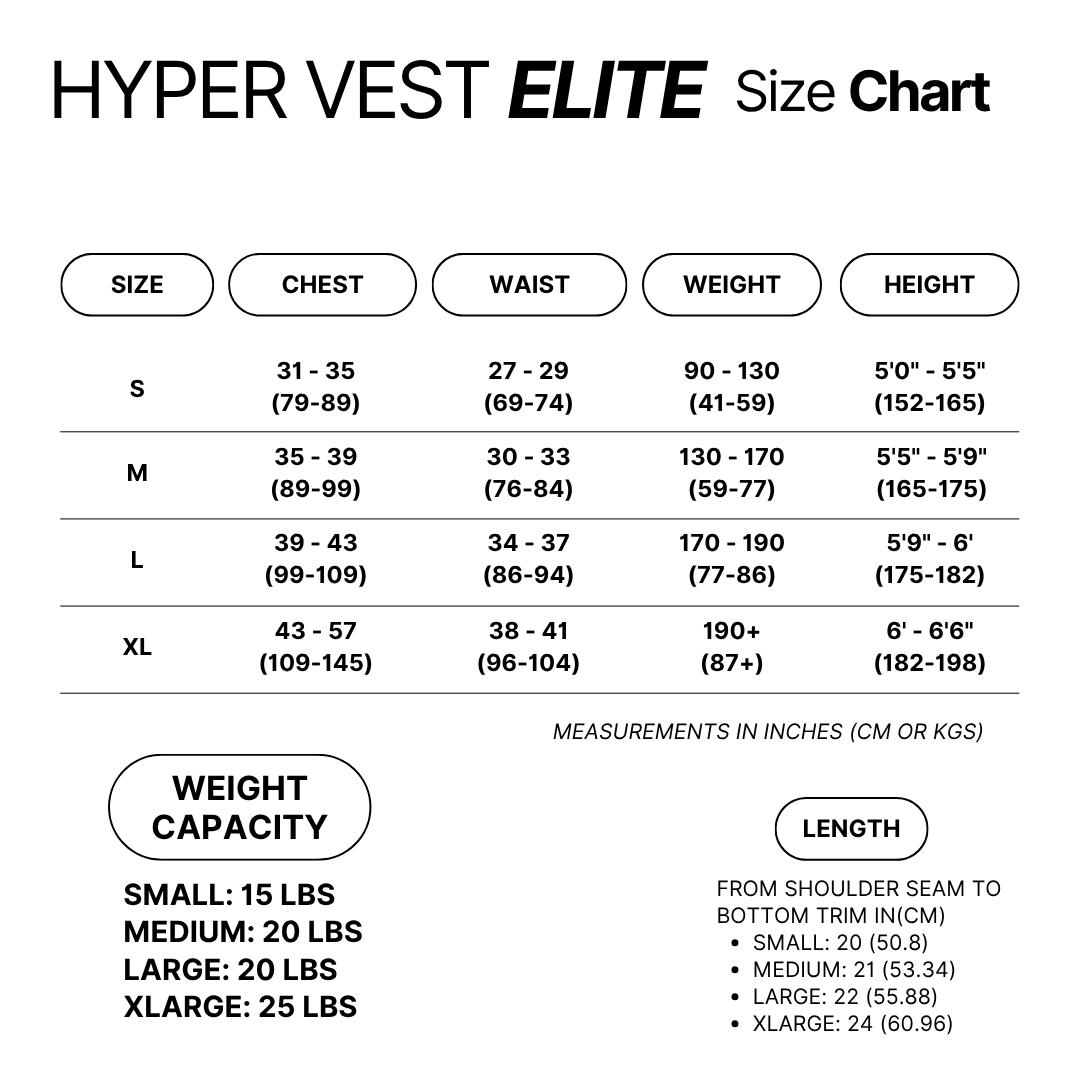
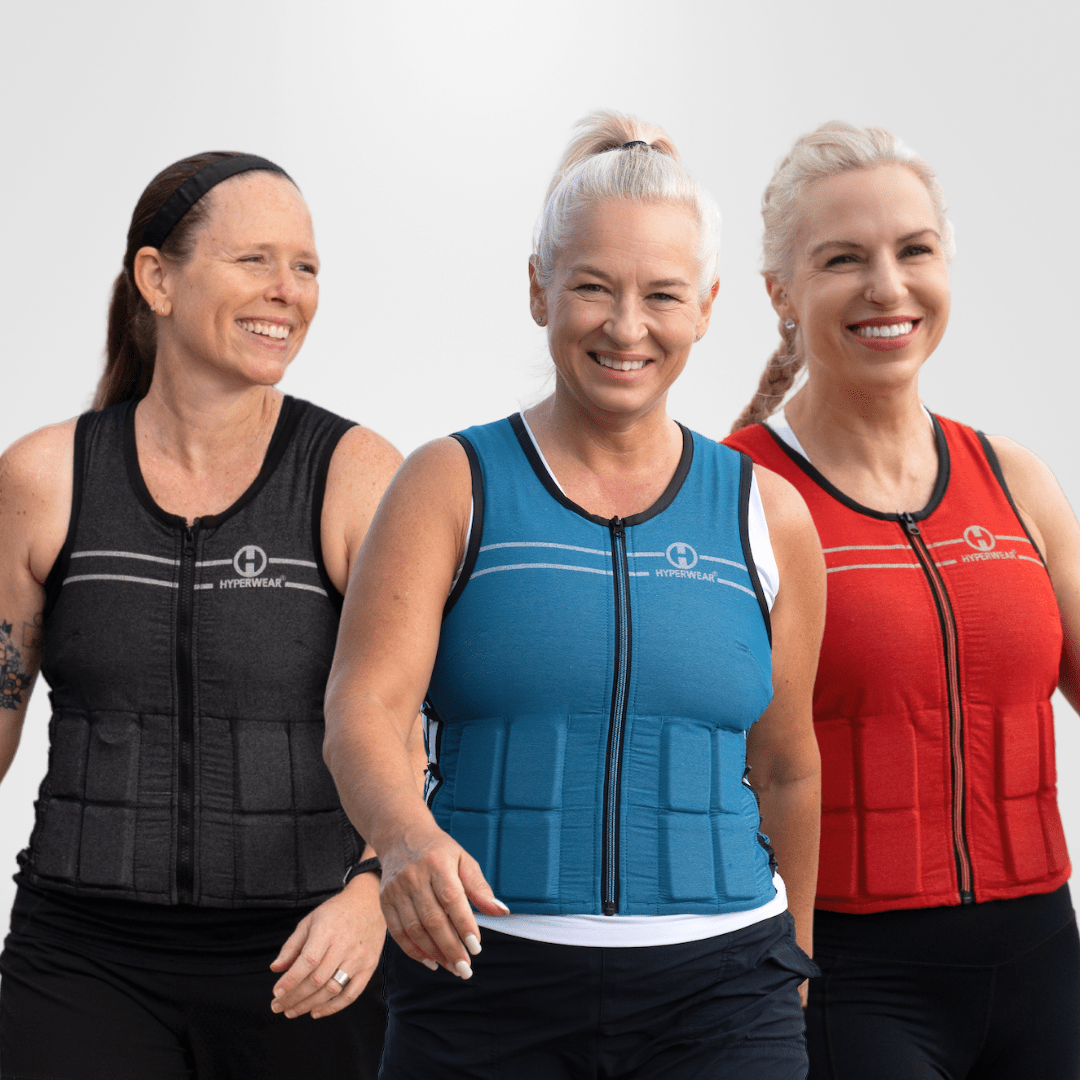
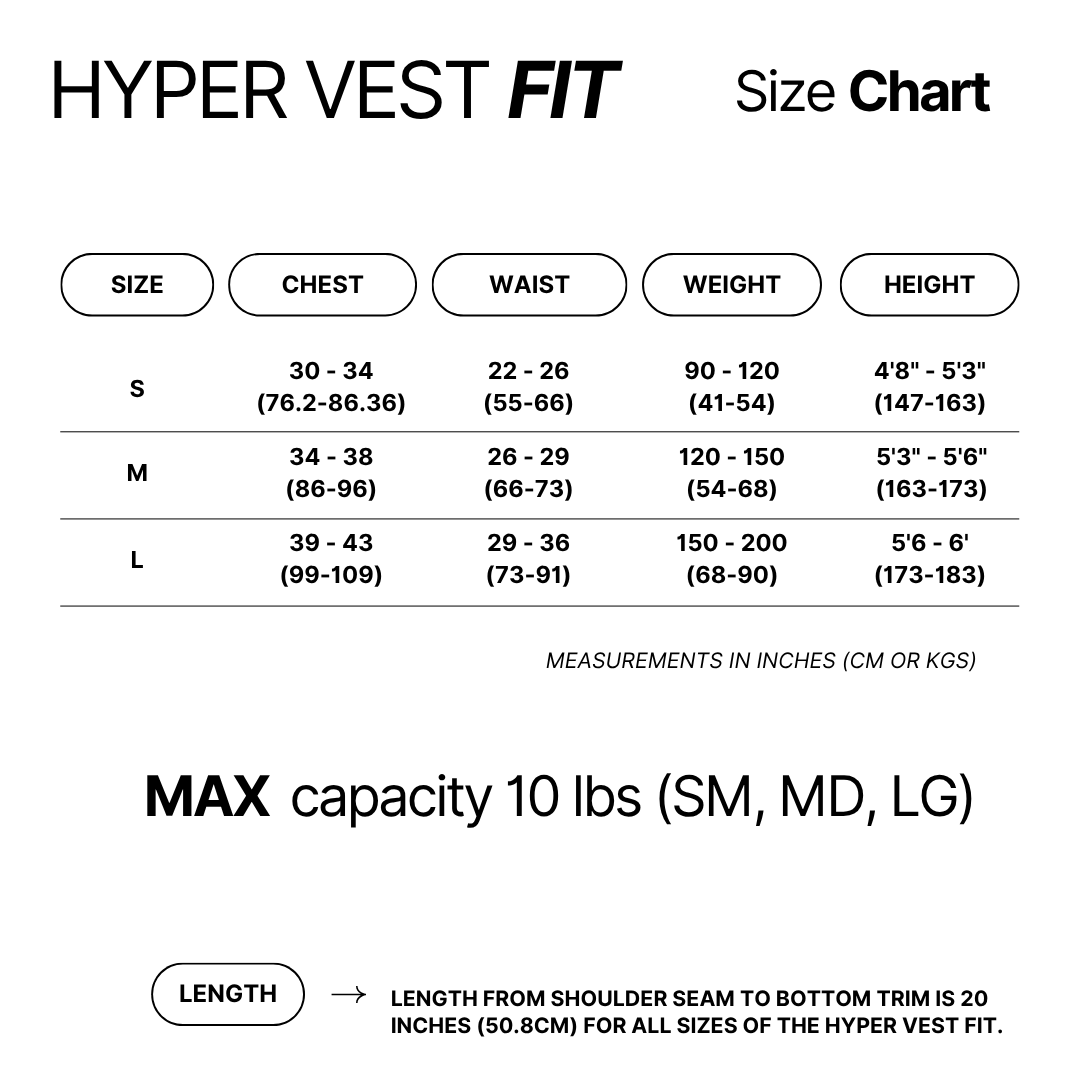
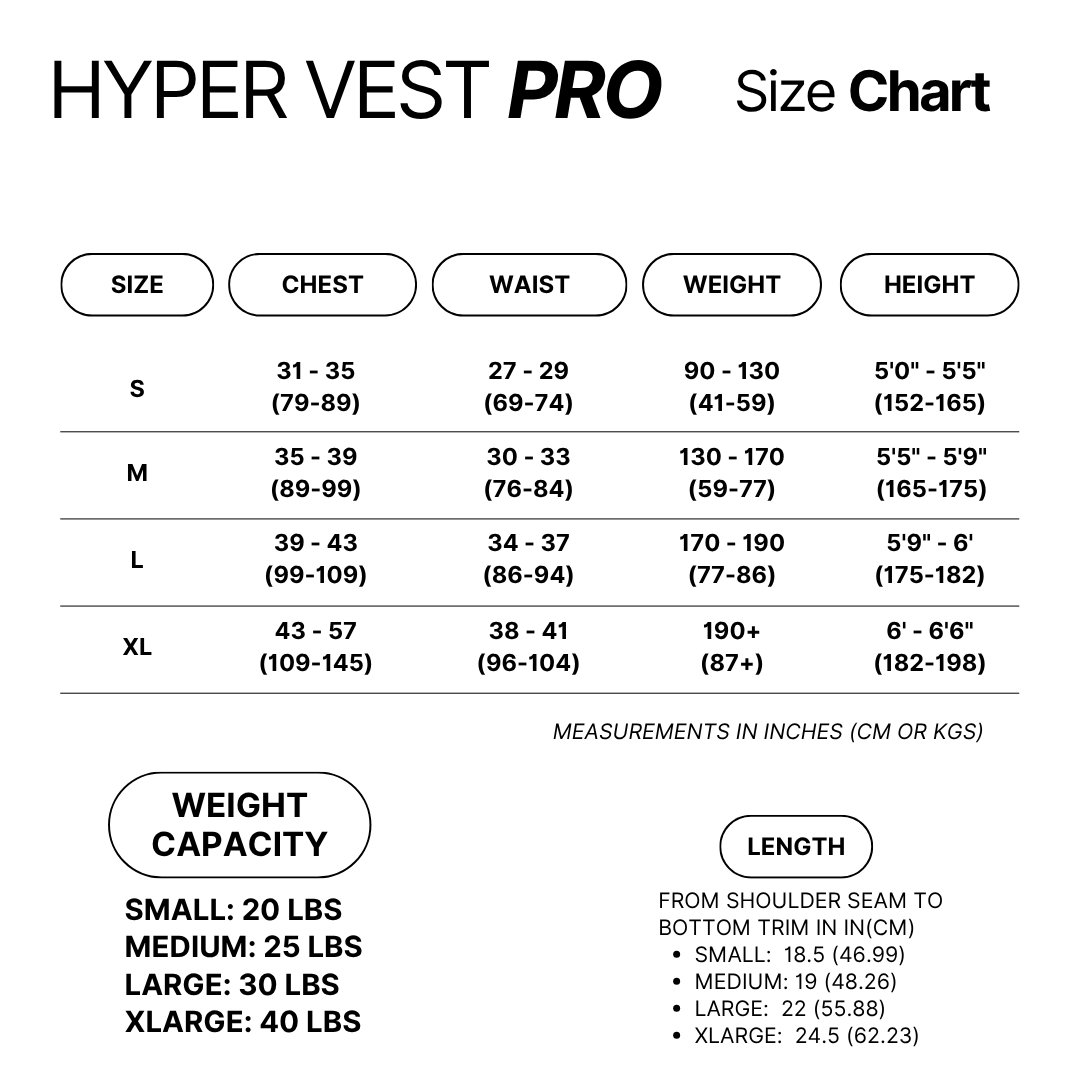
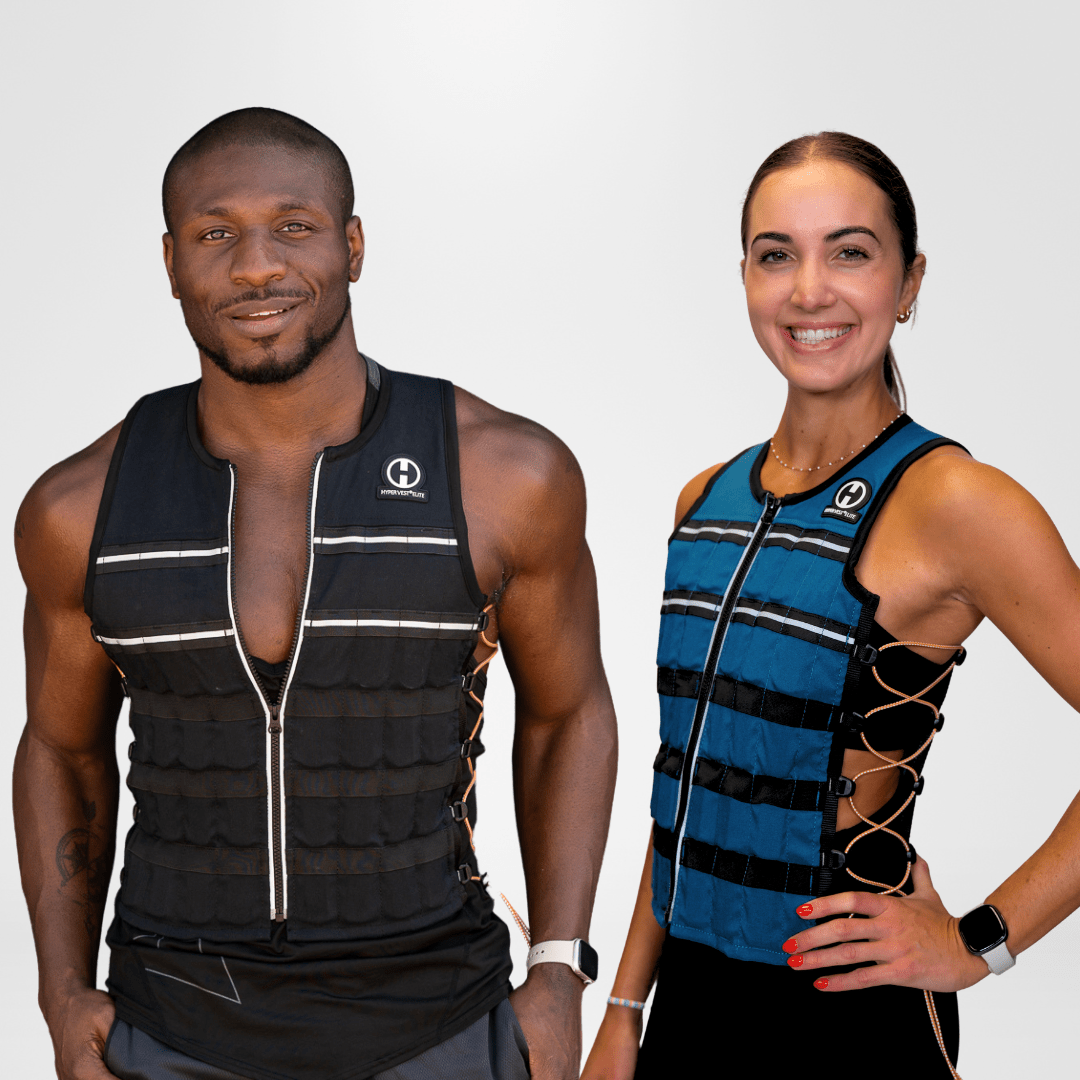
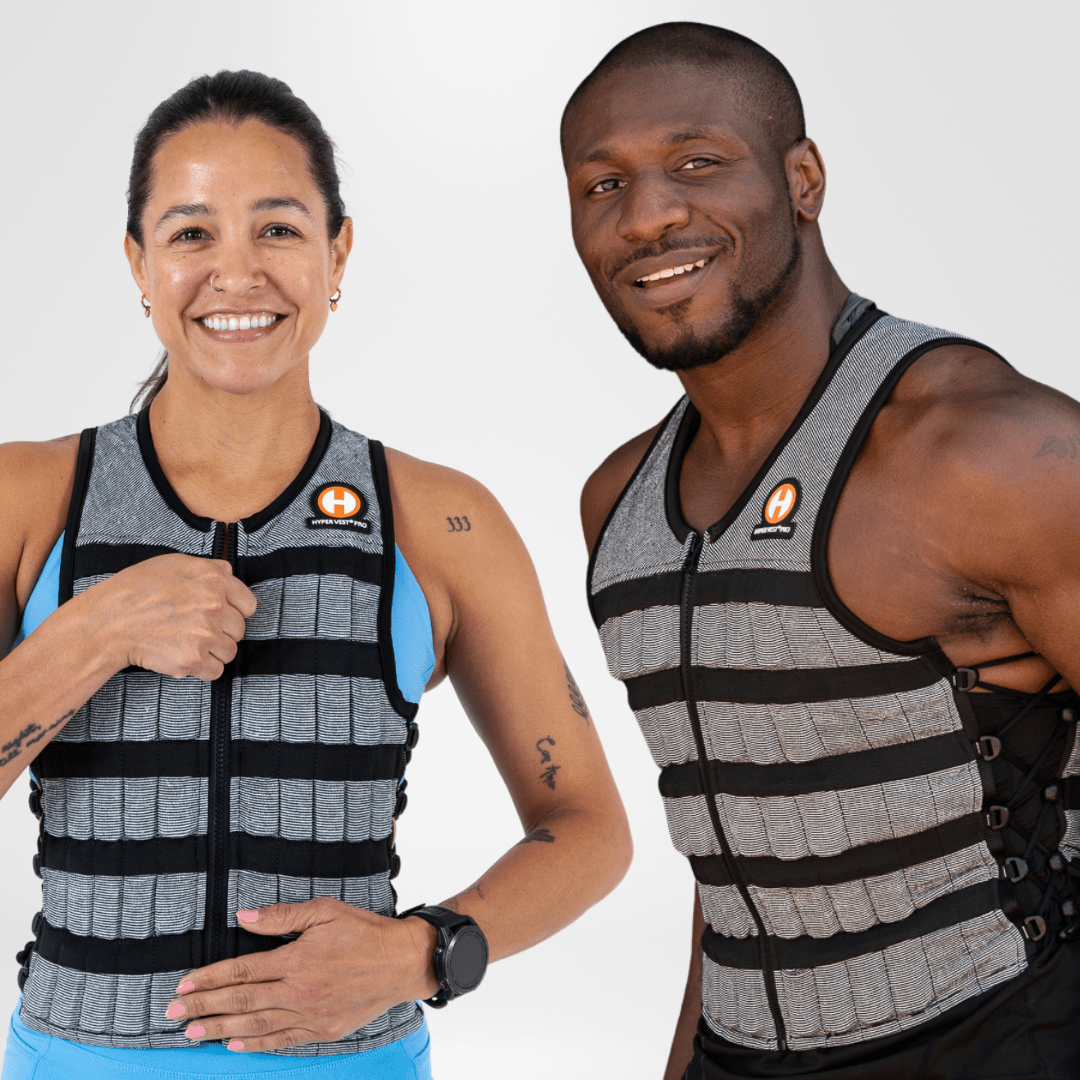
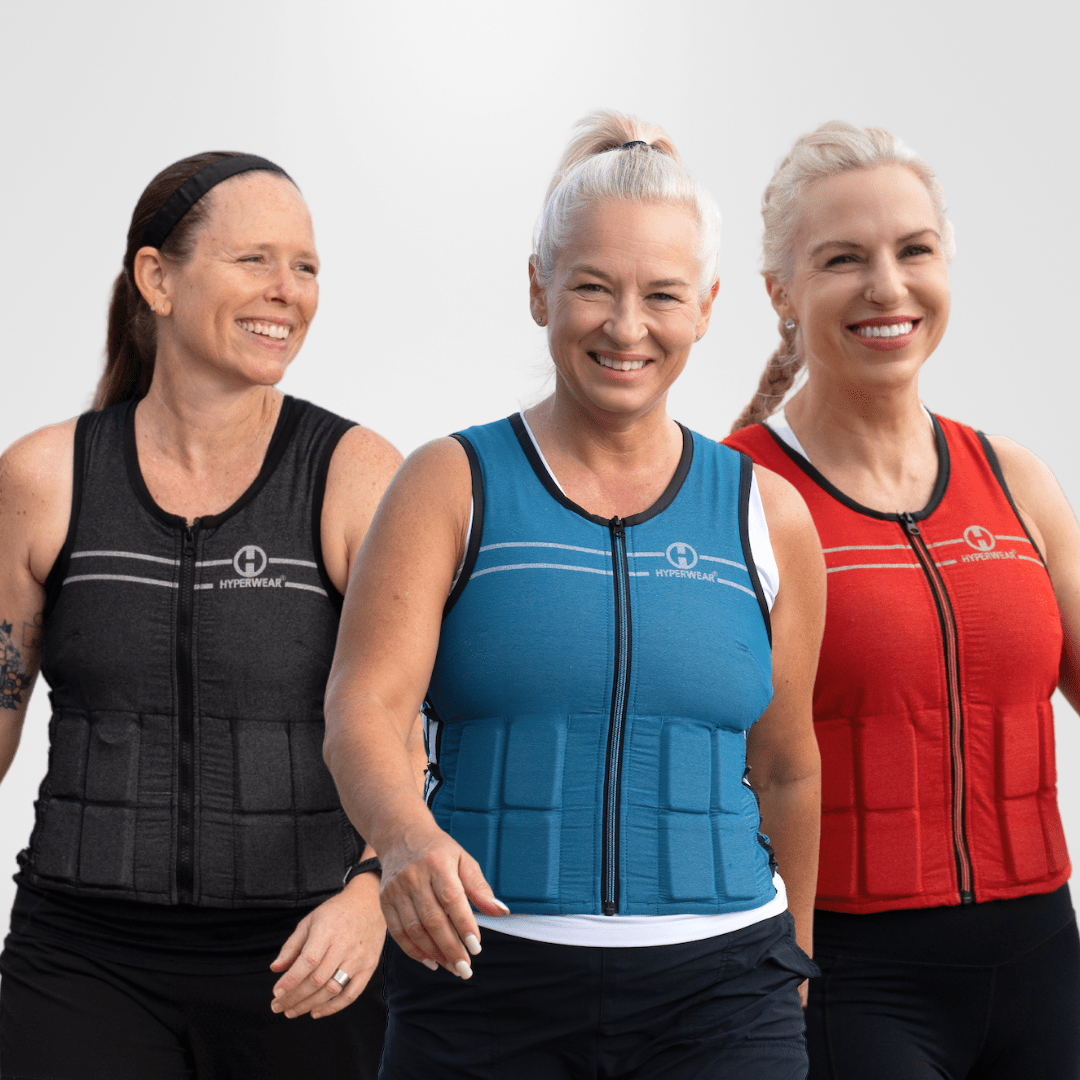
| Weighted walking alternative | Hyperwear weighted vest | Useful for lighter weighted walking and balanced torso loading. |
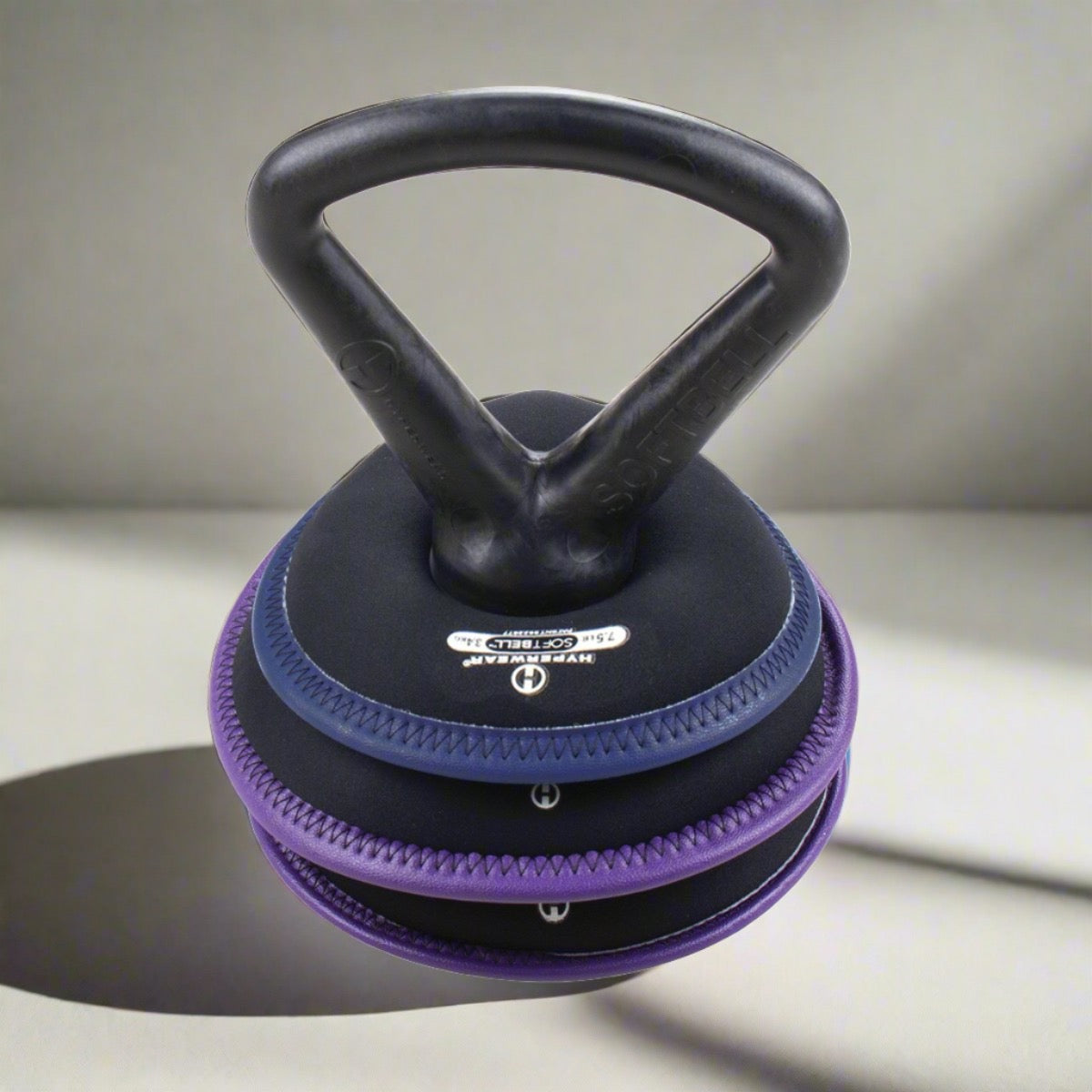
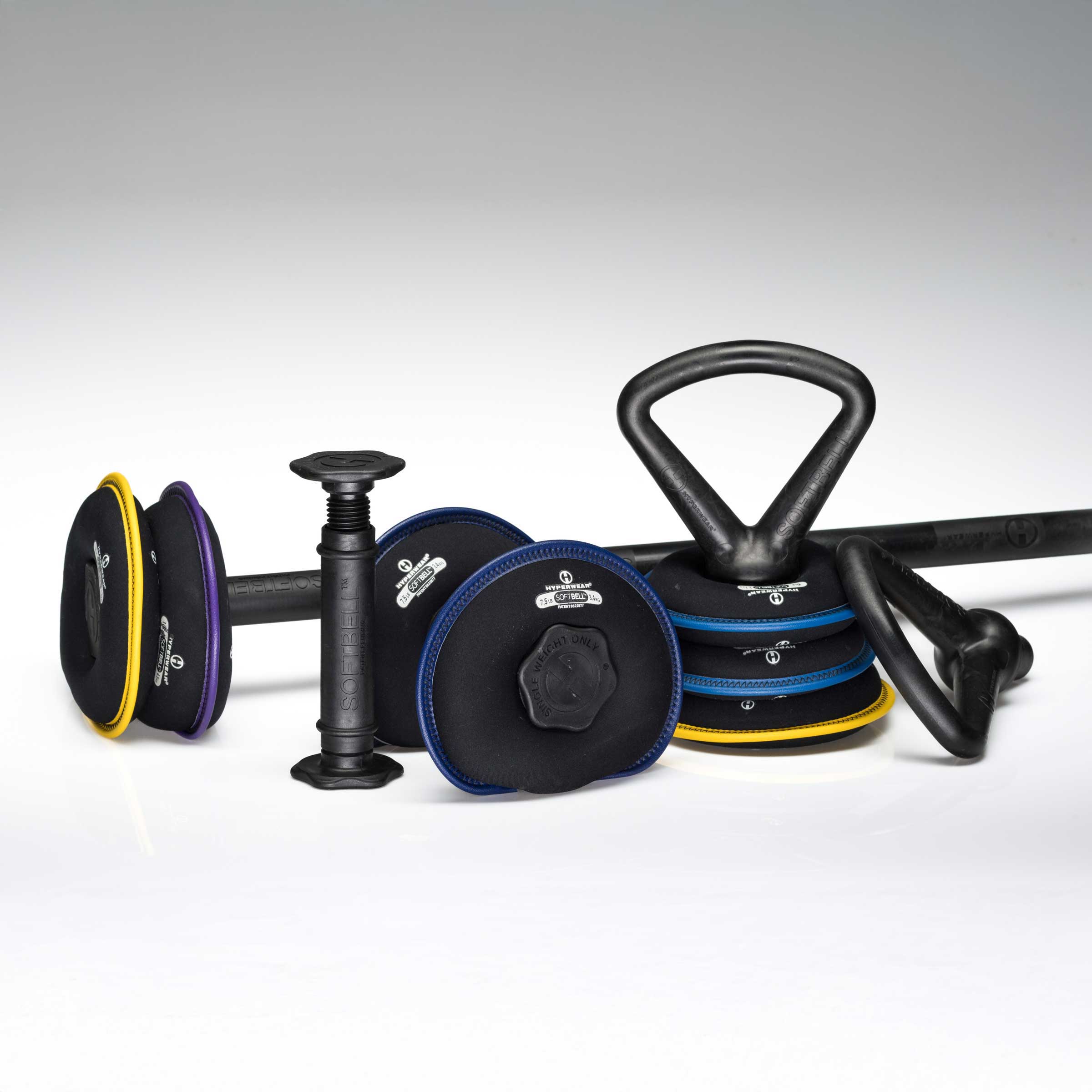
| Compare everything | Rucking gear collection | Compare Hyper Ruck, FlexLoad, SandBell, SteelBell, and vest options. |
Should beginners use a backpack or weighted vest?
Use a rucking backpack if you want traditional rucking, hydration, storage, and the option to progress to heavier loads. Use a weighted vest if your main goal is lighter weighted walking, bodyweight workouts, or balanced torso loading.
| Choose this | If your goal is |
|---|---|
| Rucking backpack | Traditional rucking, outdoor walks, heavier loads, hydration, storage, CHAD-style training |
| Weighted vest | Lighter walking workouts, stairs, bodyweight exercises, balanced front-and-back loading |
Rucking safety tips for beginners
- Start with unloaded walking if you are new to exercise.
- Start light, even if you already lift weights.
- Keep the weight stable and close to your back.
- Use flat ground before hills or trails.
- Increase only one variable at a time.
- Take rest days between beginner rucks.
- Stop if you feel sharp pain, numbness, dizziness, joint pain, altered gait, or unusual shortness of breath.
- Ask a healthcare professional before rucking if you have back, neck, joint, balance, bone-density, heart, respiratory, or pregnancy-related concerns.
FAQs: how to start rucking
How do I start rucking?
Start with a light, secure weight in a stable backpack or ruck. Walk 20–30 minutes on flat ground at a comfortable pace. Build time and distance before adding more weight.
How much weight should a beginner ruck with?
Many beginners should start with 5–10 lb or about 5–10% of body weight. New exercisers may need to begin with unloaded walking or an empty backpack first.
How long should my first ruck be?
A good first ruck is 20–30 minutes on flat ground. Choose a loop route so you can finish early if the load feels wrong.
How often should beginners ruck?
Start with 1–2 rucks per week. Give your feet, joints, back, and shoulders time to adapt before adding more weekly sessions.
Should I add weight or distance first?
Add distance or time first. Once you can ruck comfortably with normal posture and no joint discomfort, add small amounts of weight.
Can I start rucking with a regular backpack?
Yes. A regular backpack can work if it is sturdy, comfortable, and holds weight securely. A dedicated rucking backpack is better for repeated rucking because it stabilizes the load and is built for heavier use.
What is the best rucking backpack for beginners?
The best beginner rucking backpack is stable, comfortable, durable, and able to hold weight high and close to your back. Hyper Ruck is designed for rucking, strength training, and everyday carry, with elevated sleeves for plates and support straps for stability.
Can beginners use a weighted vest instead of a backpack?
Yes. A weighted vest can work for lighter weighted walking and bodyweight workouts. A backpack or ruck is better for traditional rucking, heavier loads, storage, and hydration.
Start rucking with Hyperwear
Rucking does not have to be complicated. Start light, choose a short route, keep the weight stable, and build gradually. The right gear makes that progression easier.
- Hyper Ruck for rucking, strength training, and everyday carry
- FlexLoad rucking plates for adjustable 1/2-lb progression
- Rucking gear collection to compare backpacks, plates, vests, SandBell, and SteelBell options
- Rucking calorie calculator to estimate calories burned by body weight, load, speed, and time
Sources and further reading
- Cleveland Clinic: Should You Add Rucking to Your Workout?
- Faghy et al.: Physiological impact of load carriage exercise
- Boffey et al.: The Physiology and Biomechanics of Load Carriage Performance
- Hyperwear: What Is Rucking?
- Hyperwear: Rucking gear and weights
- Hyperwear: Hyper Ruck rucking backpack
- Hyperwear: FlexLoad rucking plates