


What Is Rucking? A Beginner’s Guide to Walking With Weight
Quick answer: Rucking is walking with added weight, usually in a backpack or rucksack. It started as military load-carriage training, but today it is also a simple fitness workout: add weight, walk with purpose, and progress gradually. Compared with a normal walk, rucking increases the work your legs, core, back, shoulders, and cardiovascular system have to do.
If you are new to rucking, start lighter than you think. A light ruck, comfortable shoes, upright posture, and a short walk are enough for your first session. Build time and distance before adding more weight.
Shop rucking gear | Use the rucking calorie calculator
Rucking at a glance
| Question | Simple answer |
|---|---|
| What is rucking? | Walking with added weight, usually in a backpack or rucksack. |
| Is rucking the same as hiking? | Hiking usually means walking on trails. Rucking can be done on trails, sidewalks, parks, treadmills, or neighborhood routes. |
| What weight should beginners use? | Many beginners should start with 6–10 lb or about 5–10% of body weight, then progress gradually. |
| What gear do you need? | A stable backpack or ruck, secure weight, comfortable shoes, and a route you can finish comfortably. |
| Best Hyperwear starting setup | Hyper Ruck plus FlexLoad adjustable ruck plates. |
What is rucking?
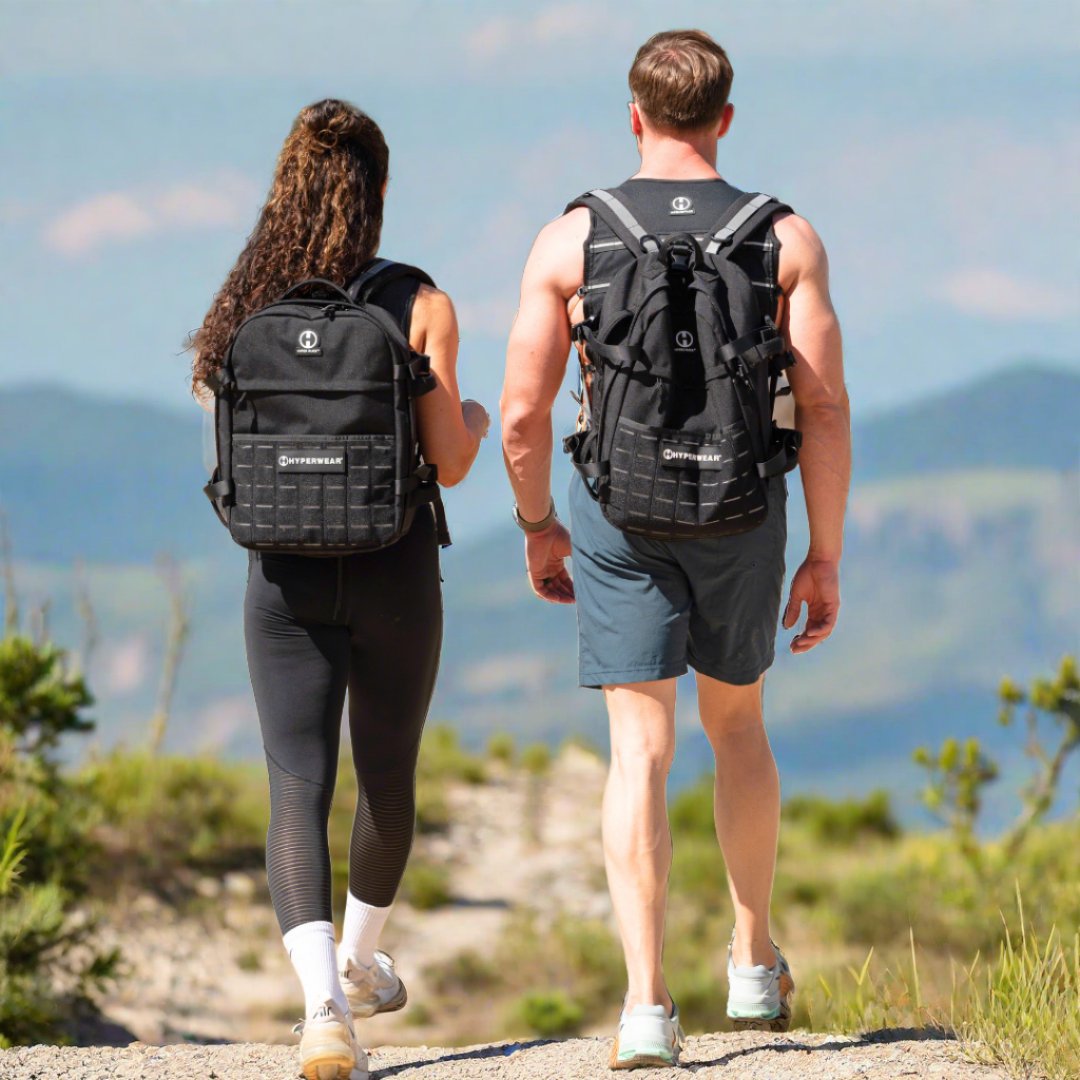
Rucking is a loaded walking workout. Instead of going for a normal walk, you carry weight in a rucksack, backpack, weighted vest, or plate carrier. The movement is simple, but the added load makes the walk more demanding.
The term comes from military training. Cleveland Clinic explains that rucking, or ruck marching, comes from military members carrying weighted rucksacks during training to prepare for real-world load carriage over long distances and time.
For fitness, rucking does not need to be extreme. You do not need to start with a heavy military load. The goal is to make walking more challenging while keeping it sustainable, repeatable, and comfortable enough to do consistently.
Why is rucking popular?
Rucking is popular because it is simple. You do not need a gym, complicated programming, or technical movements. You add weight to walking, then adjust three variables over time:
- Load: how much weight you carry
- Distance: how far you walk
- Time or pace: how long or how fast you ruck
That simplicity makes rucking useful for people who want a low-impact way to build endurance and strength. Cleveland Clinic describes rucking as walking with a weighted backpack and notes that it can strengthen muscles, raise heart rate, and get you moving outside.
Rucking vs walking
The difference between rucking and walking is load. Walking uses your body weight. Rucking adds external weight, so your body has to work harder over the same distance.
| Activity | How it feels | Best for |
|---|---|---|
| Walking | Low-impact and easy to repeat | Daily movement, recovery, general health |
| Rucking | Walking plus resistance | Endurance, calorie burn, posture, legs, core, back, shoulders |
| Running | Higher impact and higher intensity | Speed, conditioning, race training |
Rucking can be a useful middle ground for people who want more intensity than walking but do not want the impact or pace demands of running.
Rucking vs hiking
Rucking and hiking overlap, but they are not exactly the same. Hiking usually describes walking outdoors on trails, often over uneven terrain. Rucking describes walking with added weight. You can ruck on a trail, but you can also ruck around your neighborhood, on a track, at a park, or on a treadmill.
For beginners, flat ground is usually the best place to start. Hills and uneven trails increase difficulty quickly, so add them after you are comfortable with the load.
Rucking backpack vs weighted vest
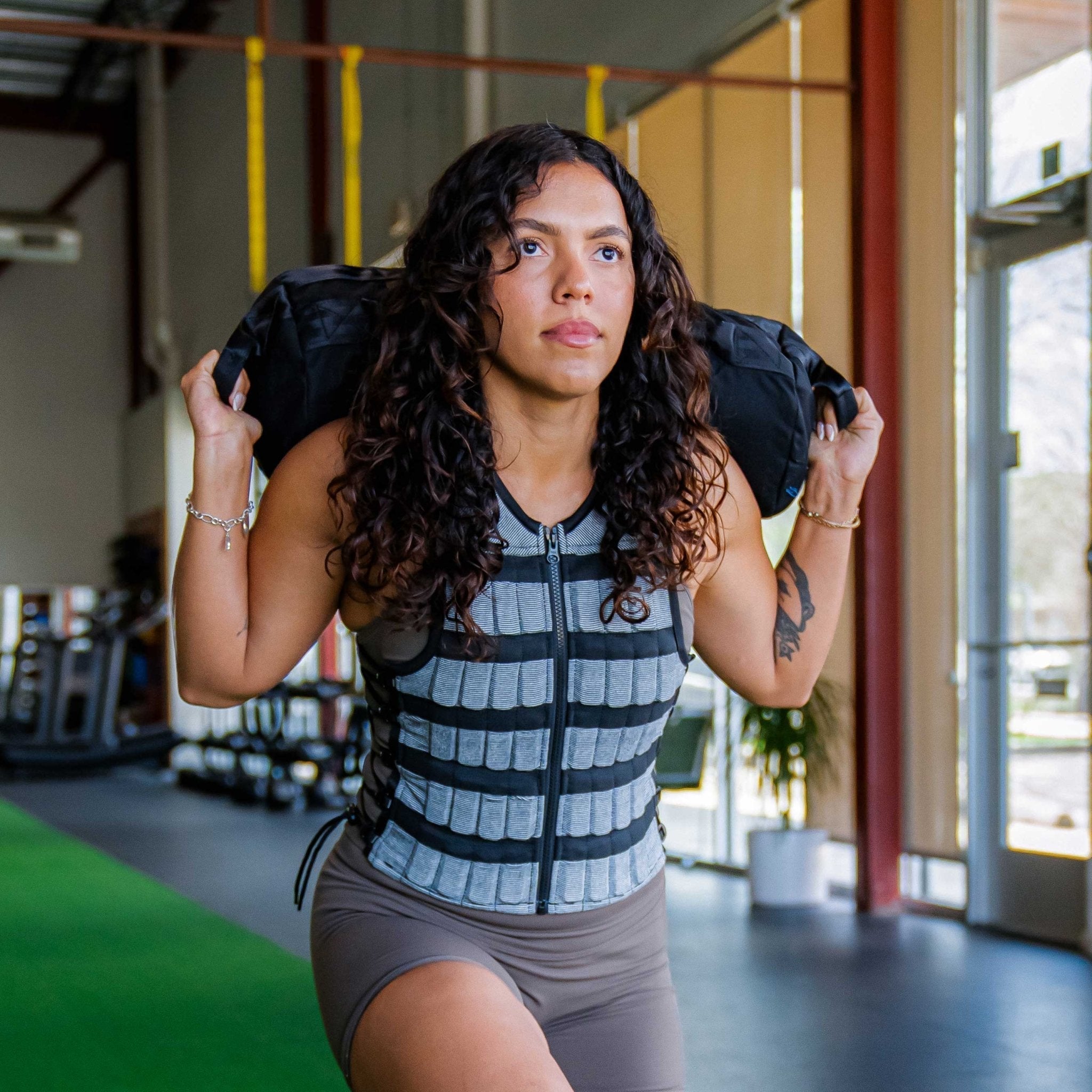
Most rucking uses a backpack or rucksack. A backpack lets you carry heavier loads, water, layers, and everyday items. A weighted vest distributes weight around your torso and can feel more balanced for lighter walks, weighted walking workouts, and bodyweight exercises.
| Gear type | Best for | Hyperwear option |
|---|---|---|
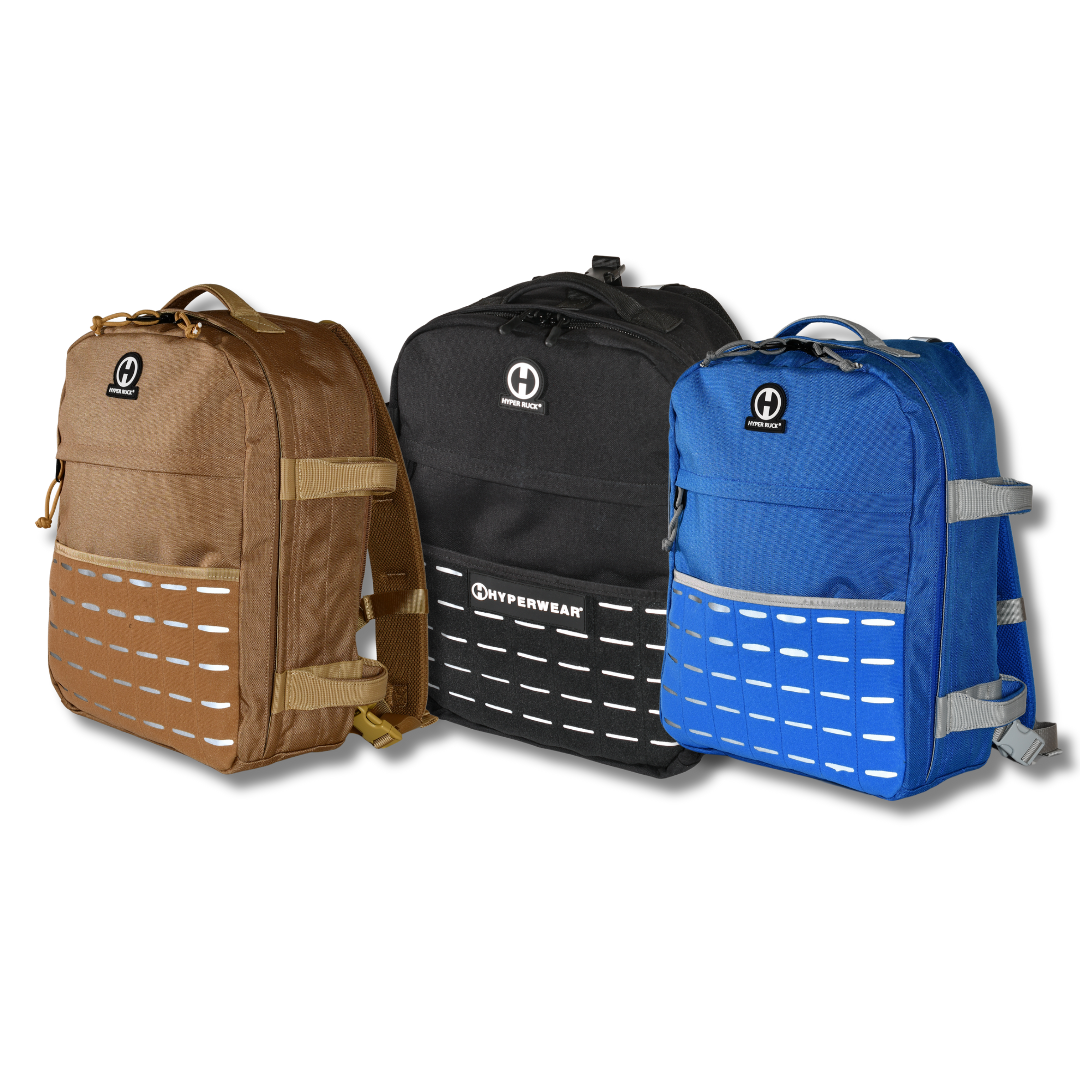
| Rucking backpack | Traditional rucking, heavier loads, outdoor walks, storage, hydration, CHAD-style training | Hyper Ruck |
| Adjustable ruck plates | Progressive loading without jumping straight to heavy fixed plates | FlexLoad rucking plates |
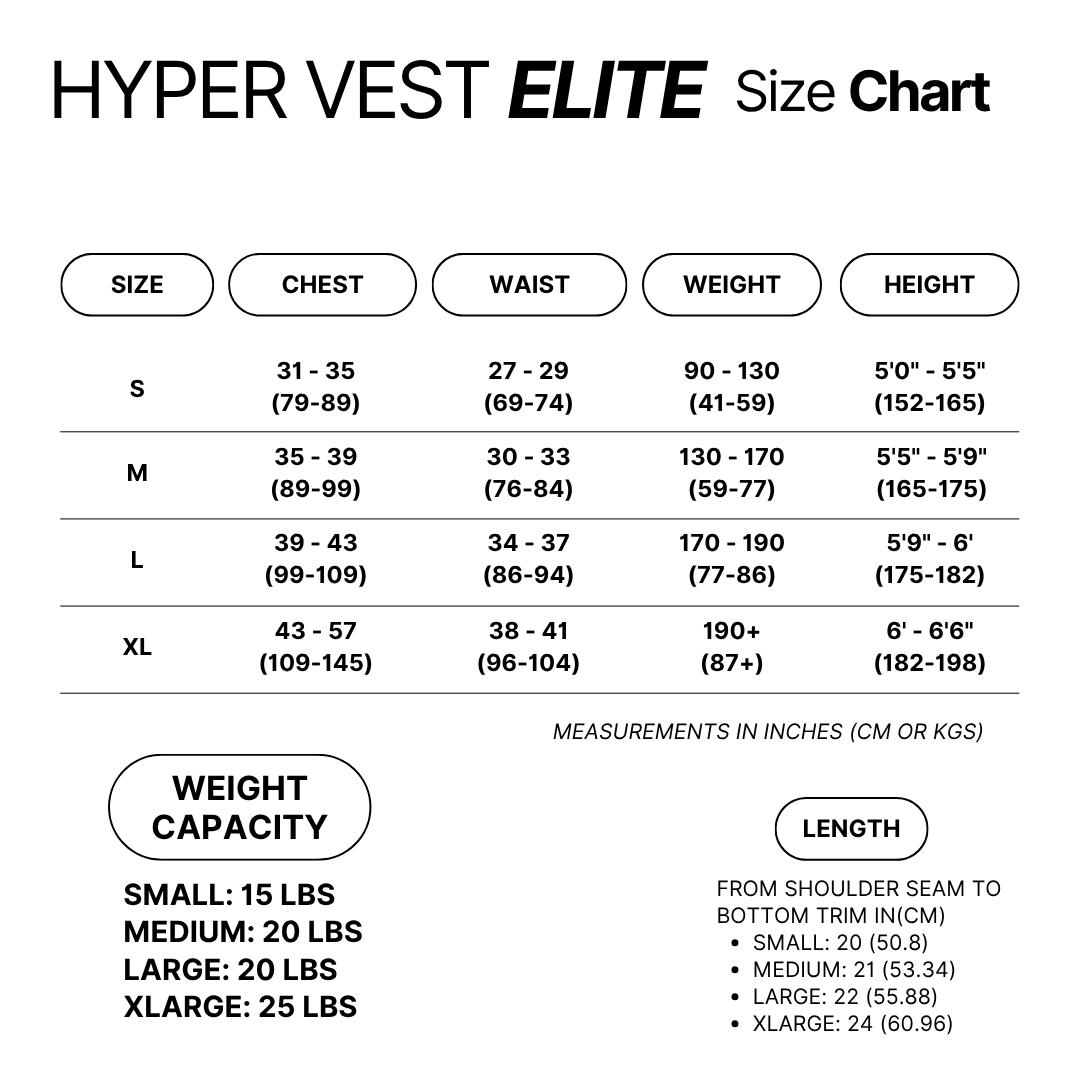
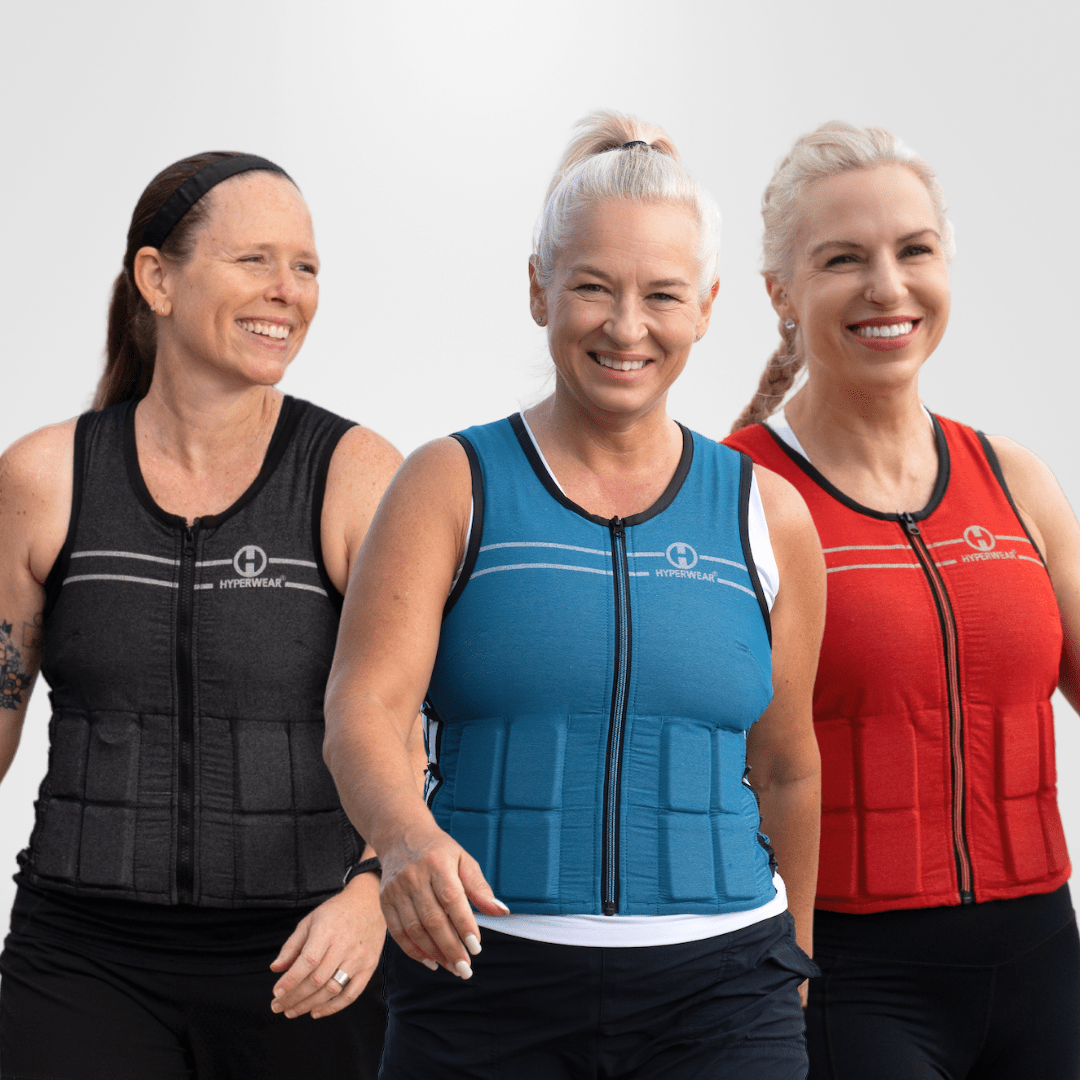
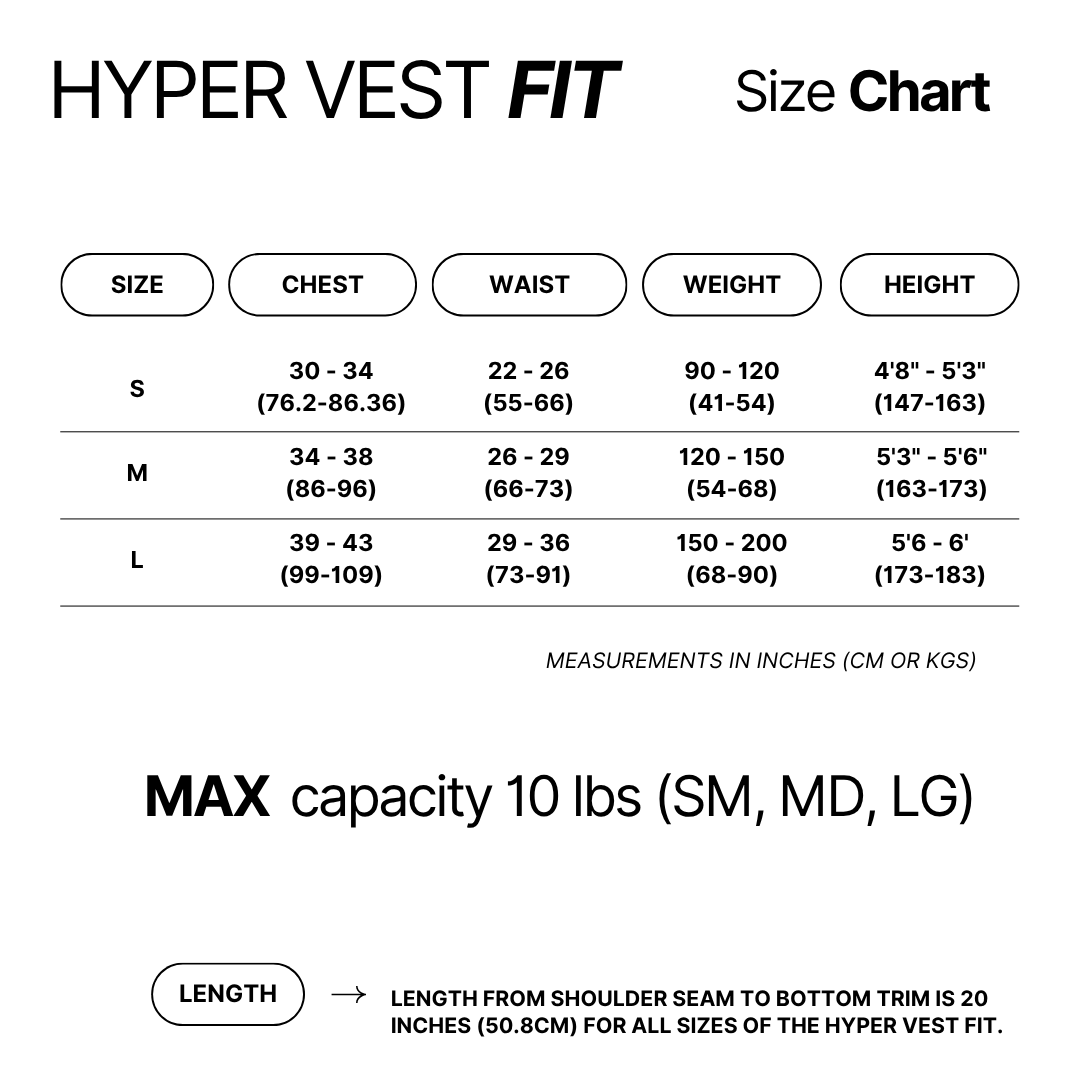
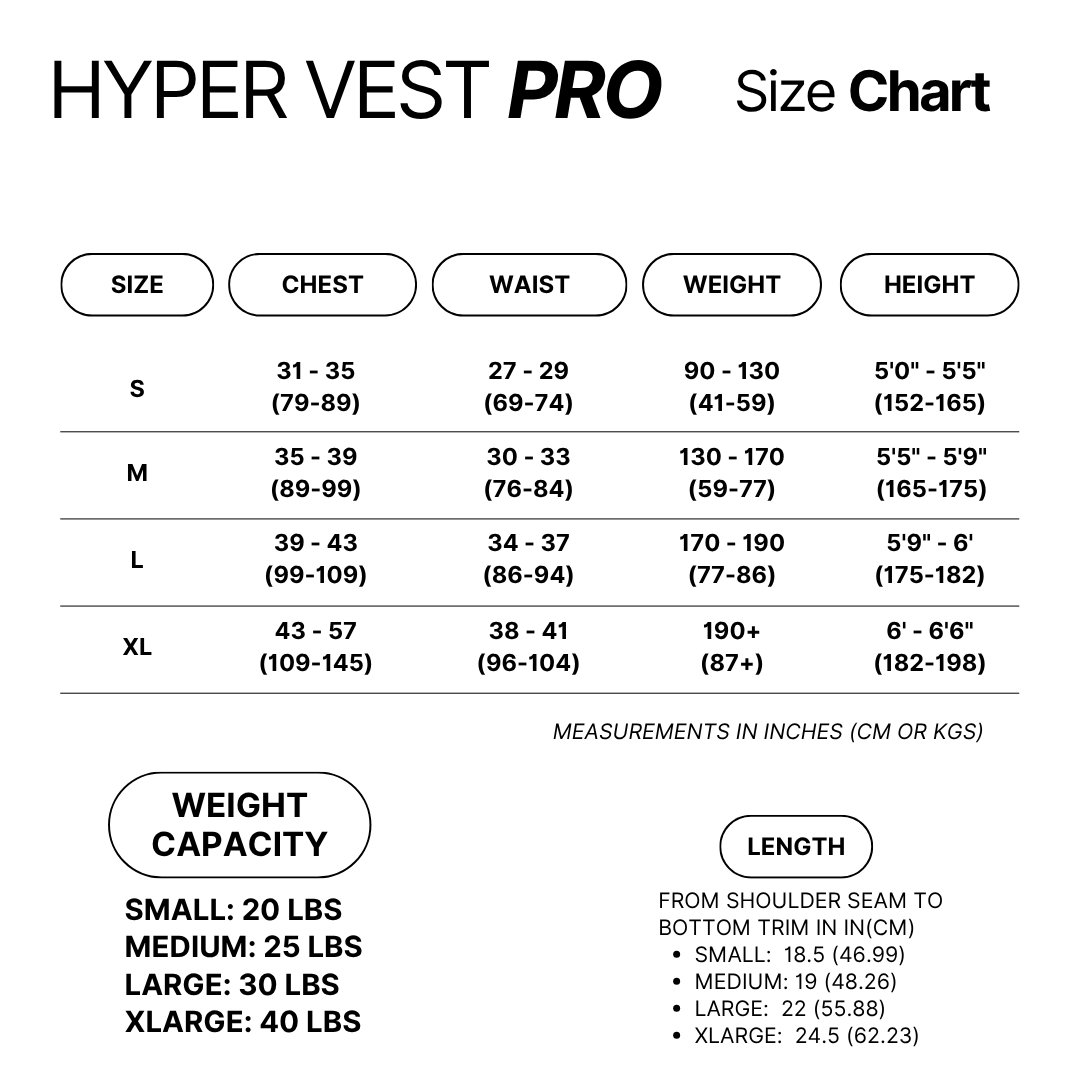
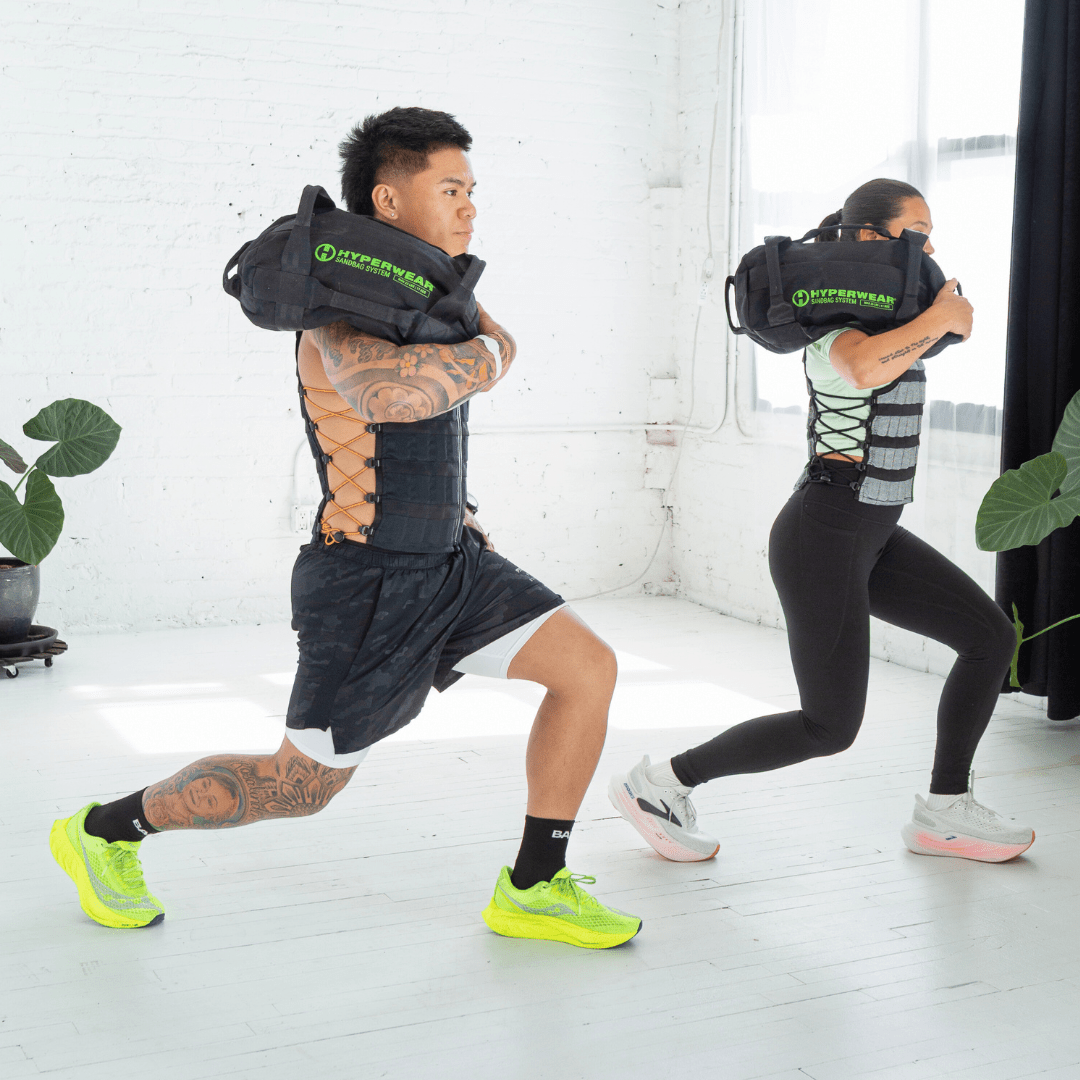
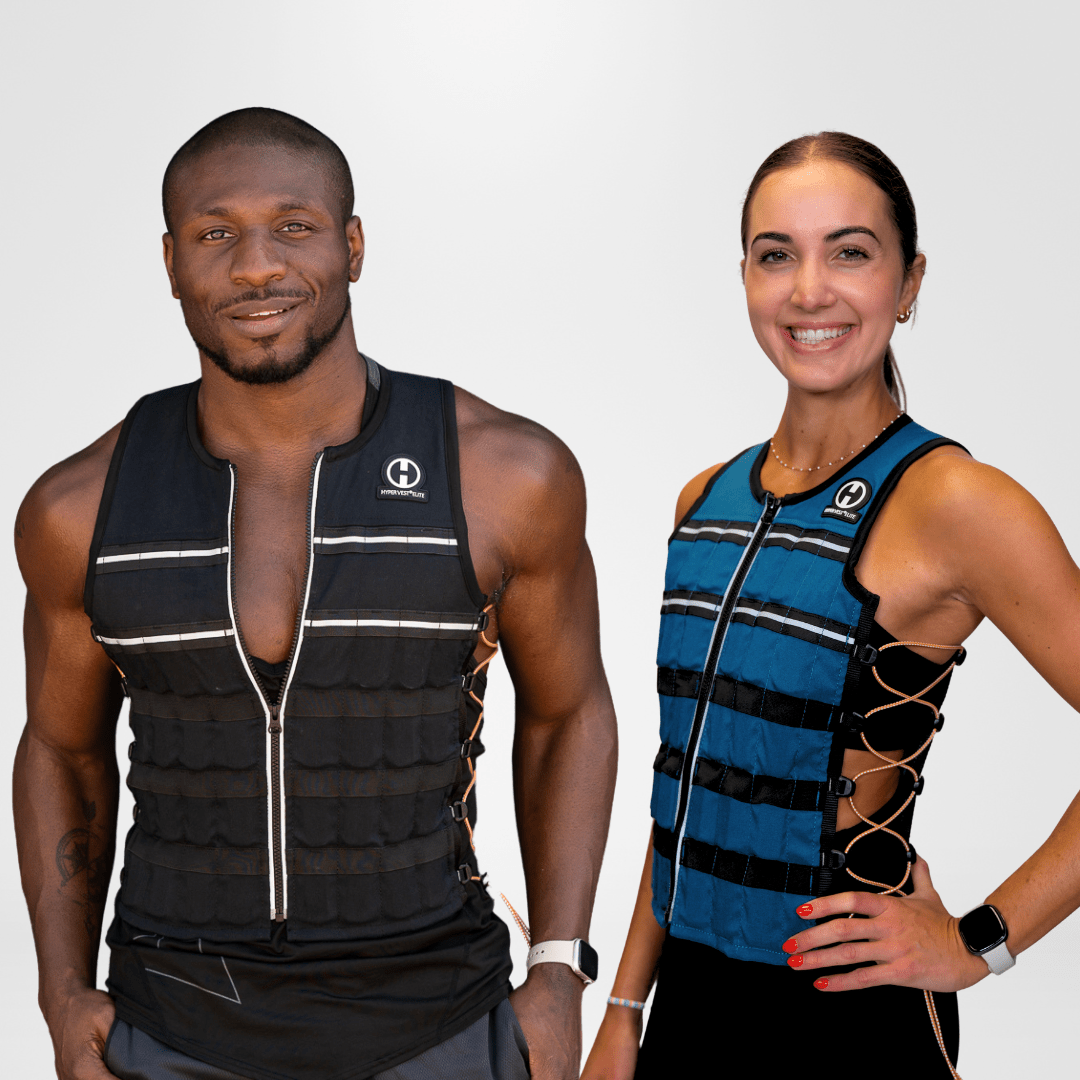
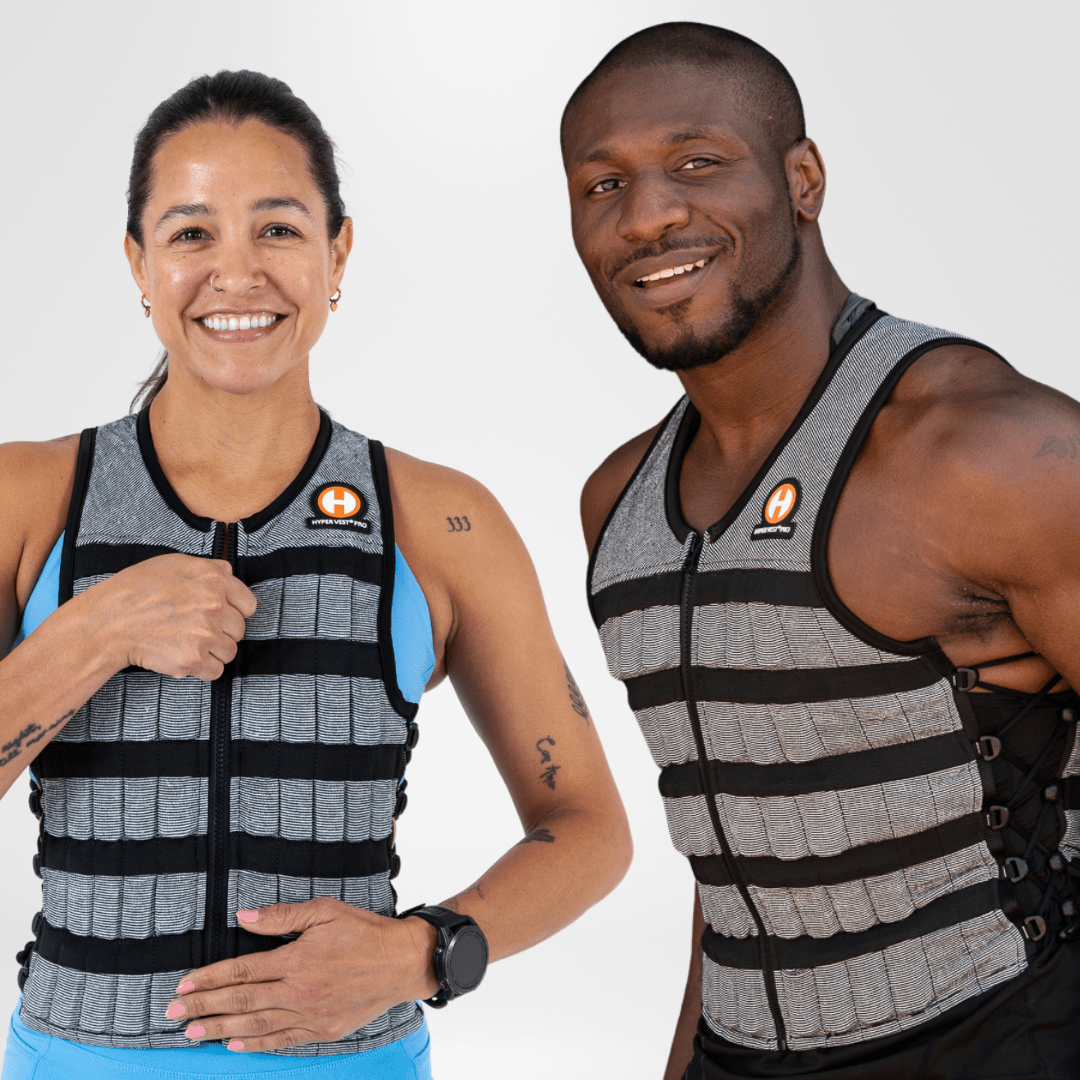
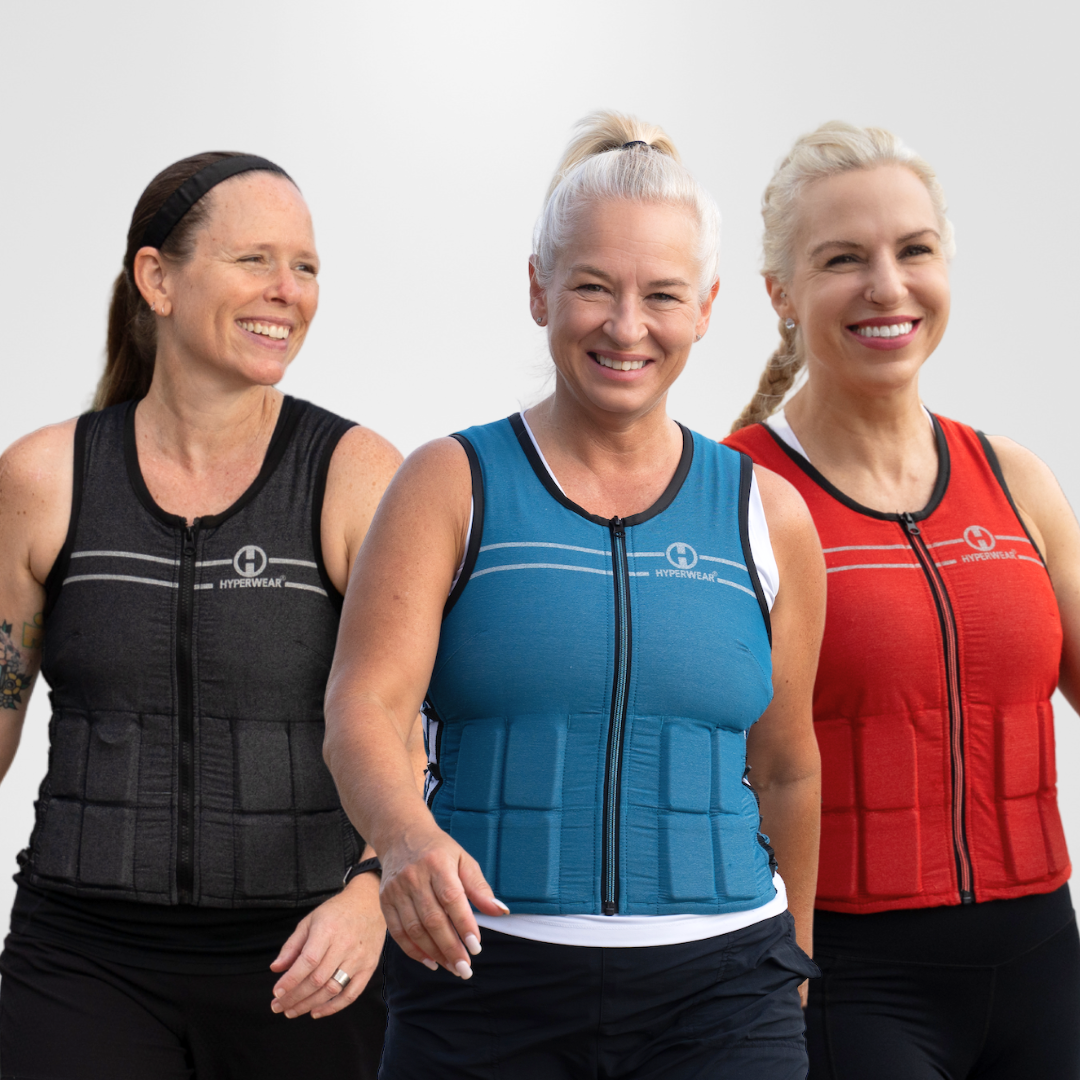
| Weighted vest | Balanced torso load, lighter weighted walking, stairs, bodyweight training | Hyperwear weighted vests |
For a deeper comparison, add a link here once the Workouts comparison article is live.
Benefits of rucking
Rucking combines walking with external load. That gives it a different training effect from unloaded walking.
1. Rucking can increase workout intensity
Adding load makes the same walk more demanding. Research on load carriage has shown that backpack load affects the metabolic and biomechanical demands of walking and marching. That is the basic reason a ruck can make a normal walking route feel more like a workout.
2. Rucking can support cardiovascular fitness
Because rucking raises the demand of walking, it can increase heart-rate response compared with an unloaded walk. For many people, rucking works well as steady, moderate conditioning when the load and pace are controlled.
3. Rucking trains legs, glutes, core, back, and shoulders
A ruck asks your lower body to move more load and your trunk and upper body to stabilize that load. Cleveland Clinic describes rucking as a full-body workout and notes that walking with a weighted pack can strengthen muscles and raise heart rate.
4. Rucking gets you outside
Rucking is easy to do outdoors: sidewalks, parks, trails, neighborhood loops, and hills all work. That makes it a practical option for people who want training that fits into daily life.
5. Rucking is scalable
You can scale rucking by changing weight, distance, time, pace, terrain, or frequency. Beginners can start light and short. Experienced ruckers can build toward longer routes, hills, heavier weights, or event-style training.
Estimate calories burned rucking
How to start rucking
Start with the easiest version that still feels purposeful. Your first ruck should not feel like a test. It should feel like a walk with a small challenge added.
Step 1: Choose your ruck or backpack
Use a stable backpack that can hold weight securely. A dedicated rucking backpack is better for repeated rucking because it keeps weight higher and more stable, reduces shifting, and gives you better straps and support.
Step 2: Add a light, stable weight
Use a ruck plate, sandbag, wrapped dumbbell, books, or other secure weight. The weight should not bounce or dig into your back. Beginners should start lighter than they think and progress gradually.
Step 3: Walk 20–30 minutes
Choose flat ground, walk at a comfortable pace, and keep your posture tall. Stop or reduce weight if you feel joint pain, back pain, neck pain, numbness, dizziness, or major changes in stride.
How much weight should beginners ruck with?
Many beginners should start with 6–10 lb or around 5–10% of body weight. Active beginners may be able to start heavier, but the safer rule is to choose a load that lets you walk with normal posture, relaxed breathing, and no joint discomfort.
| Experience level | Suggested starting point | What to do next |
|---|---|---|
| New to exercise | Start with unloaded walking first, then 5–6 lb | Build consistency before adding load |
| Regular walker | 6–10 lb or about 5% body weight | Add time and distance before weight |
| Active beginner | 10–20 lb may be appropriate if posture stays strong | Progress gradually and avoid big weight jumps |
| Experienced rucker | Load depends on goal, distance, terrain, and event | Use structured progression |
GORUCK’s beginner guide says that when in doubt, new ruckers can start around 10–20 lb and progress weight, speed, and distance over time. Hyperwear’s beginner-friendly position is even more gradual: start with a light, adjustable load and earn each increase through comfortable sessions.
What gear do you need for rucking?
You can start with a regular backpack, but better gear makes rucking more comfortable and repeatable. The most important gear features are load stability, shoulder comfort, durable materials, and the ability to adjust weight safely.
Rucking backpack
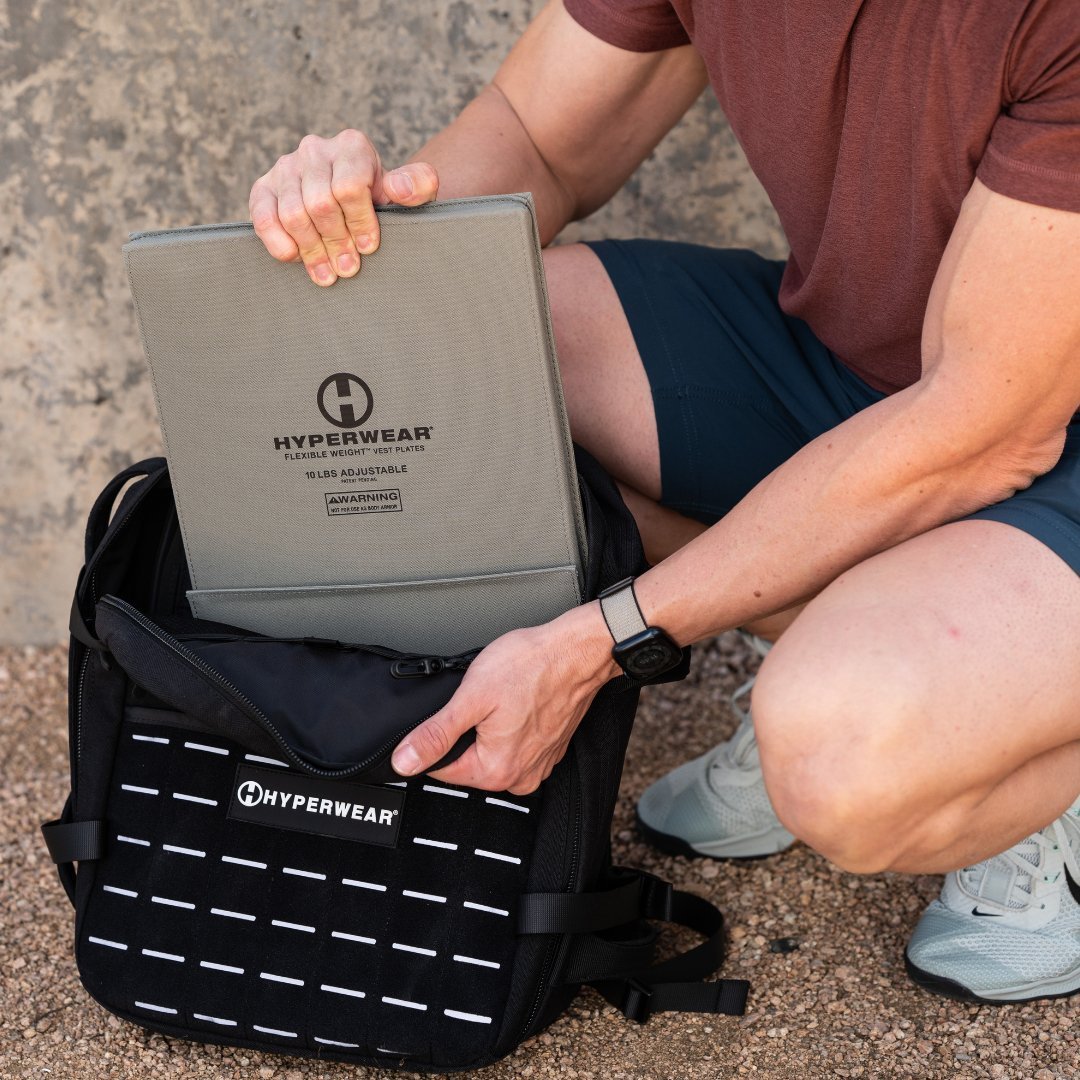
The Hyper Ruck is built for rucking, strength training, and everyday carry. It includes three elevated padded sleeves for a laptop, Hyperwear Flexible Adjustable Weight Plates, or iron ruck plates; a rigid frame sheet back panel for load stability; a 20L capacity; hydration-ready storage; wide padded shoulder straps; an adjustable sternum strap; a removable waist strap; and a max recommended capacity of 60 lb.
Ruck plates
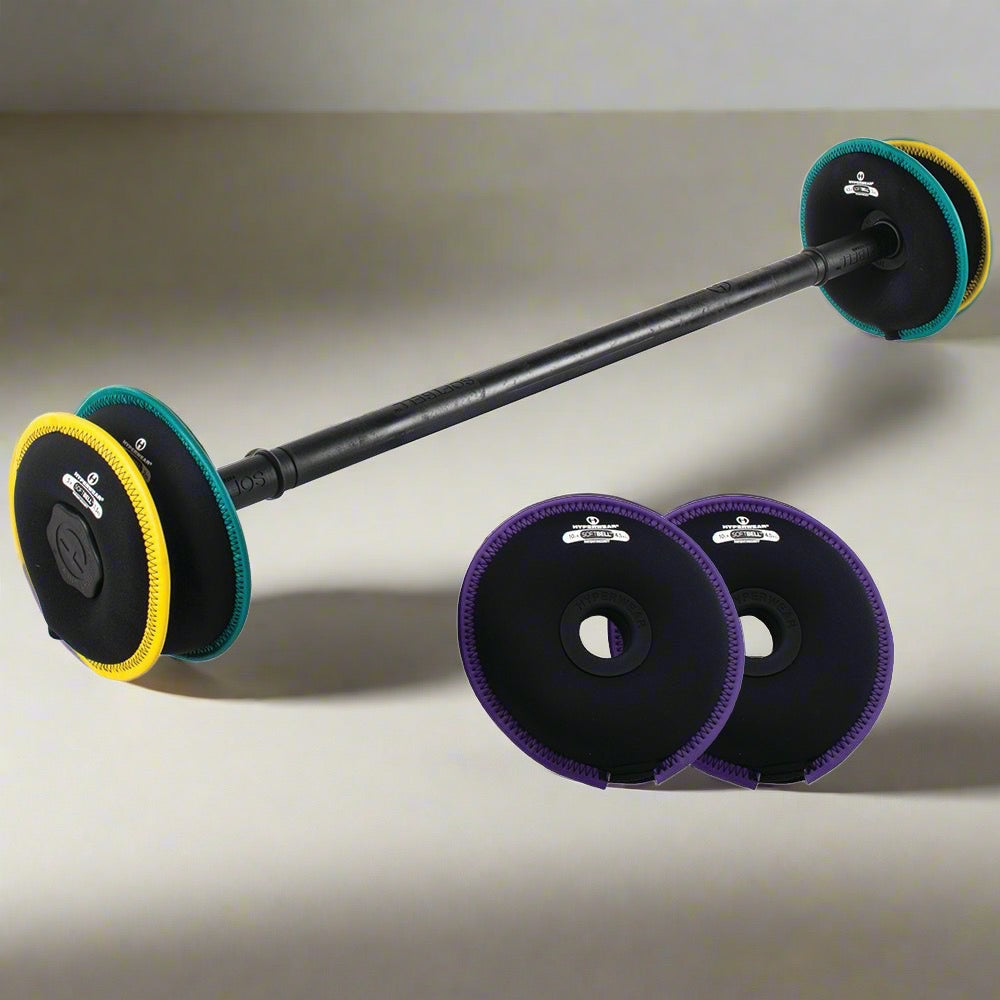
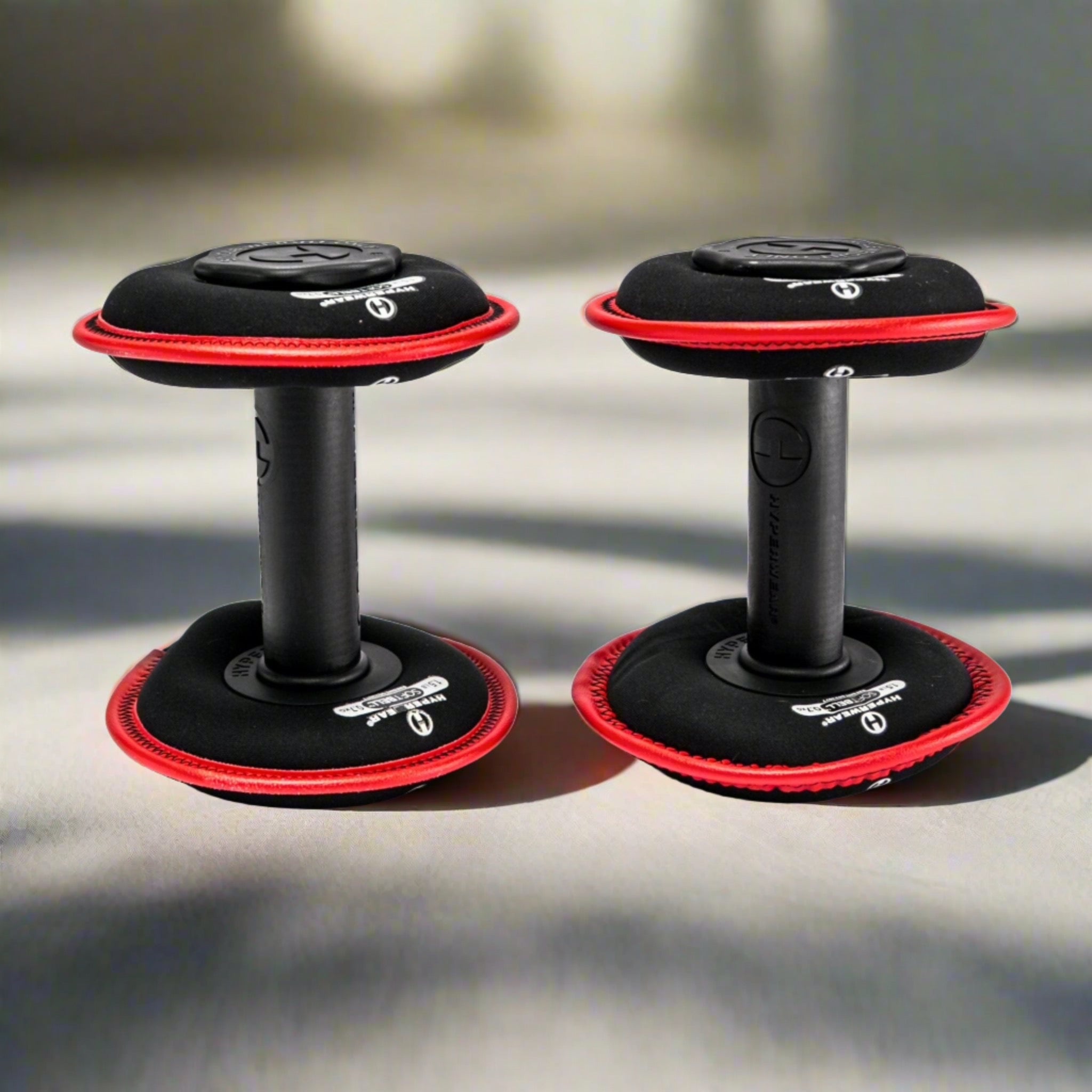
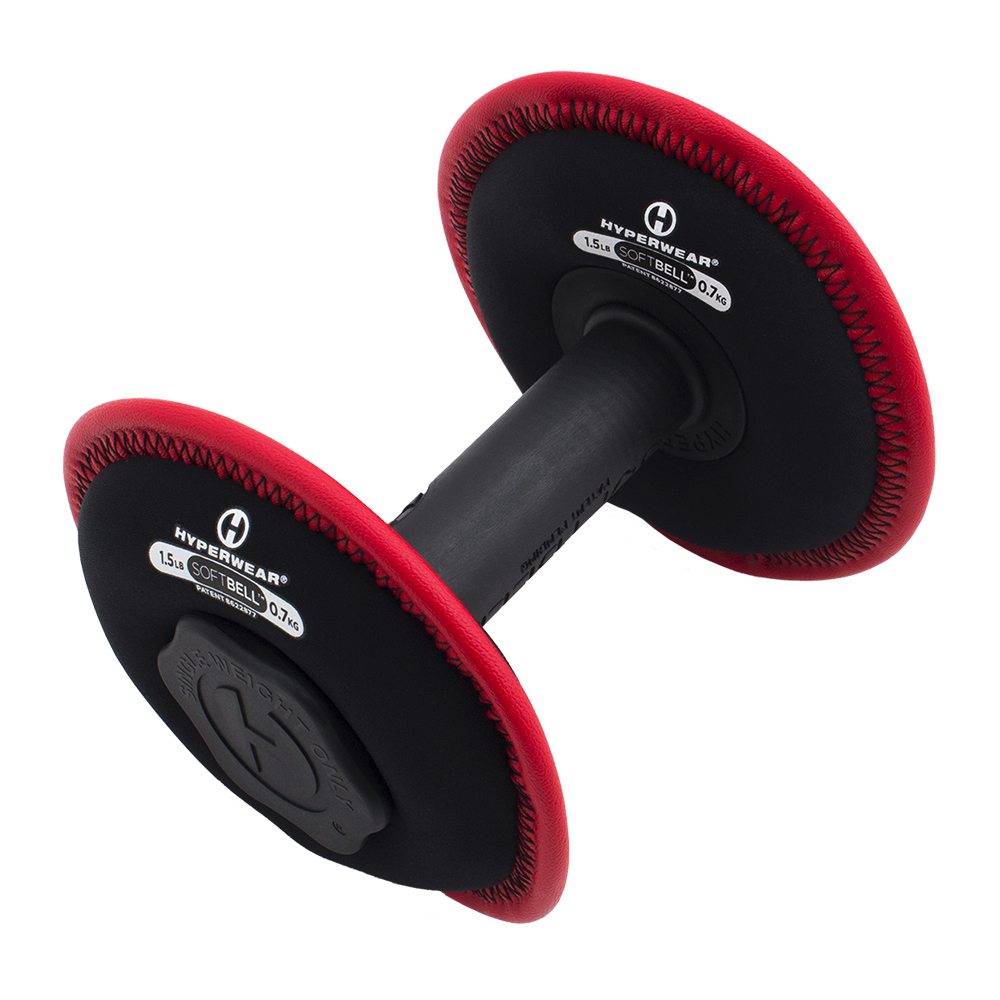
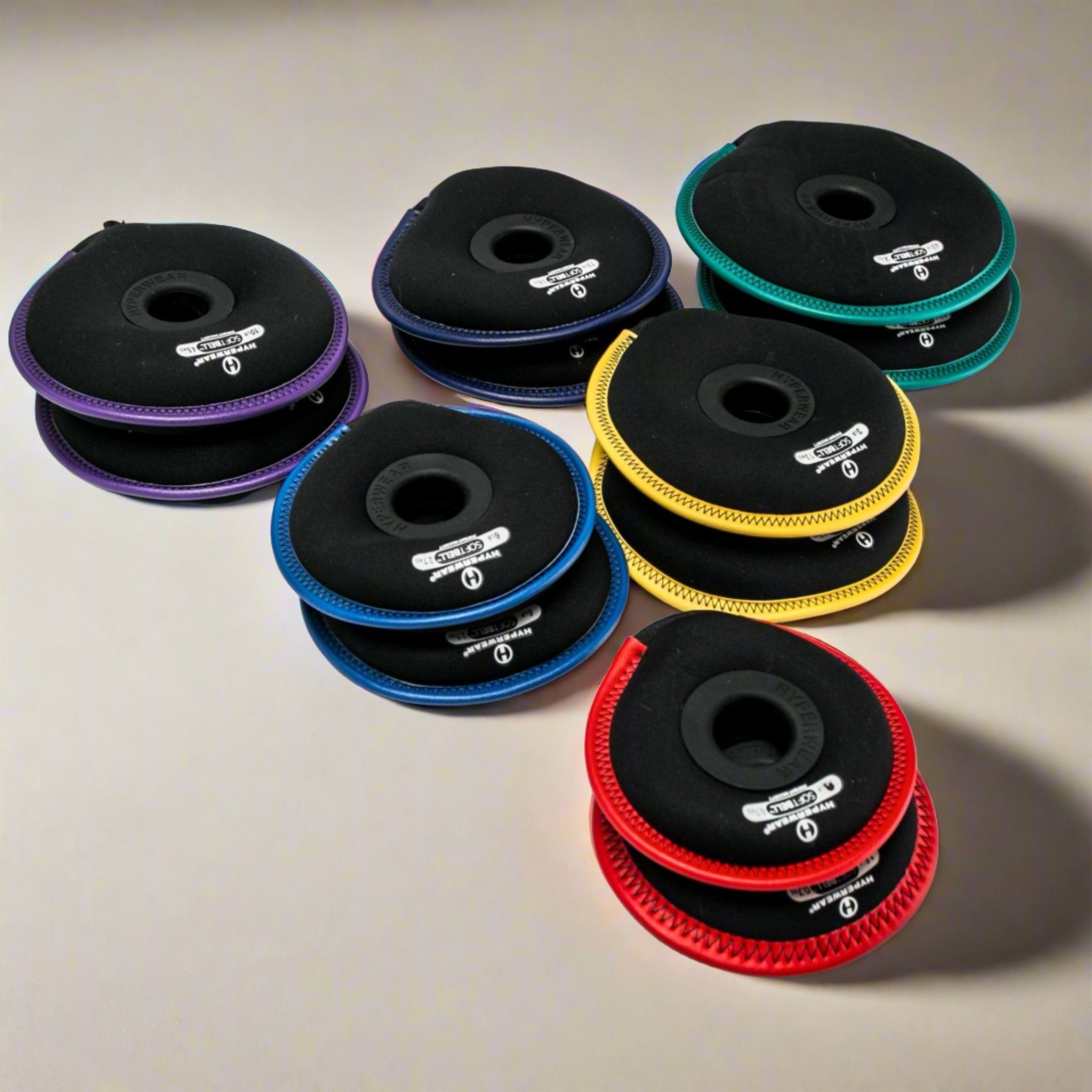
The FlexLoad rucking plates are available in 6, 9, and 10 lb options and adjust in 1/2-lb increments. They are flexible rather than rigid, compatible with Hyper Ruck and Hyper Vest TAC, and designed for rucks or backpacks that hold plates 12.25 x 10.5 x 0.75 inches or smaller.
Weighted vest option
A weighted vest is not the traditional rucking setup, but it can be useful for lighter weighted walking, stairs, hiking, and bodyweight workouts. If you want balanced front-and-back loading instead of backpack loading, compare options in the weighted vest collection.
Best Hyperwear gear for rucking
| Goal | Best Hyperwear gear | Why |
|---|---|---|
| Beginner rucking | Hyper Ruck + 6 or 10 lb FlexLoad plate | Stable pack plus adjustable loading. |
| Progressive weight increases | FlexLoad plates | Adjusts in 1/2-lb increments instead of forcing large jumps. |
| Longer rucks and everyday carry | Hyper Ruck | 20L carry size, hydration-ready storage, and multiple sleeves. |
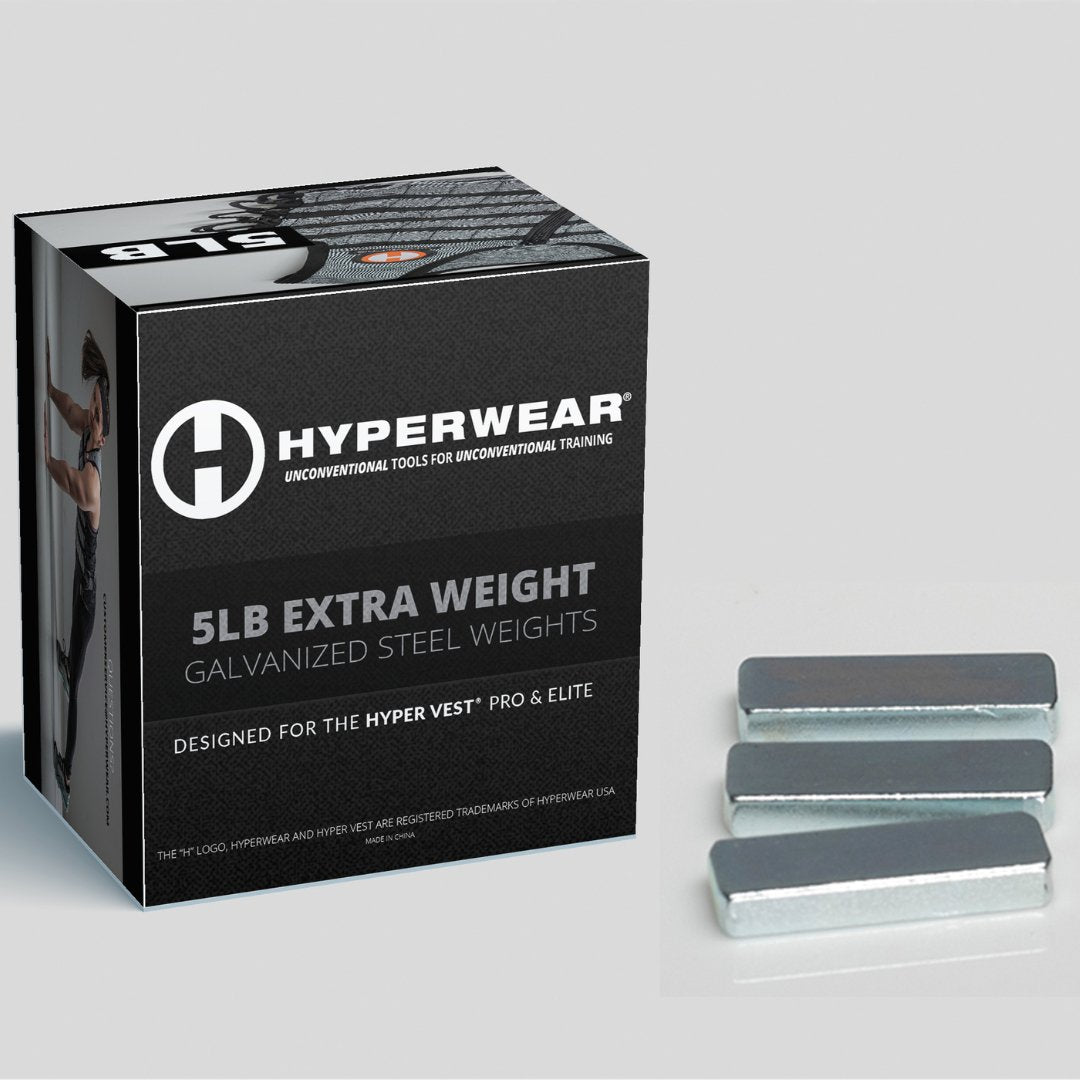
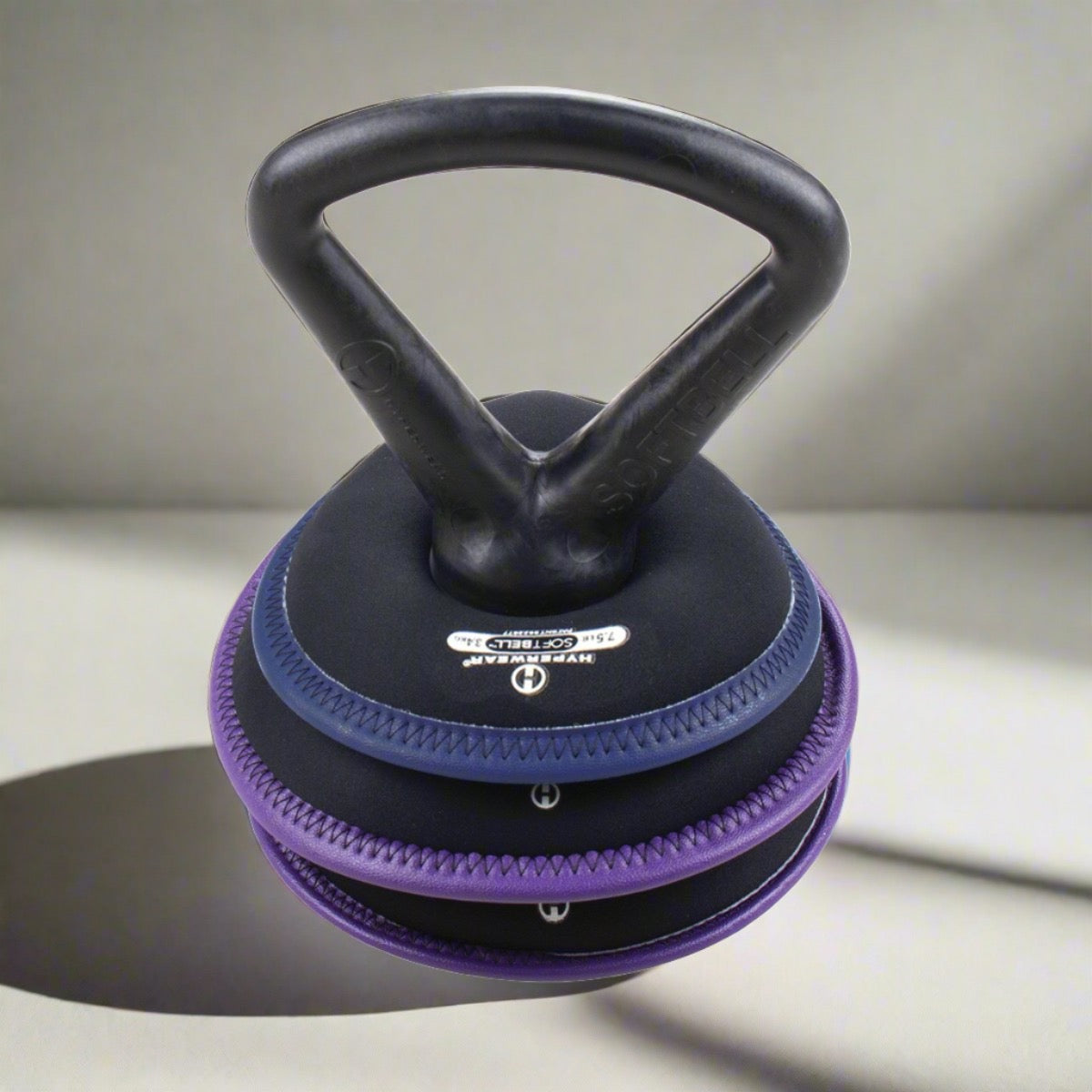
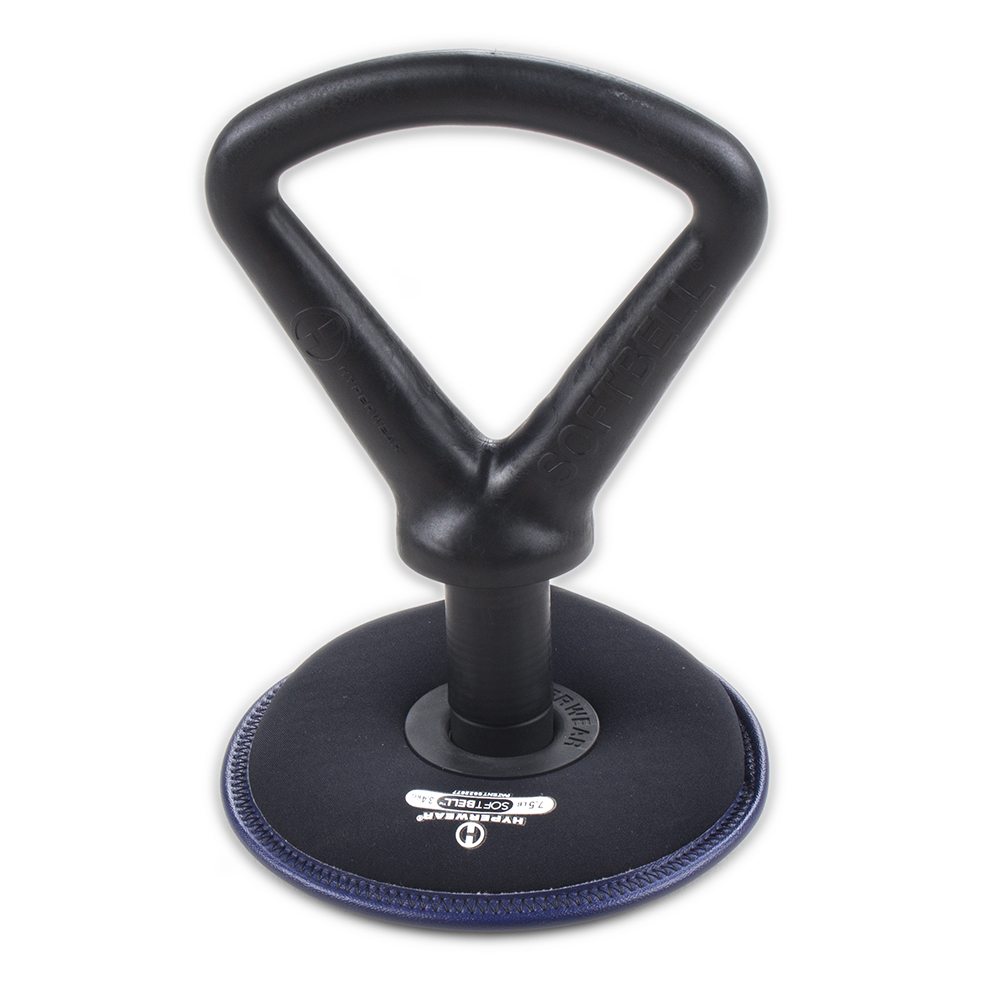
| Heavier rucking or CHAD-style training | Hyper Ruck + plates or SteelBell | Max recommended capacity up to 60 lb with several loading options. |
| Weighted walking alternative | Weighted vest | Balanced torso loading for lighter daily walking and fitness. |
Rucking safety tips
- Start with unloaded walking if you are new to exercise.
- Start light and build gradually.
- Keep the weight stable and close to your back.
- Walk tall with relaxed shoulders and a natural stride.
- Add time and distance before adding weight.
- Avoid adding weight, speed, hills, and distance all at once.
- Stop if you feel joint pain, back pain, neck pain, numbness, dizziness, or altered gait.
- Ask a healthcare professional before rucking if you have back, neck, joint, balance, heart, respiratory, bone-density, or pregnancy-related concerns.
FAQs about rucking
What does rucking mean?
Rucking means walking with added weight, usually in a backpack or rucksack. The term comes from military ruck marching, but recreational rucking can be much lighter and more gradual.
Is rucking just walking with a backpack?
Yes, at its simplest, rucking is walking with a weighted backpack. The difference between casual backpack carry and rucking for fitness is intention: you choose the weight, distance, pace, and progression.
Is rucking good for beginners?
Rucking can be beginner-friendly when you start light, choose a short route, and build gradually. Beginners should avoid starting with heavy loads, long distances, or steep hills.
How much weight should I start rucking with?
Many beginners should start with 6–10 lb or about 5–10% of body weight. Active beginners may start heavier, but only if they can maintain posture, stride, breathing, and joint comfort.
How long should your first ruck be?
A good first ruck is 20–30 minutes on flat ground with a light load. You can add time, distance, pace, hills, or weight later.
Does rucking burn more calories than walking?
Rucking generally increases the energy cost of walking because you are carrying added load. The exact calorie burn depends on body weight, ruck weight, speed, time, terrain, and fitness level.
Is rucking better than running?
Rucking is not automatically better than running. It is different. Running is better for speed and running-specific fitness. Rucking is useful when you want a walking-based workout with added resistance and lower impact than running.
Can I use a weighted vest for rucking?
Yes, a weighted vest can work for weighted walking or lighter rucking-style workouts. A backpack or ruck is better for traditional rucking, heavier loads, hydration, and gear storage.
Start rucking with Hyperwear
Rucking is simple: add weight, walk, and progress gradually. The better your gear fits and the easier your weight is to adjust, the easier it is to make rucking a consistent part of your training.
- Hyper Ruck for rucking, strength training, and everyday carry
- FlexLoad rucking plates for adjustable 1/2-lb progression
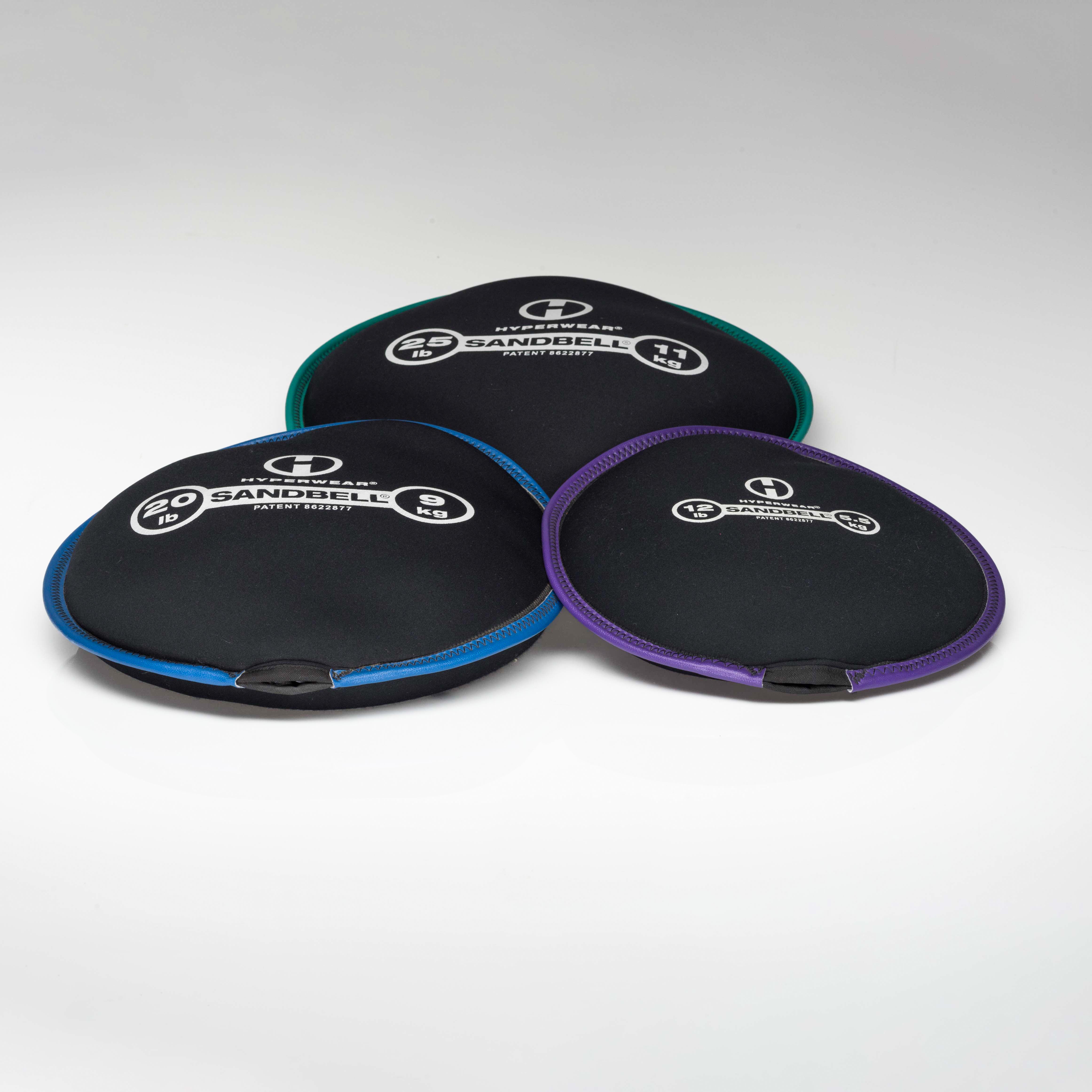
- Rucking gear collection to compare backpacks, plates, vests, SandBell, and SteelBell options
- Rucking calorie calculator to estimate calories burned by weight, speed, and time
Sources and further reading
- Cleveland Clinic: Should You Add Rucking to Your Workout?
- Quesada et al.: Biomechanical and metabolic effects of varying backpack loading on simulated marching
- Orr et al.: The Physiology and Biomechanics of Load Carriage Performance
- Hyperwear: Rucking gear and weights
- Hyperwear: Hyper Ruck rucking backpack
- Hyperwear: FlexLoad rucking plates