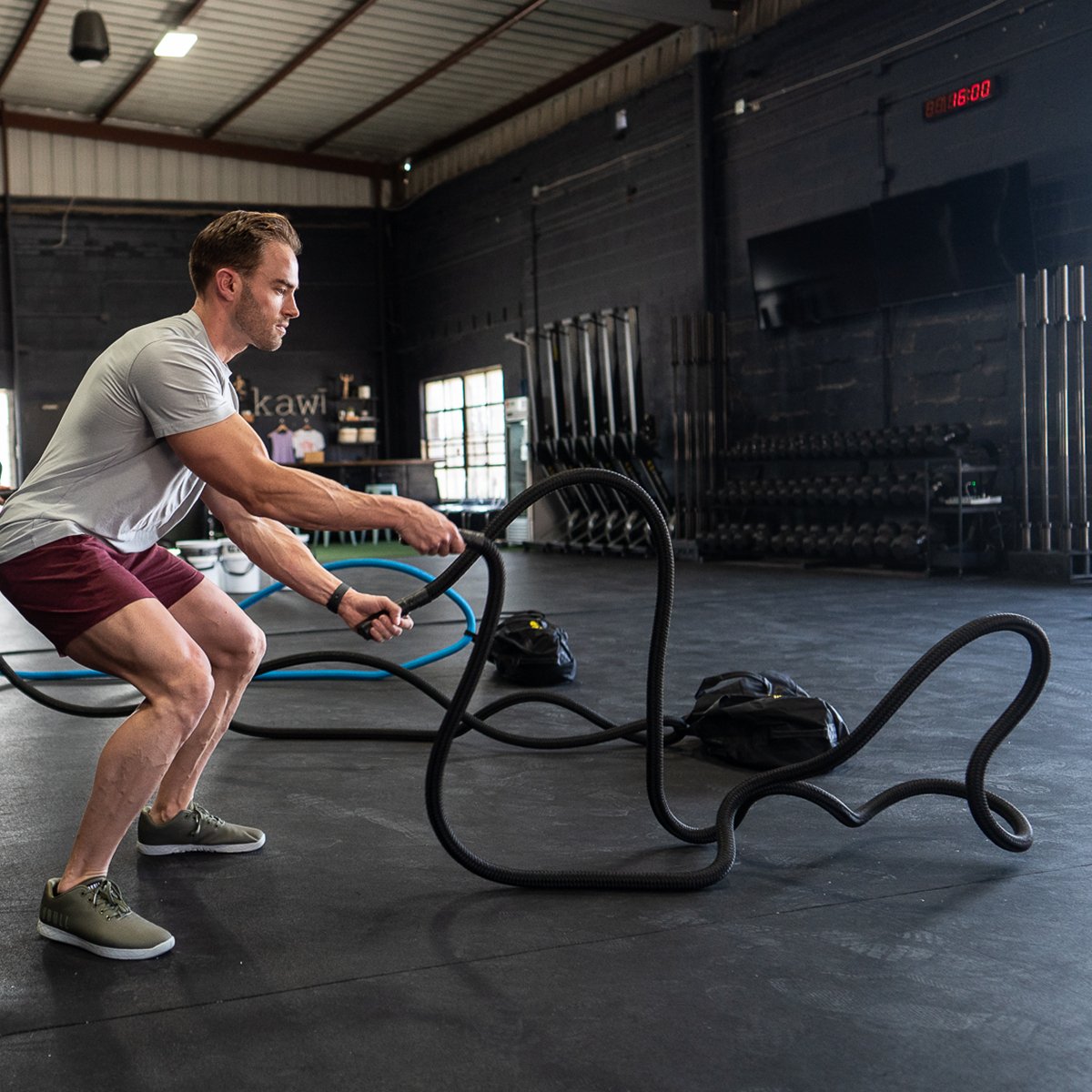




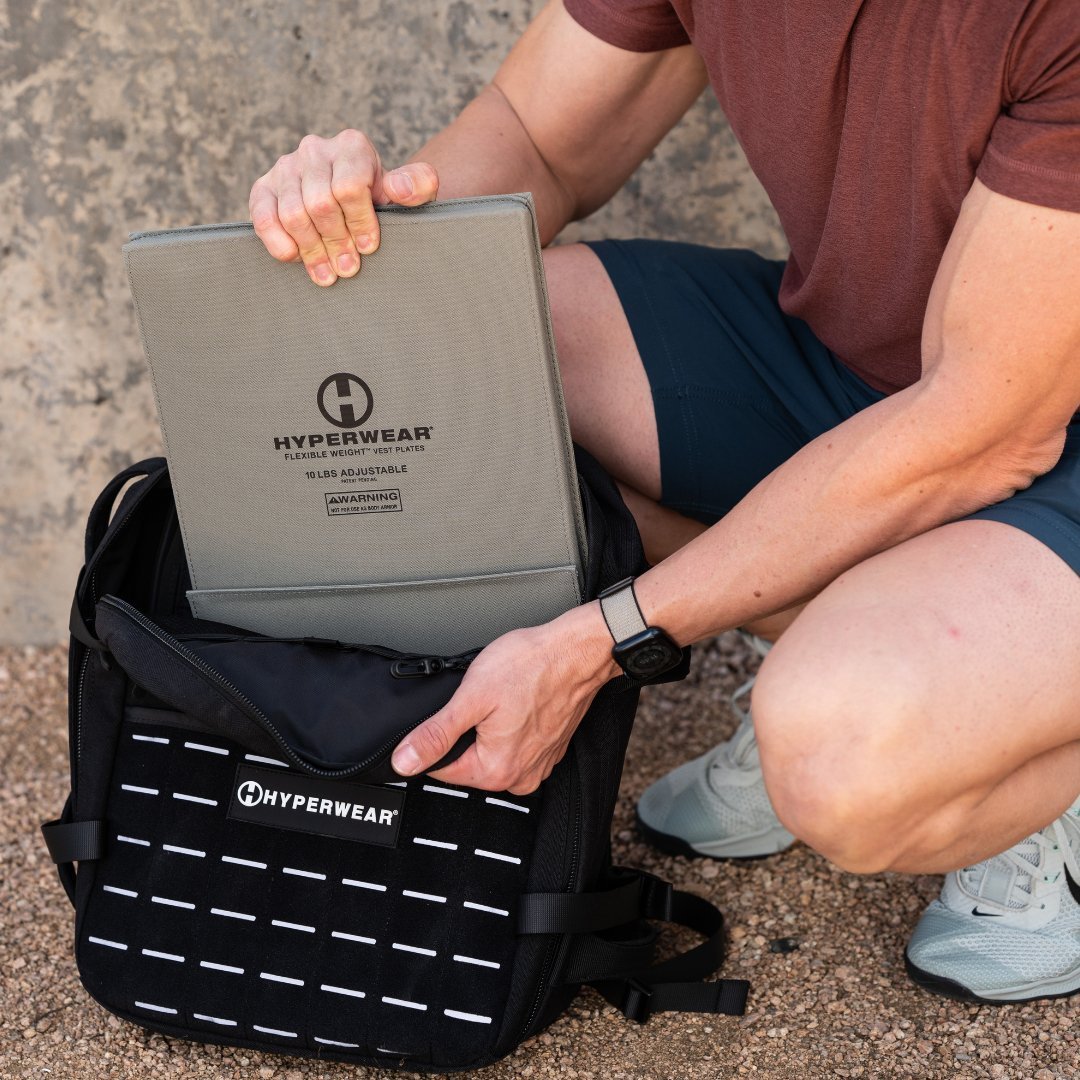










Strength training is often associated with building muscle, lifting heavier weights, or improving appearance. But its most important role goes deeper than that.
Strength training is one of the most powerful ways to build Metabolic Strength™—the body’s capacity to efficiently use energy, preserve muscle, regulate temperature, and adapt to physical and environmental stress over time.
At Hyperwear, this is what we mean when we say Get Strong for Life®.
Strength Is More Than Muscle
Muscle matters—but muscle does not exist in isolation.
The ability to maintain strength over time depends on:
-
How well your body manages energy
-
How effectively it regulates blood sugar and fats
-
How resilient it is under stress
-
How well it recovers between challenges
These are metabolic functions, and strength training directly supports them.
Skeletal Muscle: The Body’s Largest Metabolic Organ
Skeletal muscle is often overlooked as a metabolic tissue, but it plays a central role in energy regulation.
Muscle:
-
Is the largest site of glucose uptake in the body
-
Stores amino acids that support recovery and repair
-
Produces signaling molecules called myokines that influence metabolism
-
Helps regulate insulin sensitivity and fuel use
When muscle mass declines—due to aging, inactivity, or illness—metabolic capacity declines with it.
Strength training helps preserve this metabolic foundation.
How Strength Training Builds Metabolic Strength™
1. Improves Glucose Regulation
During and after strength training, muscle increases its uptake of glucose from the bloodstream. This effect can persist for hours or even days after training.
Over time, this supports:
-
Better blood sugar control
-
Improved insulin sensitivity
-
More efficient energy use
This is a key component of Metabolic Strength™.
2. Preserves Muscle Under Stress
Periods of stress—physical, environmental, or life-related—often push the body toward muscle loss.
Strength training provides a powerful counter-signal:
-
It tells the body muscle is needed
-
It preserves structural tissue
-
It supports functional capacity as demands change
Preserving muscle is not about aesthetics—it’s about maintaining independence and capability over time.
3. Supports Recovery and Adaptation
Strength training challenges the body, then gives it a reason to adapt.
That adaptation includes:
-
Improved mitochondrial function
-
Better energy efficiency
-
Greater tolerance for future stress
This cycle of challenge and recovery is how Metabolic Strength™ is trained—not through extremes, but through consistency.
Why Strength Training Matters More As We Age
As we get older, the body naturally loses muscle and metabolic capacity if those systems are not actively trained.
Strength training helps:
-
Slow age-related muscle loss
-
Maintain metabolic efficiency
-
Preserve balance, power, and coordination
-
Support long-term functional health
This is why strength training is not optional for lifelong health—it’s foundational.
Strength Training and Everyday Movement
Strength training does not need to be confined to a gym.
Load-bearing movement—like rucking (walking with added weight)—is a practical way to build strength and metabolic capacity in everyday life.
Rucking:
-
Engages large muscle groups
-
Increases energy demand
-
Supports glucose uptake
-
Builds functional, real-world strength
➡️ Related reading:
Rucking Outdoors for Metabolic Strength
Strength Training Works Best When Paired With Recovery
Metabolic Strength™ is not built by constant strain.
Recovery matters:
-
Adequate sleep
-
Sufficient nutrition
-
Rest between sessions
Strength training should challenge the body—but not overwhelm it. Sustainable progress comes from training the system, not exhausting it.
How Strength Training Fits the Metabolic Strength™ Framework
Strength training builds:
-
Muscular strength – force, power, structure
-
Metabolic strength – energy regulation and efficiency
-
Adaptive strength – resilience under changing demands
Together, these support strength that lasts.
➡️ Explore the full framework:
Metabolic Strength™: How Strength Training, Cold Exposure, and Brown Fat Support the Body for Life
Where Hyperwear Fits
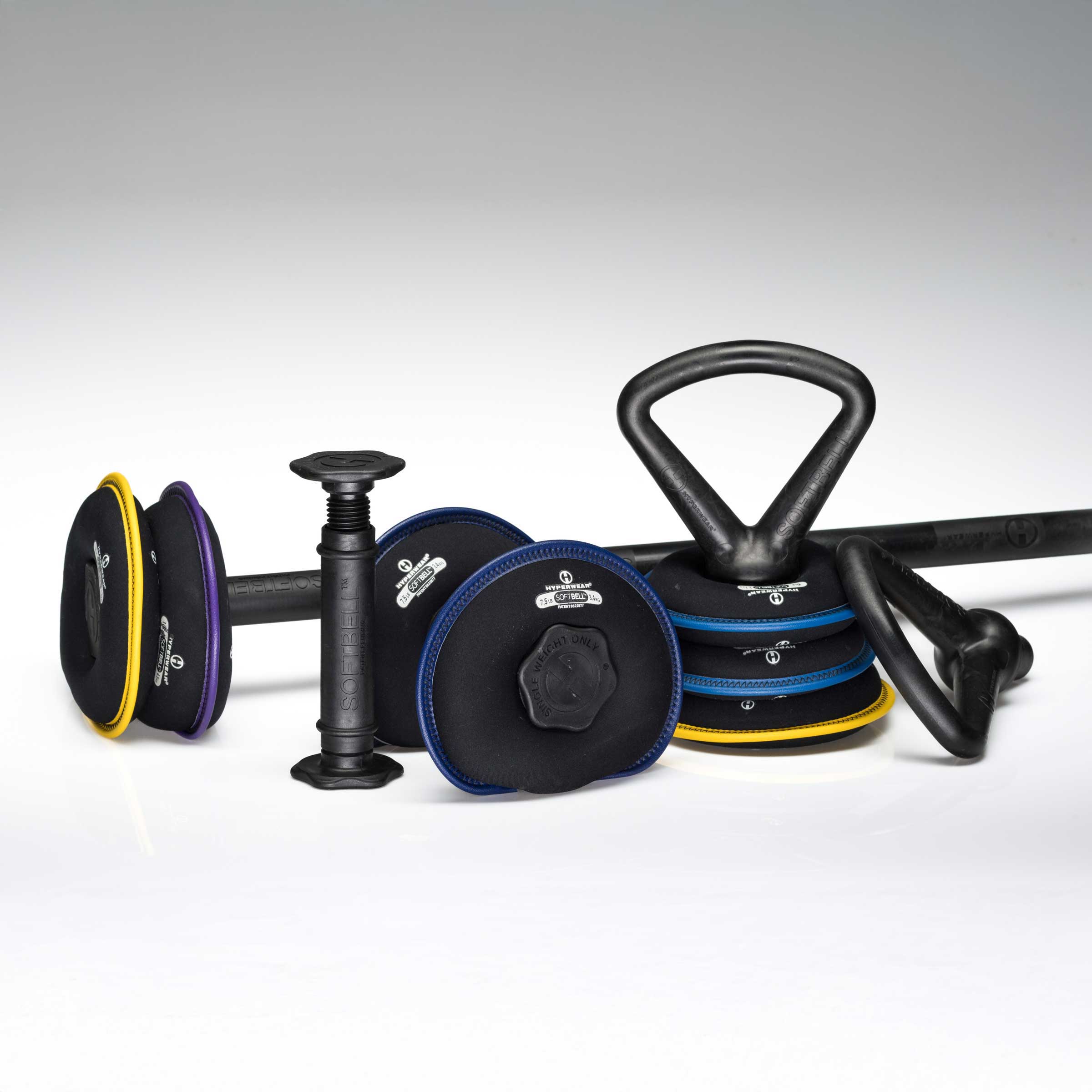
Hyperwear designs tools that support functional strength training across real-world conditions, including:
-
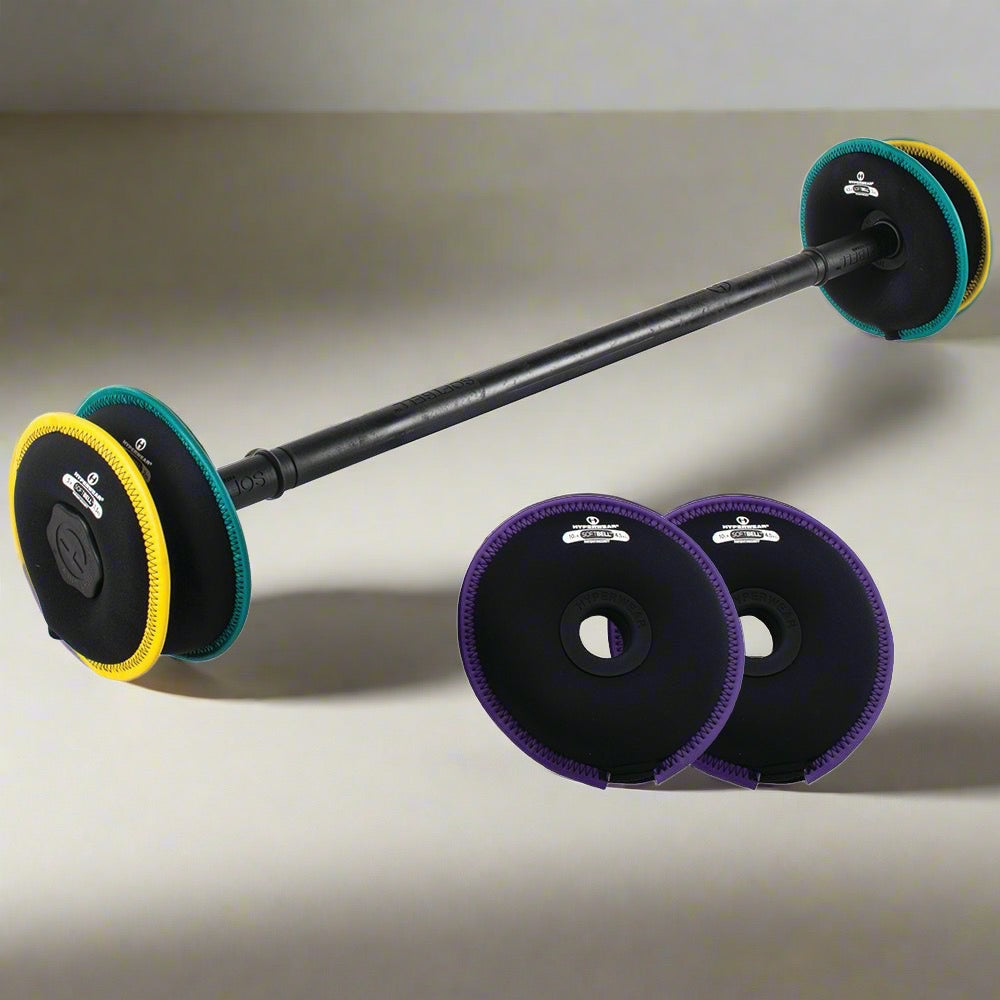
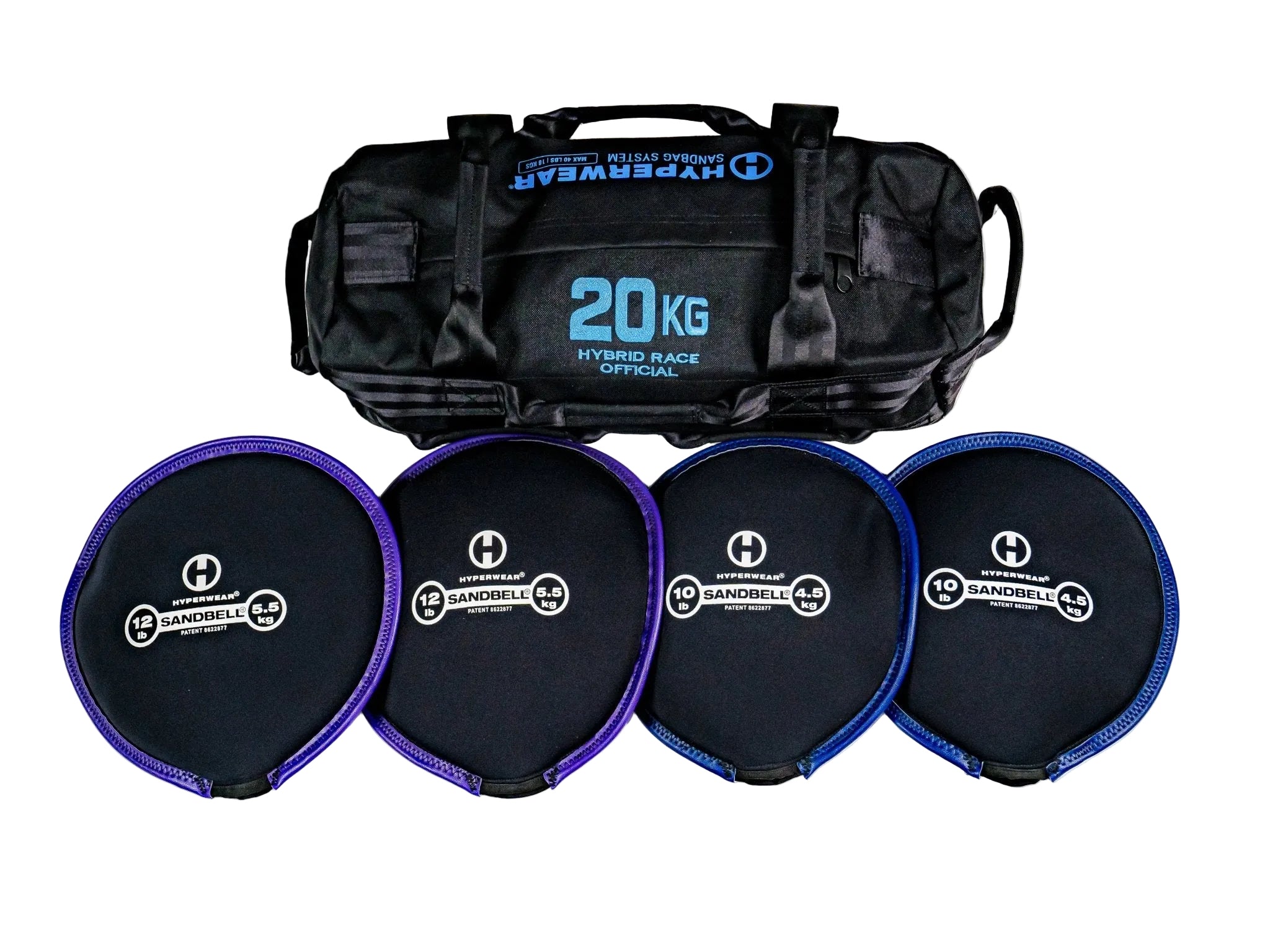
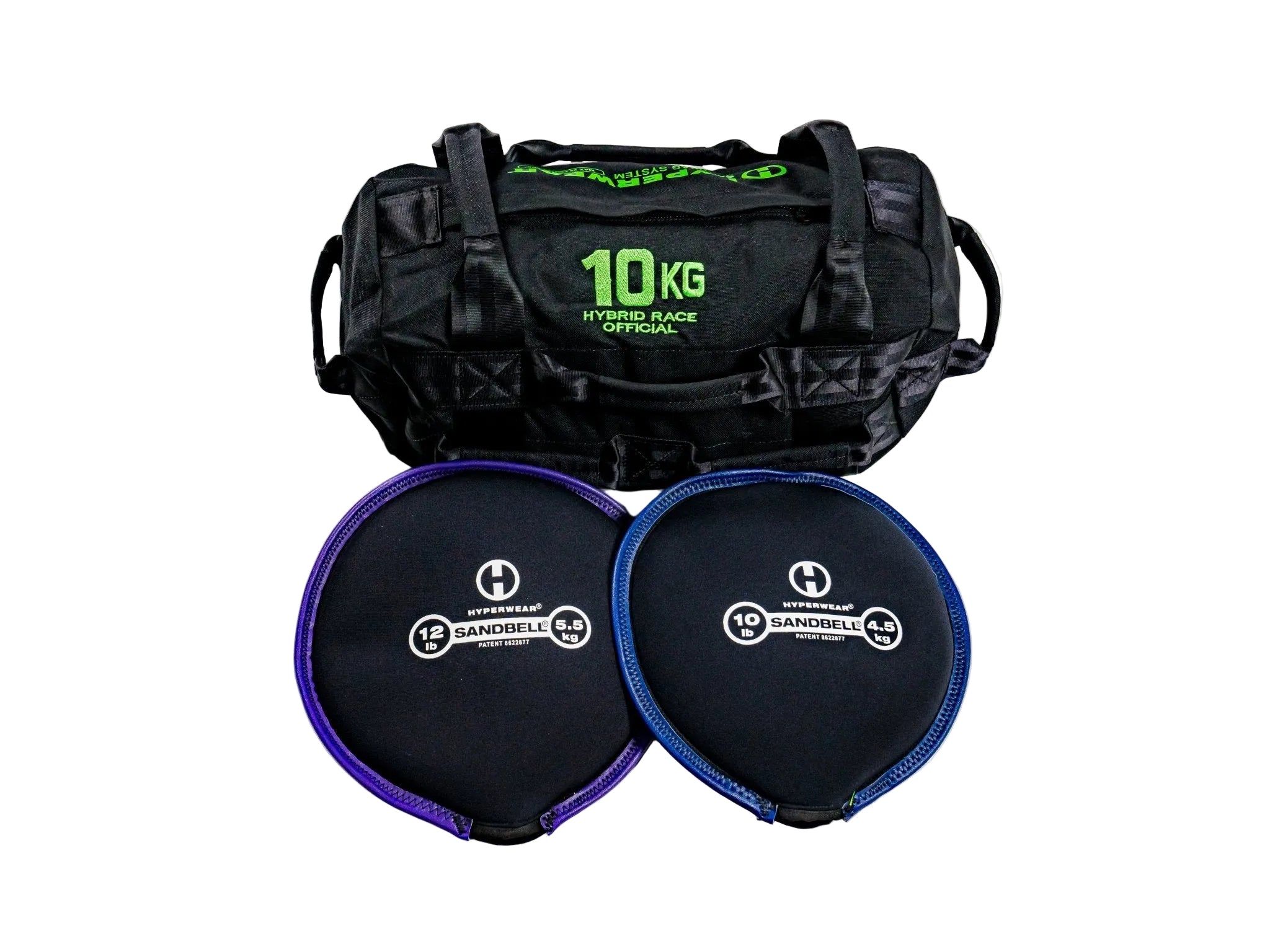
SandBells® for dynamic resistance
-
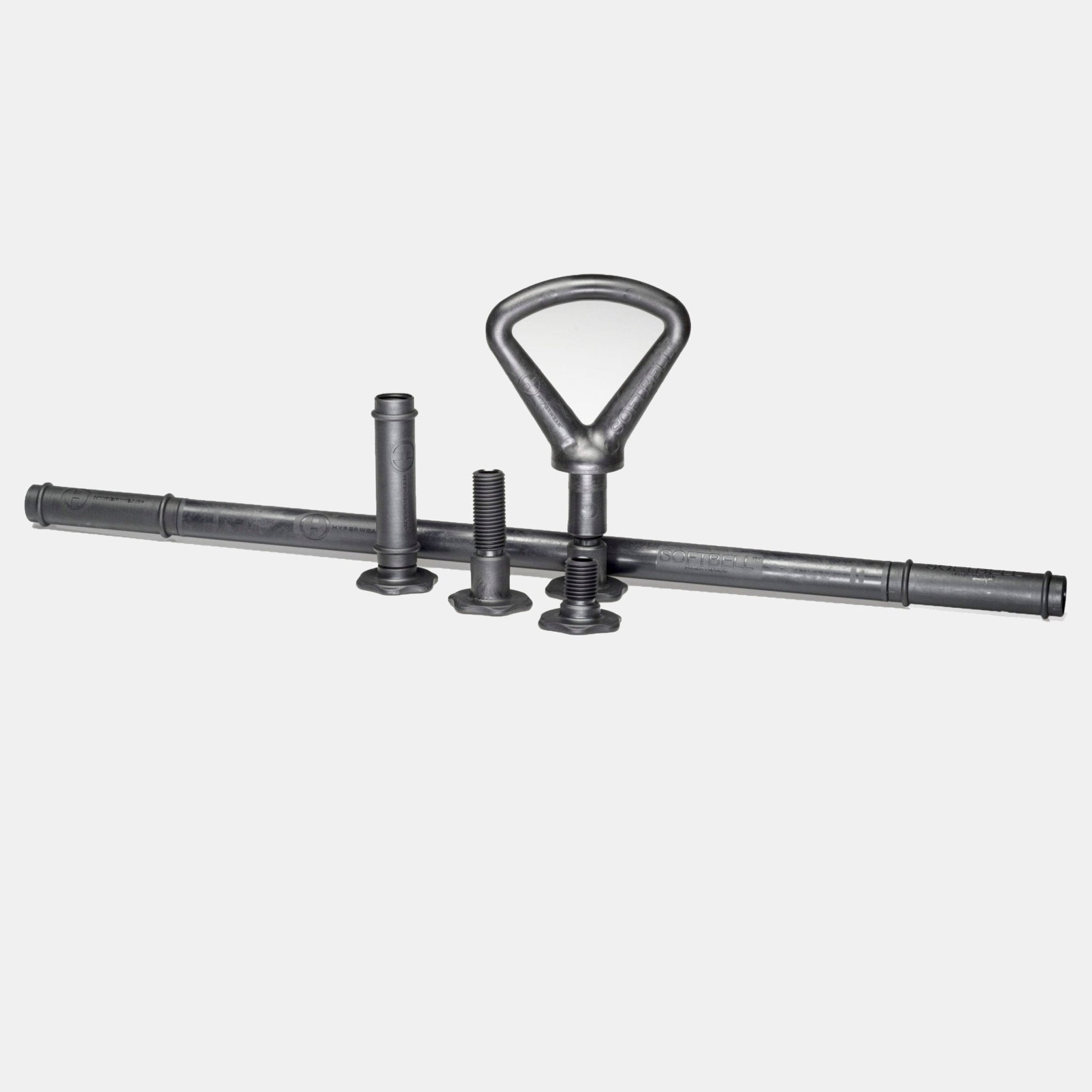
Training systems that prioritize movement, load, and adaptability
Our goal is not shortcuts—it’s helping people build strength they can rely on for life.
Key Takeaways
-
Strength training is foundational to Metabolic Strength™
-
Muscle is a primary regulator of energy use
-
Preserving muscle supports long-term function
-
Strength training improves recovery and adaptability
-
Consistency matters more than intensity
-
Strength built sustainably is strength you keep
Final Thought
Strength training isn’t just about what you can lift today.
It’s about building the metabolic capacity that lets you stay strong tomorrow—and for years to come.
That’s what Get Strong for Life® means.