

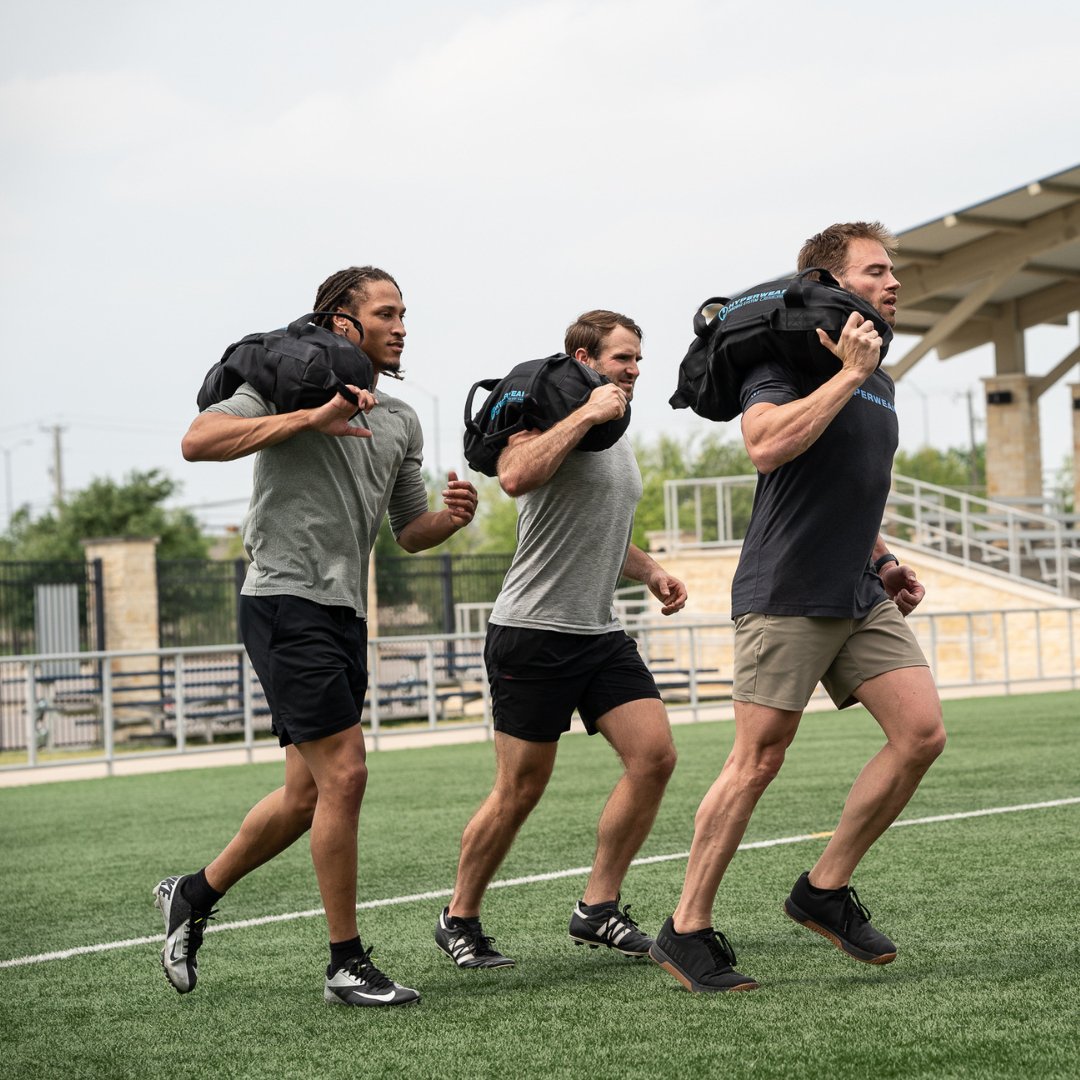

Quick answer: Many beginners should start rucking with 5–10 lb or about 5–10% of body weight. New exercisers may start with an empty backpack first. Active beginners may be comfortable starting around 10–20 lb, but the right ruck weight is the weight you can carry with good posture, normal breathing, and no joint, back, neck, or foot pain.
Start lighter than your ego wants. Cleveland Clinic recommends easing into rucking, starting with a light load, and increasing only one component at a time. The best progression is usually: build time, then distance, then pace or hills, and only then add more weight.
Shop rucking gear | Read the beginner rucking plan | Use the rucking calorie calculator
Rucking weight chart by experience level
Use this chart as a starting point, not a rule. Terrain, distance, pace, footwear, pack fit, and recovery all affect how much weight you should ruck with.
| Experience level | Suggested starting weight | Best next step | Best Hyperwear option |
|---|---|---|---|
| New to exercise | Empty backpack, then 5 lb | Build walking consistency first | Hyper Ruck with very light load |
| Regular walker | 5–10 lb or about 5% body weight | Add time and distance before weight | 6 lb FlexLoad plate |
| Active beginner | 10–20 lb if posture stays strong | Use flat ground and progress gradually | 10 lb FlexLoad plate or pair of 10 lb plates |
| Intermediate rucker | 10–20% of body weight, depending on route | Add hills, pace, or distance one at a time | FlexLoad plates plus Hyper Ruck |
| Advanced rucker | Goal-specific; often heavier than 20% | Use structured training and recovery | Hyper Ruck, plates, SandBell, or SteelBell |
Rucking weight chart by body weight
The 5% column is a conservative starting point for many beginners. The 10% column is a common beginner-to-active-beginner range. Higher percentages are better reserved for experienced ruckers, shorter workouts, strength-focused sessions, or event preparation.
| Body weight | 5% conservative start | 10% active beginner | 15% intermediate | 20% advanced |
|---|---|---|---|---|
| 100 lb | 5 lb | 10 lb | 15 lb | 20 lb |
| 125 lb | 6 lb | 12 lb | 19 lb | 25 lb |
| 150 lb | 7.5 lb | 15 lb | 22.5 lb | 30 lb |
| 175 lb | 9 lb | 17.5 lb | 26 lb | 35 lb |
| 200 lb | 10 lb | 20 lb | 30 lb | 40 lb |
| 225 lb | 11 lb | 22.5 lb | 34 lb | 45 lb |
| 250 lb | 12.5 lb | 25 lb | 37.5 lb | 50 lb |
Important: this chart is not a race to the heaviest column. A 20% ruck can be a meaningful advanced load for some people and too much for others. If your posture, stride, breathing, or joint comfort changes, reduce the weight.
How much weight should a beginner ruck with?
For most beginners, start with 5–10 lb or about 5–10% of body weight. If you are new to exercise or returning after a long break, start with unloaded walking or an empty backpack first.
Cleveland Clinic notes that even people who regularly strength train should avoid going too heavy at the start, because lifting weights in the gym is not the same as carrying weight on your back for several miles. They give the example of starting with 5 lb and working up.
Use this beginner test:
- You can walk 20–30 minutes on flat ground.
- Your posture stays upright.
- Your stride feels natural.
- Your pack does not bounce, slide, or pull you backward.
- Your feet, knees, hips, back, neck, and shoulders feel good afterward.
If you cannot pass those checks, the weight is too heavy for your current rucking plan.
How much weight should you ruck with for weight loss?
For weight loss, the best rucking weight is not the heaviest load you can carry once. It is the load you can use consistently while maintaining good form and recovering well.
Start with 5–10% of body weight or a light plate. After several comfortable weeks, you can increase time, distance, pace, or weight. Rucking may increase the energy cost of walking because you are carrying added load, but calorie burn still depends on body weight, load, speed, terrain, and time.
Estimate calories burned rucking
How much weight should you ruck with for fitness or endurance?
For general fitness and endurance, start with a load that lets you stay consistent. A good early range is 5–10% of body weight. Once you can ruck comfortably for 30–45 minutes, increase one variable at a time.
| Goal | Weight guidance | Progression priority |
|---|---|---|
| General fitness | 5–10% body weight | Consistency and weekly volume |
| Endurance | Light-to-moderate load | Longer time and distance |
| Hills | Use less weight than flat-ground rucking | Elevation before load |
| Faster pace | Use a lighter load | Pace without stride breakdown |
| Strength emphasis | Moderate-to-heavy load for experienced users | Shorter routes and strong recovery |
10 lb vs 20 lb vs 30 lb ruck: which should you choose?
The same number means something different for different people. A 20 lb ruck is 10% of body weight for a 200 lb person, but about 17% of body weight for a 120 lb person. Choose weight by body size, experience, and route, not by the number alone.
| Ruck weight | Best for | Watch out for |
|---|---|---|
| 5–6 lb | New exercisers, first rucks, returning after time off | May feel too light for active users, but that is okay at first |
| 9–10 lb | Regular walkers, lighter beginner rucks, women’s beginner rucking, longer beginner walks | Still build time and distance before weight |
| 20 lb | Active beginners, larger users, intermediate ruckers, shorter fitness rucks | Can be too much for smaller or new users |
| 30 lb | Intermediate and advanced ruckers, event prep, strength-focused rucks | Not a good default beginner load |
| 40–45 lb+ | Advanced training, challenge workouts, specific events | Requires strong progression, recovery, and form |
Why adjustable ruck plates help beginners
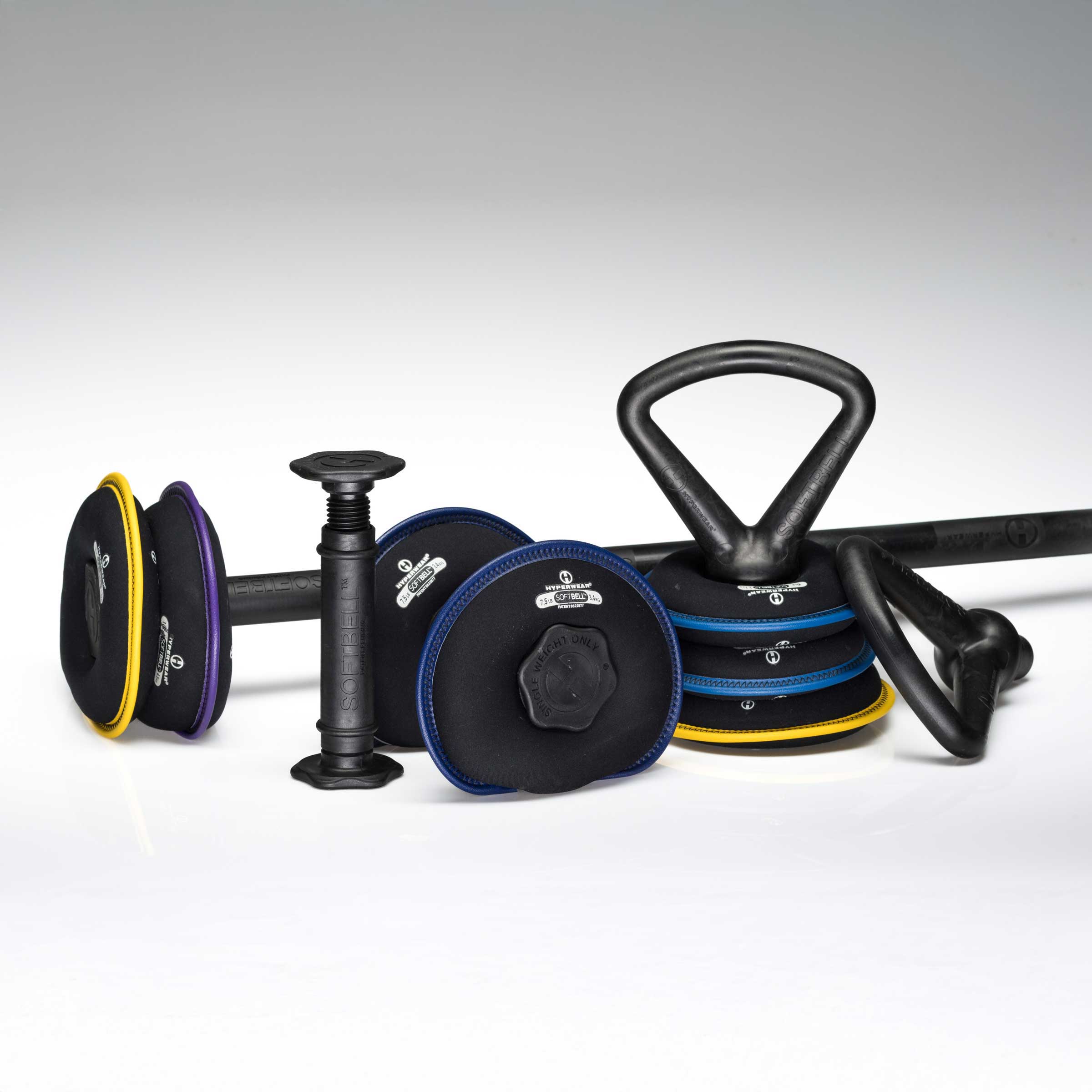
One problem with fixed ruck plates is that the jumps can be too large. Going from 10 lb to 20 lb doubles the load. Going from 20 lb to 30 lb is still a major jump. For beginners, smaller increases are usually better.
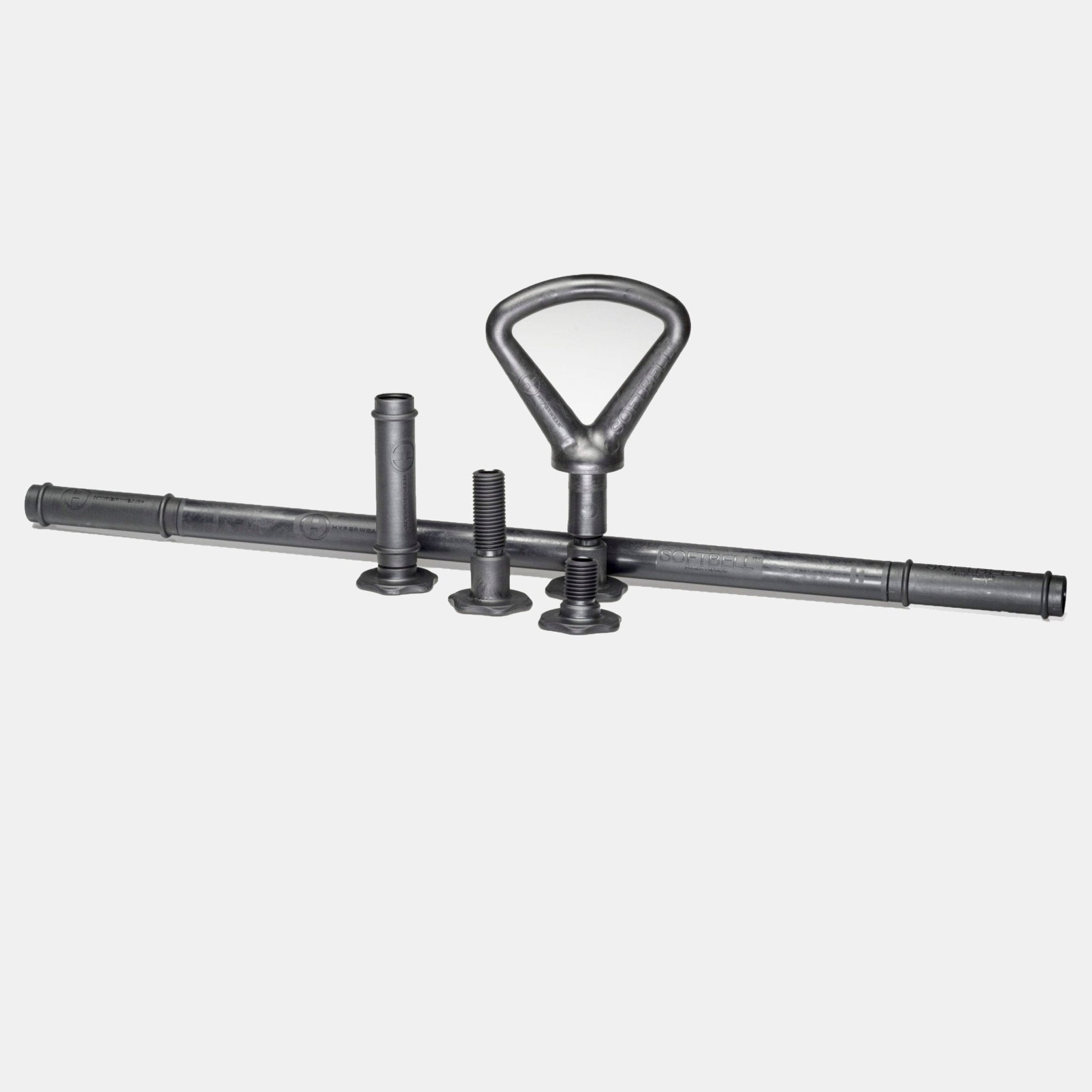
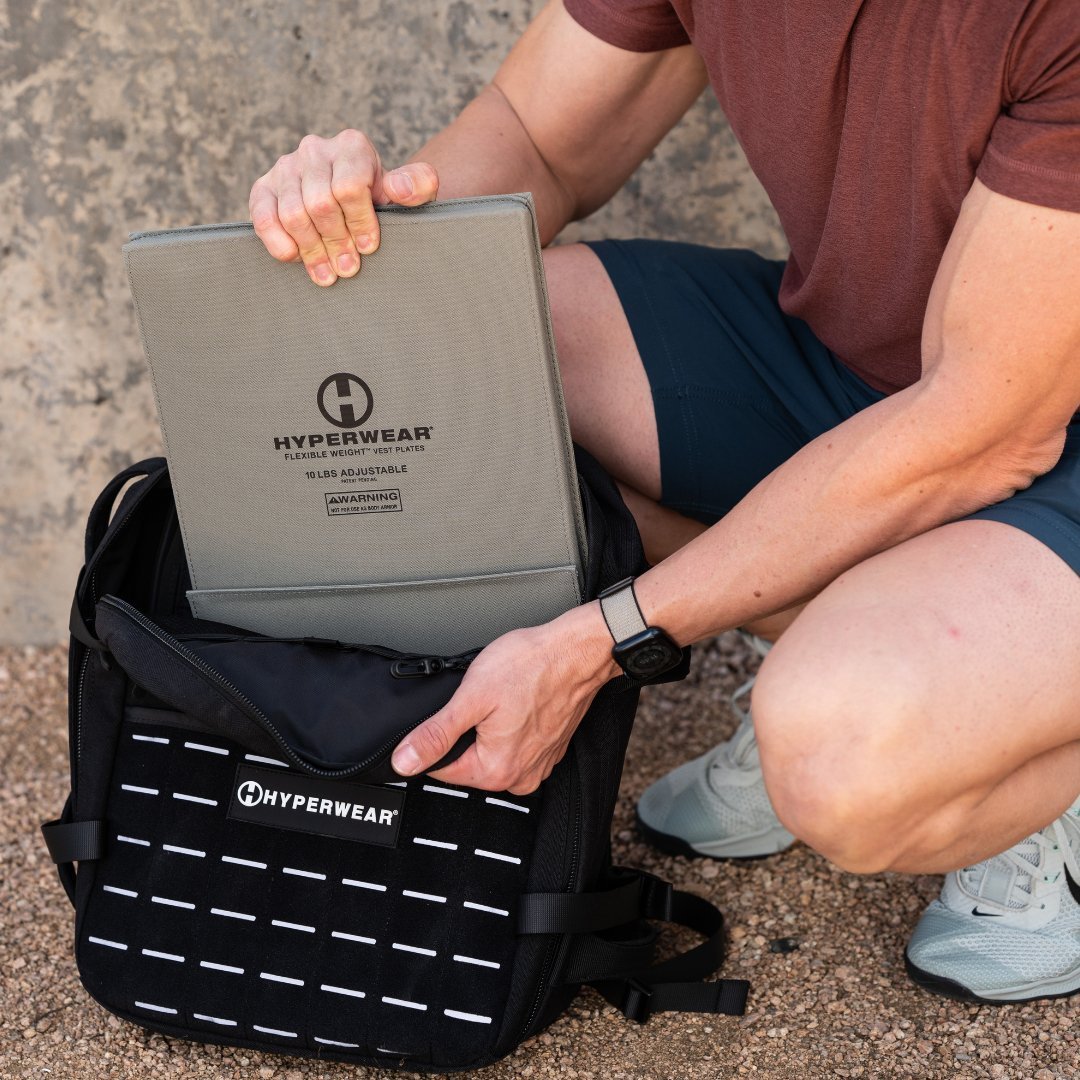
Hyperwear FlexLoad rucking plates are available in 6 lb, 9 lb, and 10 lb options and adjust in 1/2-lb increments. They are flexible, compatible with Hyper Ruck and Hyper Vest TAC, and sized for rucks or backpacks that hold plates 12.25 x 10.5 x 0.75 inches or smaller.
| FlexLoad option | Best use | Progression idea |
|---|---|---|
| 6 lb single | New ruckers, light starts, smaller users | Build toward 9–10 lb over time |
| 9 lb single | Regular walkers and light-to-moderate beginner rucks | Add 1/2-lb increments as sessions feel easy |
| 10 lb single | Active beginners and general fitness rucks | Build time and distance before adding a second plate |
| 10 lb pair | 20 lb total load for active or intermediate users | Use only after adapting to lighter loads |
How to load your ruck safely
A good ruck weight is not just about pounds. It is also about where the weight sits. Cleveland Clinic explains that rucksacks are designed to hold weight higher and tighter on the back, while loose items in regular backpacks can shift, poke, or pull the pack downward.
Use these loading rules:
- Keep weight high and close to your back.
- Stop loose objects from bouncing or sliding.
- Use padded sleeves or ruck plates when possible.
- Use the sternum strap and waist strap if your pack has them.
- Do not let the load pull your shoulders backward or your torso forward.
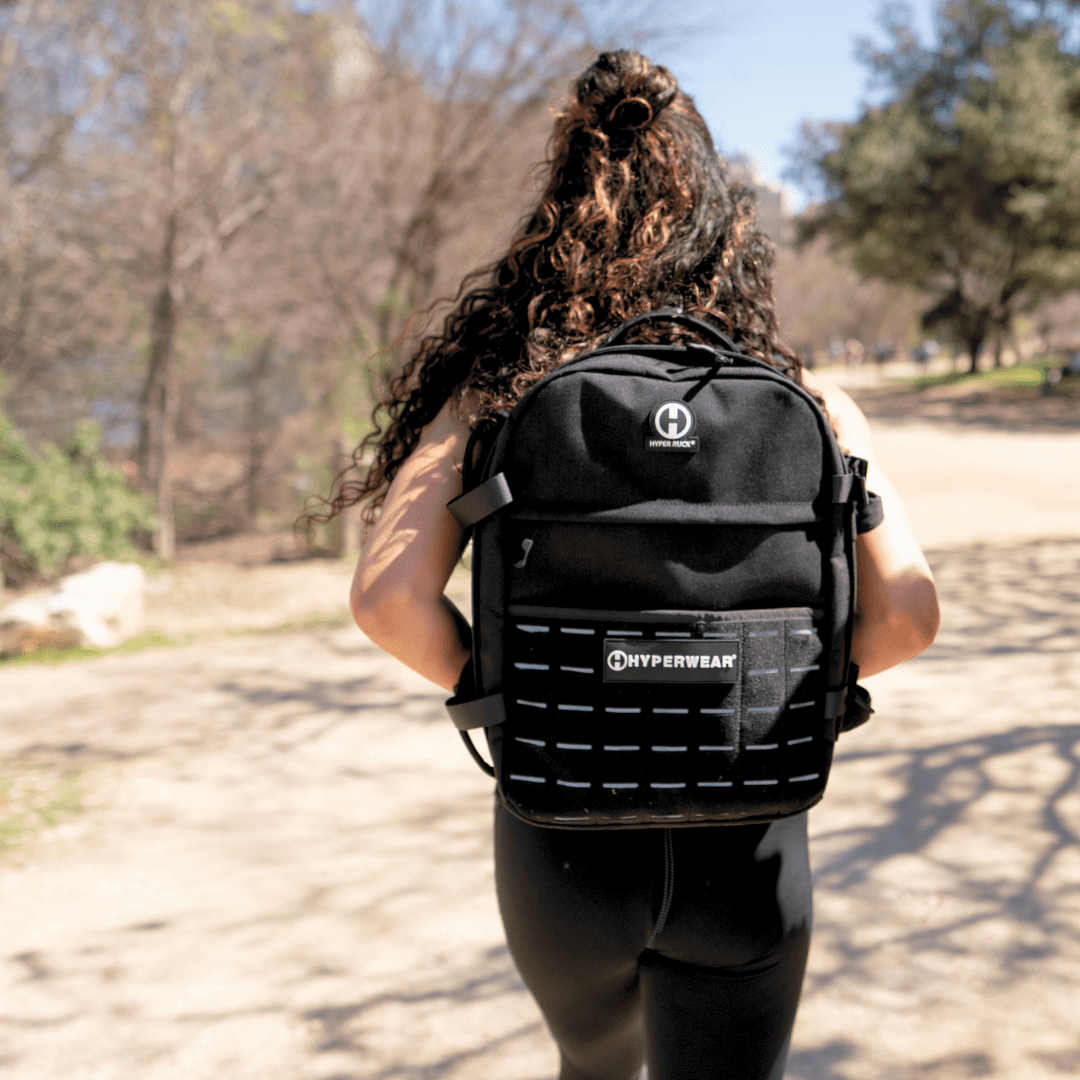
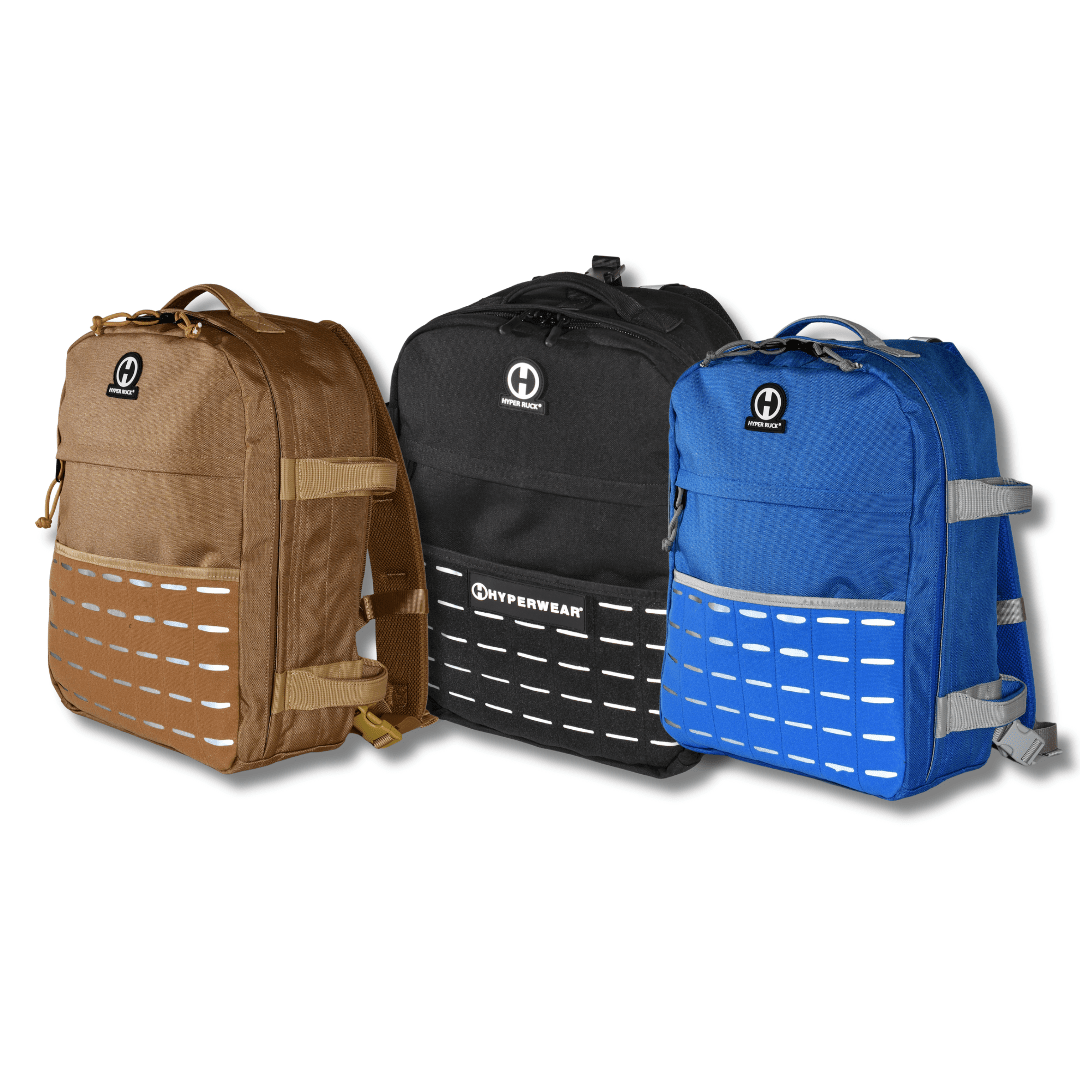
The Hyper Ruck has three elevated padded sleeves for laptop, FlexLoad plates, or iron ruck plates; a rigid frame sheet back panel for load stability; 20L capacity; hydration-ready storage; wide padded shoulder straps; a sternum strap; and a removable waist strap.
When should you add more ruck weight?
Add weight only after your current ruck feels controlled for multiple sessions. Cleveland Clinic recommends increasing one component at a time by about 10% per week depending on fitness level and goals. That component could be weight, time, distance, or pace, but not all at once.
| Signal | What it means | Next step |
|---|---|---|
| You can ruck 30–45 minutes on flat ground with good posture | Your current load is appropriate | Add time or distance before load |
| You recover well the next day | Your body is tolerating the training | Repeat before progressing |
| Your pack bounces, slides, or pulls you backward | The load is unstable or too heavy | Refit the pack or reduce weight |
| Your knees, hips, back, neck, feet, or shoulders hurt | Load, terrain, distance, or pace is too aggressive | Reduce load or return to unloaded walking |
| You have 2–4 comfortable weeks | You may be ready for a small increase | Add 1/2–2 lb if using adjustable weights |
Signs your ruck is too heavy
- You lean forward or backward to compensate.
- Your shoulders, neck, or lower back hurt during the walk.
- Your knees, hips, ankles, or feet feel painful instead of just challenged.
- Your stride changes or you shuffle.
- You cannot keep a comfortable breathing rhythm.
- The pack bounces or shifts with each step.
- You feel unusually sore for multiple days after a short ruck.
If any of these happen, reduce the weight, shorten the route, choose flatter terrain, or take more recovery.
Rucking backpack or weighted vest: does it change the weight?
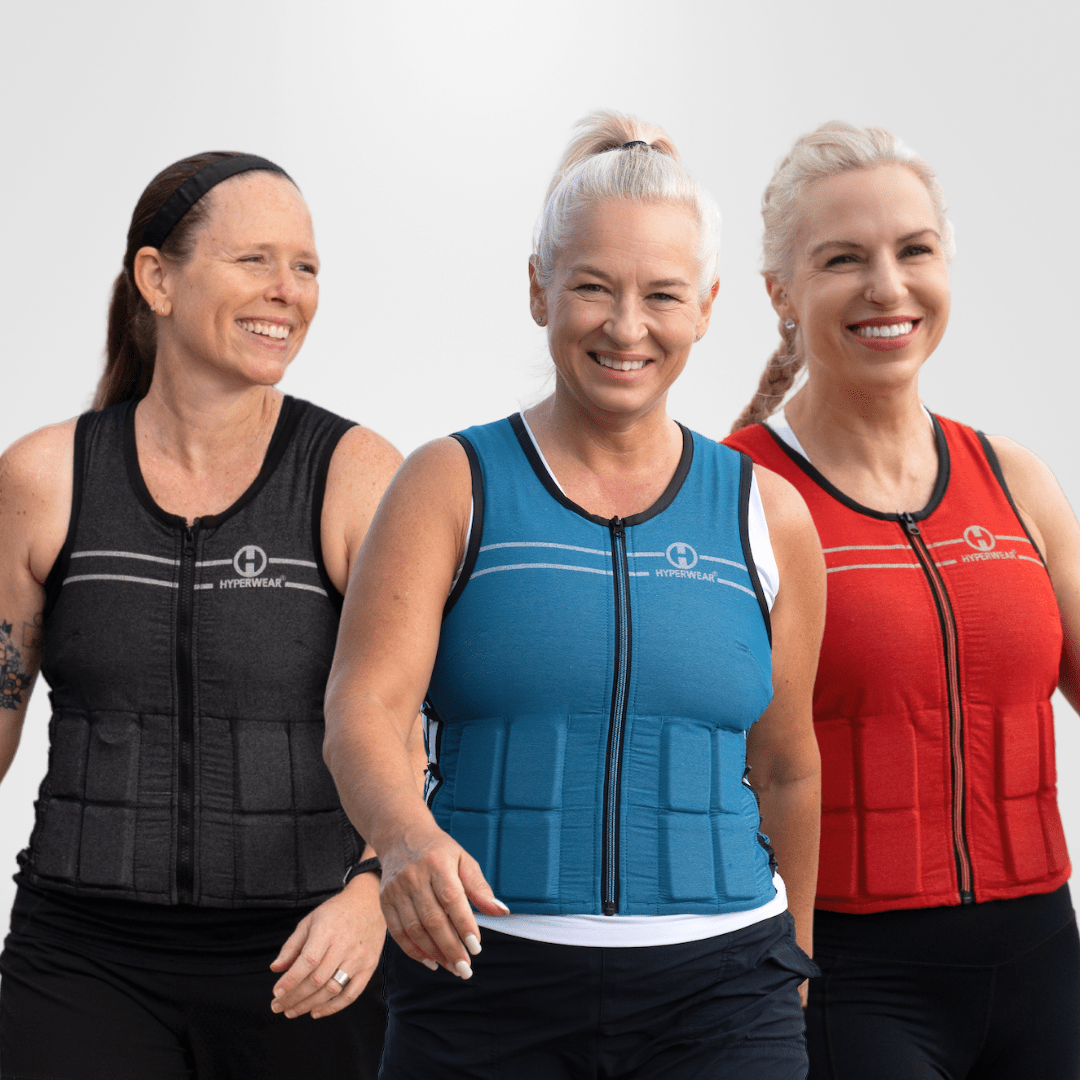
Yes. A backpack puts most of the weight behind you. A weighted vest distributes weight around your torso. For traditional rucking, a backpack or ruck is usually the better choice because it supports heavier loads, storage, hydration, and event-style training. For lighter weighted walking, stairs, or bodyweight workouts, a weighted vest can be more balanced and convenient.
For the same total weight, a vest and backpack may feel different. Start lighter whenever you change equipment.
Best Hyperwear gear by rucking weight goal
| Goal | Best Hyperwear gear | Why |
|---|---|---|
| Light beginner rucking | Hyper Ruck + 6 lb FlexLoad plate | Stable carry plus a manageable starting load. |
| General fitness rucking | Hyper Ruck + 9 or 10 lb FlexLoad plate | Good entry point for regular walkers and active beginners. |
| Progressive loading | FlexLoad plates | Adjusts in 1/2-lb increments for gradual progression. |
| 20 lb rucking | Pair of 10 lb FlexLoad plates | Useful for active and intermediate ruckers after lighter progression. |
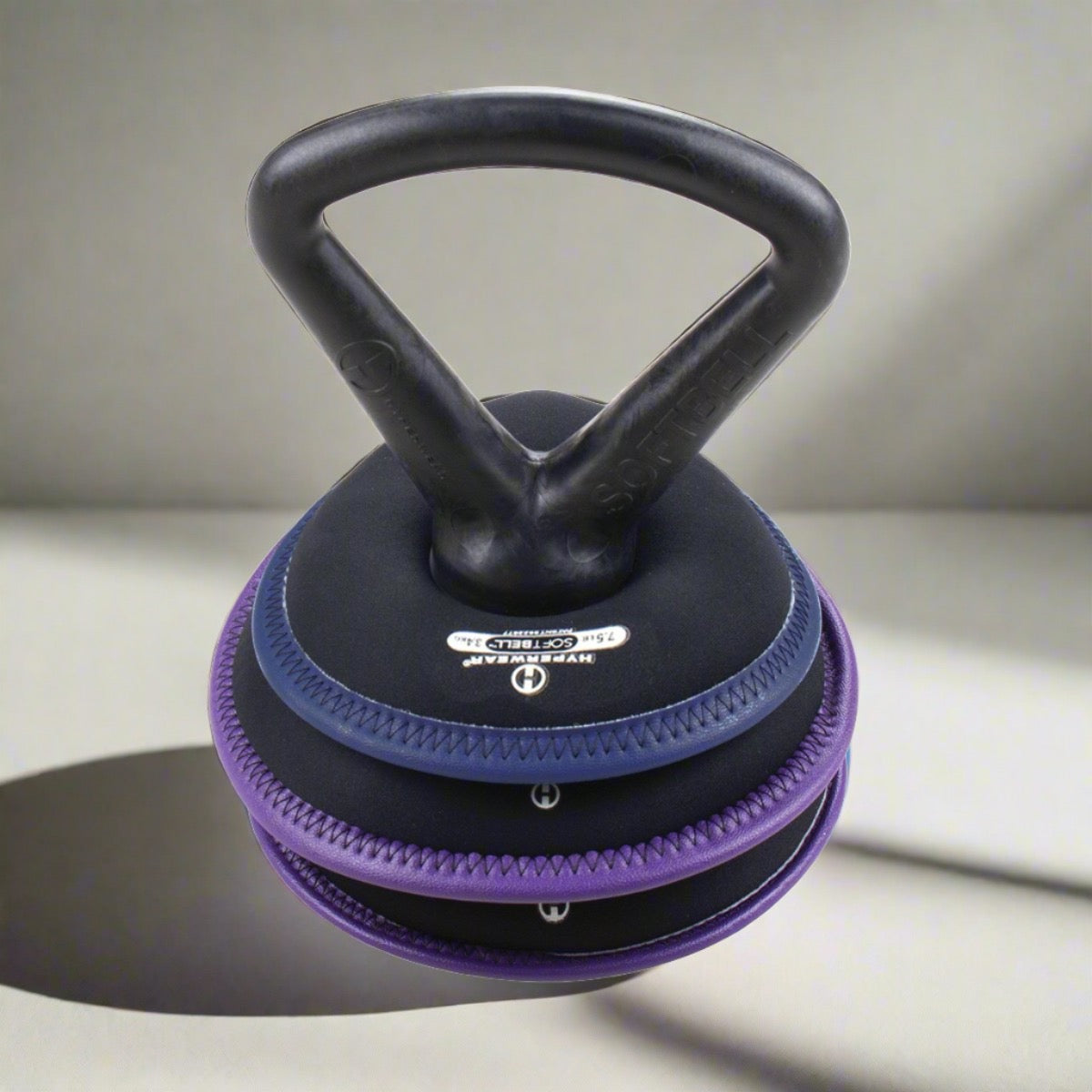
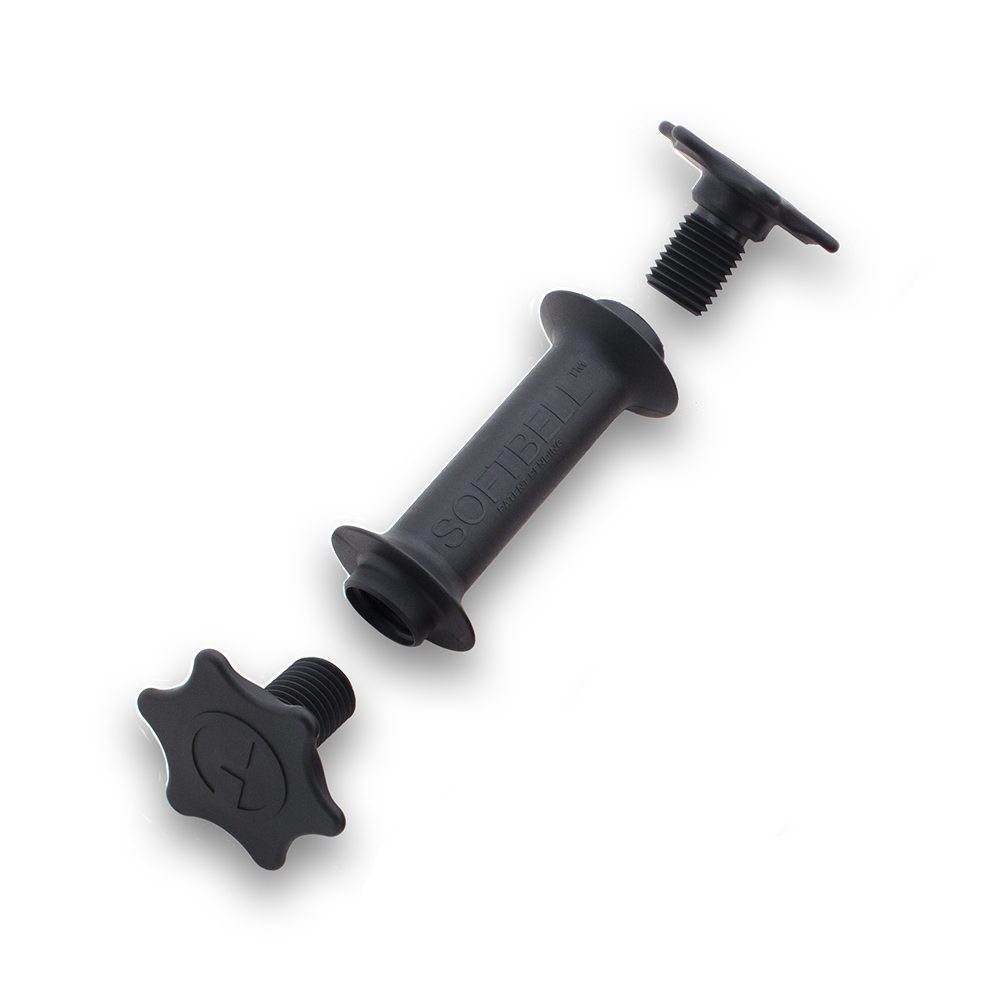
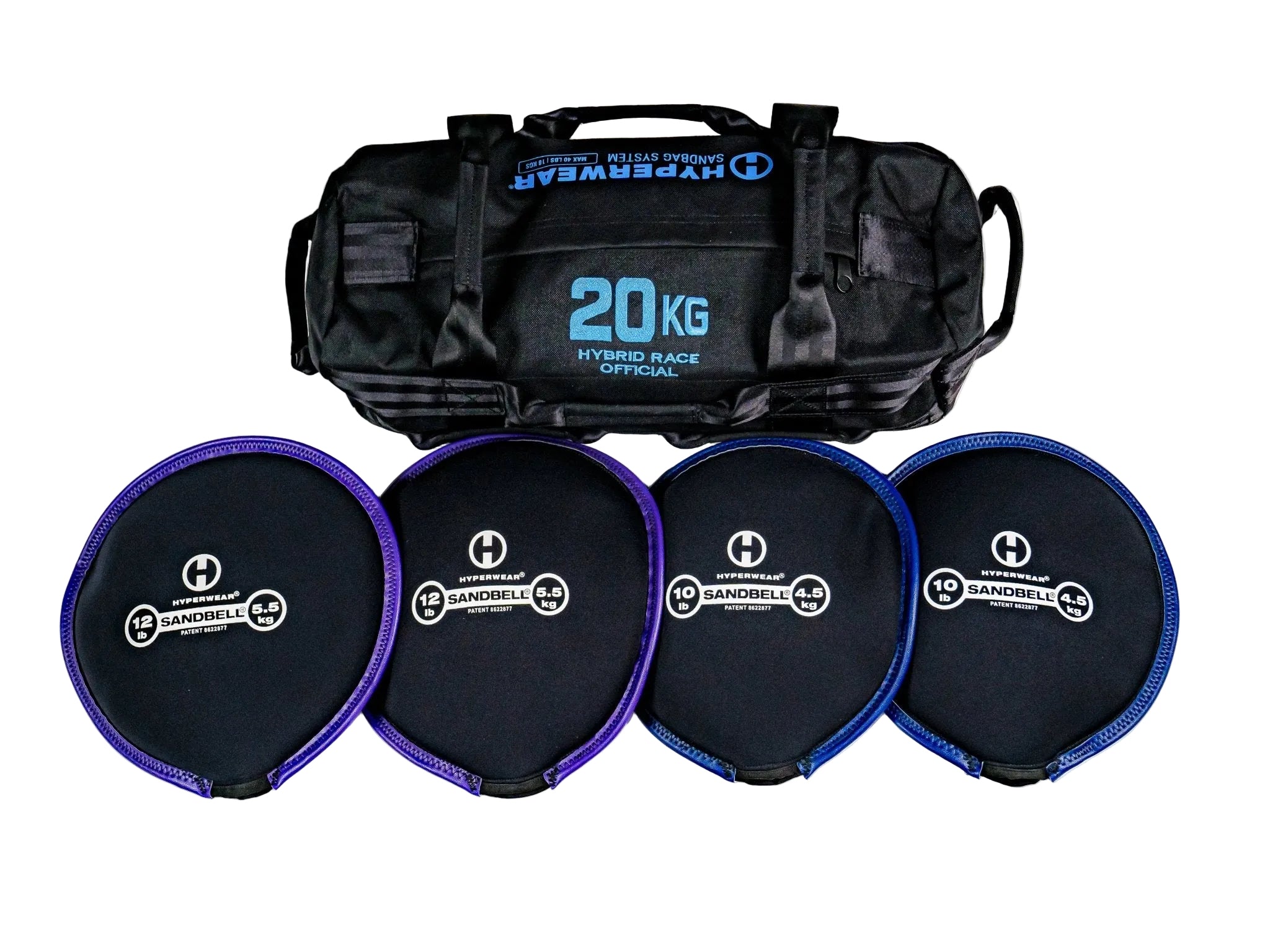
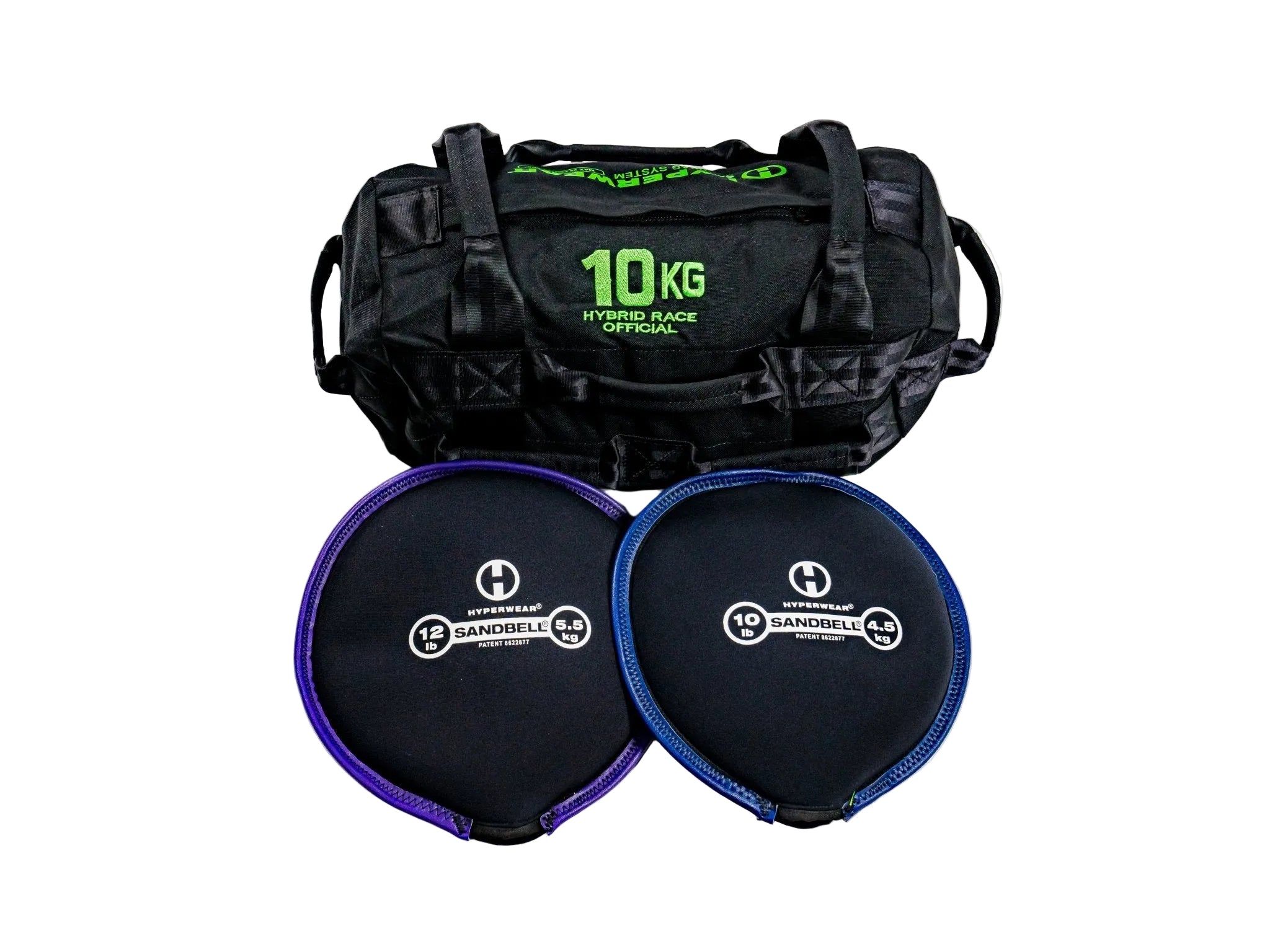
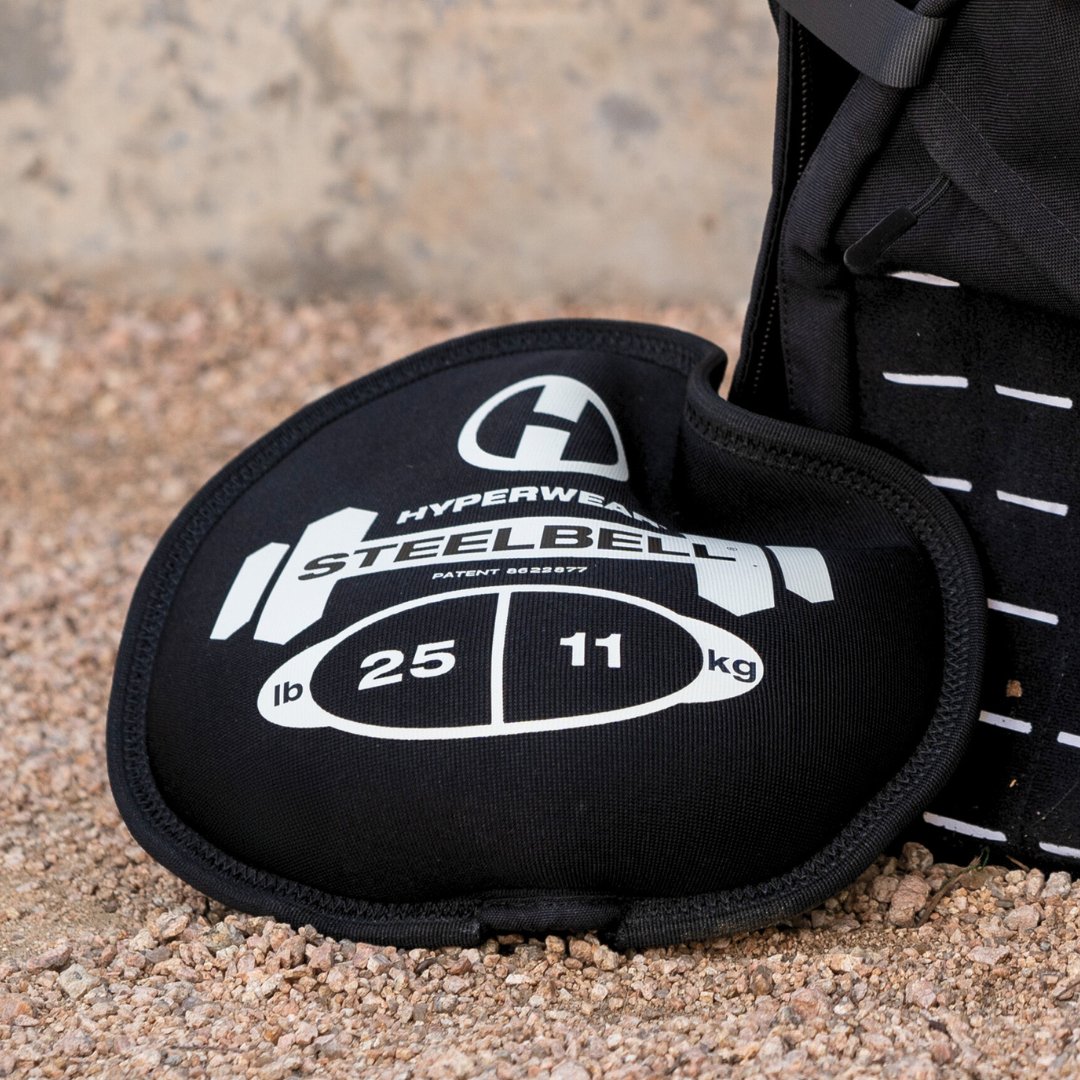
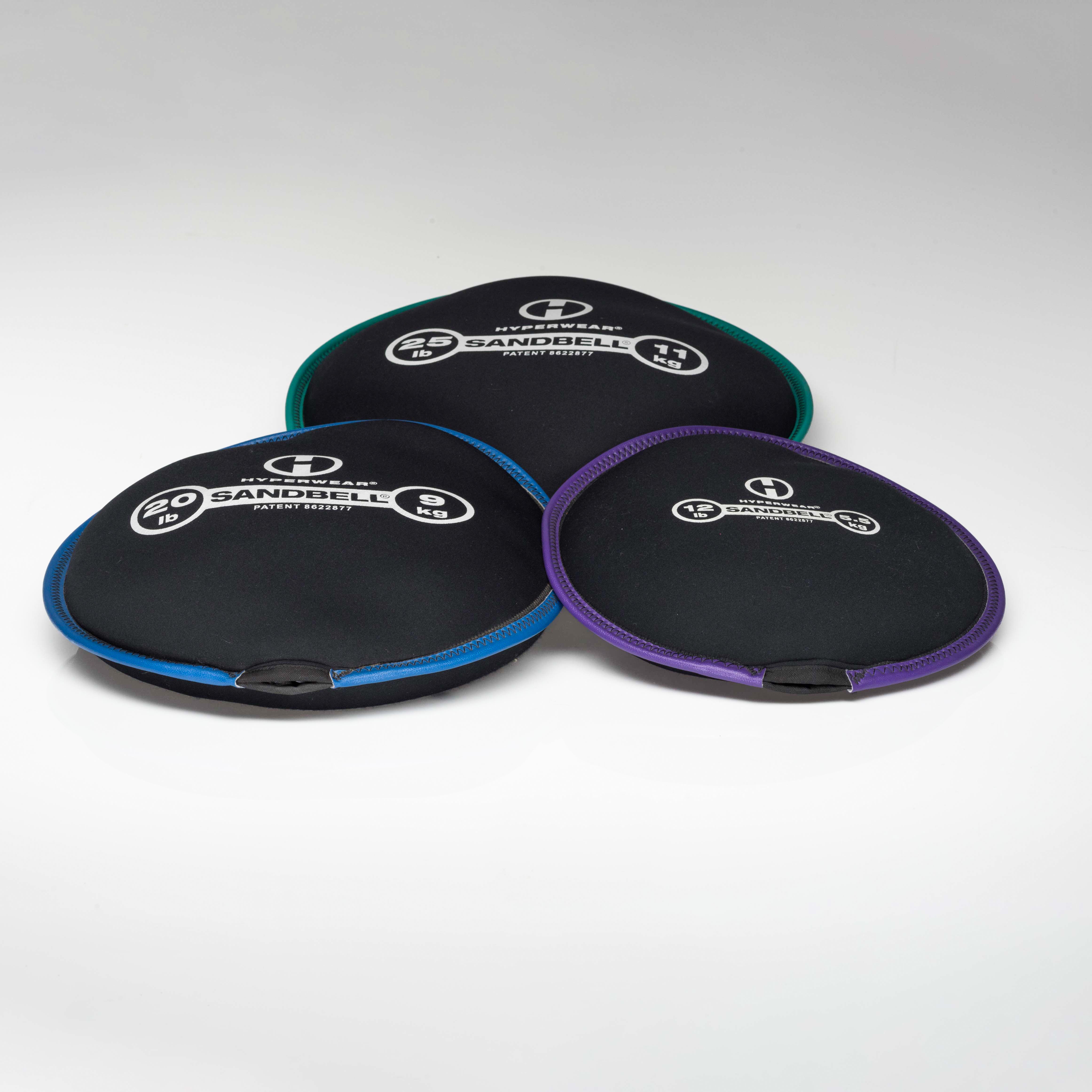
| Heavier rucks | Hyper Ruck plus plates, SandBell, or SteelBell | Hyper Ruck is built for stable rucking and multiple loading options. |
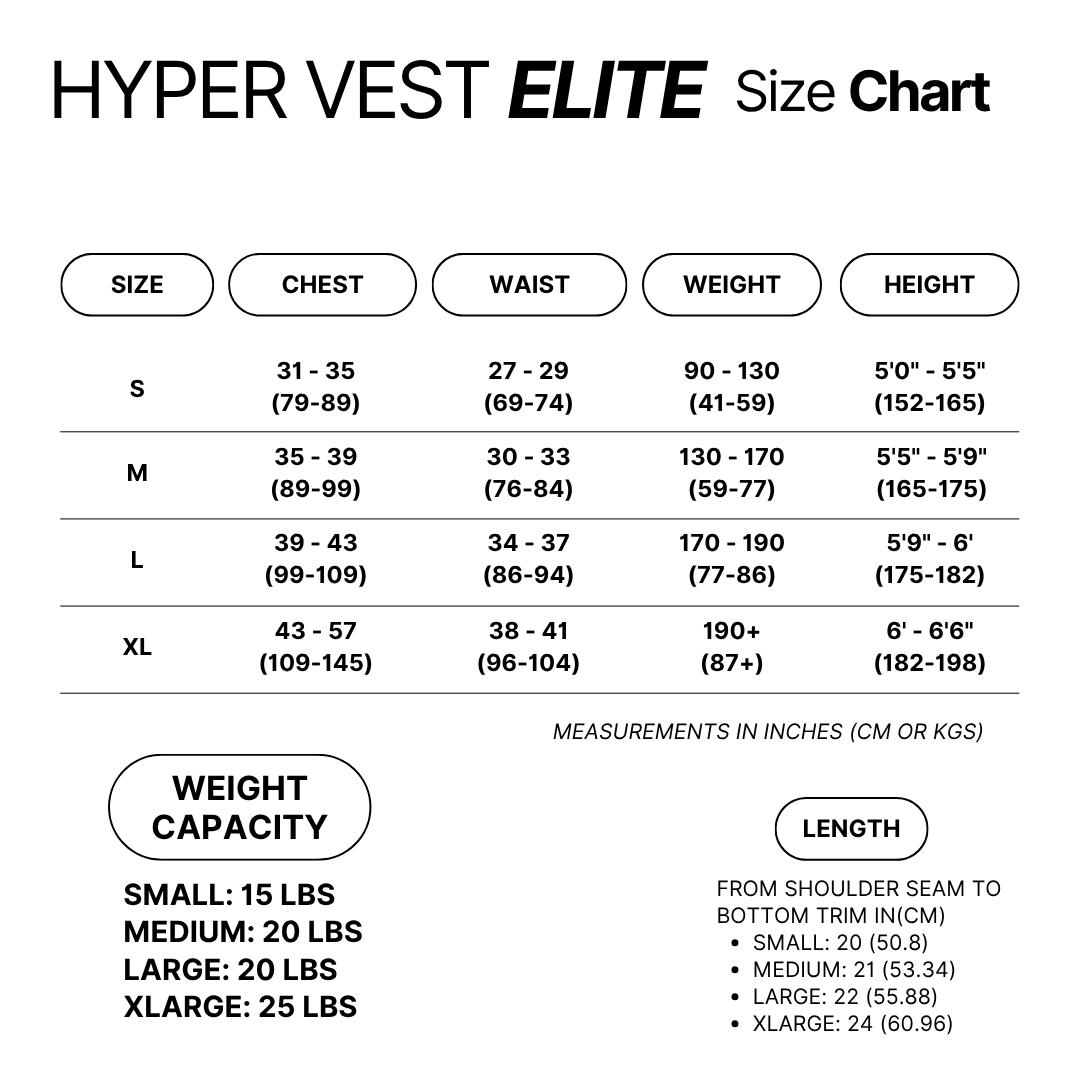
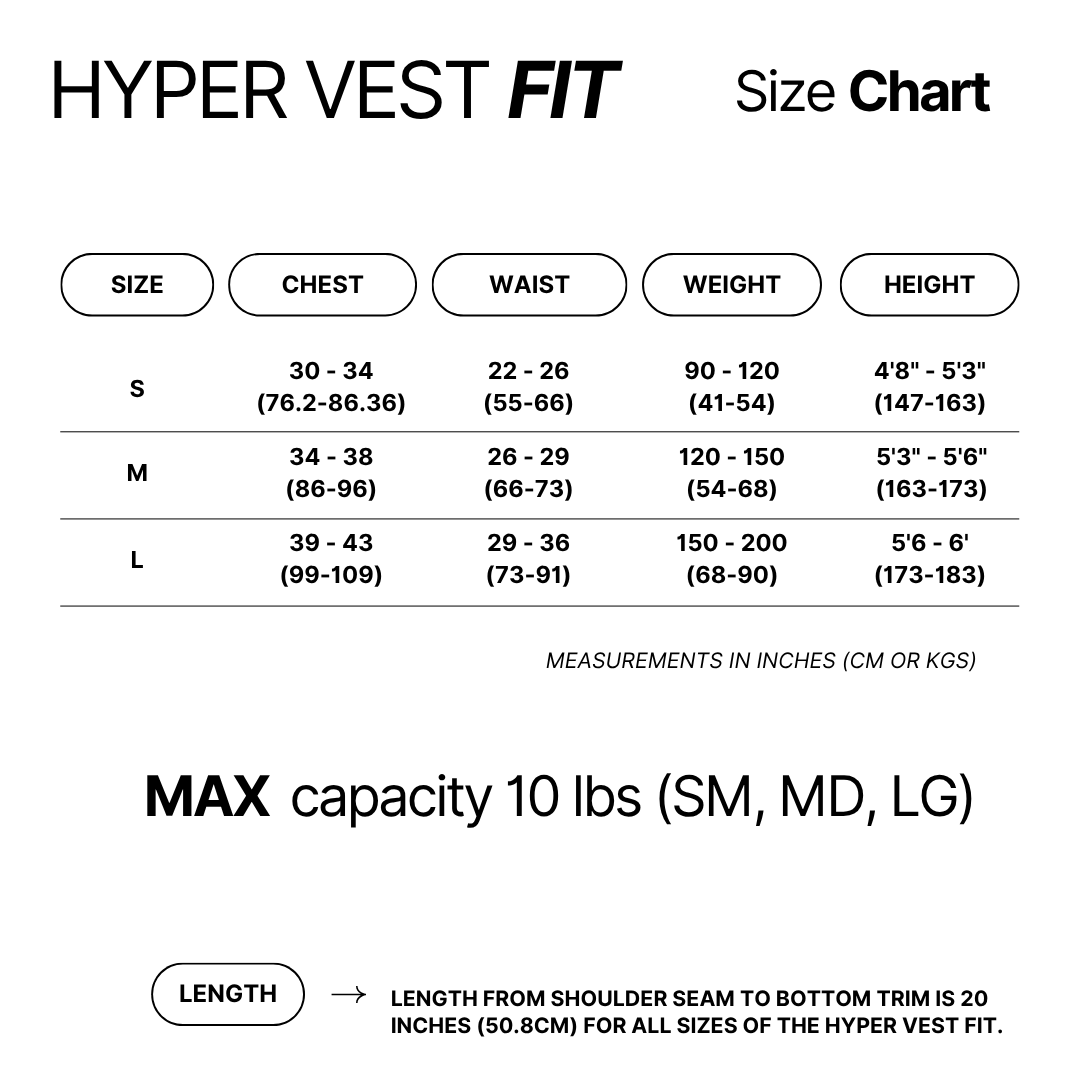
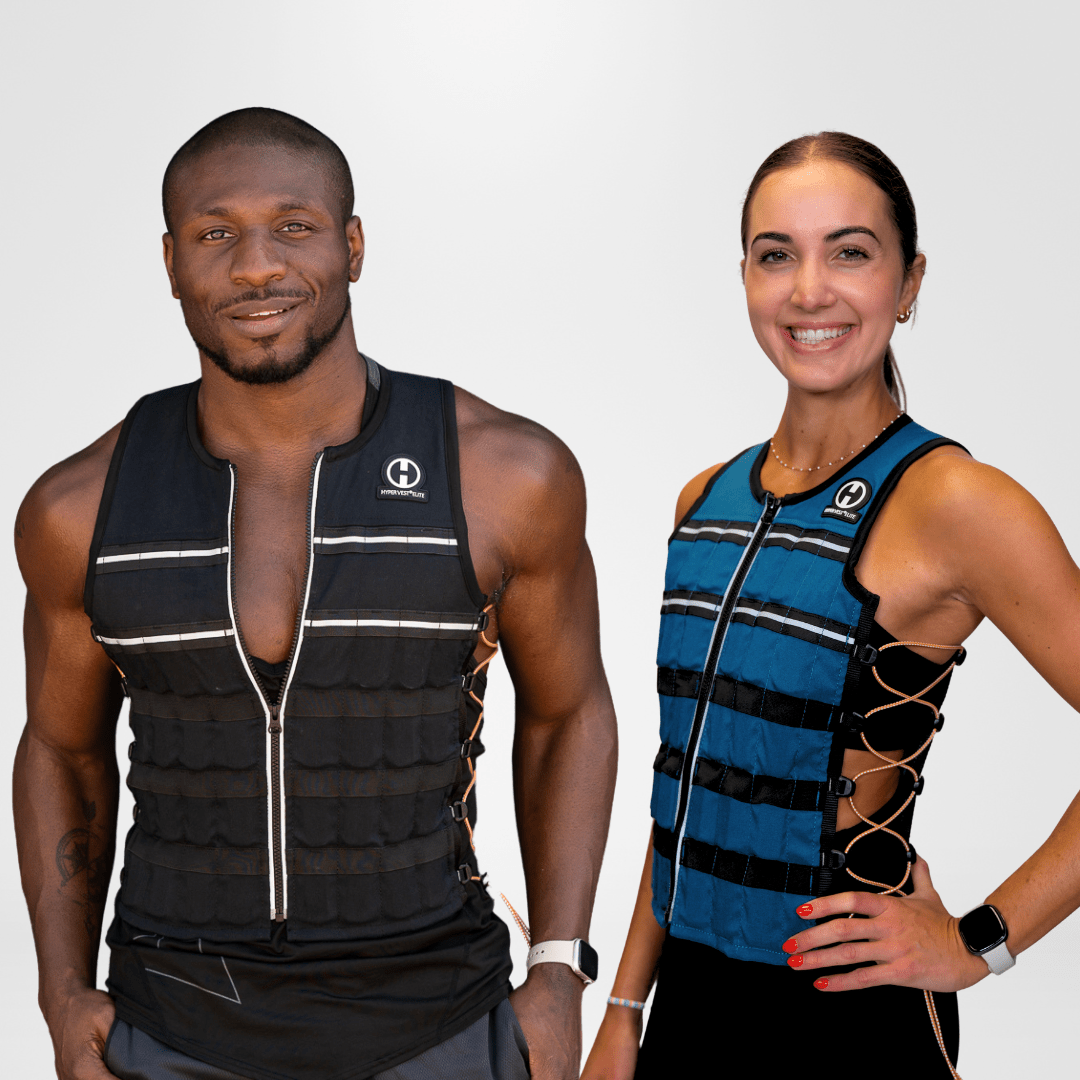
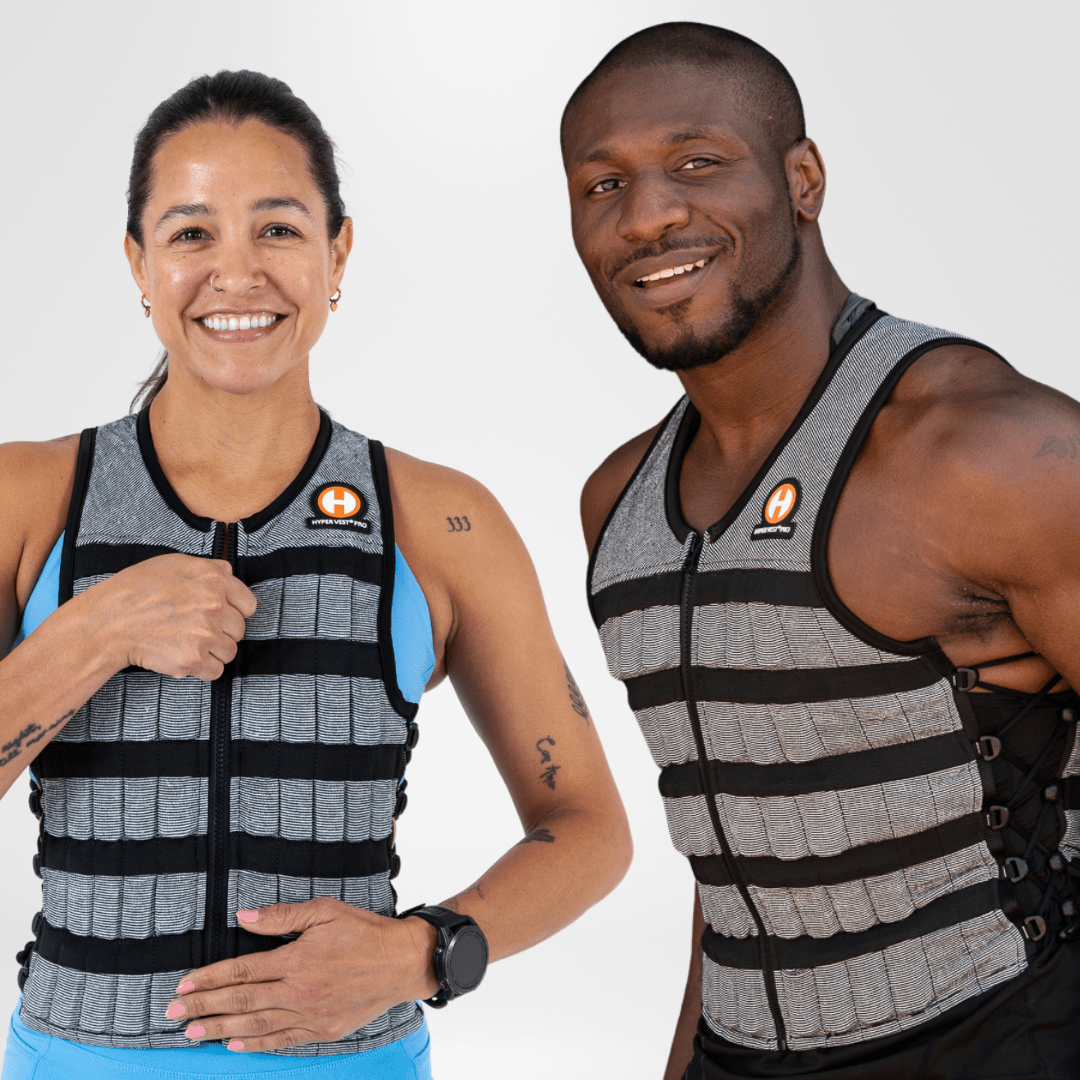
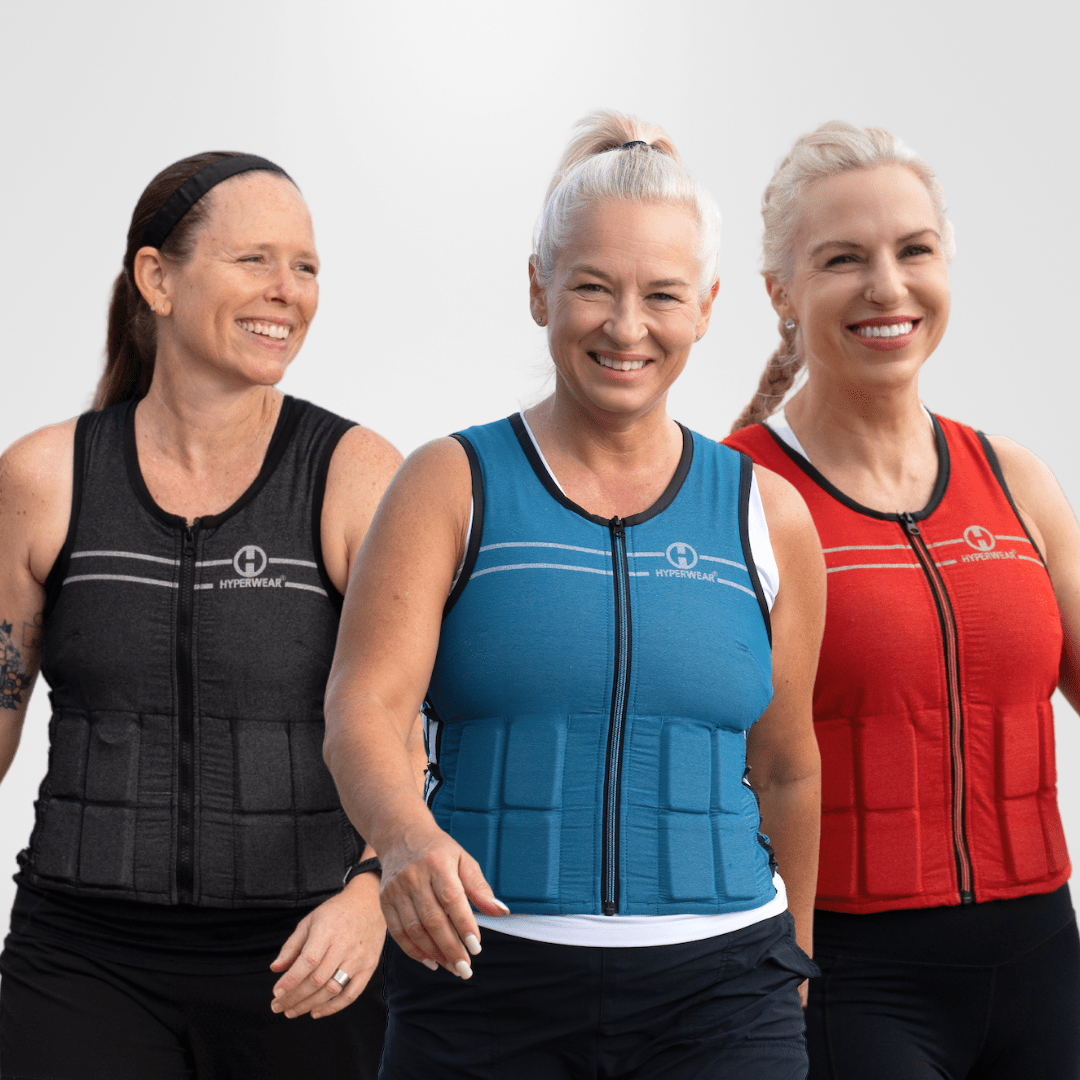
| Weighted walking alternative | Hyperwear weighted vest | Balanced torso loading for lighter walking workouts. |
FAQs: how much weight to ruck with
How much weight should I ruck with?
Many beginners should start with 5–10 lb or about 5–10% of body weight. Active beginners may start around 10–20 lb if posture, stride, breathing, and joint comfort stay normal.
What is a good rucking weight for beginners?
A good beginner rucking weight is light enough that you can walk 20–30 minutes on flat ground without pain or posture changes. For some people that is an empty backpack or 5 lb. For others it may be 10 lb or more.
Is 20 lb a good rucking weight?
Twenty pounds can be a good rucking weight for active beginners or intermediate users, especially larger users. It may be too heavy for smaller users, new exercisers, or long routes. Build up to it gradually.
Is 30 lb too much for rucking?
Thirty pounds is usually too much for a first ruck. It may be appropriate for intermediate or advanced ruckers, shorter strength-focused rucks, or event training, but it should not be the default beginner load.
How much weight should I ruck with for weight loss?
Use a weight you can carry consistently with good form. Start with 5–10% of body weight and increase time or distance before weight. Heavier is not better if it shortens the workout or causes pain.
How often should I increase ruck weight?
Increase only after several comfortable sessions. A practical approach is to increase one variable at a time by about 10% per week or less, depending on fitness level and recovery.
Should I increase weight or distance first?
Increase time or distance first. Once you can ruck comfortably with normal posture and no joint discomfort, add small amounts of weight.
What is the best ruck plate weight to start with?
Many beginners should start with a 6 lb or 10 lb plate depending on body size and fitness level. Adjustable plates are helpful because they allow smaller increases than fixed-weight plates.
Start with the right rucking weight
The best ruck weight is the one that lets you train consistently. Start light, keep the weight stable, and earn every increase through comfortable sessions. Hyperwear gear makes that progression easier because you can choose a rucking backpack, adjustable plates, flexible weights, or weighted vest options based on your goal.
- Hyper Ruck for rucking, strength training, and everyday carry
- FlexLoad rucking plates for adjustable 1/2-lb progression
- Rucking gear collection to compare backpacks, plates, vests, SandBell, and SteelBell options
- Rucking calorie calculator to estimate calories burned by body weight, load, speed, and time
Sources and further reading
- Cleveland Clinic: Should You Add Rucking to Your Workout?
- Boffey et al.: The Physiology and Biomechanics of Load Carriage Performance
- Hyperwear: What Is Rucking?
- Hyperwear: How to Start Rucking
- Hyperwear: Rucking gear and weights
- Hyperwear: Hyper Ruck rucking backpack
- Hyperwear: FlexLoad rucking plates