

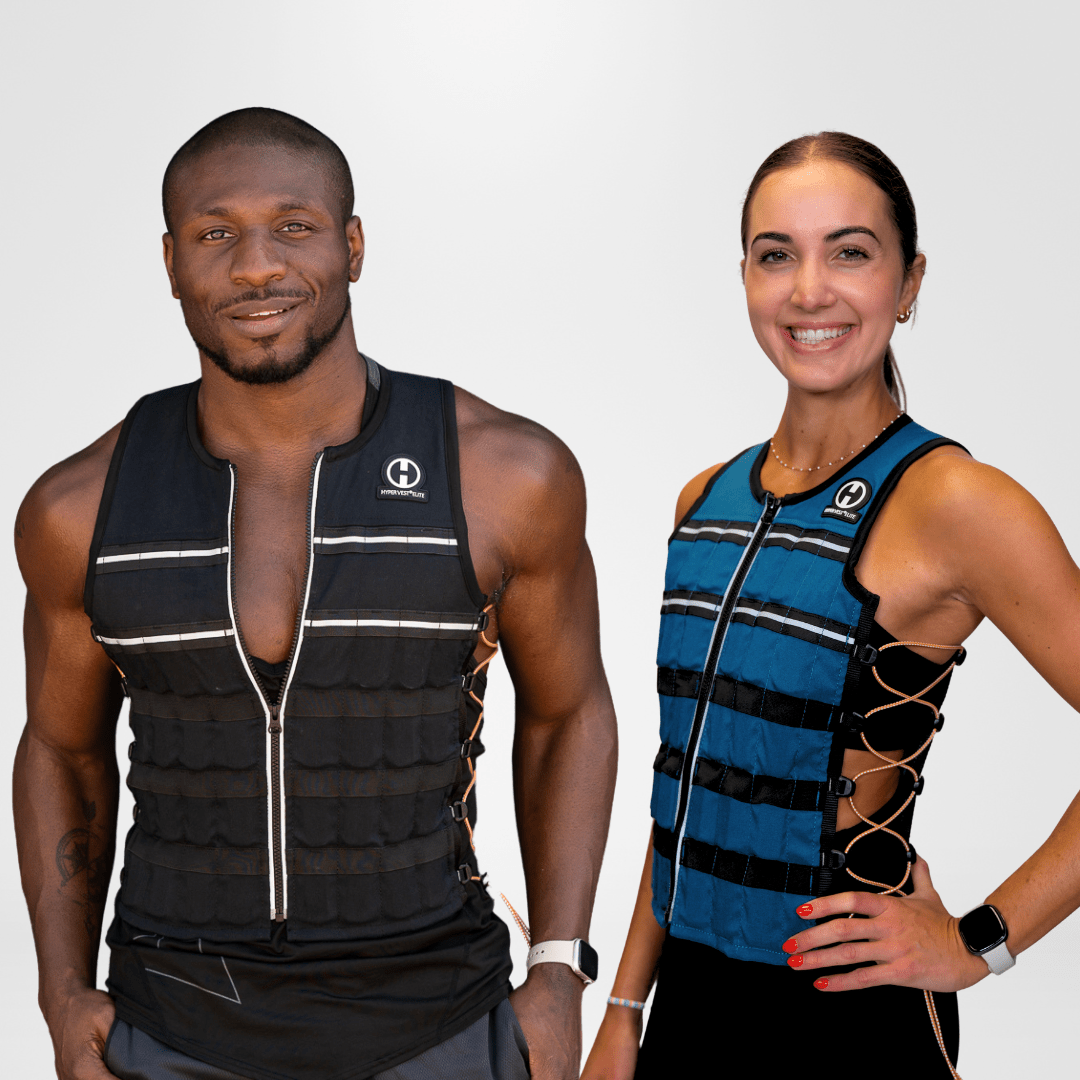
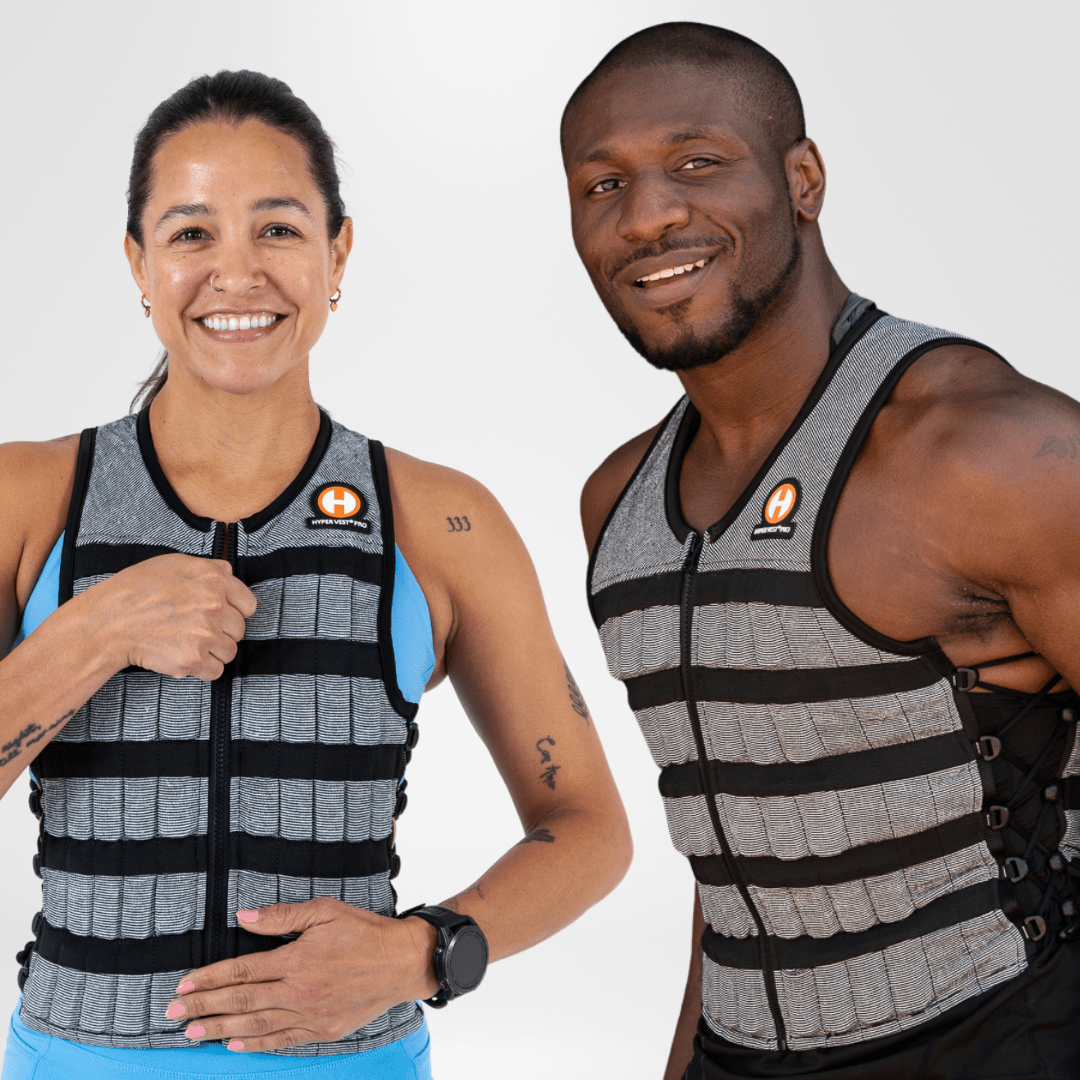
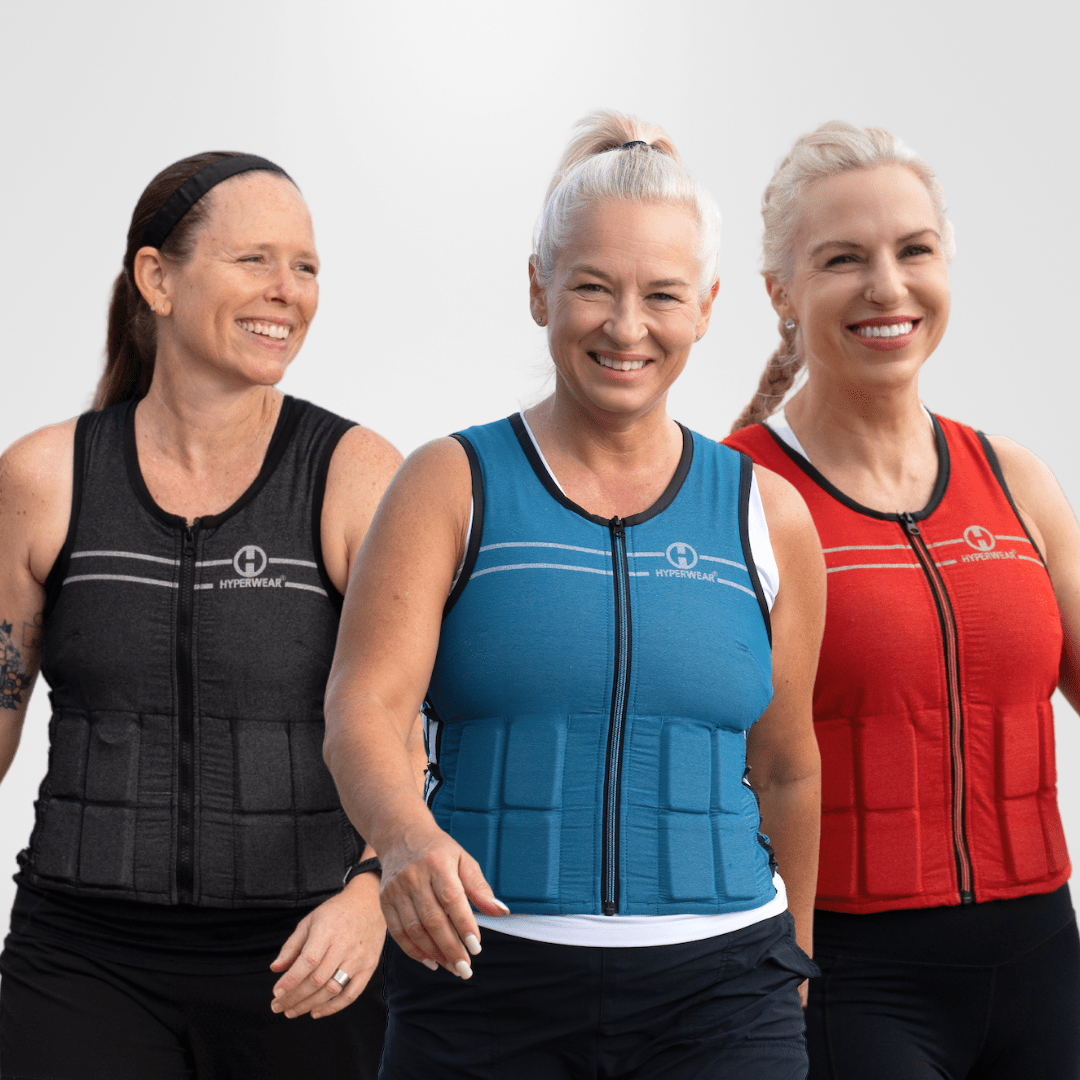

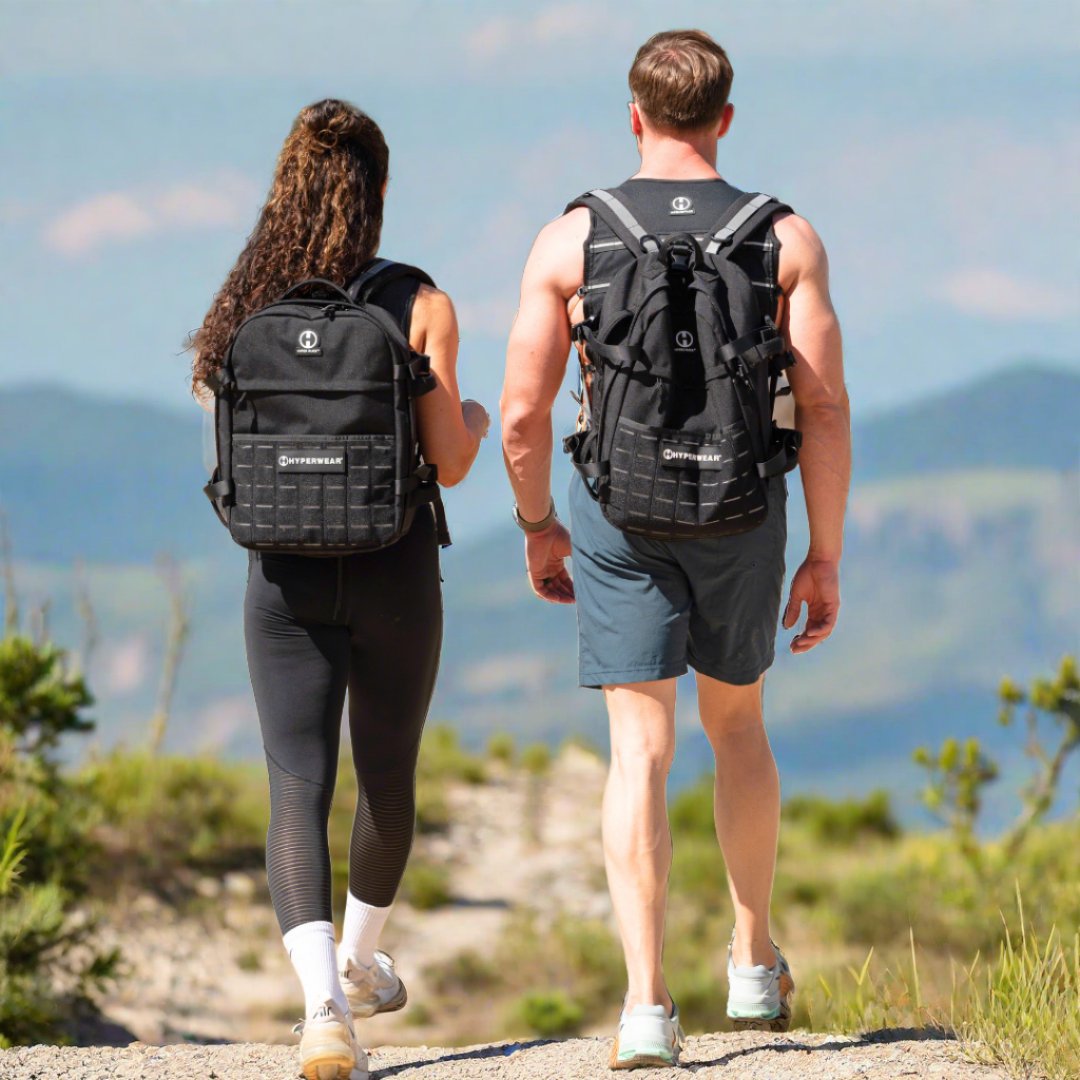


If you are navigating menopause, osteopenia, osteoporosis, muscle loss or changes in body composition, you may have heard that walking in a weighted vest can help.
There is sound science behind adding resistance to movement—but it is important to understand what a vest can realistically do.
A weighted vest does not cure osteoporosis, prevent every fracture or cause weight loss by itself. It also does not replace strength training, good nutrition or medical treatment. What it can do is make familiar movement more physically demanding by adding adjustable load close to your body.
Two scientific ideas help explain why wearing weight may matter: Wolff’s Law and the gravitostat.
Scientific review: Kristen M. Beavers, PhD, MPH, RD, Hyperwear Science Advisor
The quick answer
-
Wolff’s Law describes how bones adapt to repeated mechanical stress. It is an established principle of bone biology.
-
The gravitostat proposes that weight-sensitive cells in bone may also participate in regulating body fat or body weight. It is an intriguing but still developing hypothesis.
-
For women after menopause, a weighted vest is best viewed as one tool in a larger plan that includes strength training, balance work, adequate protein and appropriate medical care.
-
Start lighter than you think you need to. The goal is gradual adaptation, not simply carrying the heaviest possible load.
- Train progressively. The goal is continuing progress by stimulation from adding weight, wear time and activity levels, not simply wearing the same light load all the time.
Why loading matters during and after menopause
Bones are living tissue. They are constantly being broken down and rebuilt through a process called remodeling.
The decline in estrogen around menopause can shift that process toward faster bone loss. At the same time, age, inactivity and weight loss can reduce muscle mass and strength. That matters because muscle does more than help you move: muscular contractions also apply force to bone.
Your skeleton therefore experiences at least two important forms of loading:
-
External or gravitational loading, including your body weight and anything you carry.
-
Internal loading from muscle contractions, such as the forces produced during squats, step-ups, rows and other resistance exercises.
A weighted vest primarily increases external load. Strength training produces substantial muscular loading. For bone, muscle and function, the two approaches complement one another.
This is especially relevant during intentional weight loss. Whether weight loss comes from nutrition changes, GLP-1 medication or both, a lighter body places less gravitational load on the skeleton. Weight loss can also include some lean tissue unless muscle-preserving strategies are part of the plan.
Wolff’s Law: why bones need an appropriate challenge
Wolff’s Law is commonly summarized this way: bone adapts to the loads regularly placed upon it.
The modern explanation is more nuanced. Bone cells called osteocytes detect mechanical strain and fluid movement within bone. Those cells help coordinate the activity of:
-
Osteoblasts, which form bone
-
Osteoclasts, which remove and reshape bone
When a meaningful load is applied repeatedly, bone may adapt its density and internal structure to better handle that demand. When loading decreases for a long period—during bed rest, prolonged inactivity due to recovery from a fall, for example—bone can weaken.
That does not mean any amount of weight automatically builds bone. The response depends on several factors:
-
Where the load is applied
-
How large and how quickly the load is applied
-
How often it is repeated
-
The person’s age, health and training history
-
Nutrition, medications and hormonal status
-
Whether the exercise also engages surrounding muscles
Bone adaptation is also local. Walking primarily loads the hips, legs and spine; it does not provide the same stimulus to the wrist or forearm.
For a deeper look at the cellular process, see this review of bone mechanosensing.
What Wolff’s Law means for a weighted vest
A vest increases the load your body carries during weight-bearing activity. That can make walking, stair climbing, squats or sit-to-stands more impactful and beneficial.
Potential advantages include:
-
Load distributed around the torso
-
Hands remain free for balance or support
-
Resistance can be added to an activity you already perform
-
Adjustable vests allow small, beneficial progressive increases
-
Lower-body and postural muscles must work against a slightly greater load
The important phrase is progressive loading. Bones, muscles, tendons and joints need time to adapt. Starting too heavy can change your walking mechanics, aggravate joints or increase your risk of losing balance.
What does weighted-vest research say about bone density?
The evidence is promising in some settings, but it is not uniform.
Earlier studies—many involving postmenopausal women—combined weighted vests with walking, jumping, treadmill exercise or resistance training. Some reported improvements in bone density or bone-turnover markers. However, the studies used different vest weights, exercises and training schedules, making it difficult to identify one ideal protocol.
A 2026 systematic review and meta-analysis evaluated nine randomized trials involving 368 middle-aged and older adults. Weighted-vest exercise performed better than usual activity for some measures of lumbar-spine and femoral-neck bone density and also reduced body fat. However, evidence that a vest adds a separate bone-density benefit when compared directly with exercise alone remains limited.
A large trial known as "INVEST" asked a more specific question: could replacing weight lost during a 12-month weight-loss program protect the hip?
The study included 150 older adults, approximately three-quarters of whom were women. Participants lost about 10% of their body weight. Adding a weighted vest did not prevent hip bone loss, and the resistance-training group produced largely similar bone outcomes. The results were published in the 2025 INVEST randomized clinical trial.
That finding should not be interpreted as “weighted vests do nothing for bone.” It means that this particular strategy did not offset weight-loss-associated hip bone loss in this population.
The most accurate conclusion is:
Weighted vests can provide a useful form of progressive mechanical loading, but they should not be seen as a stand-alone treatment for osteopenia or osteoporosis.
Exercise guidance for osteoporosis continues to emphasize appropriately prescribed resistance exercise, impact or weight-bearing activity when suitable, back-strengthening work and balance training. The UK osteoporosis exercise consensus provides a helpful evidence-based overview.
Learn more in Hyperwear’s weighted vest and bone-density guide.
Where sarcopenia fits into the picture
Sarcopenia is the age-related loss of muscle mass, strength and physical function. Starting in middle age, adults lose approximately 3-5% of their muscle mass each decade of life. Although a weighted vest can make walking and body-weight exercise more demanding, simply wearing one is not equivalent to a complete strength-training program.
Strength training creates large internal forces as muscles pull on bones. It also lets you progressively train specific movement patterns and muscle groups.
A balanced plan might combine a vest with:
-
Sit-to-stands or squats
-
Supported step-ups
-
Calf raises
-
Hip-hinge exercises taught with safe technique
-
Rows and presses using bands or other resistance
-
Balance exercises
-
Brisk walking
The vest adds gravitational load. The exercises create muscular load. Together, they may help make everyday movement more challenging and useful.
For this reason, women concerned about muscle loss should use a vest with progressive strength training—not instead of it. Hyperwear explains this broader approach in its guide to Metabolic Strength™.
The gravitostat: an emerging idea about body weight
The gravitostat is much newer and less established than Wolff’s Law.
The hypothesis proposes that cells in weight-bearing bones can sense the total load placed on the skeleton. Those signals may then influence how the body regulates fat mass or body weight.
In simple terms, the theory asks:
Could the skeleton act partly like an internal scale?
Early animal experiments suggested that adding external weight reduced body fat. Human researchers have since tested whether adults respond similarly when they wear heavily loaded vests for several hours per day.
A 2020 randomized clinical trial compared adults with obesity wearing vests loaded to either 11% or 1% of body weight for eight hours per day over three weeks. The higher-load group experienced modestly greater reductions in body weight and fat mass.
A larger 2025 randomized trial in BMC Medicine used a similar high-load-versus-low-load design for five weeks. The high-load group had lower fat mass and waist circumference and higher lean mass, but the researchers did not find a significant difference in total body weight, reported energy intake or energy expenditure.
This is encouraging research, but it does not establish that a normal weighted-vest routine reliably suppresses appetite or causes weight loss.
Most gravitostat experiments used relatively heavy loads for up to eight hours a day. That is very different from beginning with a few pounds during a 15-minute walk.
Can a weighted vest support weight loss or metabolic health?
A vest can make movement require more effort. That may increase energy demand during walking or exercise, particularly as the load and pace increase. It can also help turn a familiar activity into a form of progressive resistance.
The larger metabolic opportunity, however, may come from using loaded movement to support muscle, physical capacity and consistency.
Muscle is metabolically active tissue. Preserving it is particularly important during weight loss and with advancing age. A small 2025 Hyper Vest PRO pilot study involving 18 older adults found a possible signal that vest use during calorie restriction helped preserve resting metabolic rate and may have influenced longer-term weight regain. The study was too small to establish a treatment effect, but it identified an important question for future research.
For now, a weighted vest should be viewed as:
-
A way to make walking and body-weight exercise more demanding
-
A tool for progressive resistance
-
A possible complement to muscle-preserving exercise during weight loss
-
Not a substitute for nutrition, strength training, sleep or medical care
Wolff’s Law and the gravitostat compared
| Question | Wolff’s Law | Gravitostat |
|---|---|---|
| What does it describe? | Bone adapting to mechanical load | A proposed load-sensing system involved in body-fat or body-weight regulation |
| Scientific status | Established biological principle, refined through modern mechanobiology | Emerging hypothesis with early animal and human evidence |
| Main outcome of interest | Bone structure and strength | Body composition and weight regulation |
| Local or systemic? | Primarily local to the bones and areas being loaded | Proposed to produce systemic metabolic effects |
| Practical meaning | Progressive loading may contribute to a bone-health exercise program | Added load may affect body composition, but no proven consumer protocol exists |
| What should consumers conclude? | Give bones and muscles an appropriate, progressive challenge | Do not expect a vest alone to suppress hunger or produce meaningful weight loss |
How heavy should a weighted vest be after menopause?
There is no universal weight that is right for every woman.
Published studies have used loads ranging from a few pounds to more than 10% of body weight, sometimes for many hours a day. Research protocols should not automatically become personal exercise prescriptions.
A conservative starting range for walking is approximately 2% to 5% of body weight, depending on your health, conditioning and clinician’s guidance. For someone who weighs 150 pounds, that is roughly 3 to 7.5 pounds.
If you are new to loaded walking, have osteoporosis or have been inactive, starting near the lower end may be appropriate.
Hyperwear’s detailed weighted-vest weight guide can help you compare starting loads by activity and goal.
A practical starter plan
This example is for general education, not an individualized medical prescription.
Weeks 1–2
-
Use approximately 2% to 5% of body weight—or the load recommended by your clinician.
-
Walk on a level surface for 10 to 15 minutes.
-
Wear the vest two or three nonconsecutive days per week.
-
Focus on upright posture and a natural stride.
-
Stop if the vest changes your gait or balance.
Weeks 3–4
If the first two weeks are comfortable:
-
Increase the walk to 15 to 25 minutes.
-
Keep the same load while you increase duration.
-
Add controlled exercises such as supported sit-to-stands or calf raises.
-
Continue separate strength and balance training.
After the first month
Increase only one variable at a time:
-
A small amount of weight
-
Walking duration
-
Pace
-
Exercise difficulty
-
Weekly frequency
Avoid increasing several at once. Small, repeatable progress is more useful than one overly difficult session.
For additional walking guidance, see Weighted Vest for Walking: Benefits, Weight Guide & Best Vests.
When to speak with a doctor or physical therapist first
Get individualized guidance before using a weighted vest if you have:
-
Diagnosed or risk of osteoporosis
-
A previous vertebral or hip fracture
-
A recent fragility fracture
-
Chronic back, neck or shoulder pain
-
Severe arthritis
-
Significant balance problems or a history of falls
-
A joint replacement with activity restrictions
-
A cardiovascular or neurological condition that affects exercise safety
Women with vertebral fractures or a high fracture risk may need to limit high-impact activity and avoid loaded spinal flexion or twisting. A physical therapist can help select movements and loading positions appropriate for your spine and hips.
Stop using the vest and seek guidance if you experience new pain, numbness, dizziness, shortness of breath, loss of balance or a noticeable change in walking mechanics.
Choosing a weighted vest for women over 40
The best vest is not necessarily the heaviest. It is one that fits securely, allows normal breathing and can be adjusted gradually.
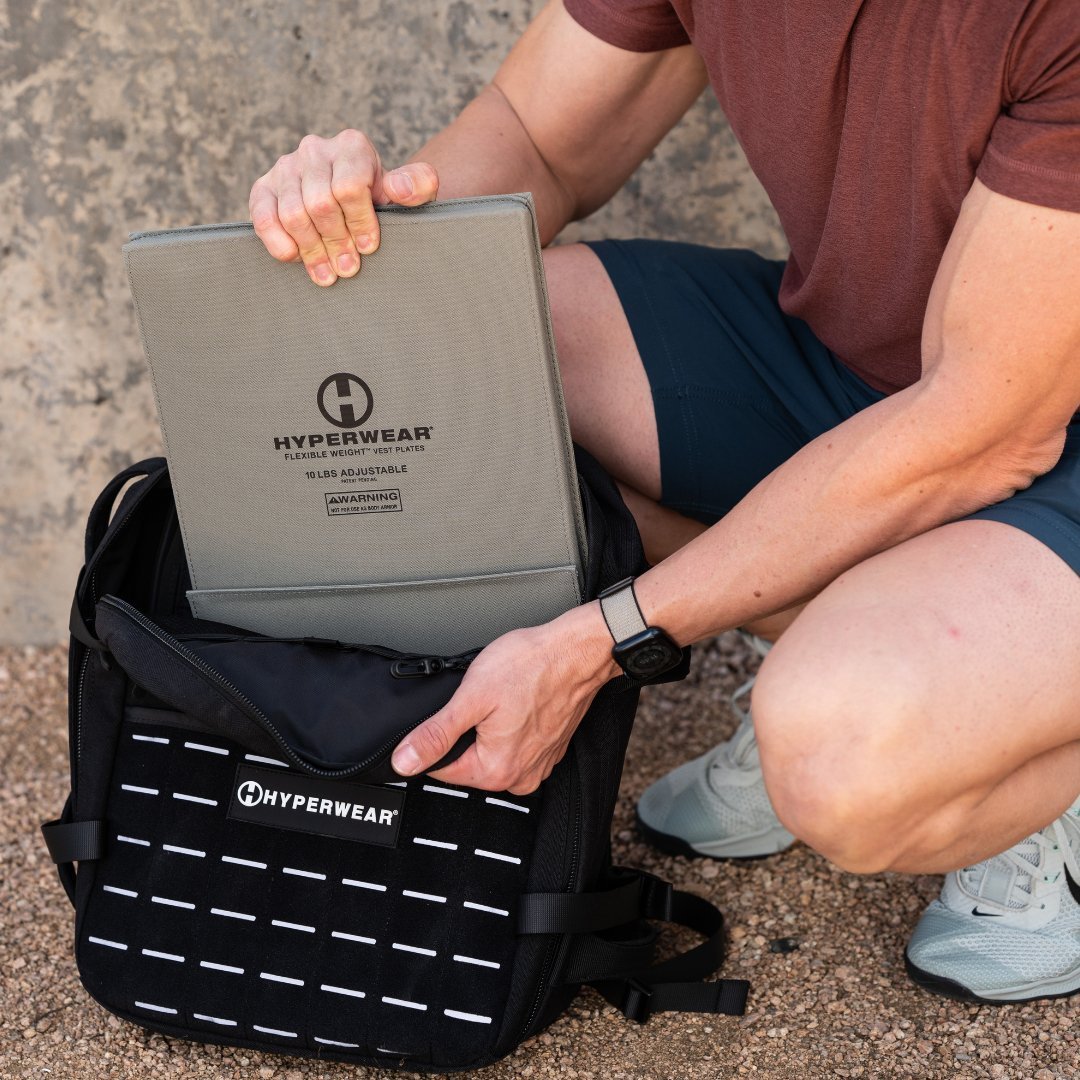
Hyper Vest FIT
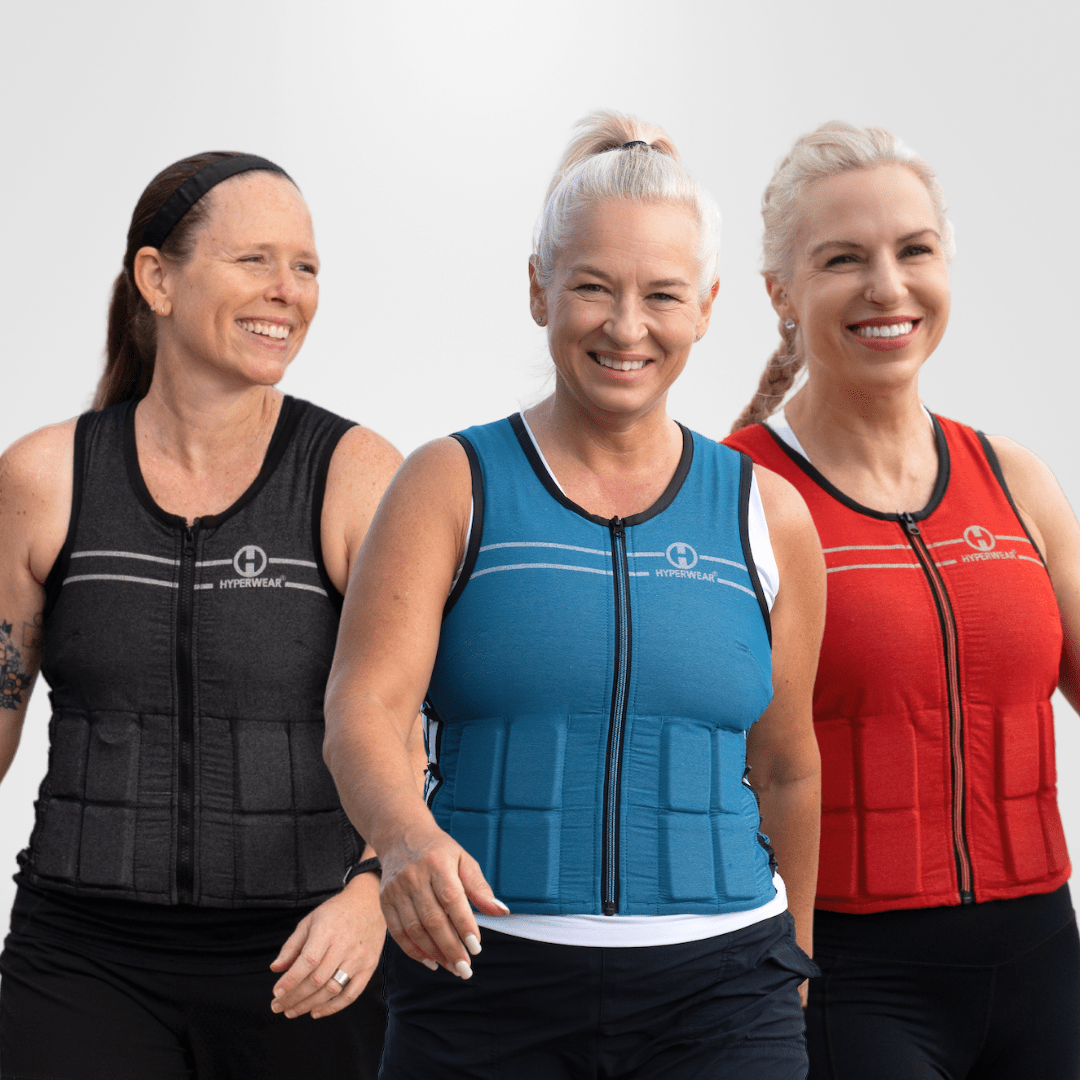
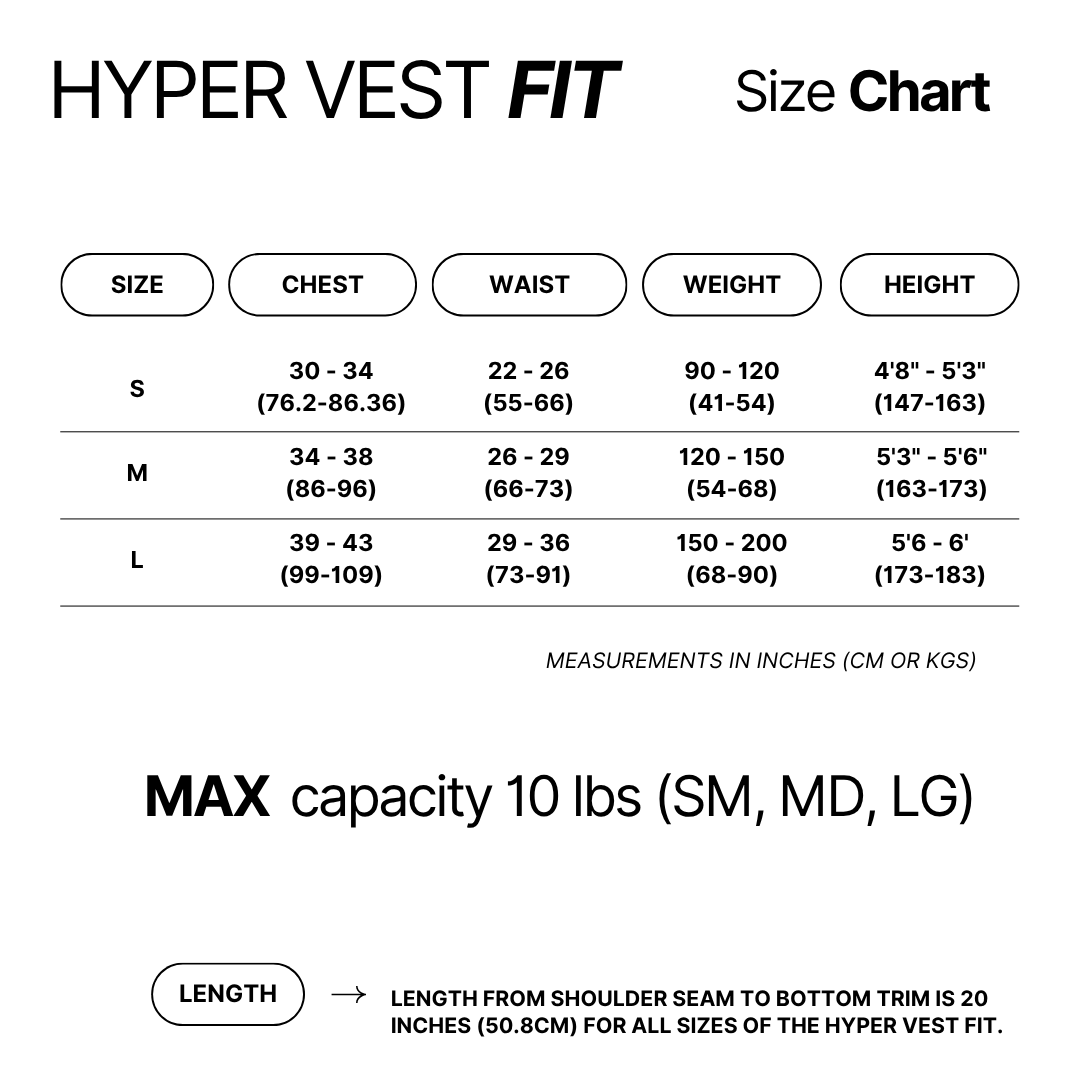
The Hyper Vest FIT is designed specifically for women. Its weight is positioned away from the chest, and it adjusts in ½-pound increments up to 10 pounds.
It is a strong choice for:
-
Walking and daily movement
-
Women beginning with lighter loads
-
Osteopenia-focused exercise plans
-
Smaller, easy-to-understand weight adjustments
-
A women-specific fit with room through the chest
Hyper Vest PRO
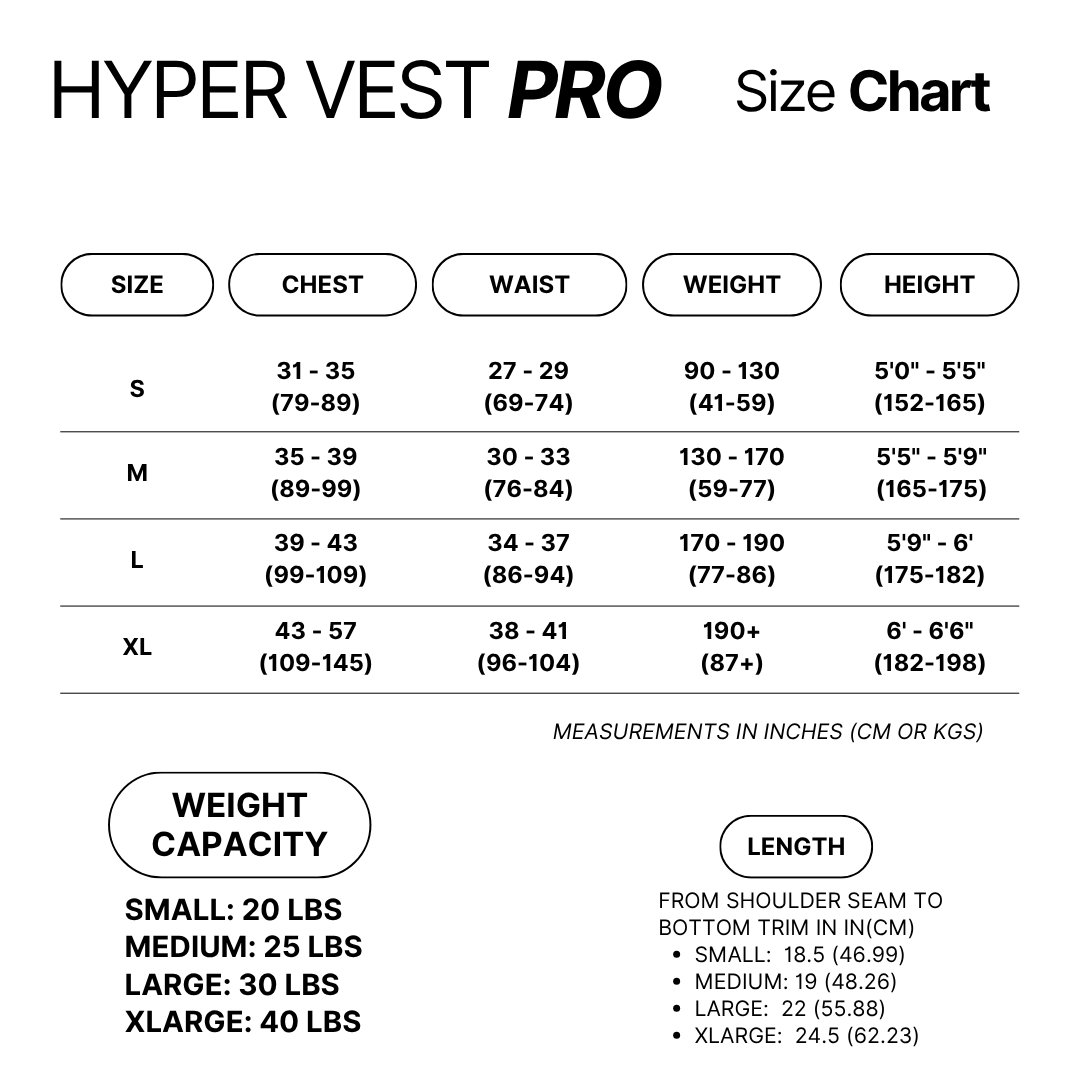
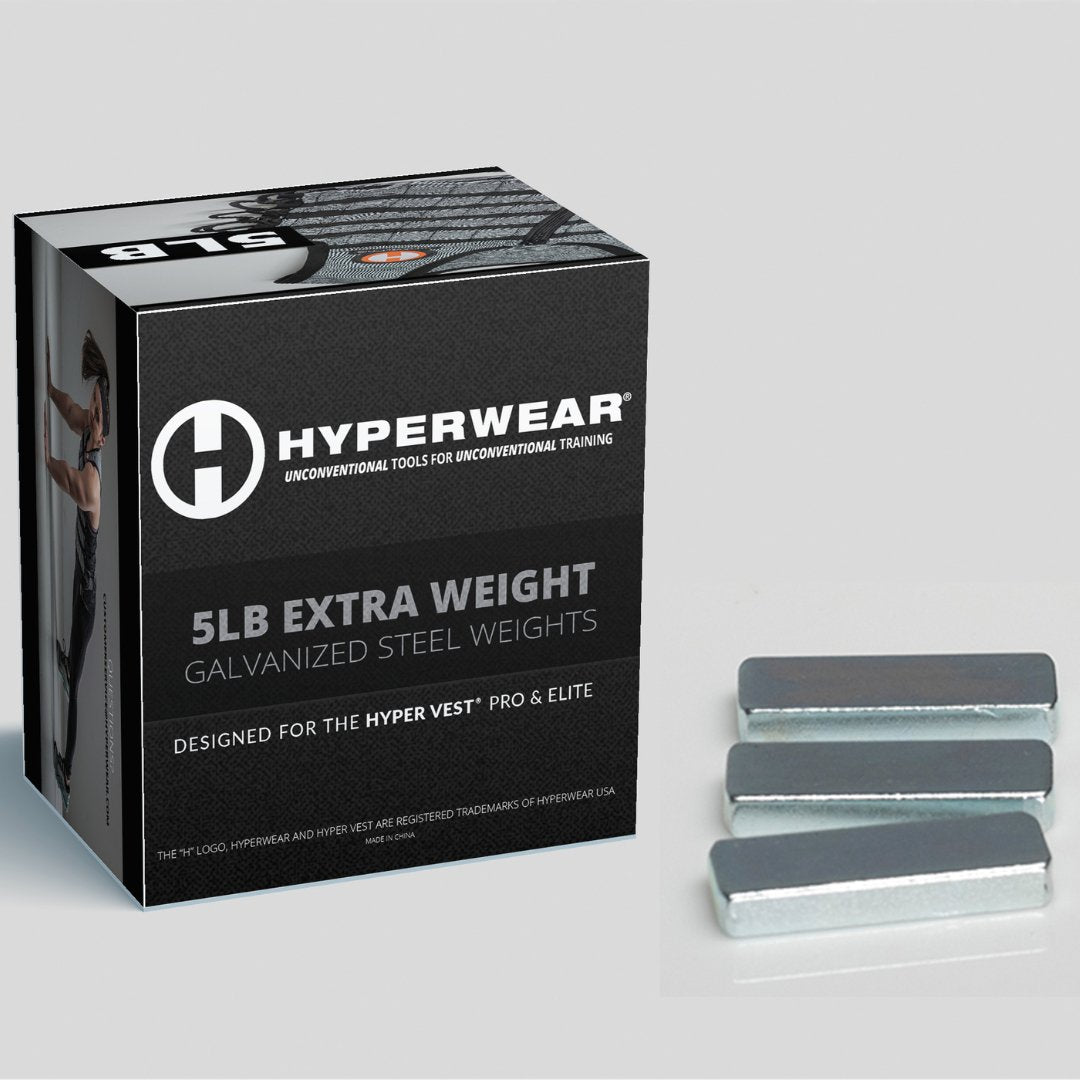
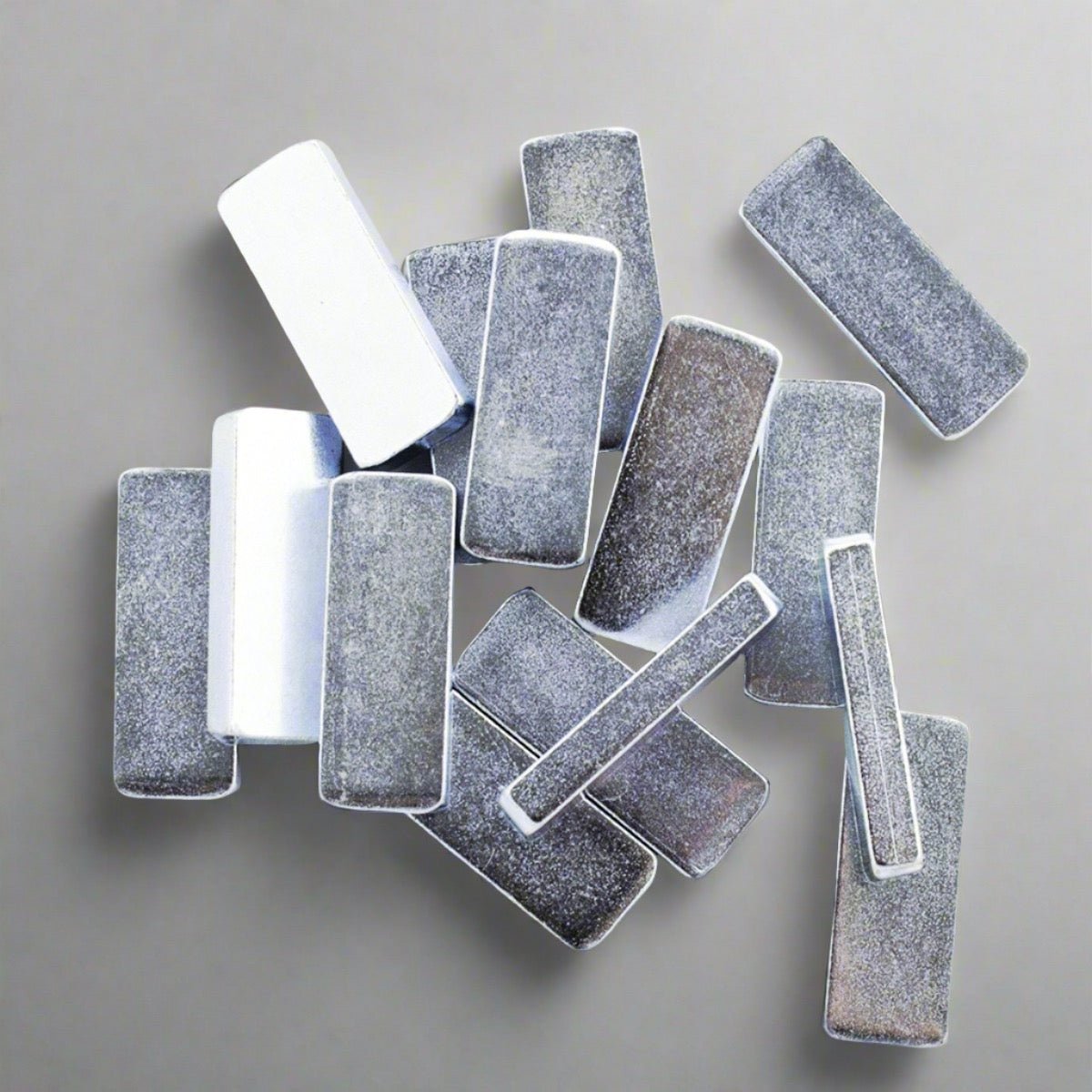
The Hyper Vest PRO uses small 2.25-ounce weight bars, allowing finer load adjustments and greater total capacity depending on vest size. It was the vest selected for use in the INVEST research program.
It may be a better choice for:
-
Longer-term progressive loading
-
Women who expect to progress beyond 10 pounds
-
Very small weight adjustments
-
Strength training and more varied exercise
-
A close-fitting, low-profile vest
Use of the Hyper Vest PRO in research does not mean the product has been proven to treat osteoporosis or cause weight loss. It means researchers selected an adjustable, wearable loading system suitable for the study protocol.
Frequently asked questions
Can a weighted vest improve bone density after menopause?
A weighted vest can add mechanical loading to weight-bearing activity, and some studies have reported benefits for bone density or bone-turnover measures. Results vary, however, and a vest should be part of a broader program that includes resistance exercise, balance work, nutrition and appropriate medical treatment.
Is a weighted vest safe if I have osteopenia?
Many people with osteopenia can use a light, properly fitted vest, but the right load depends on your fracture risk, balance, joint health and exercise history. Ask your clinician or physical therapist for personalized guidance.
Can I wear a weighted vest if I have osteoporosis?
Possibly, but medical or physical-therapy guidance is especially important. A vest may not be appropriate during some activities or for someone with recent fractures, significant spinal compression, pain or poor balance.
Does a weighted vest prevent sarcopenia?
A vest can make exercise more demanding, but resistance training, adequate protein and regular activity remain the more direct strategies for maintaining muscle and strength. Think of the vest as an additional tool, not the complete program.
Will a weighted vest help me lose weight?
It can increase the effort required during movement, but it does not guarantee weight loss. The gravitostat is an emerging research concept, not proof that wearing a vest will suppress appetite or automatically reduce body fat.
Do I need to wear a weighted vest for eight hours a day?
No. Long wear times were used in specific research experiments and are not established recommendations for the general public. Beginners can start with short, purposeful sessions and progress based on comfort and professional guidance.
Is a weighted vest better than strength training?
They provide different kinds of loading. A vest mainly increases the gravitational load your body carries. Strength training creates strong muscular forces and can target individual muscle groups. For most women, the best approach is to combine appropriate strength training with progressively loaded movement wearing a weight vest.
The bottom line
Wolff’s Law gives us a strong biological reason to keep challenging bone and muscle as we age. The gravitostat raises an exciting possibility that the skeleton may also participate in body-weight regulation—but the human evidence is still developing.
For women during and after menopause, the most practical conclusion is simple:
Use a weighted vest to add manageable, progressive resistance to movement—not as a shortcut or a substitute for strength training and medical care.
Start light. Choose a secure, adjustable fit. Build gradually. Combine loaded walking with strength and balance work. Most importantly, choose an approach you can perform consistently.
Ready to add progressive load to your routine?
The women-specific Hyper Vest FIT lets you begin with a light load and progress in ½-pound increments, with no weight positioned over the chest.
Educational disclaimer
This article is for general education and wellness information. It is not medical advice and does not diagnose, treat, cure or prevent osteoporosis, sarcopenia, obesity or any other medical condition. Consult a qualified healthcare professional before beginning loaded exercise, particularly if you have osteoporosis, previous fractures, pain, balance concerns or other health conditions.
Sources / references
-
Xiao Z, Quarles LD. Physiological mechanisms and therapeutic potential of bone mechanosensing. Reviews in Endocrine and Metabolic Disorders. 2015.
-
Brooke-Wavell K, et al. Strong, steady and straight: UK consensus statement on physical activity and exercise for osteoporosis. British Journal of Sports Medicine. 2022.
-
Beavers KM, et al. Weighted Vest Use or Resistance Exercise to Offset Weight Loss-Associated Bone Loss in Older Adults: A Randomized Clinical Trial. JAMA Network Open. 2025.
-
Wang Y, et al. Effects of weighted vest on bone health and body fat in middle-aged and older adults: a systematic review and meta-analysis. 2026.
-
Ohlsson C, et al. Increased weight loading reduces body weight and body fat in obese subjects. EClinicalMedicine. 2020.
-
Bellman J, et al. Increased weight-load improves body composition by reducing fat mass and waist circumference, and by increasing lean mass in participants with obesity. BMC Medicine. 2025.
-
DeLong R, et al. Does weighted vest use during weight loss influence long-term weight loss maintenance? A pilot study in older adults living with obesity and osteoarthritis. International Journal of Obesity. 2025.