




A recent Starbucks promotion that includes an in-app Strava activation is putting weighted vests into the mainstream conversation. That is not necessarily a bad thing. More consumers are becoming aware of weighted walking, load-bearing exercise, and the role external load can play in training.
Editor’s note: As weighted vests move into broader lifestyle marketing, consumers need clearer guidance on load, fit, progression, and intended use. This article explains how to think about weighted vest weight more responsibly using practical experience and available research.
But mainstream attention can also create confusion. When a fixed 5-pound vest is marketed as part of a wellness campaign, consumers may come away with the wrong idea about how weighted vests actually work.
The better question is simple: How heavy should a weighted vest be?
The short answer
A weighted vest should be heavy enough to create a meaningful training effect, but light enough to preserve good posture, breathing, and movement quality.
For many adults, a practical starting range is often 5% to 10% of body weight, depending on the activity, experience level, and tolerance. For more serious loading applications, research and structured training often move closer to 10% of body weight, with the load adjusted to the individual rather than fixed for everyone.
Why a fixed vest weight is not an evidence-based answer
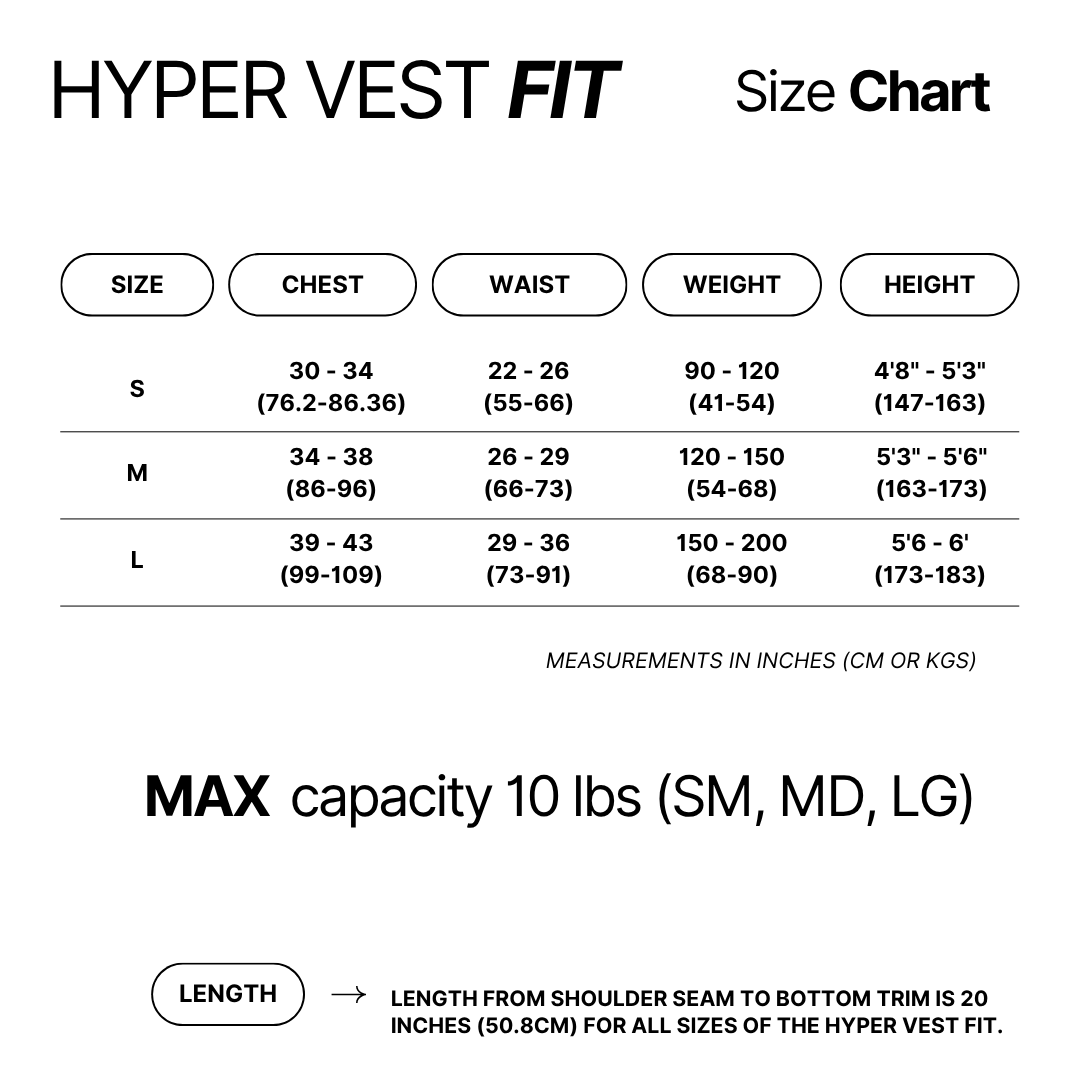
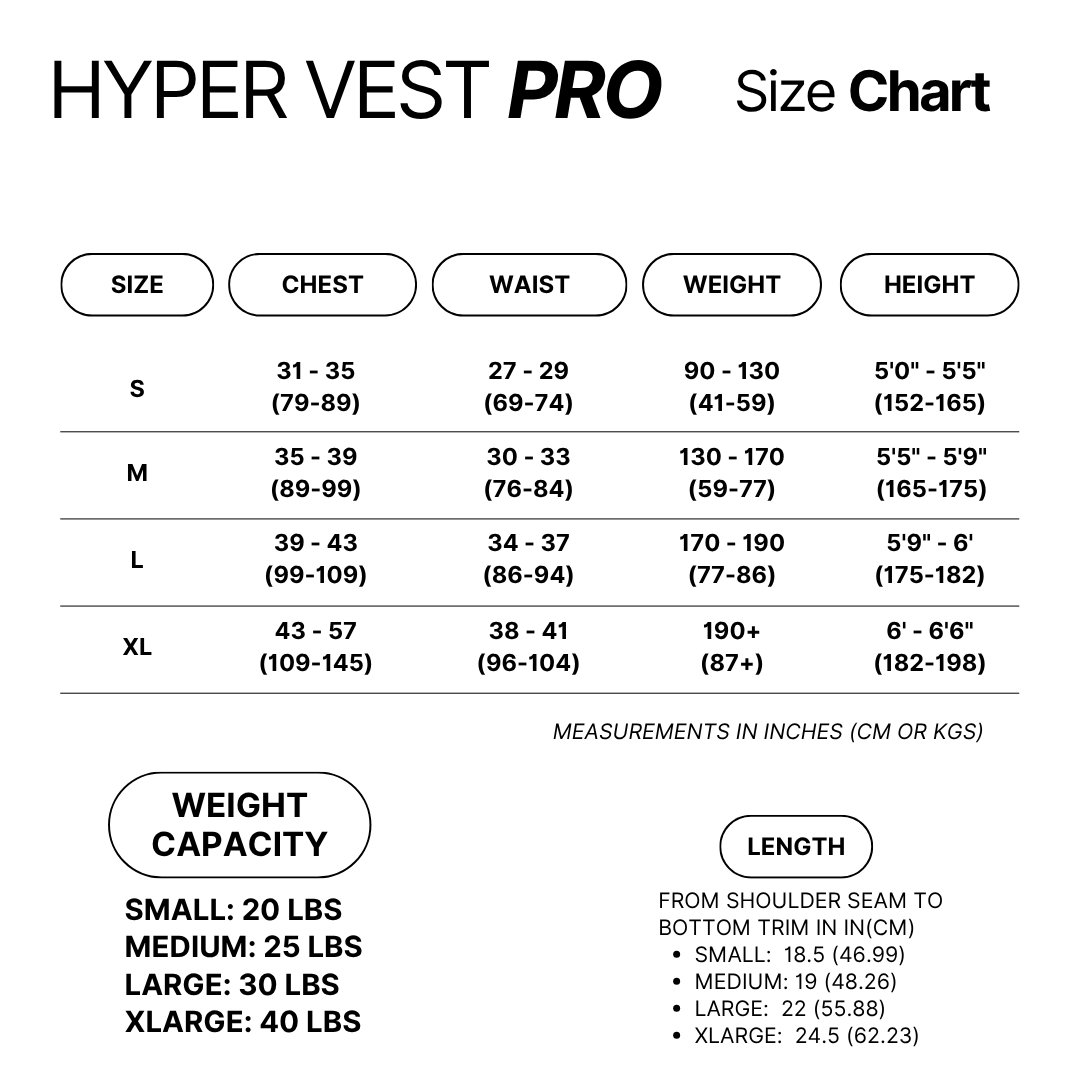
A 5-pound vest may feel challenging for one person and negligible for another. That is why a universal vest weight is not a reliable way to guide consumers.
Weighted vest use should be based on the person and the purpose:
- Body size and body weight
- Training experience
- Walking, strength, or all-day wear goal
- Fit, comfort, and movement quality
- Ability to increase load gradually over time
In other words, weighted vest load should be individualized, not treated like a one-size-fits-all accessory.
What research suggests about weighted vest load
Research on weighted vest use gives consumers a more useful framework than marketing does.
In a Swedish proof-of-concept study on the gravitostat effect, adults with obesity wore a heavier vest loaded to roughly 11% of body weight for several hours per day. Compared with a lower-load group, the heavier-load group reduced body weight and fat mass. That was a short-term study, but it is still useful because it examined meaningful relative load, not novelty load.
Work associated with Dr. Kristen Beavers and colleagues has also examined weighted vest use during and after intentional weight loss in older adults with obesity. In that research, participants used the Hyper Vest PRO with progressively adjusted loading rather than a fixed 5-pound vest for all users. Follow-up work suggested weighted vest use during weight loss may help support later weight-loss maintenance, potentially

through preserving resting metabolic rate. At the same time, a larger 2025 randomized clinical trial found that weighted vest use did not prevent weight loss-associated hip bone loss.
The takeaway is not that weighted vests are a magic solution. The takeaway is that dose matters. Population matters. Outcome matters. And load should match the individual.
How heavy should a weighted vest be for walking?
For walking, many people do best by starting light and progressing slowly. A vest that changes posture, causes discomfort, or disrupts natural gait is too heavy for that person in that context.
A good starting point is often lower than what a person may eventually use. The right approach is to begin conservatively, monitor comfort and movement quality, and increase load only when the current weight feels stable and well tolerated. For a more practical starting framework, see our weighted vest workout guide.
How heavy should a weighted vest be for weight loss or training?
If the goal is to create a more meaningful loading effect, the answer is usually not a universal fixed weight. Research and structured use more often point toward individualized loading, commonly in the range of about 10% of body weight, when appropriate for the user and the task.
That does not mean everyone should jump to 10%. It means that serious training effects generally come from relative load matched to the user, not from a novelty number printed into a campaign.
The bottom line
A weighted vest should not be chosen by trend, promotion, or a one-size-fits-all number. It should be chosen based on fit, adjustability, intended use, and the ability to progress safely over time.
That is the difference between wellness marketing and responsible guidance.
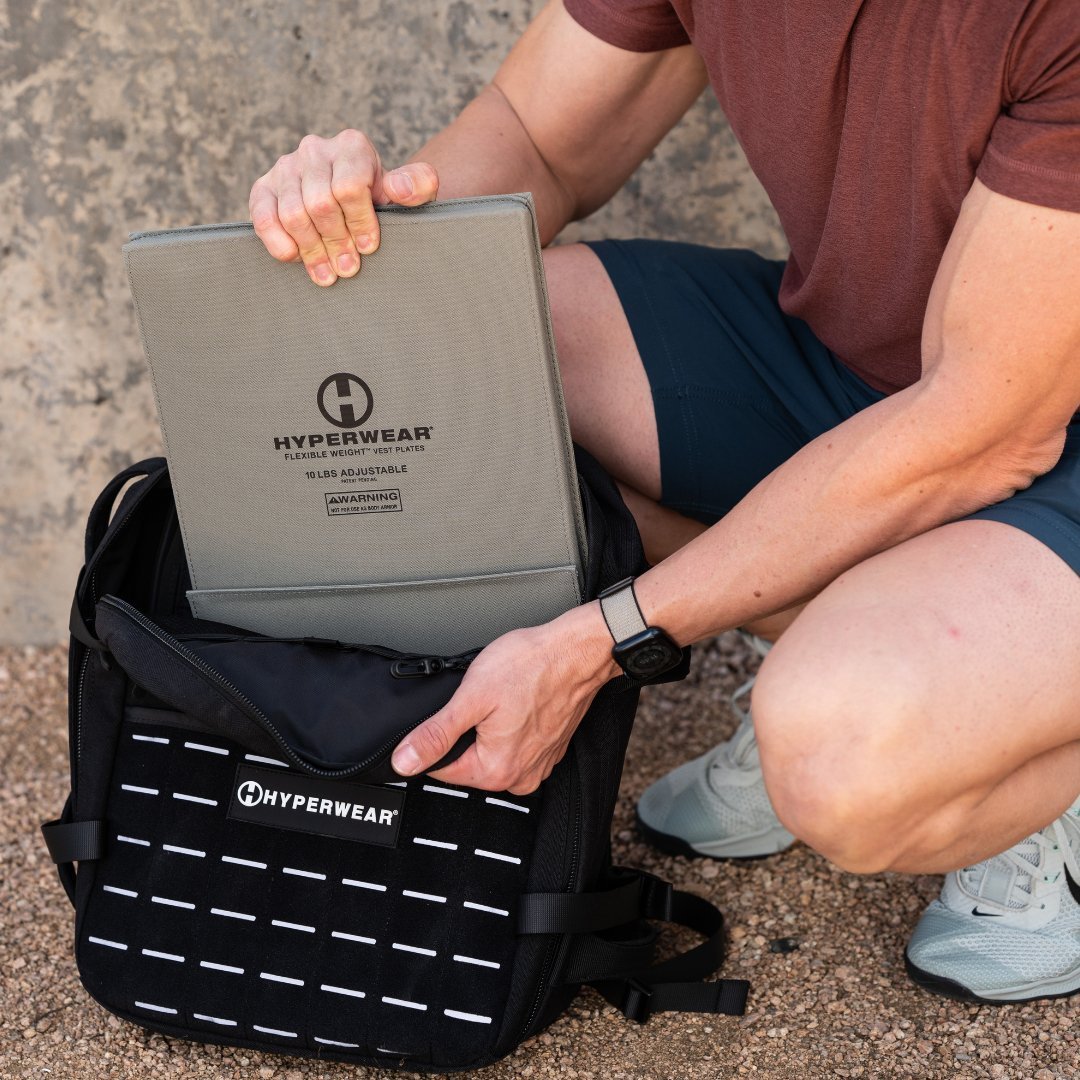
At Hyperwear, we believe weighted vests should function as performance tools. That means adjustable load, secure fit, and practical education that helps people use them safely and effectively. Learn more about weighted vest benefits and how to choose the right option for your goal.
Looking for a better starting point? Explore Hyperwear’s guidance on how heavy a weighted vest should be, plus fit, progression, and choosing the right load for walking, training, and everyday use.
Weighted Vest FAQ
Is 5 pounds enough in a weighted vest?
It depends on the person, the activity, and the goal. For a smaller beginner, 5 pounds may be a reasonable starting point. For a larger or more experienced user, 5 pounds may not create much training effect. That is why a fixed vest weight is not the best way to guide consumers.
Is 10% of body weight a good starting point?
Not always. In research and more structured training, loads around 10% of body weight are often used to create a meaningful loading effect. But for beginners, walking, or extended wear, it often makes sense to start lighter and build gradually. The best starting load is one that allows good posture, comfortable breathing, and natural movement.
How heavy should a weighted vest be for walking?
For walking, most people should start conservatively. A weighted vest should feel stable and comfortable without changing your gait or causing strain in the neck, back, hips, or knees. Many people do well starting in the lower end of a 5% to 10% body-weight range and increasing only when the current load feels easy and well tolerated.
Can a weighted vest help with weight loss?
A weighted vest can make walking and training more challenging, which may increase workload and support a broader fitness plan. But it is not a shortcut or a stand-alone solution. The evidence suggests that load, consistency, and the overall program matter more than a simple fixed weight.
Can a weighted vest improve bone health?
Weighted vests may help support weight-bearing exercise, which can be part of a bone-health strategy. But outcomes depend on the person, the load, the exercise program, and other health factors. Consumers should not assume that any vest at any weight will produce the same effect seen in research, and anyone with osteoporosis or other medical concerns should speak with a qualified healthcare professional before starting.
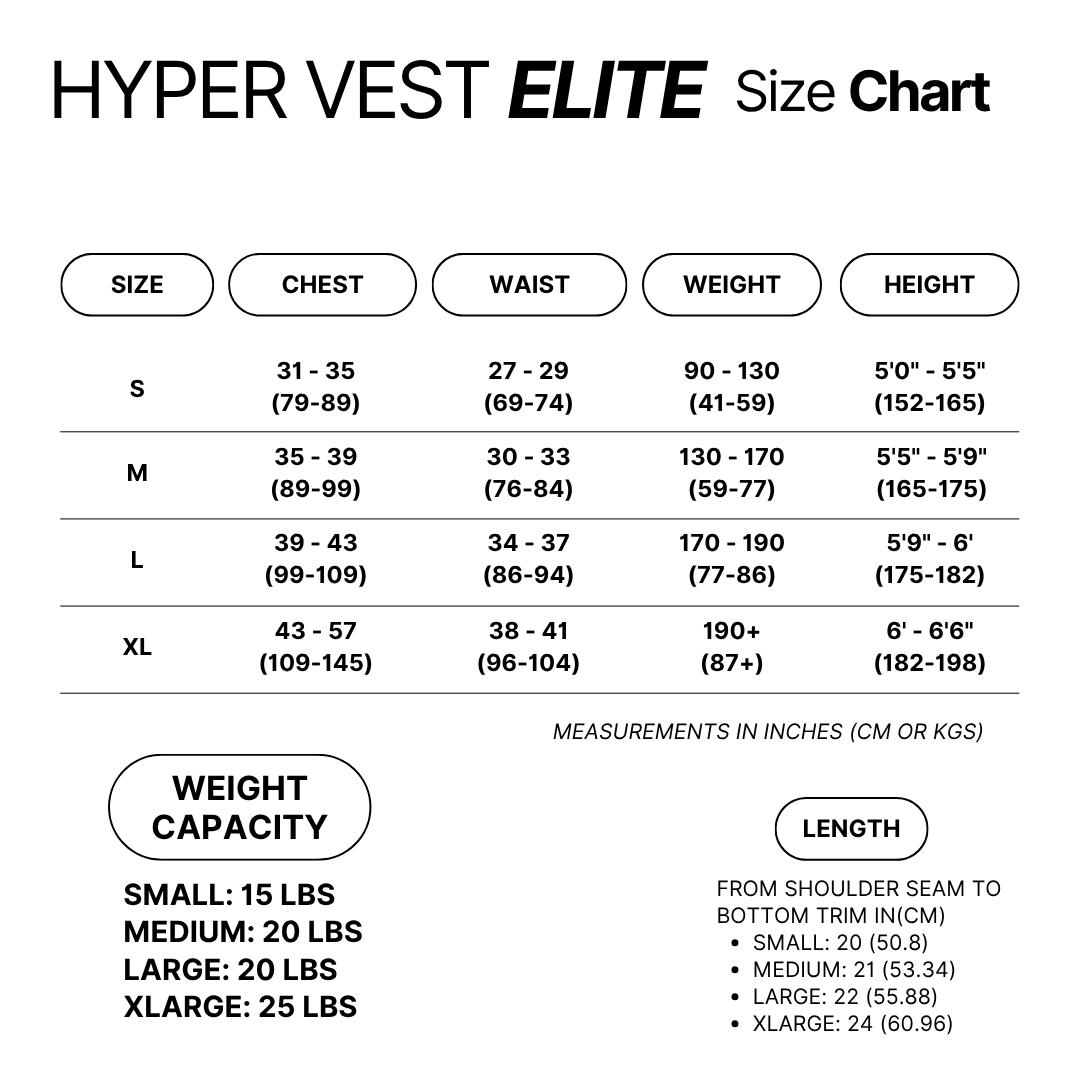
What matters most when choosing a weighted vest?
The most important factors are adjustable load, secure fit, comfort, and the ability to progress gradually over time. A good weighted vest should support natural movement and match the user’s body and goals rather than forcing everyone into the same load.