

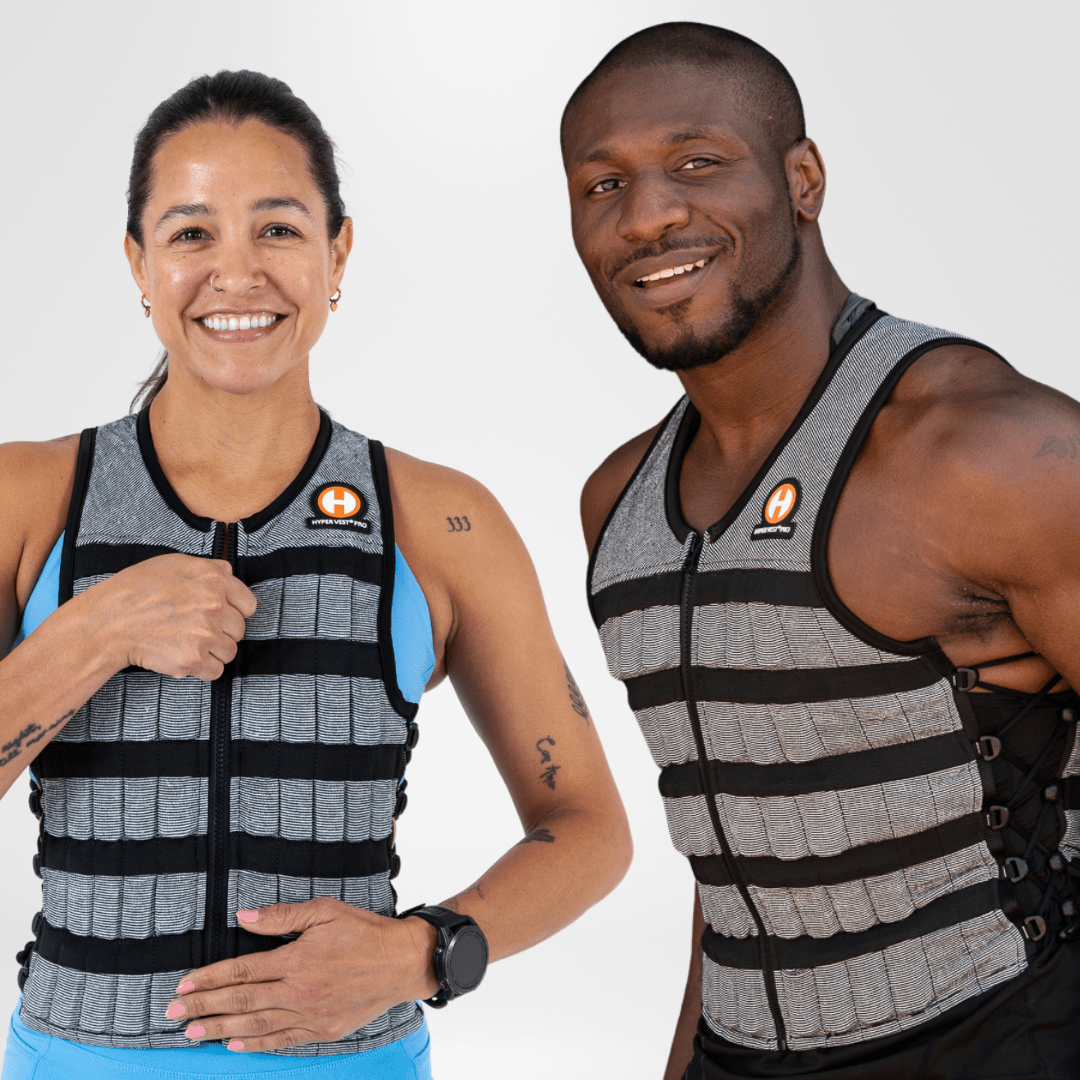



Quick answer: The main benefits of a weighted vest come from adding controlled resistance to movements you already do, especially walking, bodyweight training, stairs, hills, squats, lunges, and conditioning workouts. A good weighted vest can help increase workout intensity, calorie burn, cardiovascular demand, leg and core engagement, strength endurance, and bone-loading stimulus when used gradually.
The key is to start light. For walking, UCLA Health recommends beginning around 5% of body weight. Harvard Health suggests staying around 10% of body weight, at least for starters. Use the vest to make training more effective, not to turn every workout into a max-effort session.
Shop adjustable weighted vests
Weighted vest benefits at a glance
| Benefit | Why it happens | Best use case | Best Hyperwear fit |
|---|---|---|---|
| More intensity from the same workout | The vest adds external load without changing the exercise. | Walking, stairs, hills, bodyweight training | Hyper Vest PRO |
| Higher calorie burn | Your body performs more work while moving with added weight. | Weighted walking, rucking-style workouts, conditioning | Hyper Vest PRO |
| Cardio and endurance challenge | The added load raises the effort of walking, running, or circuits. | Power walking, run-walk workouts, cardio intervals | Hyper Vest ELITE |
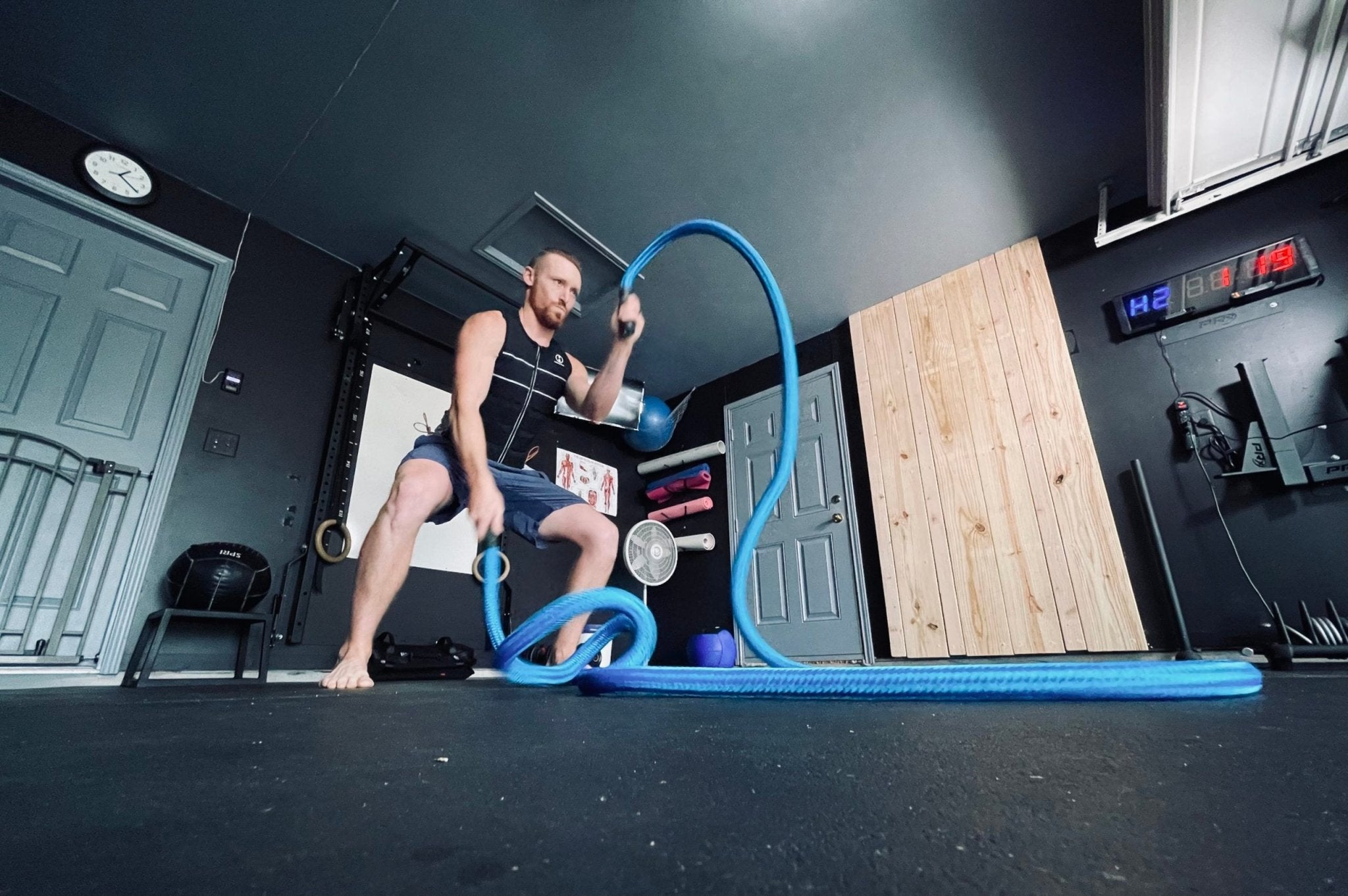
| Strength and muscular endurance | Exercises like squats, lunges, push-ups, and step-ups become harder. | Bodyweight strength training | Hyper Vest PRO or ELITE |
| Core and posture demand | A balanced torso load asks your trunk muscles to stabilize your body. | Walking, hiking, stairs, daily activity | Hyper Vest FIT or PRO |
| Bone-loading stimulus | Weight-bearing activity with external load can increase mechanical stress on the skeleton. | Walking, step-ups, squats, carefully progressed impact training | Hyper Vest FIT or PRO |
How a weighted vest works
A weighted vest works by adding load to your torso. That extra load makes your muscles, heart, lungs, and stabilizing system work harder during movement. Unlike ankle weights or hand weights, a vest keeps resistance closer to your center of mass, which can feel more natural for walking, stairs, squats, lunges, and bodyweight exercises.
This is why weighted vests are useful for progressive overload. You can make an exercise more challenging without changing the exercise itself. For example, walking the same route with a light vest is harder than walking it unloaded. A push-up with a vest is harder than a regular push-up. A step-up with a vest asks more from the legs and core than a bodyweight step-up.
1. Weighted vests can make walking more effective
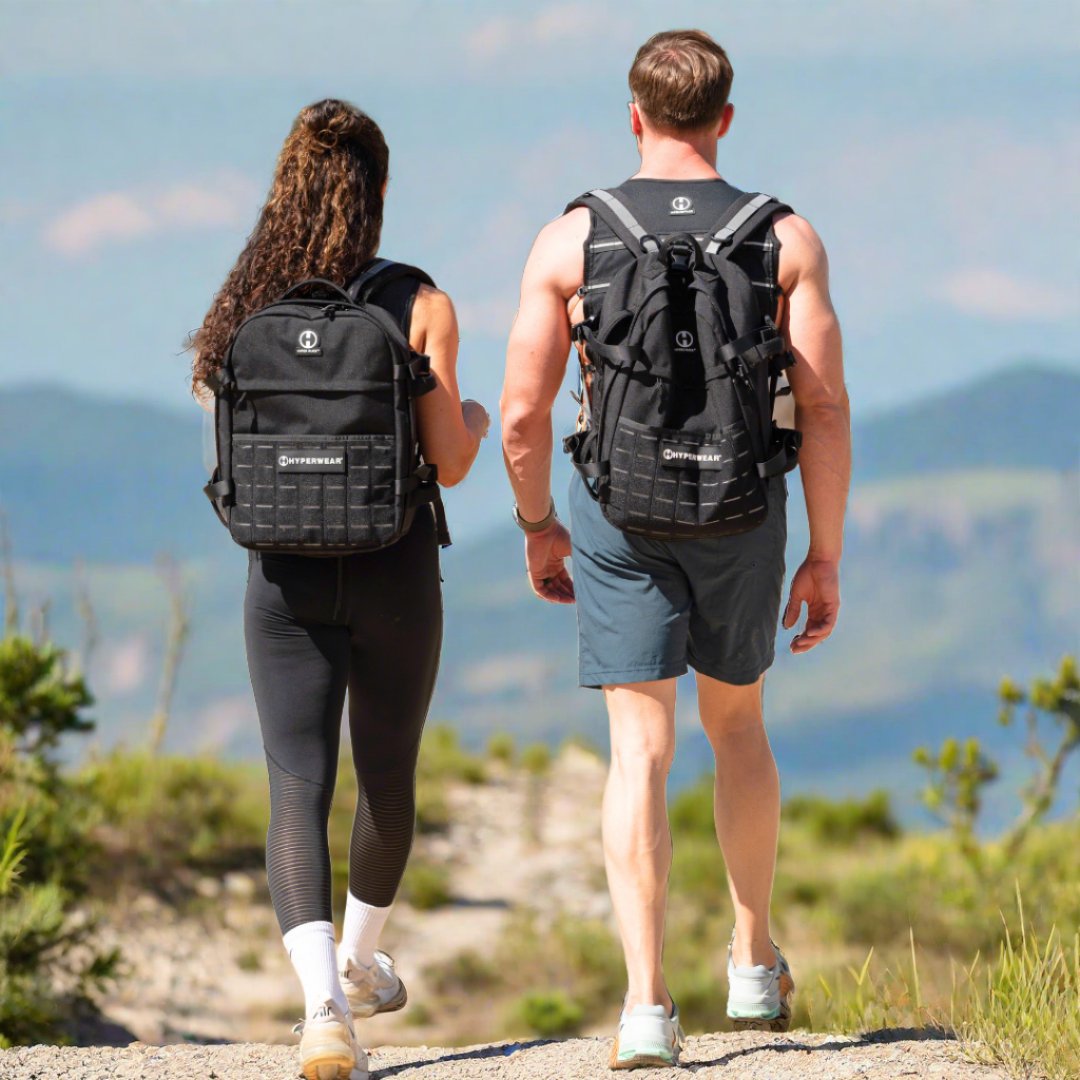
Walking is already one of the most accessible forms of exercise. A weighted vest makes walking more demanding by adding resistance while keeping the movement familiar. UCLA Health notes that walking with a weighted vest may help build more strength and endurance than walking alone, and lists potential benefits including higher calorie burn, higher heart rate, posture challenge, leg strength, and core engagement.
This makes weighted walking useful for people who want a low-impact way to increase intensity without running. It is also a strong support topic for shoppers who are comparing vests for daily fitness, calorie burn, or rucking-style walking.
Read the weighted vest for walking guide
2. Weighted vests can increase calorie burn
When you carry more weight, your body has to do more work to move. That is the basic reason a weighted vest can increase calorie burn during walking, hills, stairs, and conditioning workouts.
A 2024 study in Medicine & Science in Sports & Exercise measured the metabolic cost of walking with weighted vests and developed a model for estimating metabolic rate with vest-borne loads. The study found that the model’s estimates were statistically equivalent to measured metabolic rates in the study and in external reference datasets, supporting the idea that vest load meaningfully changes walking energy cost. You can also estimate your own session with Hyperwear’s calculator.
Calculate weighted vest walking calories
3. Weighted vests can raise cardiovascular demand
A weighted vest can make a familiar walk or circuit feel more like a cardio workout because the added load raises the effort required. Harvard Health describes weighted walking as a way to increase walking intensity and notes that it may help improve the heart’s pumping ability, expand lung capacity, and burn more calories.
For cardio, the goal is not to use the heaviest vest possible. A lighter, secure, close-fitting vest is usually better because it lets you keep a natural stride, posture, and breathing rhythm. For most walkers, start with flat ground before using the vest on hills, stairs, or faster intervals.
4. Weighted vests can improve strength and muscular endurance
A weighted vest turns bodyweight training into loaded bodyweight training. That makes exercises like push-ups, squats, lunges, step-ups, split squats, planks, pull-ups, and carries more challenging without requiring you to hold dumbbells or balance a plate on your back.
This is especially useful when you are strong enough that regular bodyweight exercises no longer feel challenging, but you still want a simple way to progress. A vest keeps your hands free and distributes the load around your torso, which can make it easier to maintain setup and movement quality.
For strength work, choose a vest that fits close to the body and can be adjusted in small increments. The goal is to load the movement without changing your technique.
5. Weighted vests can challenge your core and posture
A weighted vest asks your trunk muscles to stabilize your body while you move. UCLA Health notes that wearing a weighted vest can force more core engagement and may help posture when users walk tall with shoulders back.
The fit of the vest matters here. If the vest bounces, shifts, or hangs loosely, it can distract from good mechanics. A close-fitting vest lets the weight move with you instead of against you.
6. Weighted vests may support bone-loading, but the claim needs nuance
Weighted vests are often discussed for bone health because bones respond to mechanical load. Harvard Health notes that weighted vests place extra pressure on bones, which may help maintain bone mass by stimulating new bone cell growth.
The research is promising but not universal. A long-term study of postmenopausal women found that a 5-year program using weighted vests plus jumping exercise helped maintain hip bone mineral density compared with controls. But a 2025 randomized clinical trial in JAMA Network Open found that, among older adults with obesity undergoing intentional weight loss, weighted vest use did not offset weight-loss-associated hip bone loss.
That means the safest message is this: a weighted vest can be a useful bone-loading tool when paired with appropriate weight-bearing exercise, but it should not be presented as a guaranteed treatment for osteoporosis or bone loss. People with osteoporosis, osteopenia, fractures, balance concerns, pregnancy, or medical conditions should talk with a qualified healthcare professional before using a weighted vest.
7. Weighted vests can make daily activity more productive
One reason weighted vests have become popular is that they can add challenge to activities people already do: walking the dog, climbing stairs, doing chores, or taking short movement breaks. A lighter vest can help turn simple movement into a more demanding session without needing a full gym setup.
This is where adjustable weight matters. If the vest can be loaded in small increments, you can keep the activity sustainable instead of going too heavy too soon.
How heavy should a weighted vest be?
For most beginners using a vest for walking, start around 5% of body weight. If you are already active and the vest feels comfortable, Harvard Health’s 10% guideline is a reasonable upper starter ceiling. For strength training, the right load depends on the exercise, your experience, and whether your form stays clean.
| Body weight | Conservative walking start, about 5% | Upper starter range, about 10% |
|---|---|---|
| 100 lb | 5 lb | 10 lb |
| 125 lb | 6 lb | 12 lb |
| 150 lb | 7.5 lb | 15 lb |
| 175 lb | 9 lb | 17.5 lb |
| 200 lb | 10 lb | 20 lb |
| 225 lb | 11 lb | 22.5 lb |
Increase only one thing at a time: walking time, distance, pace, elevation, workout difficulty, or vest weight. If your stride, posture, breathing, knees, hips, back, or neck feel worse, reduce the load or stop.
Read the full guide: how heavy should a weighted vest be?
Best weighted vest by benefit and goal
The best weighted vest depends on how you plan to use it. A walking vest, women’s wellness vest, and athletic conditioning vest do not need to feel the same.
| Goal | Recommended vest | Why |
|---|---|---|
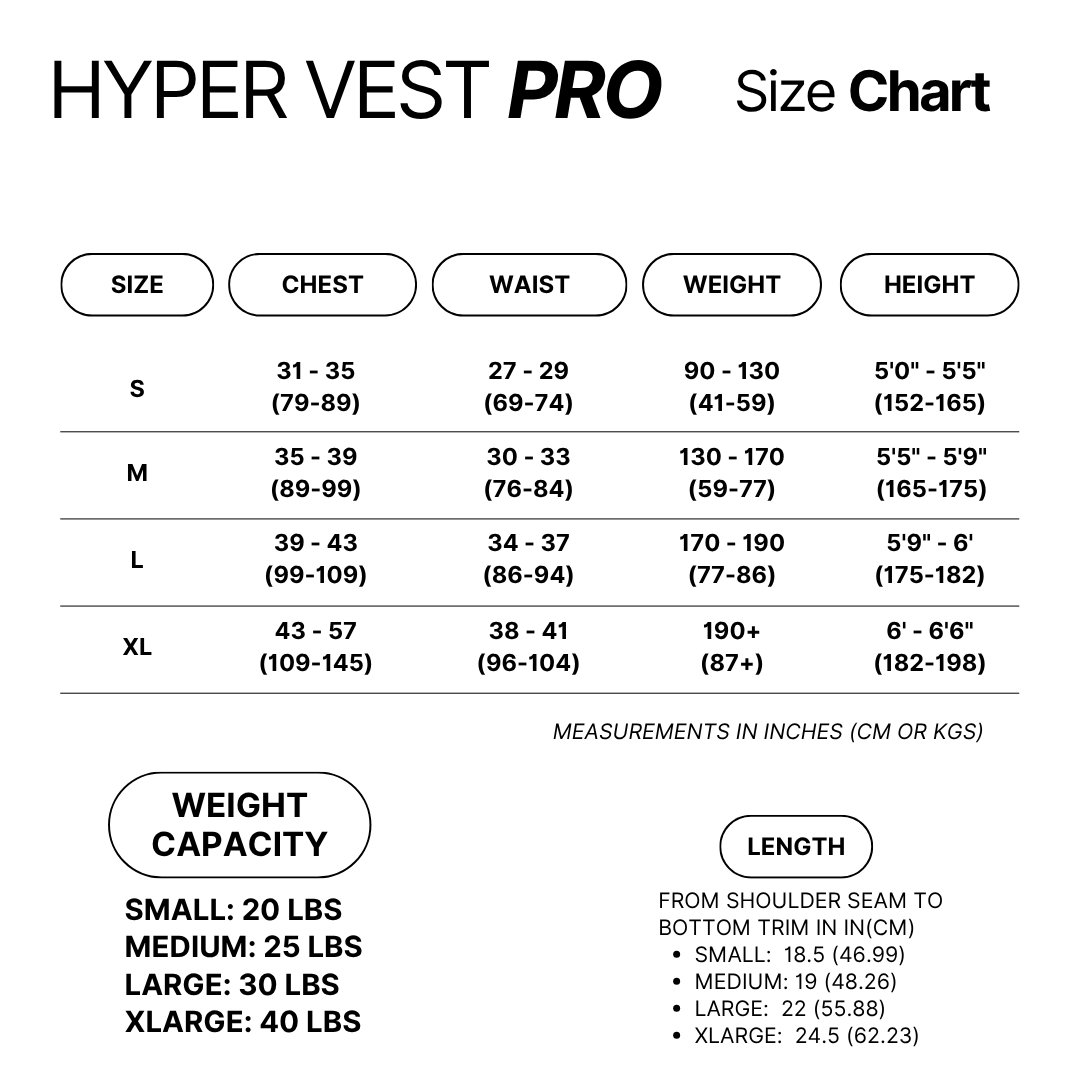
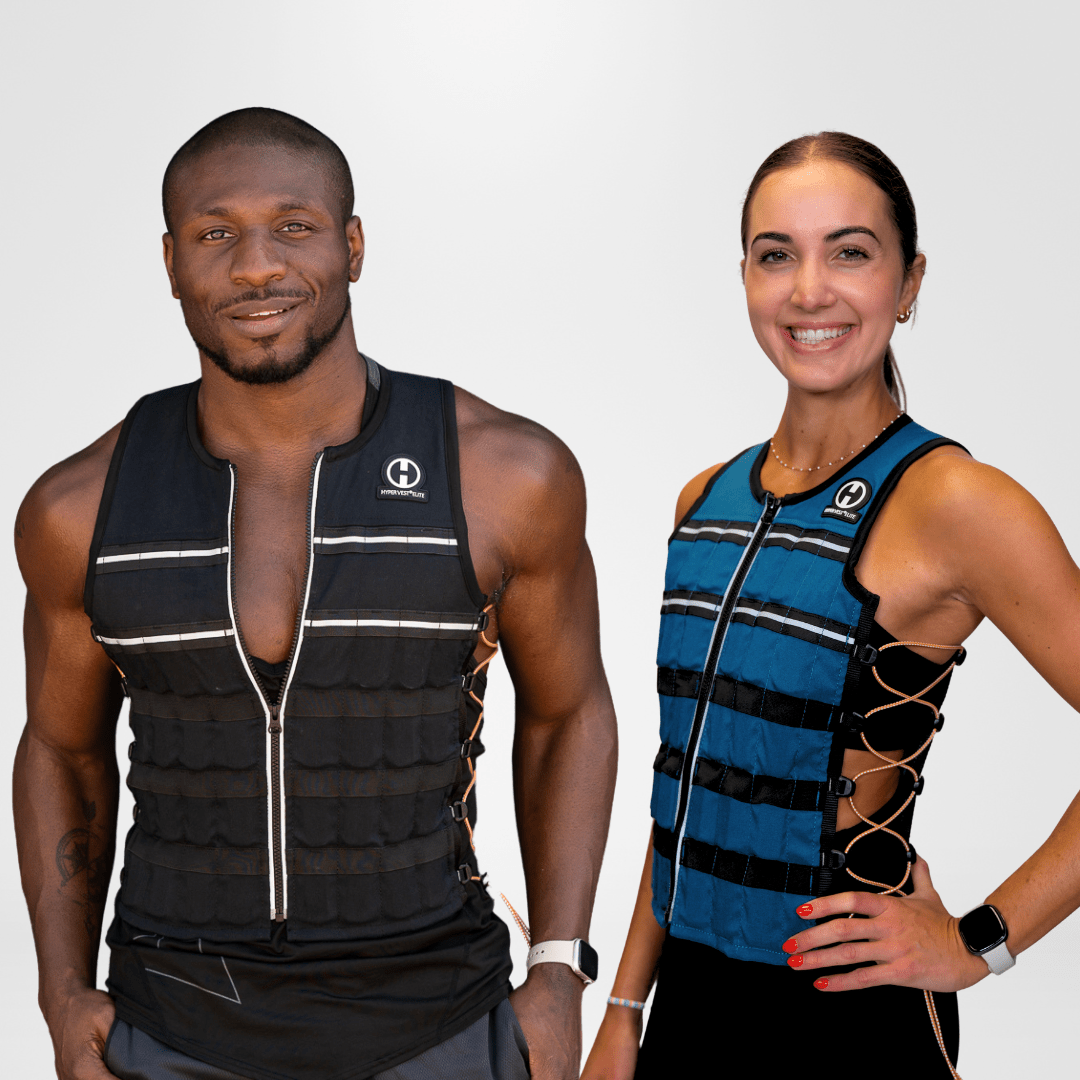
| Everyday walking, calorie burn, general fitness | Hyper Vest PRO | A strong all-around choice for walking, bodyweight workouts, cardio, and progressive loading. |
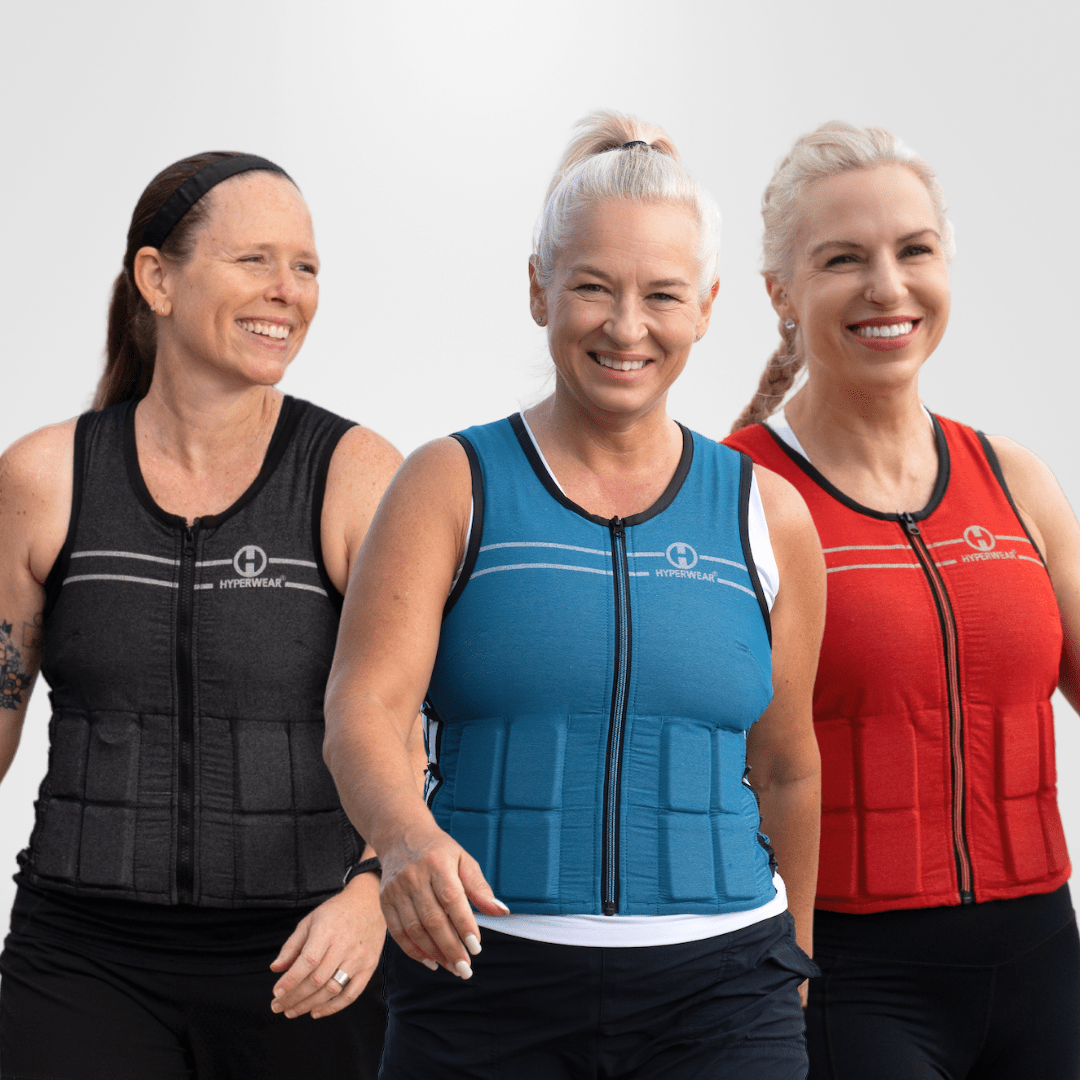
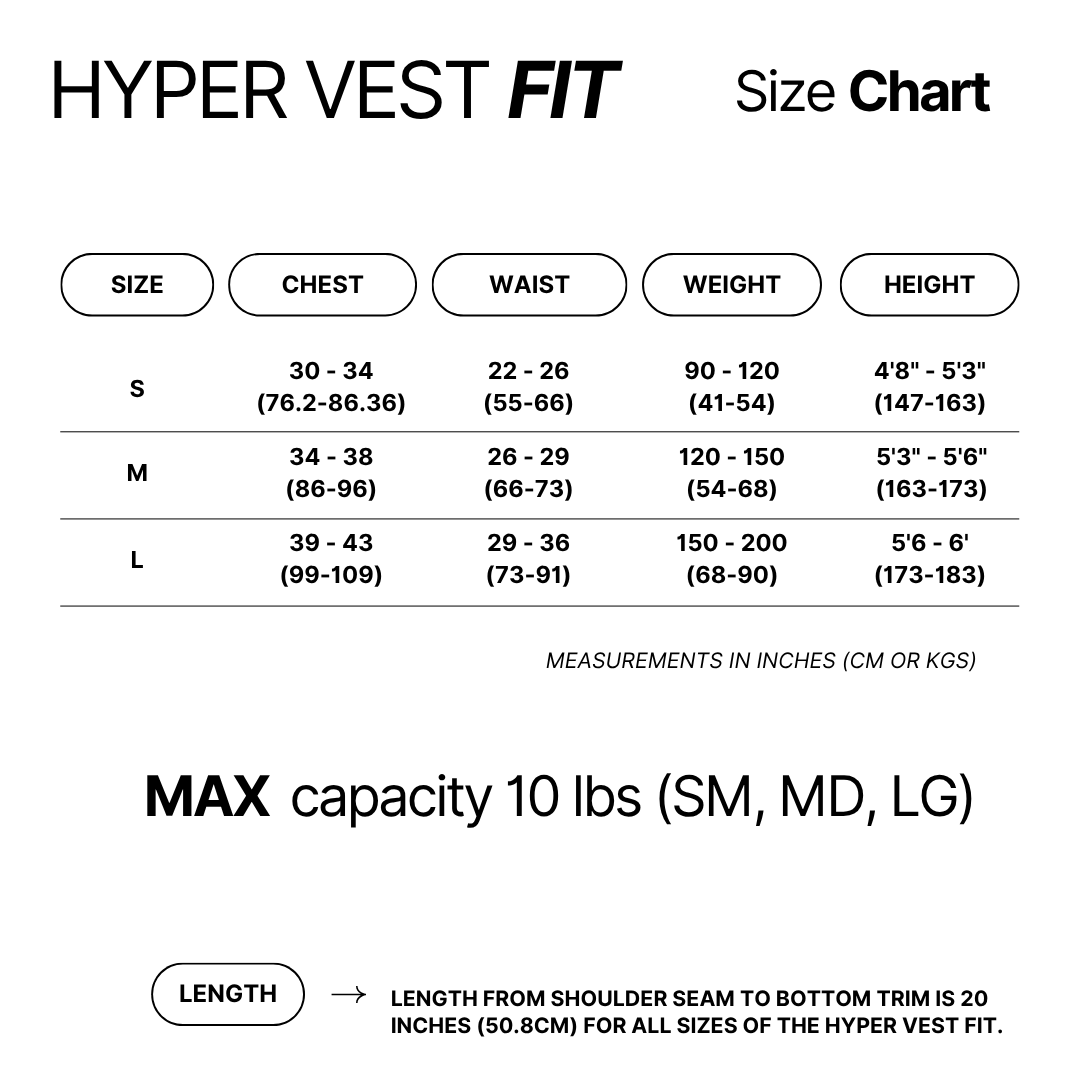
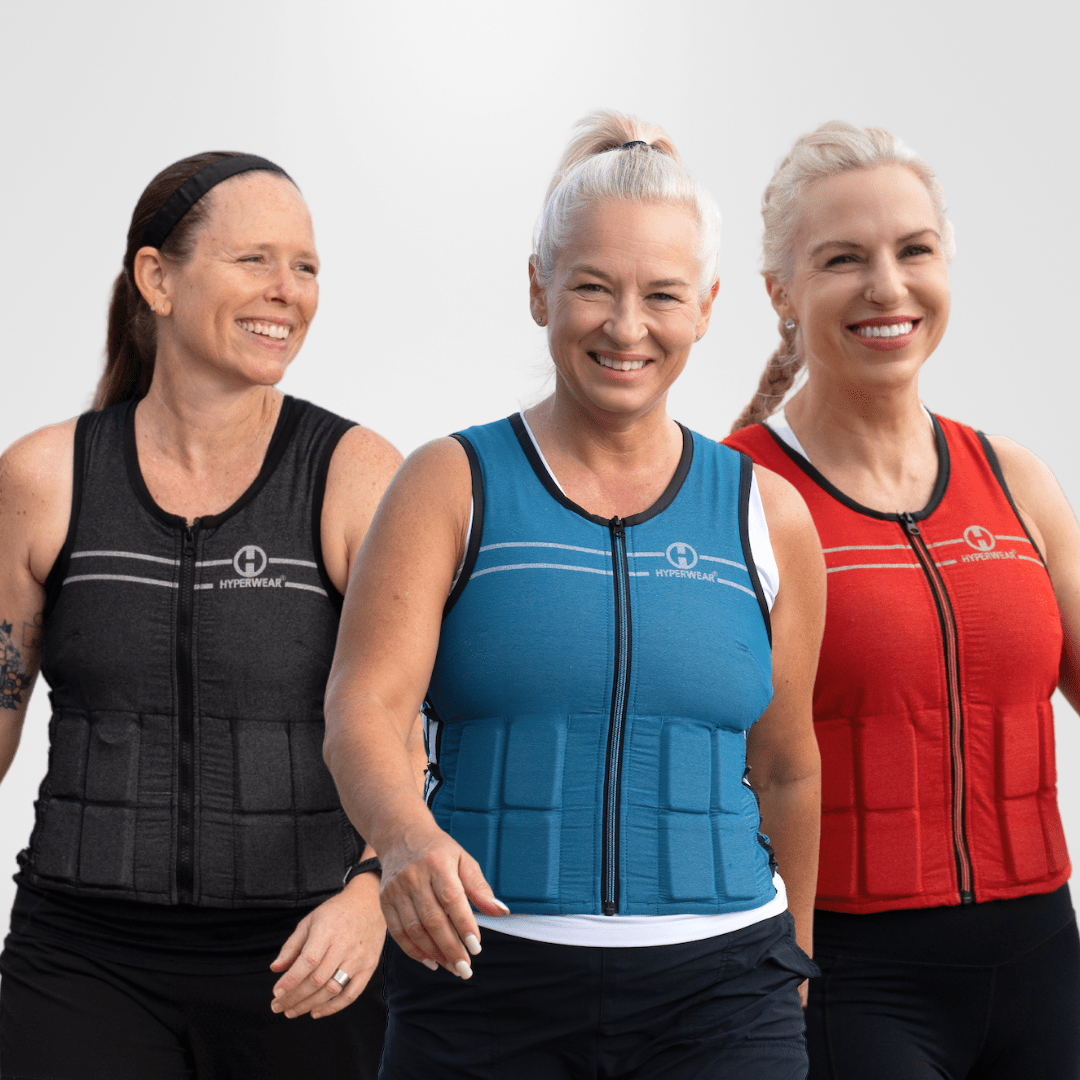
| Women’s walking, daily activity, wellness, lighter progression | Hyper Vest FIT | Designed specifically for women, with no weight in the chest area and small weight adjustments. |
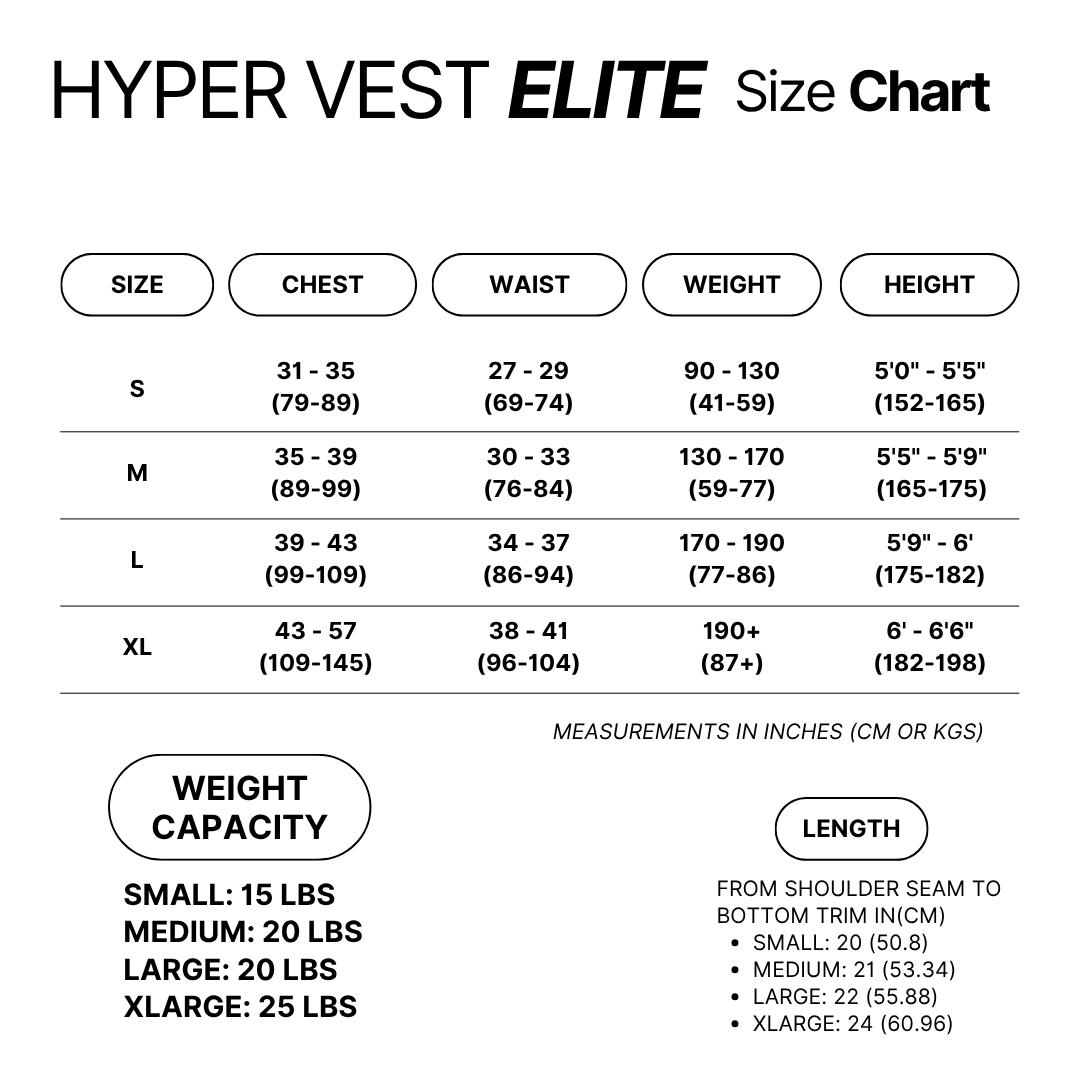
| Power walking, running, HIIT, athletic conditioning | Hyper Vest ELITE | A high-performance option for users who need a close fit, low bounce, durability, and micro-loading. |
Compare all Hyperwear weighted vests
Who should be cautious with weighted vests?
A weighted vest is not the right starting point for everyone. Beginners should build a base with unweighted walking and basic strength training before adding load. People with neck or back pain, arthritis in the hips, knees, or ankles, balance issues, osteoporosis, osteopenia, pregnancy, heart or respiratory conditions, or any medical concern should talk with a healthcare professional before starting.
Use discomfort as feedback. Muscle effort is normal. Sharp pain, joint pain, numbness, dizziness, shortness of breath beyond normal exercise effort, or changes in gait are signs to stop and reassess.
FAQs about weighted vest benefits
What are the benefits of a weighted vest?
A weighted vest can increase workout intensity, calorie burn, cardiovascular demand, muscular endurance, core engagement, and bone-loading stimulus. The benefits depend on how you use it, how heavy it is, and whether you progress gradually.
Are weighted vests good for walking?
Yes, weighted vests can be useful for walking because they add resistance while keeping the movement familiar. Start around 5% of body weight, use flat ground first, and build time or distance before adding more weight.
Do weighted vests help burn more calories?
Yes. Carrying extra weight generally increases the energy cost of walking and exercise. For a personalized estimate, use Hyperwear’s weighted vest and rucking calorie calculator.
Do weighted vests build muscle?
A weighted vest can help improve strength and muscular endurance by making bodyweight exercises harder. It is especially useful for exercises like squats, lunges, push-ups, step-ups, and pull-ups. It should complement, not replace, a well-rounded strength program.
Do weighted vests help bone density?
Weighted vests may support bone-loading when paired with appropriate weight-bearing exercise, but they should not be described as a guaranteed way to improve bone density. Research is mixed, and people with osteoporosis or osteopenia should ask a healthcare professional before using one.
How heavy should a weighted vest be?
For walking, many beginners should start around 5% of body weight. A 10% vest can be an upper starter range for people who are already active and comfortable. Add load slowly and stop if it changes your posture, stride, breathing, or joint comfort.
Can you wear a weighted vest every day?
Some experienced users may wear a light vest frequently, but beginners should start with 1 to 3 sessions per week. Keep some walks and workouts unloaded so your joints, muscles, and recovery can adapt.
Is a weighted vest better than a backpack?
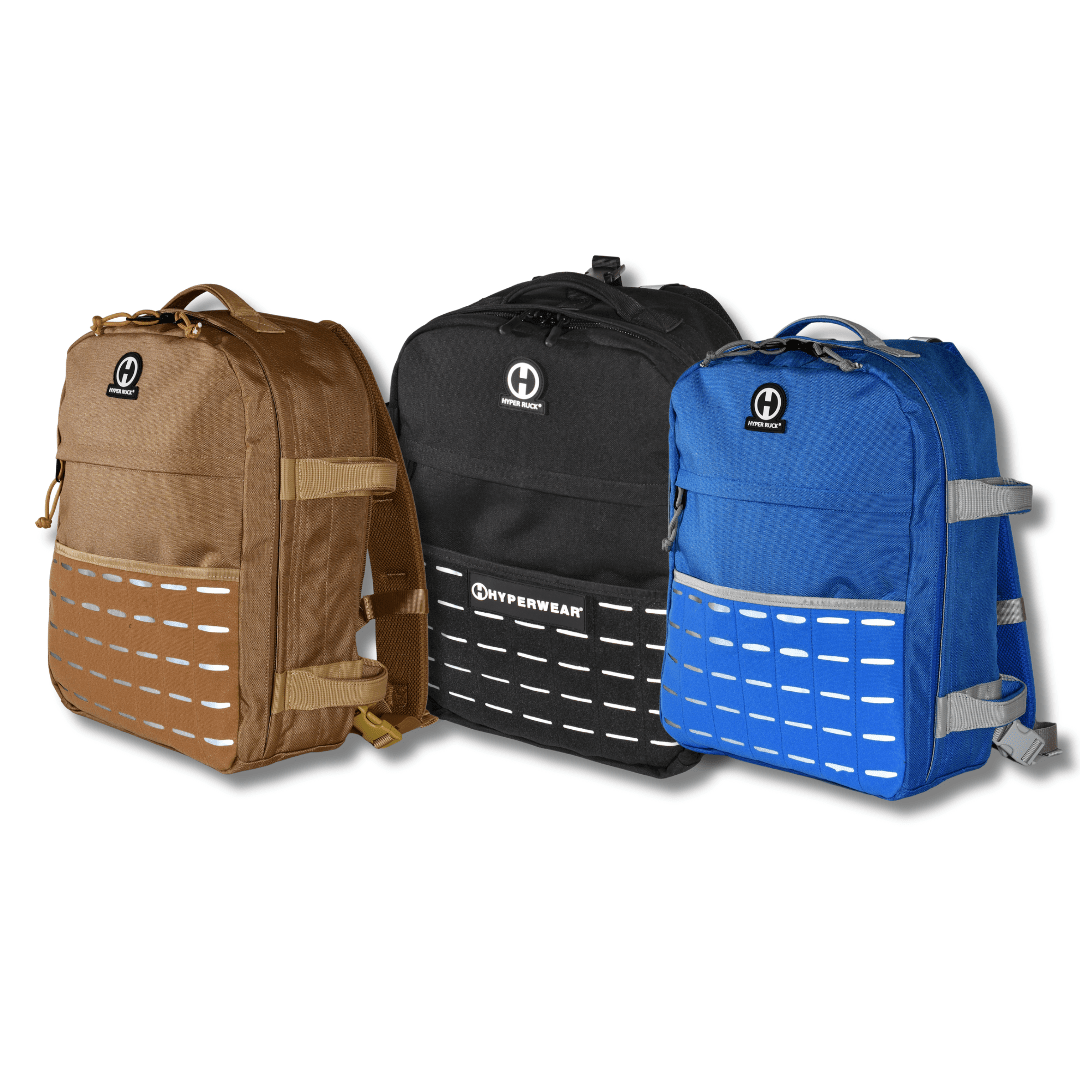
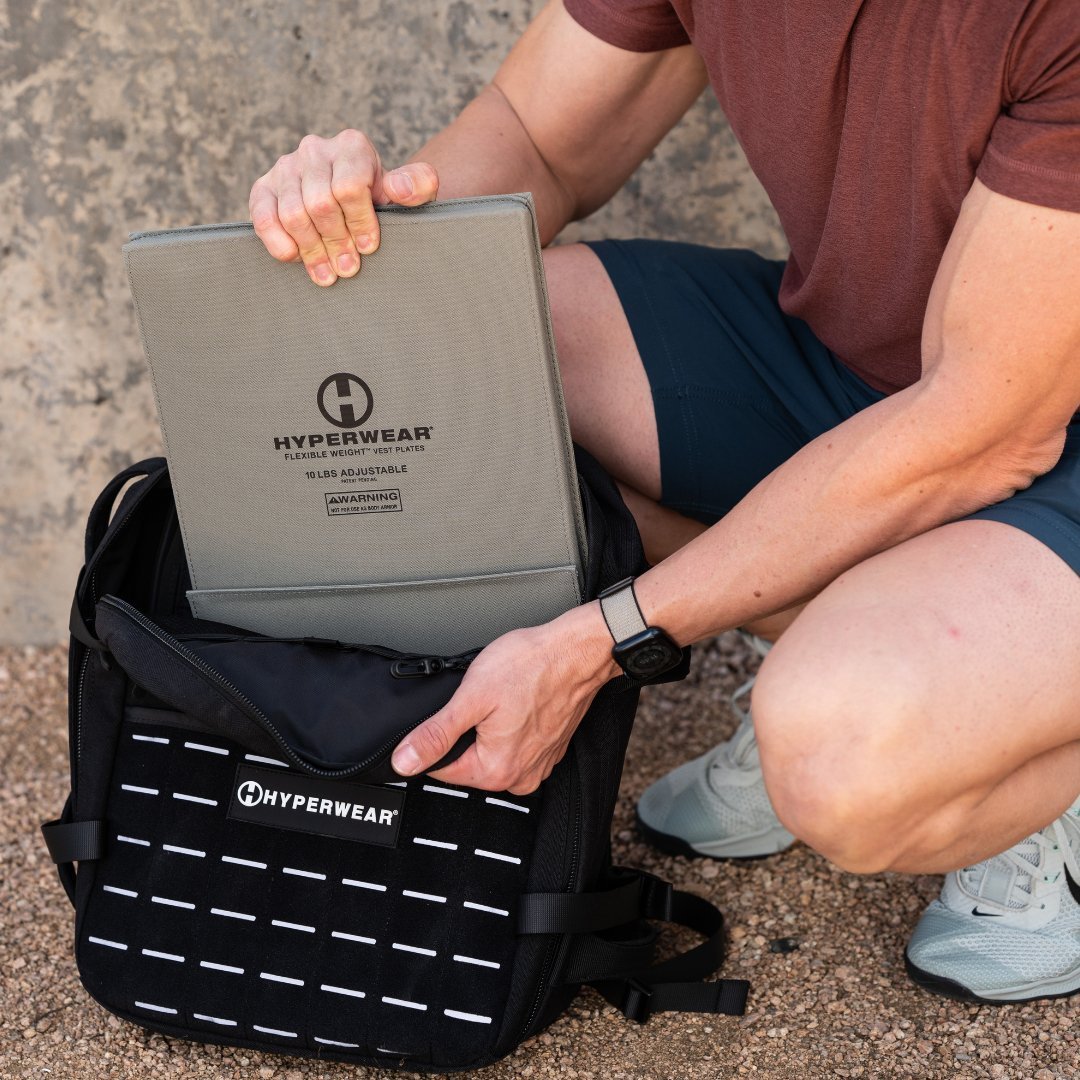
For daily walking and moderate loads, many people prefer a weighted vest because it distributes load around the torso. A backpack places more weight behind the body and may shift posture or balance more.
Sources and further reading
- UCLA Health: Should you walk with a weighted vest?
- Harvard Health: What are the benefits of walking with a weighted vest?
- Looney et al., 2024: Metabolic Costs of Walking with Weighted Vests
- Snow et al., 2000: Weighted vest plus jumping exercise and hip bone loss in postmenopausal women
- Beavers et al., 2025: Weighted vest use or resistance exercise to offset weight-loss-associated bone loss in older adults