


Rucking—walking with added weight—is one of the simplest and most effective ways to build strength. When done outdoors, it becomes something more: a practical way to train Metabolic Strength™.
Metabolic Strength is the body’s capacity to efficiently use energy, preserve muscle, regulate temperature, and adapt to physical and environmental stress over time. Rucking outdoors naturally challenges all of these systems at once.
This article explains:
-
What rucking is
-
Why it counts as strength training
-
How outdoor rucking supports metabolic adaptation
-
Why load, movement, and environment matter together
-
How to ruck safely and sustainably
Educational disclaimer: This content is for general wellness education only. Rucking is not a medical treatment and should be adapted to individual ability and health status.
What Is Rucking?
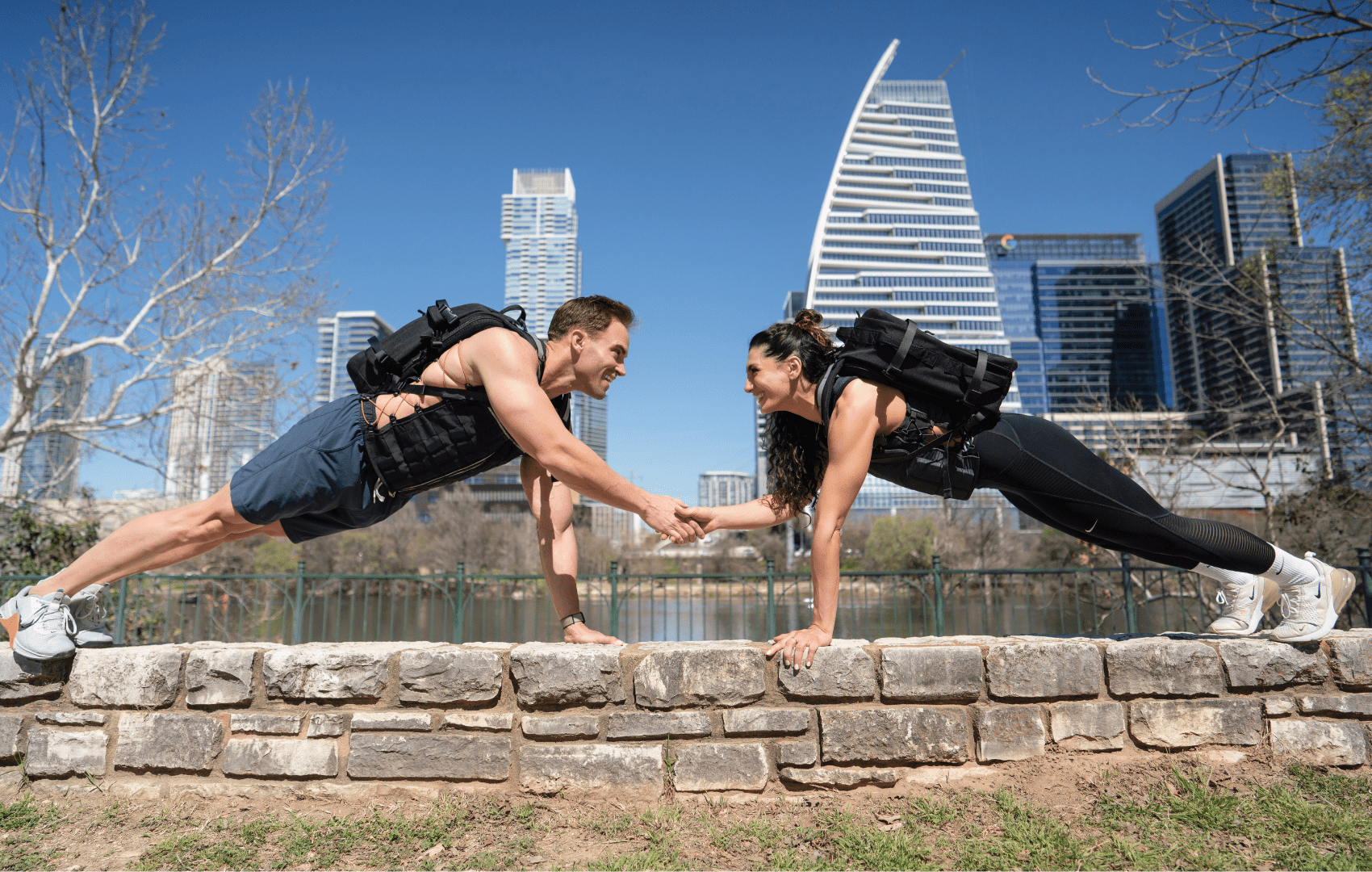
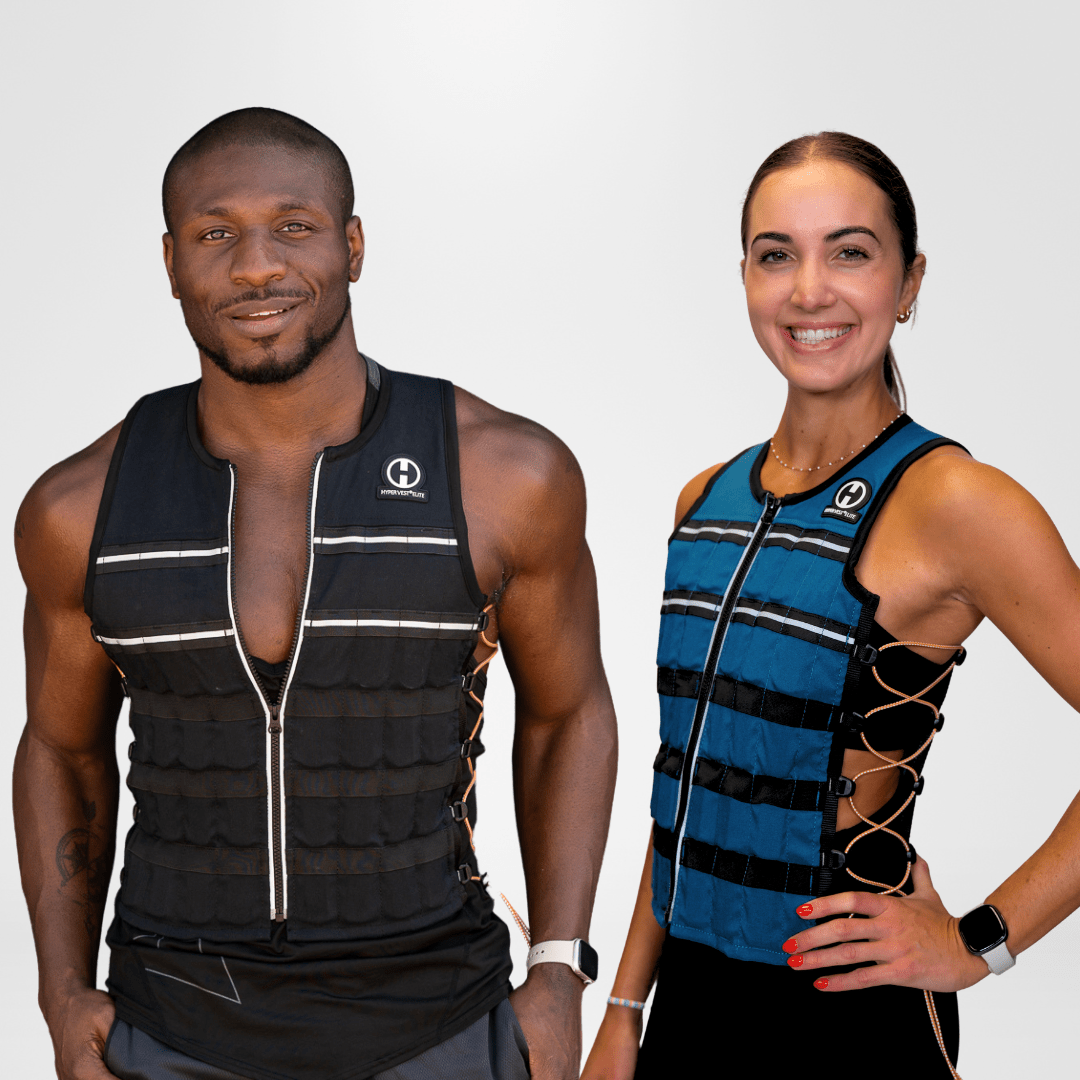
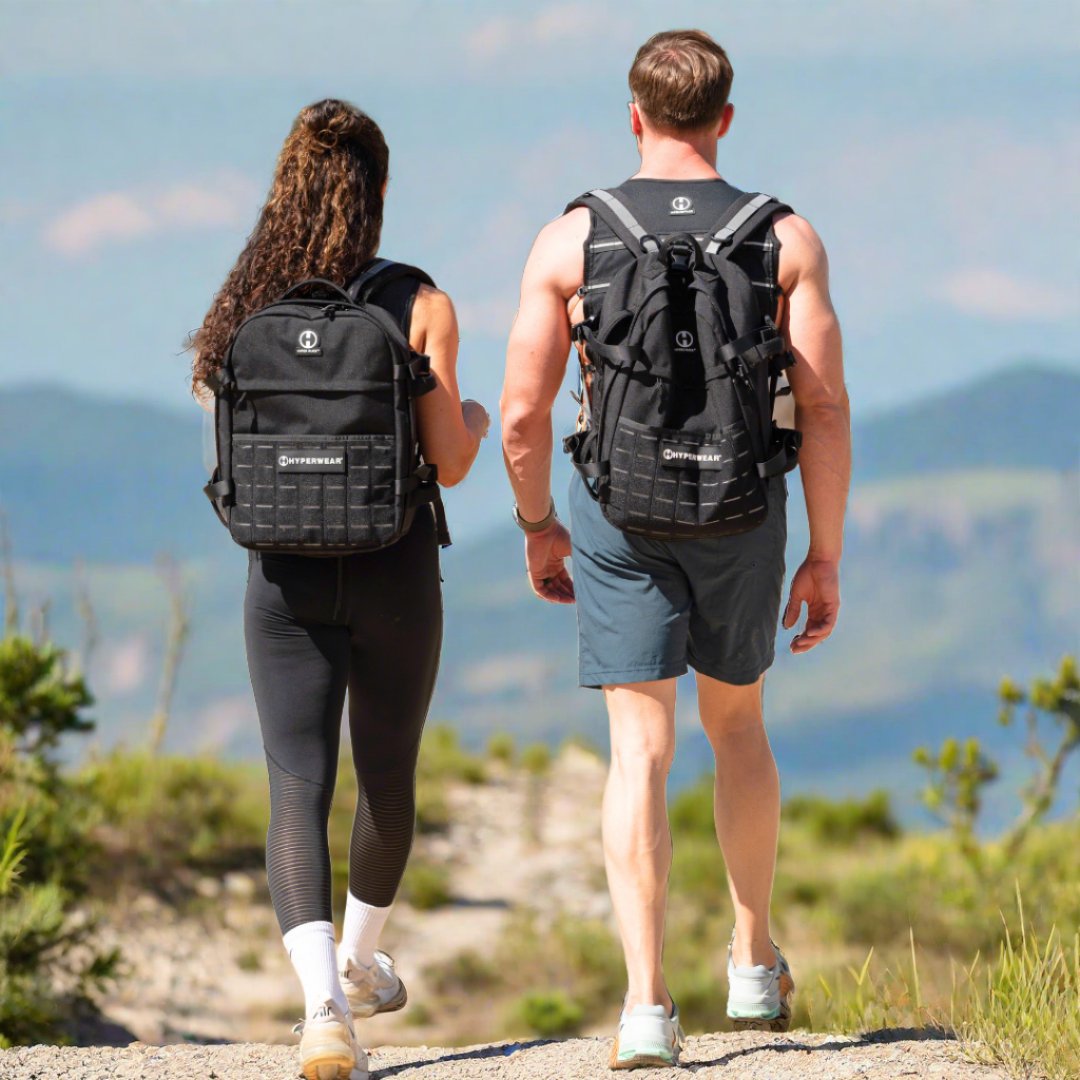
Rucking is walking while carrying added load, typically using a weighted vest or backpack. The term comes from military training, but rucking has become popular because it is:
-
Simple
-
Scalable
-
Accessible
-
Highly functional
Unlike many workouts, rucking:
-
Uses natural movement
-
Requires no special skills
-
Can be done almost anywhere
Most importantly, it places a meaningful load on the body—one of the key requirements for building strength.
Why Rucking Is Strength Training
Strength training is not defined by barbells—it’s defined by load.
Rucking qualifies as strength training because it:
-
Increases force demands on muscles
-
Challenges posture and trunk stability
-
Engages the hips, legs, and upper body
-
Requires muscular work over time
The added weight signals the body to:
-
Preserve and build muscle
-
Strengthen connective tissue
-
Improve movement efficiency
This makes rucking especially valuable for people who want strength that translates to everyday life.
Skeletal Muscle and Metabolic Strength
Skeletal muscle is a primary driver of Metabolic Strength.
Muscle:
-
Is the largest site of glucose uptake
-
Plays a key role in energy regulation
-
Preserves structural integrity under stress
Rucking activates large muscle groups for extended periods, increasing:
-
Glucose uptake
-
Energy demand
-
Muscular endurance
Over time, this supports metabolic capacity, not just calorie burn.
➡️ Related reading:
Why Strength Training Builds Metabolic Strength
Why Outdoor Rucking Is Different
Rucking indoors and outdoors are not the same experience.
Outdoor rucking adds:
-
Environmental temperature variation
-
Uneven terrain
-
Wind, elevation, and surface changes
-
Natural light and sensory input
These factors require the body to:
-
Regulate temperature
-
Adjust movement patterns
-
Coordinate balance and posture
-
Adapt continuously
This environmental variability is a powerful way to train adaptive capacity, a core component of Metabolic Strength™.
Rucking and Mild Cold Exposure
When rucking is performed in cool or cold weather, the body must manage:
-
Muscular work from load-bearing movement
-
Heat production and retention
-
Energy use under thermal stress
This does not require extreme cold. Mild, tolerable cold is sufficient to engage thermoregulatory systems.
Importantly:
-
The goal is adaptation, not discomfort
-
Shivering or excessive cold is unnecessary
-
Layering and pacing matter
This combination of movement and environment mirrors how humans have trained strength for most of history.
➡️ Related reading:
Brown Fat and Cold Exposure: What Science Actually Shows
Rucking, Aging, and Strength That Lasts
As people age, the body naturally loses muscle and metabolic capacity if those systems are not trained.
Rucking is especially valuable because it:
-
Preserves muscle mass
-
Maintains bone and connective tissue loading
-
Supports balance and posture
-
Scales easily with age and ability
Because load can be adjusted gradually, rucking supports long-term consistency, which matters more than intensity.
How Rucking Fits the Metabolic Strength™ Framework
Rucking trains multiple aspects of Metabolic Strength™ at once:
-
Muscular strength: load-bearing movement
-
Metabolic strength: increased energy demand and glucose use
-
Thermoregulatory strength: adaptation to outdoor conditions
-
Adaptive strength: responding to terrain and environment
This integration is why rucking aligns so well with Get Strong for Life®.
➡️ Explore the full framework:
Metabolic Strength™: How Strength Training, Cold Exposure, and Brown Fat Support the Body for Life
How to Start Rucking Safely
Rucking does not require heavy weight to be effective.
General guidelines:
-
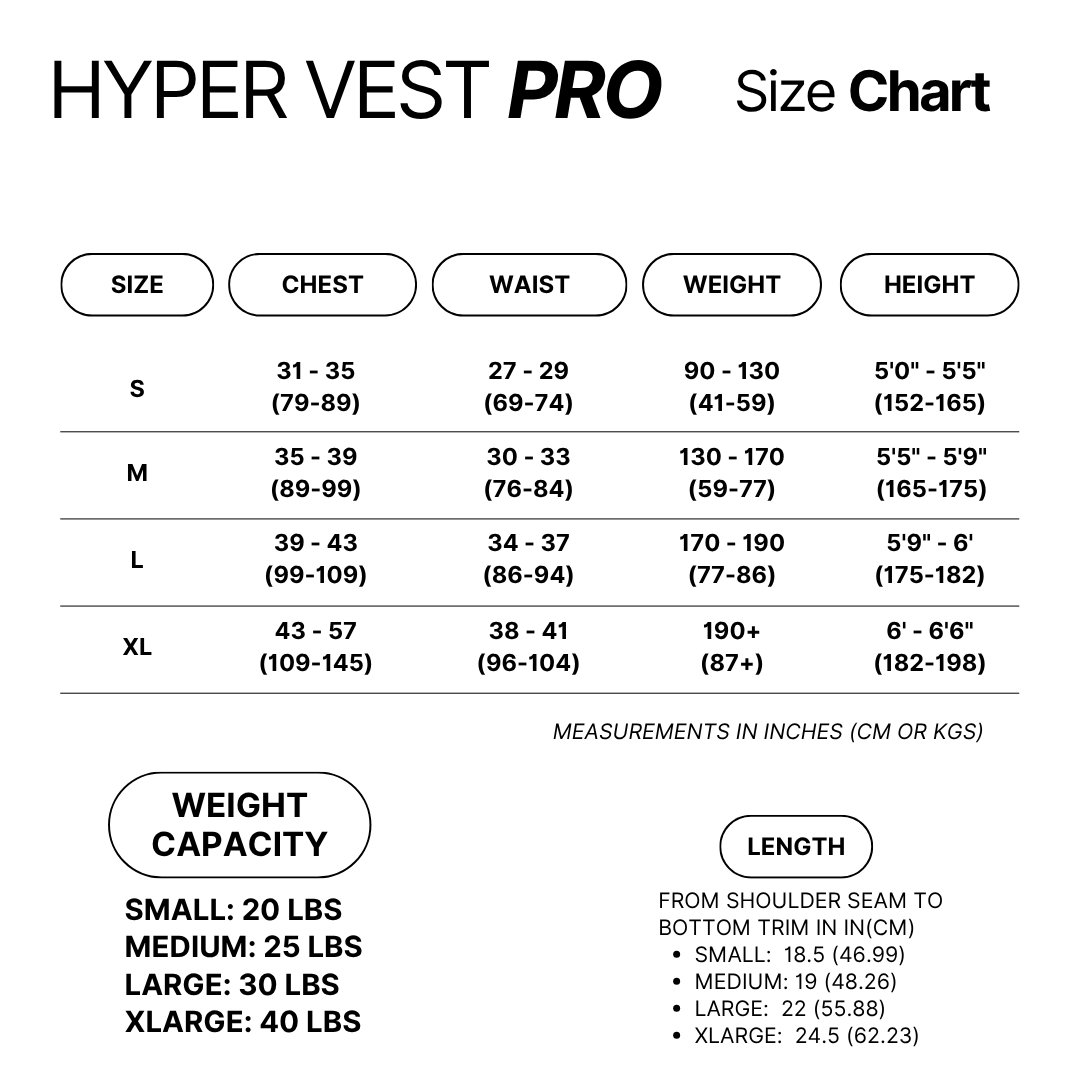
Start with 5–10% of body weight
-
Walk at a conversational pace
-
Choose flat terrain initially
-
Ruck for 20–40 minutes
-
Increase load gradually
Good posture matters:
-
Stand tall
-
Keep load secure and balanced
-
Avoid leaning forward excessively
Anyone with joint issues, recent surgery, or medical conditions should consult a healthcare professional before adding load.
Where Hyperwear Fits
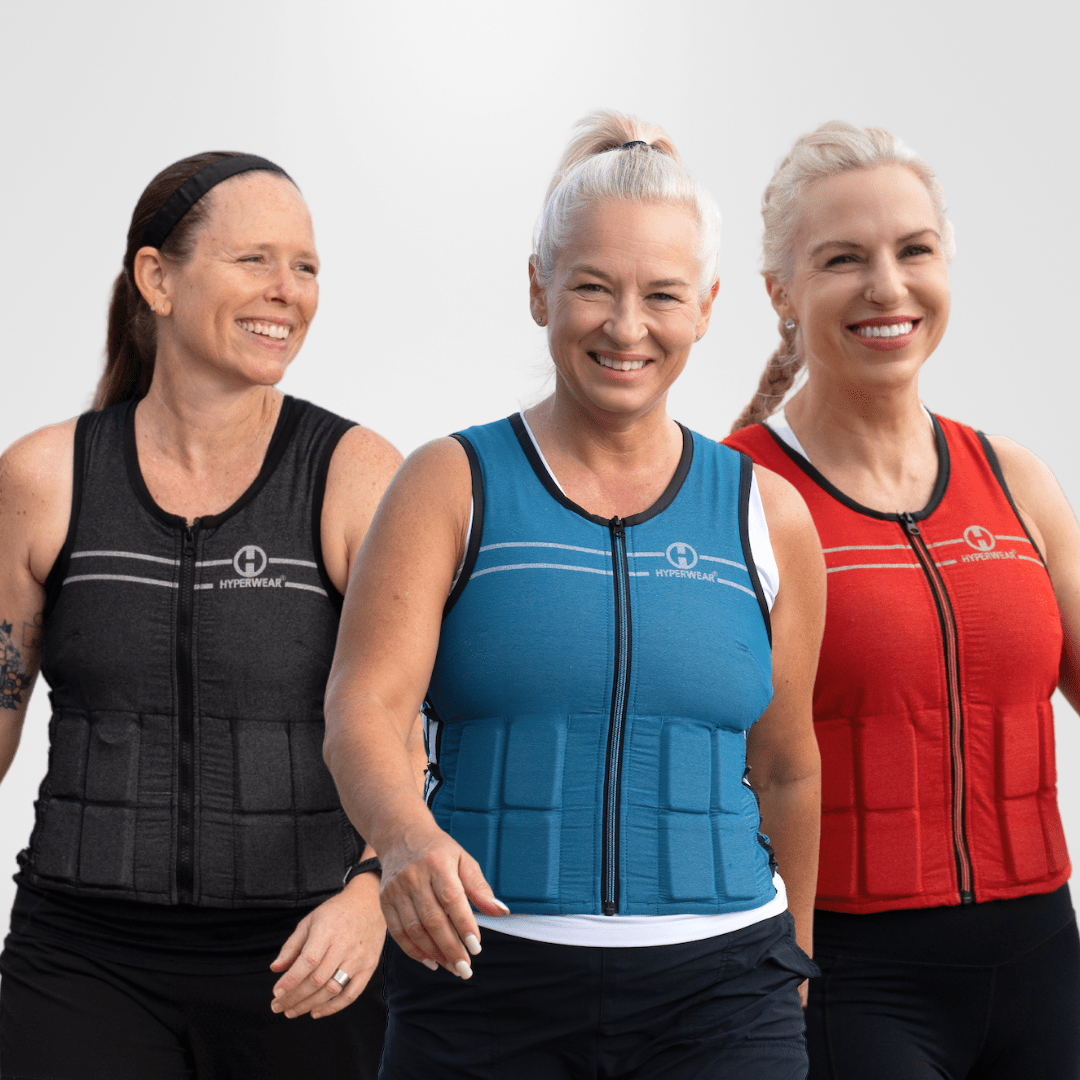
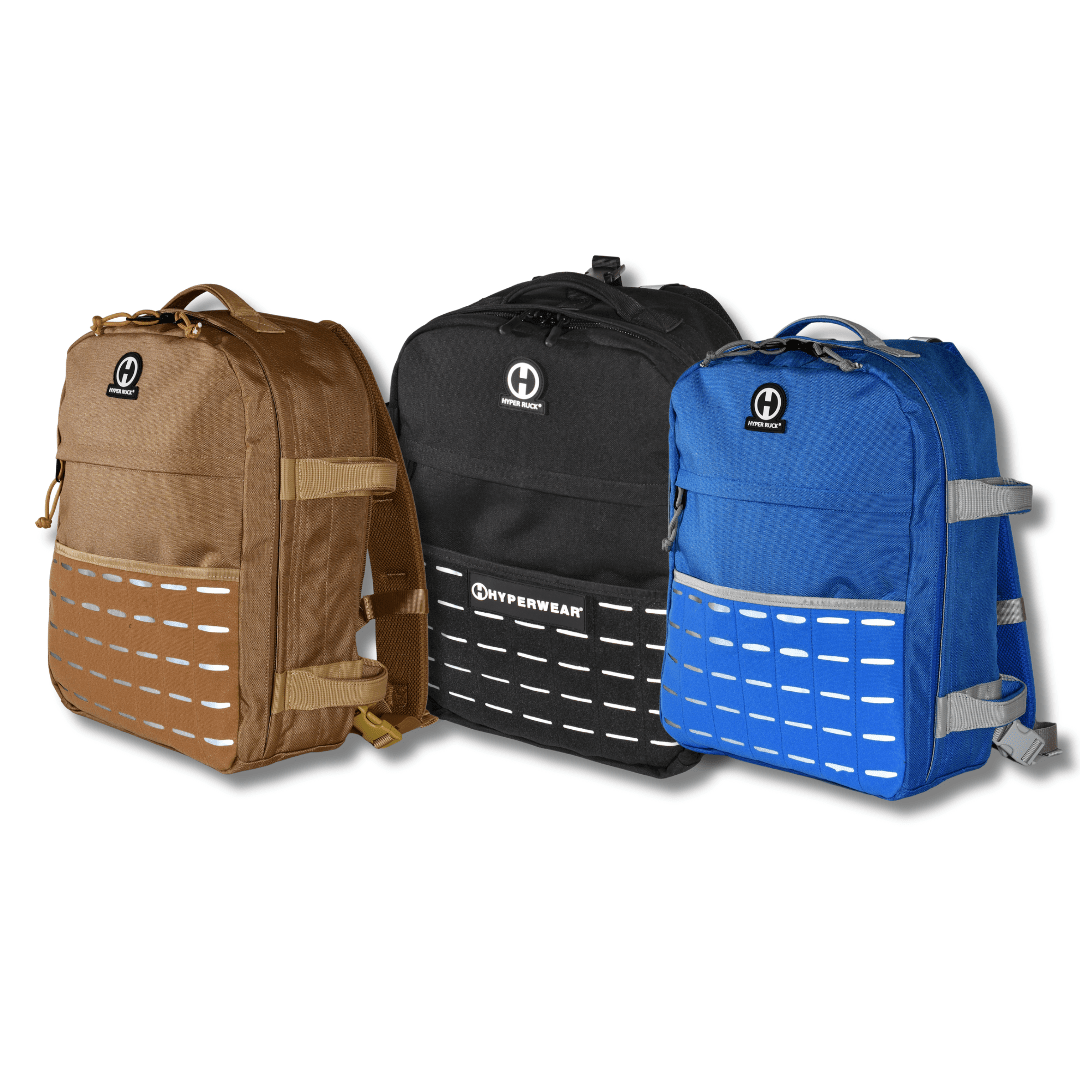
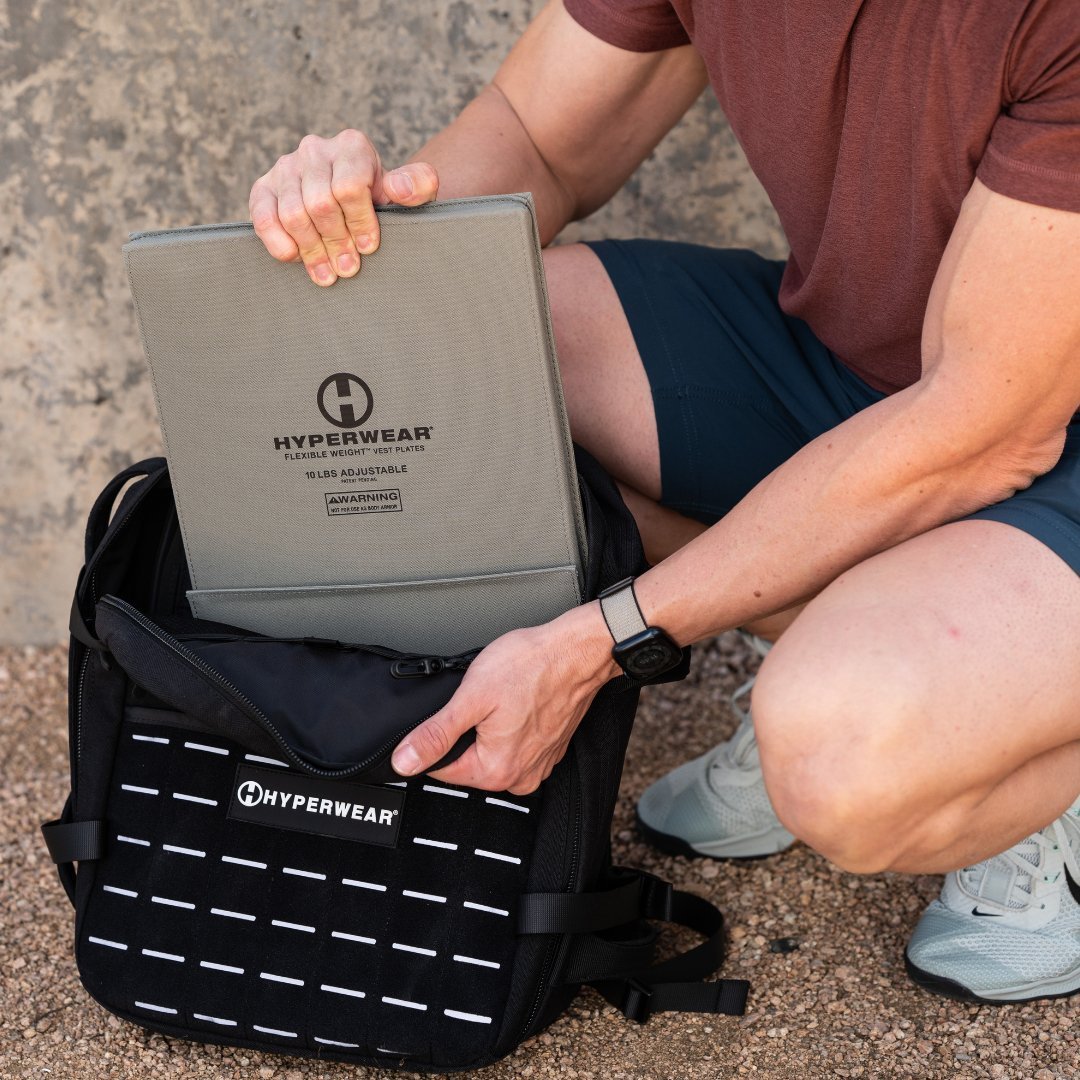
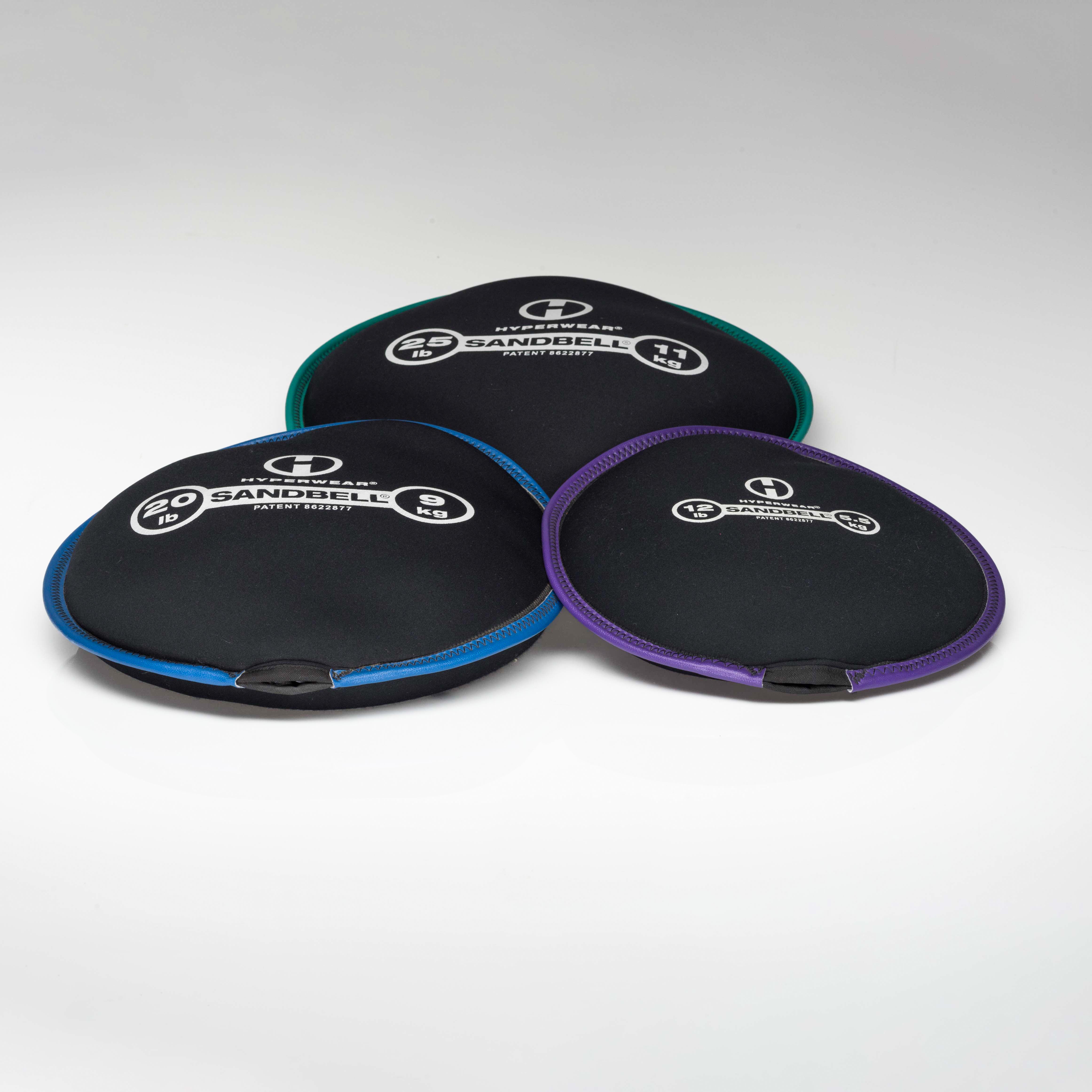
Hyperwear designs tools to support functional strength training in real-world conditions, including:
-
Weighted vests for balanced load
-
Rucking backpacks designed for comfort and stability
-
Training systems that prioritize movement, durability, and adaptability
Our goal is not extreme performance—it’s helping people build strength they can rely on for life.
Key Takeaways
-
Rucking is legitimate strength training
-
Outdoor rucking adds environmental adaptation
-
Load-bearing movement supports muscle and metabolism
-
Mild cold exposure challenges thermoregulation
-
Consistency matters more than intensity
-
Strength built functionally is strength you keep
Final Thought
Rucking outdoors isn’t about pushing limits—it’s about training the body to handle real-world demands.
When strength training, movement, and environment come together, you build more than muscle. You build Metabolic Strength™—the foundation of strength that lasts. That’s how you Get Strong for Life®