
Brown fat is back in the research spotlight. A new study published in Nature raises questions about how this heat-producing tissue relates to human health—and what researchers still need to learn.
At Hyperwear, the topic has a long history. We have developed wearable cooling products and related patents, and we encourage people to make outdoor movement part of everyday life. That makes the research relevant to our work. Understanding its limits matters just as much.
What is brown fat?
Brown adipose tissue, usually called brown fat, is a type of fat that uses energy to produce heat. White fat primarily stores energy; brown fat has a specialized role in helping the body respond to cold.
Researchers can study its activity using imaging and controlled cooling experiments. Brown-fat activity is a physiological measurement, however—not a direct measure of someone’s fitness or overall health.
What the new Nature study found
In October 2026, Gómez-Banoy and colleagues published an analysis of 101,243 patients seen at a large cancer center. They examined clinical records and PET–CT scans, using machine learning to quantify brown-fat activity in a subset of approximately 8,700 patients.
Detectable brown fat was associated with lower recorded rates of cardiovascular and psychiatric conditions. Greater measured activity was also associated with more favorable metabolic indicators.
These are associations. The retrospective design cannot establish that brown fat caused better health. The patient population and clinical scanning conditions also limit how broadly the results can be applied.
The study did not test outdoor rucking or Hyperwear cooling products. It does not establish that using a vest or walking in cool air will produce the outcomes observed.
What cold-exposure research adds
Separate human experiments show that controlled cold exposure can activate brown fat. In a small 2013 study, repeated exposure to a cool indoor environment increased brown-fat activity and nonshivering heat production in healthy young adults.
That experiment involved a supervised protocol over ten days. Participants remained sedentary during the cooling sessions. It was a different situation from taking a walk outside or wearing a commercial cooling garment.
A demonstrated change in brown-fat activity does not, by itself, establish lasting weight loss or a medical benefit. There is no brown-fat “dose” for an everyday ruck that we can recommend from these findings.
Why Hyperwear follows this science
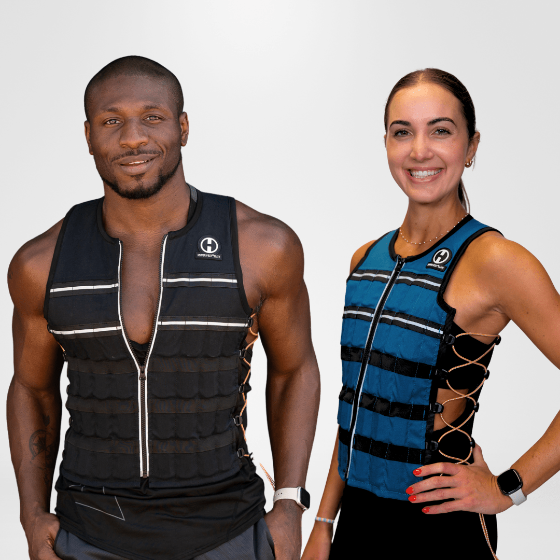
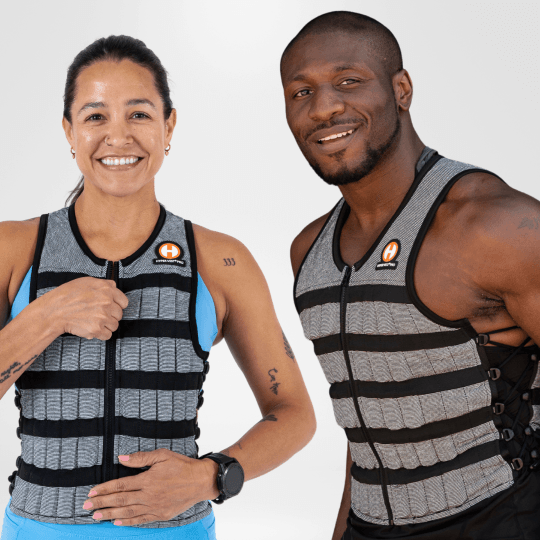
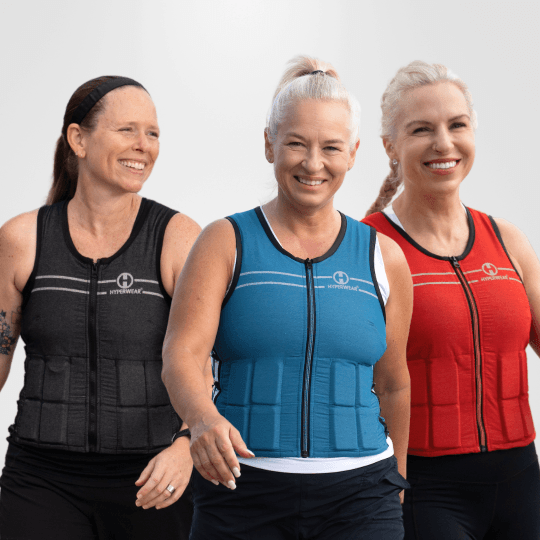
Hyperwear’s interest in wearable cooling predates this latest study. Our development work includes the Cool2Shape cooling vest and wraps and patents concerning cooling garments designed around brown-fat thermogenesis, including U.S. Patents 8,800,311 and 8,950,207.
That history explains our interest in the research. Patents document inventions; clinical evidence is needed to establish health outcomes. The new Nature study should not be read as validation of Cool2Shape or any other Hyperwear product.
Where outdoor rucking fits
Our practical interest in cooler weather is straightforward: it can be an inviting time to get outside and keep moving.
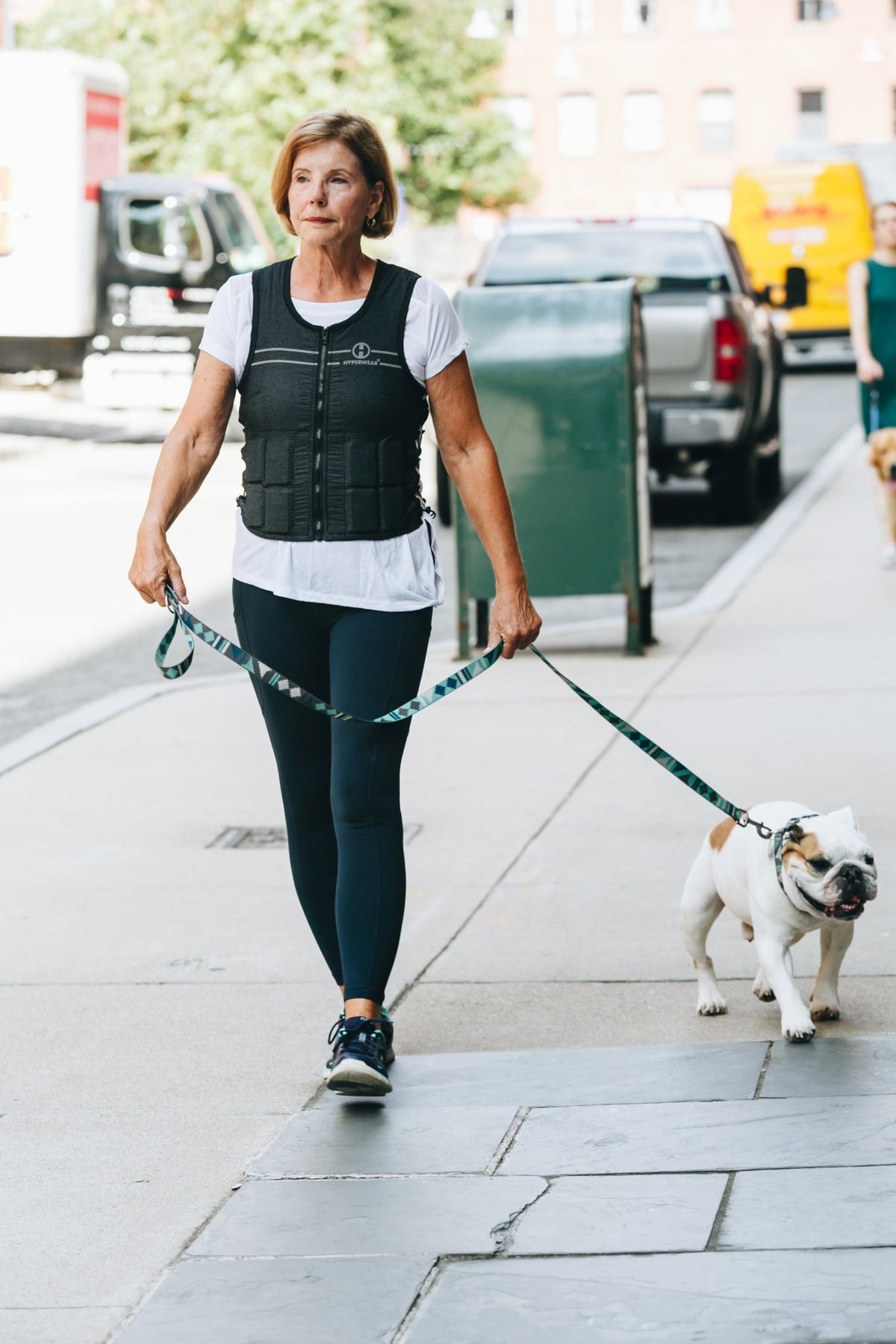
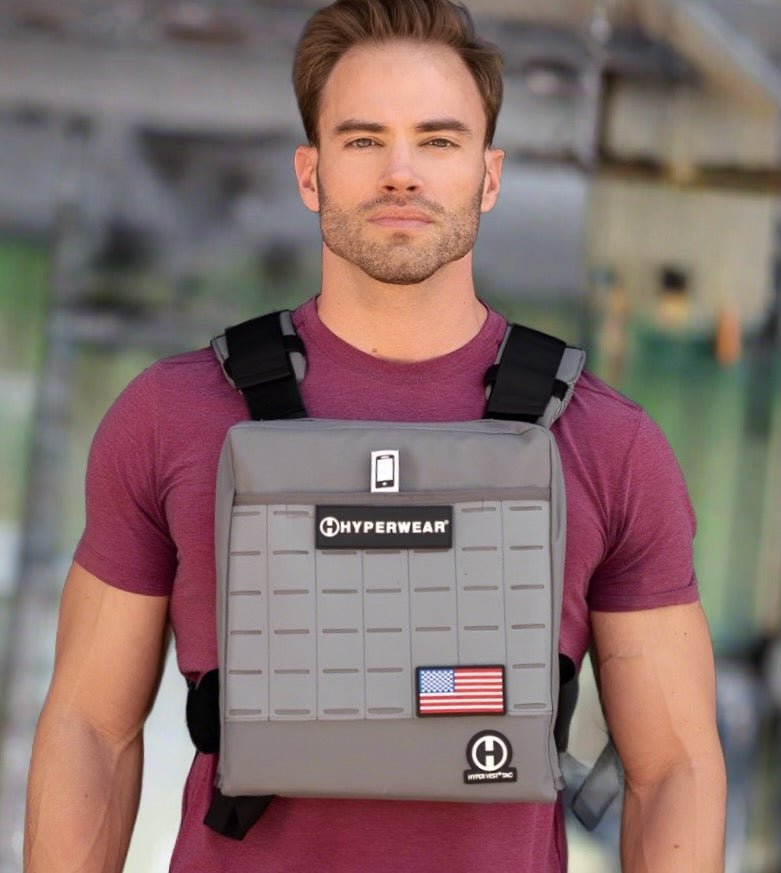
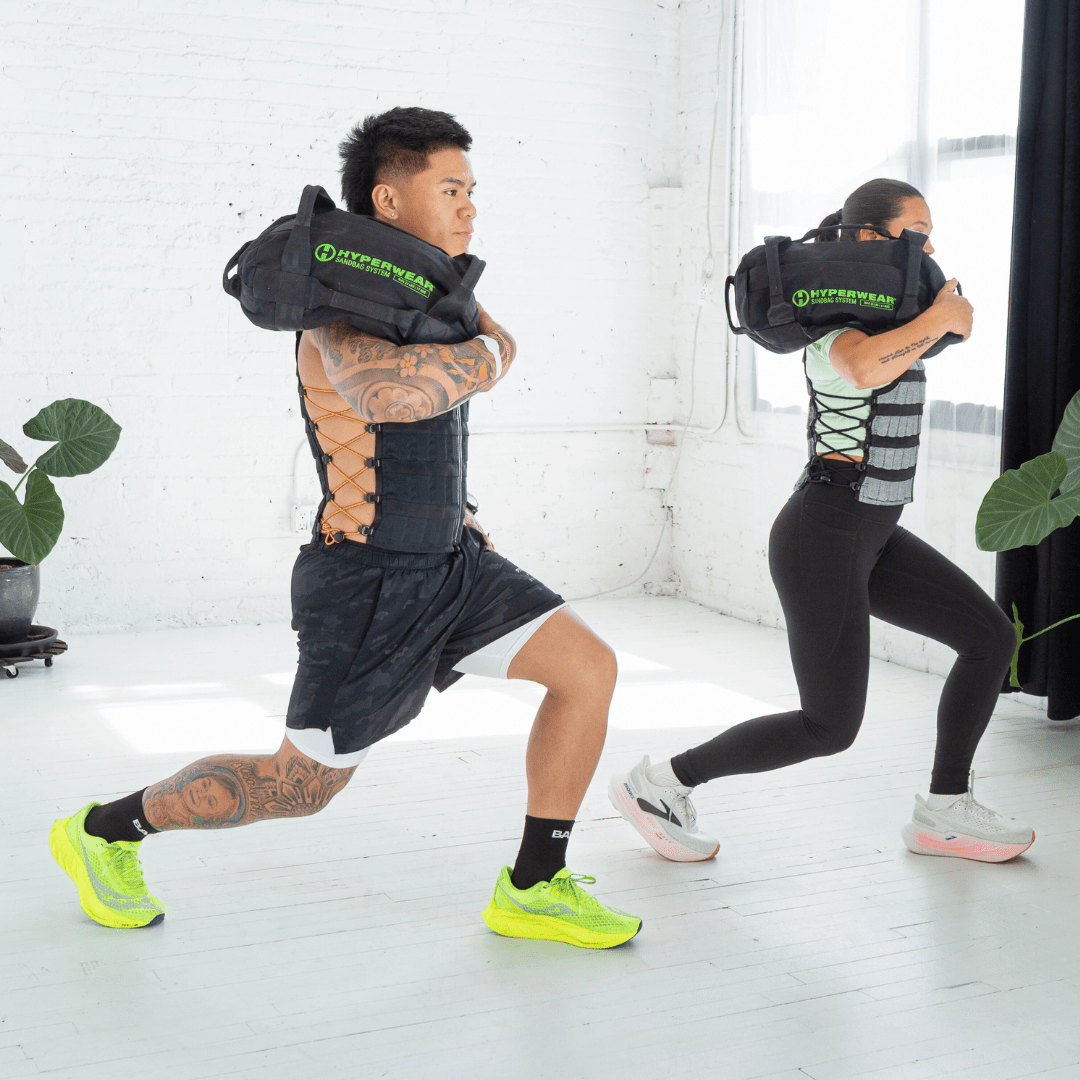
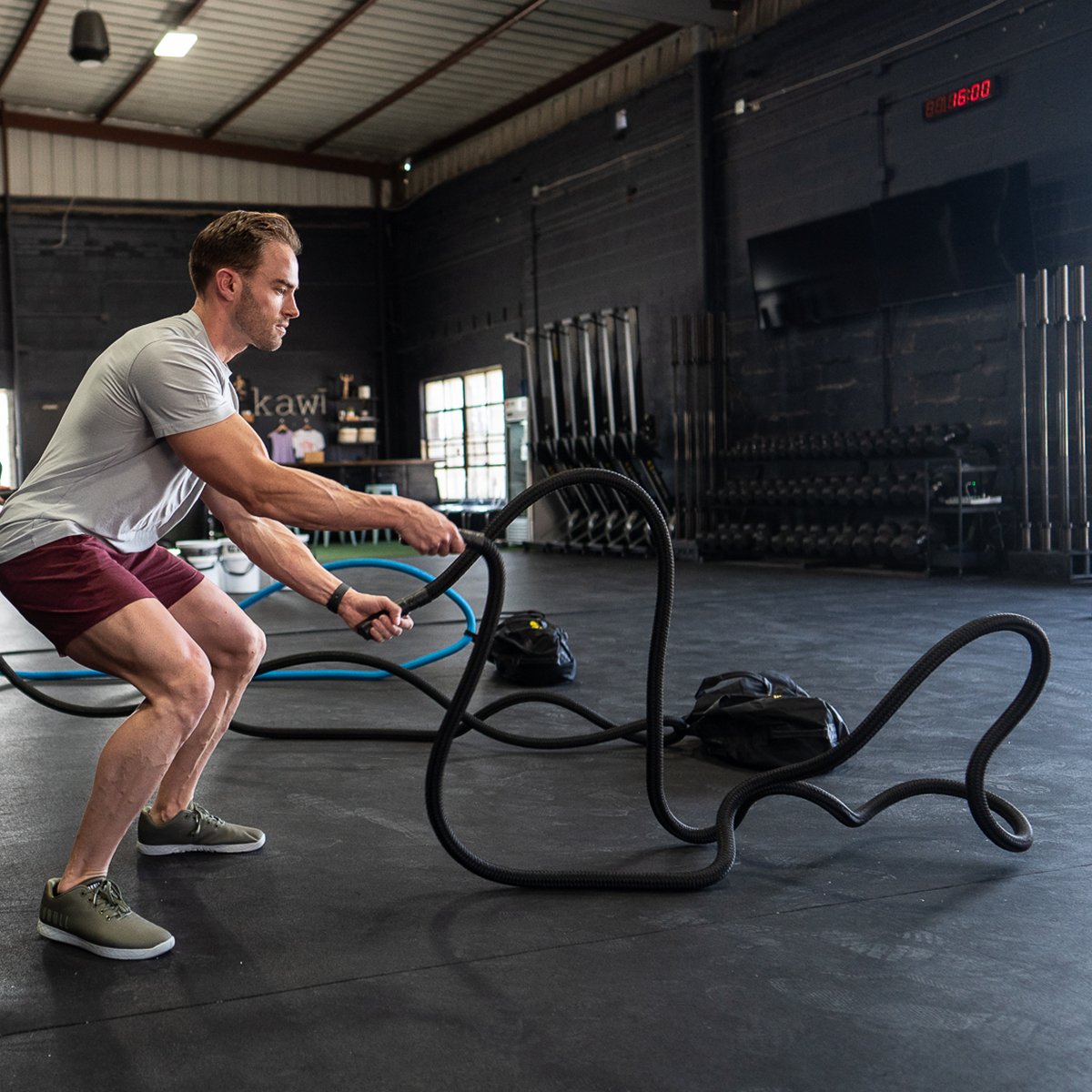
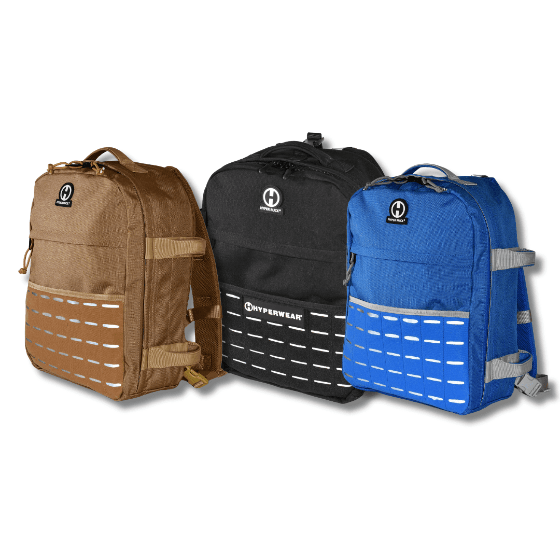
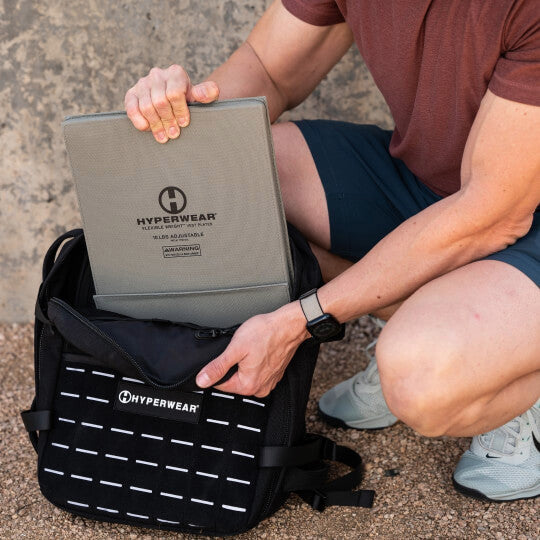
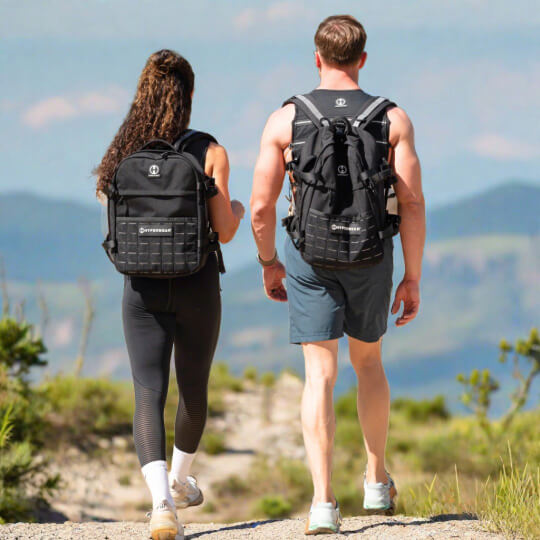
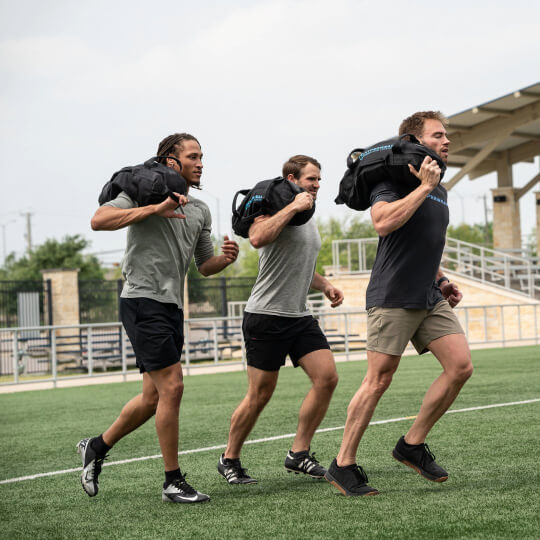
Rucking means walking with added weight, typically carried in a backpack. For people who enjoy it and can carry a load comfortably, it offers a simple way to make a walk more demanding. An unweighted walk is also a useful starting point.
Cool-weather rucking and laboratory cold exposure are different experiences. Clothing, pace, wind, and individual responses vary. We do not claim that combining a ruck with cool air creates a special brown-fat benefit.
To keep the outing comfortable:
- Choose familiar terrain and a load you can carry with steady posture and comfortable movement.
- Wear layers suited to the conditions and adjust them as you warm up.
- Check the forecast and footing, especially when conditions are wet or icy.
- Head indoors if you become uncomfortably cold. Do not remove needed clothing or pursue shivering to chase a metabolic effect.
The American Heart Association’s cold-weather activity guidance emphasizes staying warm and dry. If a health condition affects your ability to exercise or tolerate cold, seek individual advice before changing your routine.
Keep the focus on movement you can sustain
Brown-fat science gives us more to investigate. For everyday training, our emphasis remains on repeatable habits: walk regularly, build strength, and choose activities you enjoy enough to continue.
That is how we put Metabolic Strength™ into practice at Hyperwear. A cool morning can be an opportunity to head outside, with the goal of a good walk and a routine you can build on.
GET STRONG FOR LIFE®
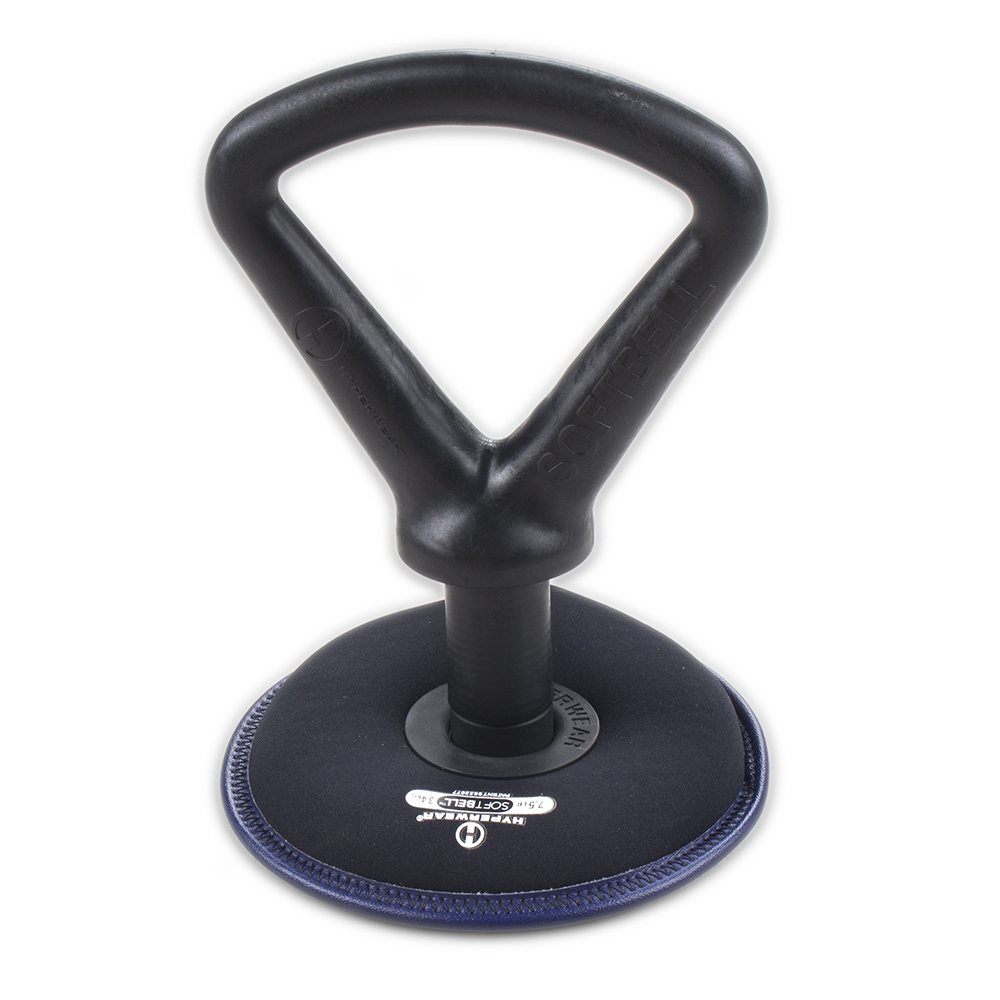
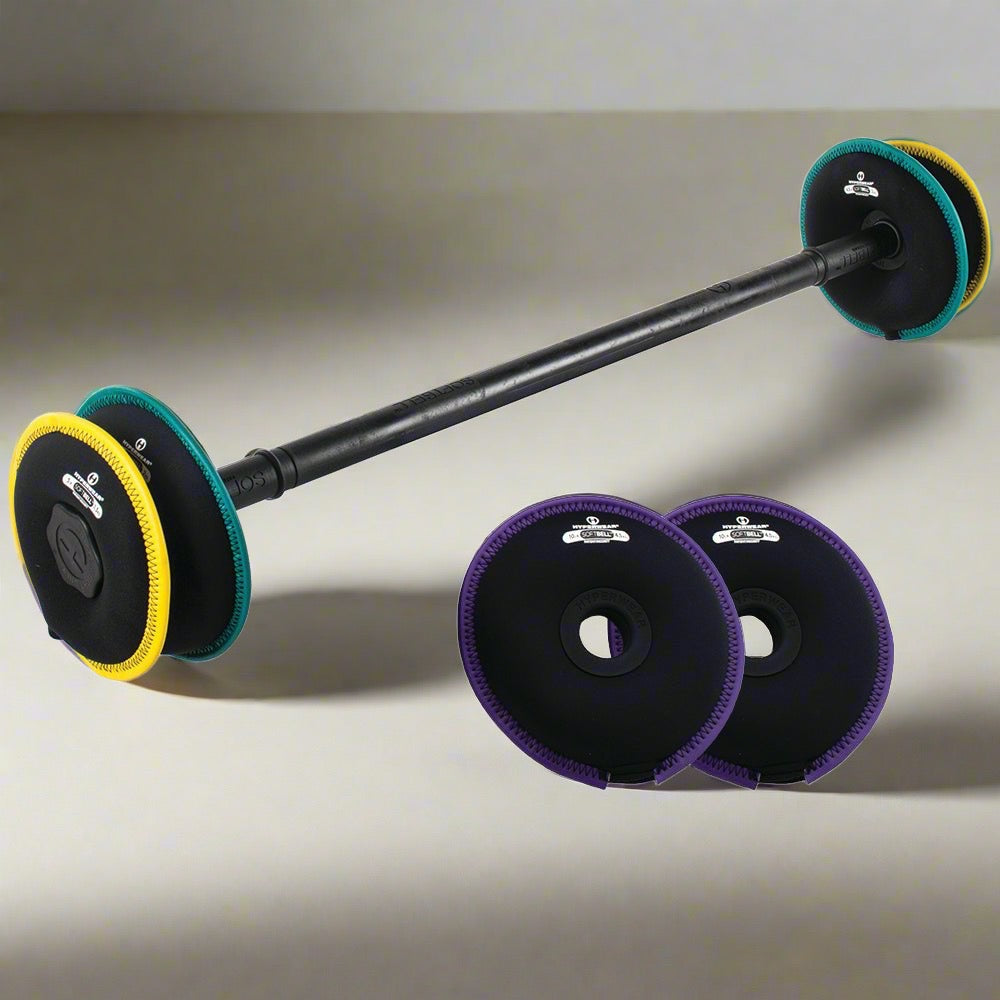
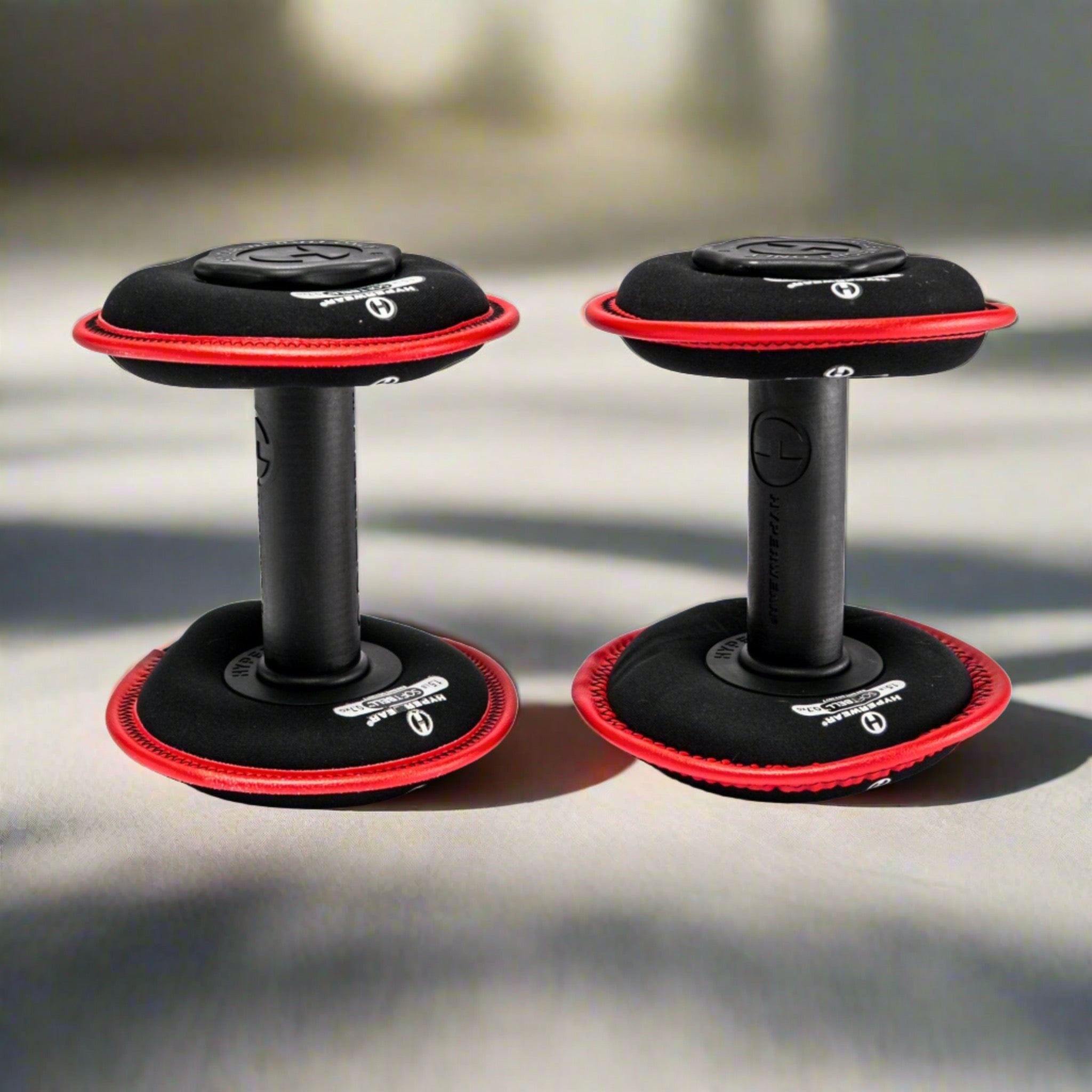
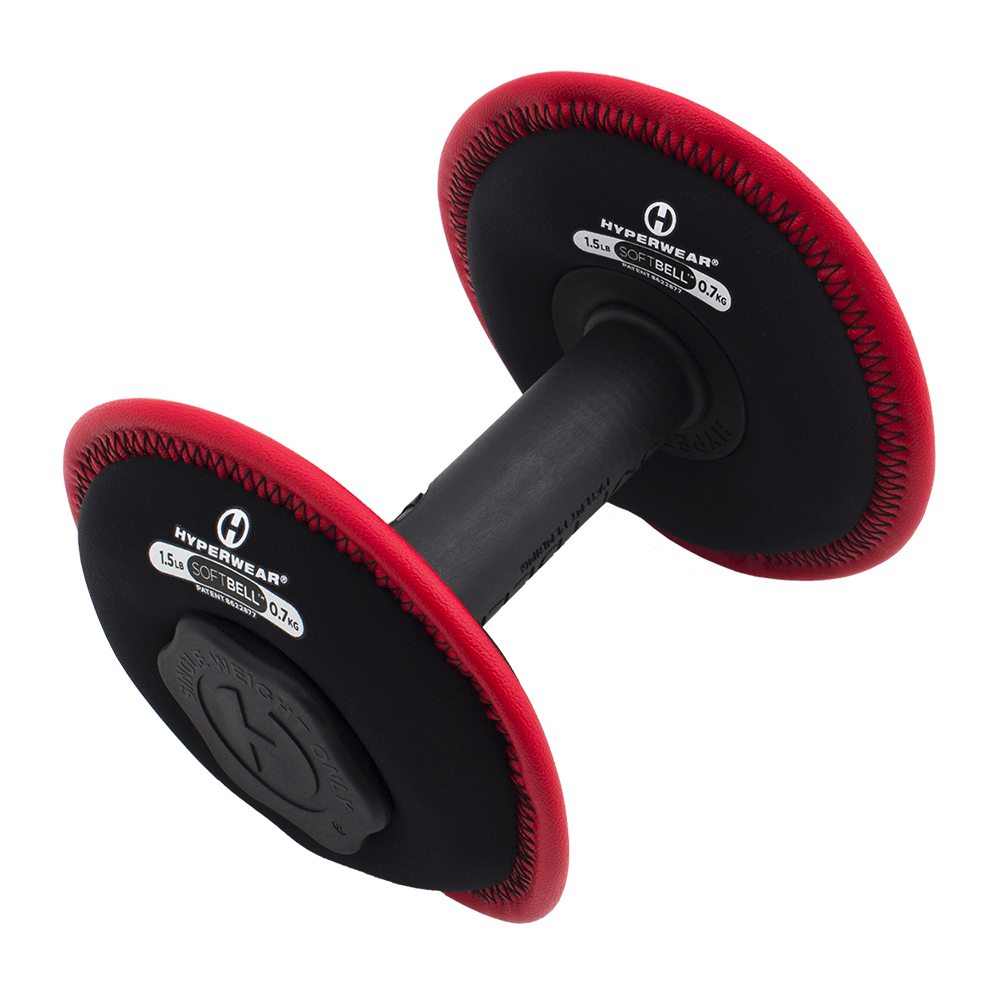
Explore Hyperwear rucking gear for your next outdoor walk.
This article is educational. Brown-fat research does not establish that cooling products or cool-weather rucking prevent or treat disease.
Research and further reading
- Gómez-Banoy N, et al. Artificial intelligence-enabled clinical phenotyping of human brown fat. Nature, 2026. Primary research.
- Lenharo M. Overlooked brown fat in our bodies linked to wide range of health benefits. Nature, October 14, 2026. News coverage of the study.
- van der Lans AAJJ, et al. Cold acclimation recruits human brown fat and increases nonshivering thermogenesis. Journal of Clinical Investigation, 2013. Human cold-acclimation research.
- American Heart Association. How to Stay Active in Cold Weather. Practical activity guidance.