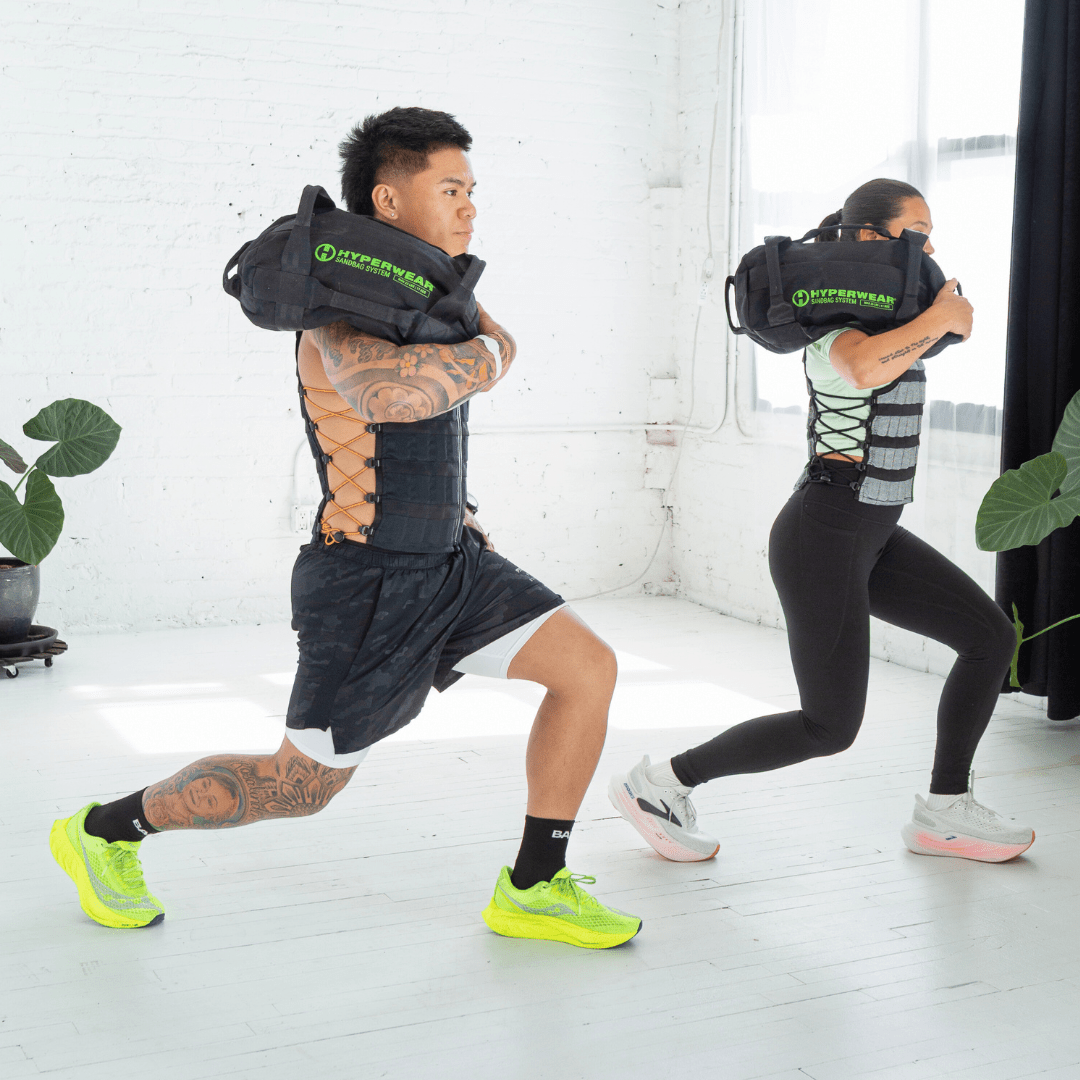




Quick answer: Walking with a weighted vest is one of the simplest ways to make your daily walk more challenging without changing the movement itself. The best weighted vest for walking should fit close to the body, distribute weight evenly, adjust in small increments, and stay comfortable for 20 to 60 minutes.
For most beginners, start light. UCLA Health recommends starting with a vest around 5% of body weight for walking, then building gradually. Harvard Health suggests keeping a weighted vest around 10% of body weight, at least for starters. The safest approach is to build time, distance, speed, or hills before quickly jumping to heavier weight.
Best weighted vest for walking: quick comparison
The right walking vest depends on your goal. Some people want an everyday vest for calorie burn and conditioning. Others want a women-specific fit, a lighter progression for daily movement, or a performance vest that can handle power walking and run-walk workouts.
| Walking goal | Best Hyperwear vest | Why it fits | Shop |
|---|---|---|---|
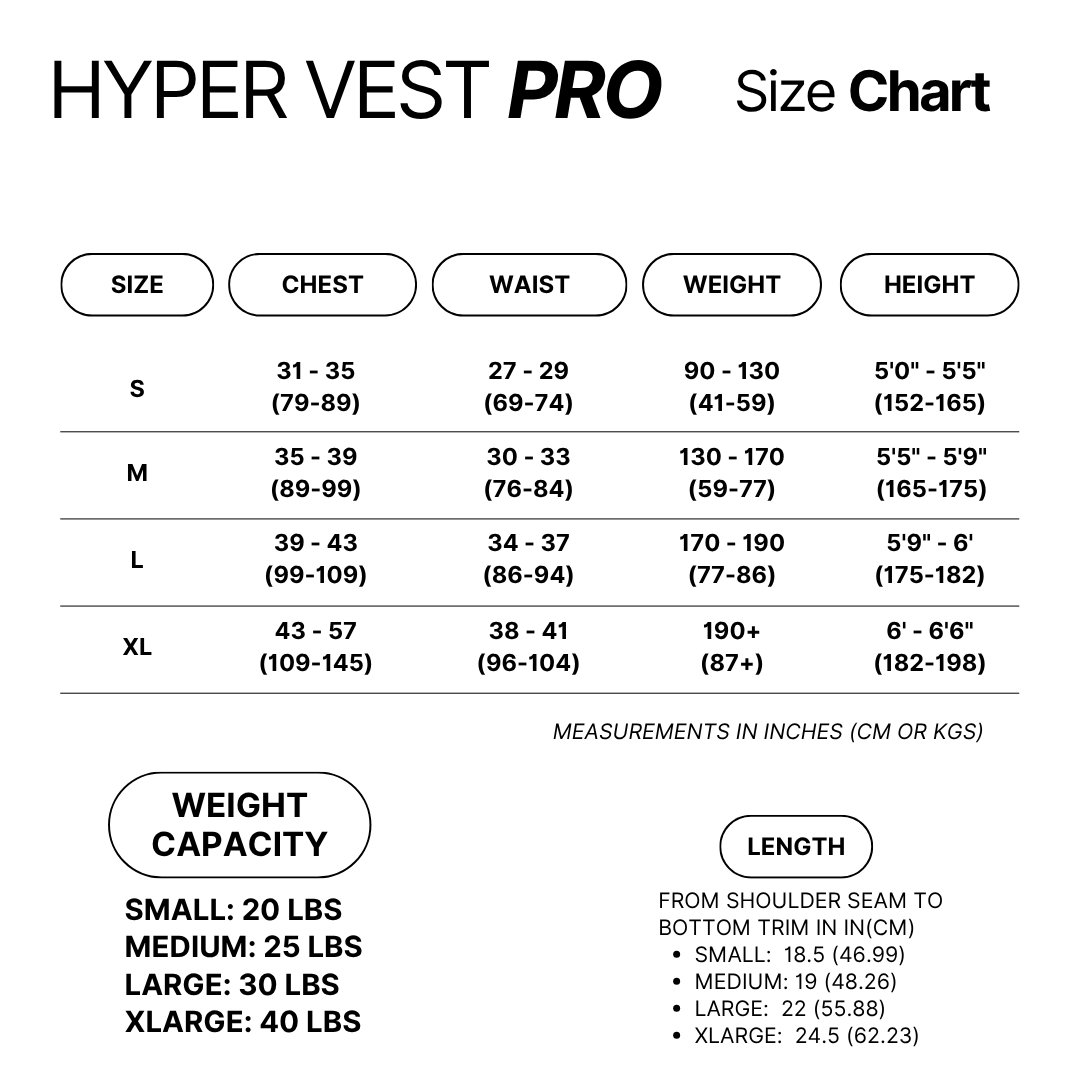
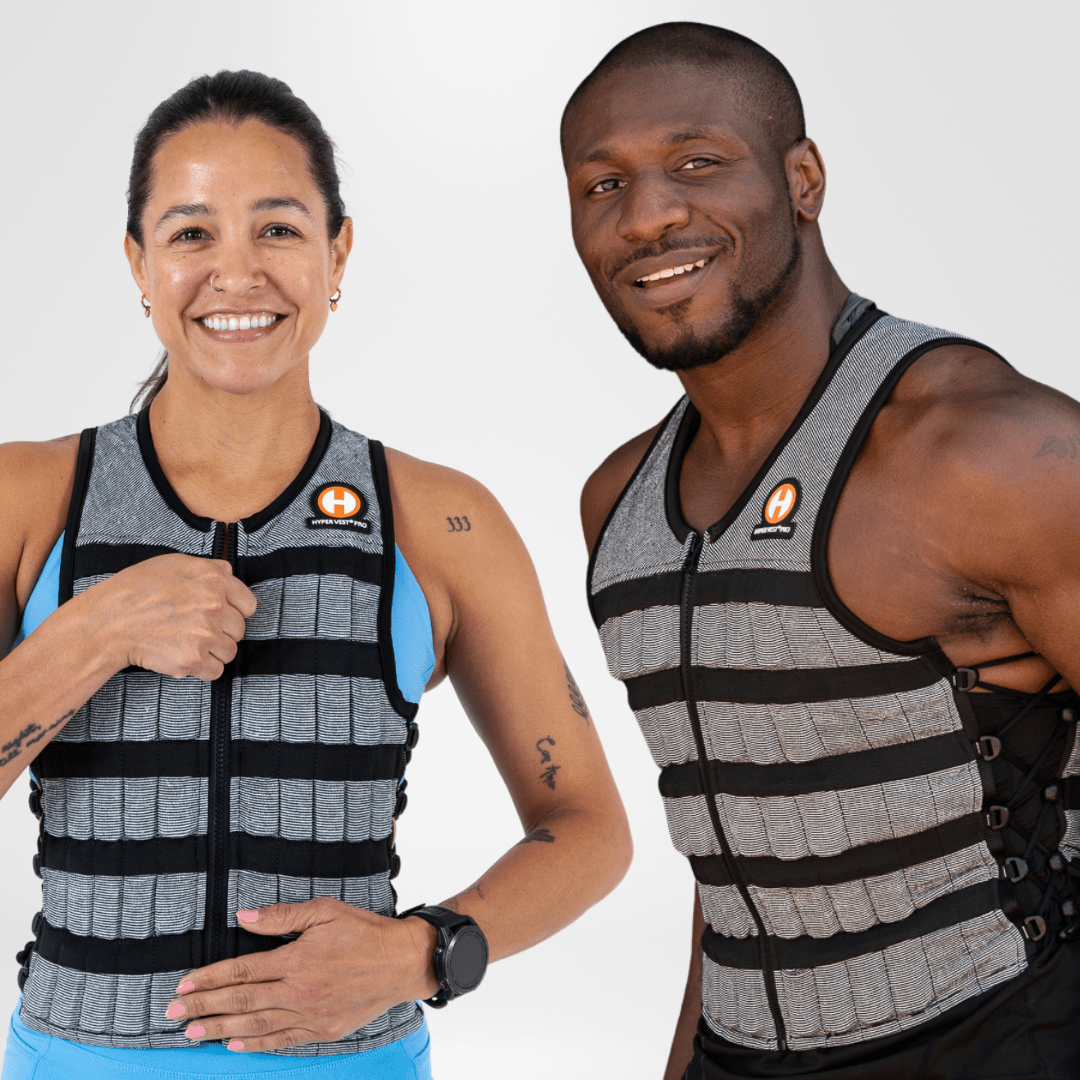
| Everyday walking, calorie burn, general fitness | Hyper Vest PRO | Best all-around pick for walking, light workouts, cardio, rucking, and everyday training. | Shop PRO |
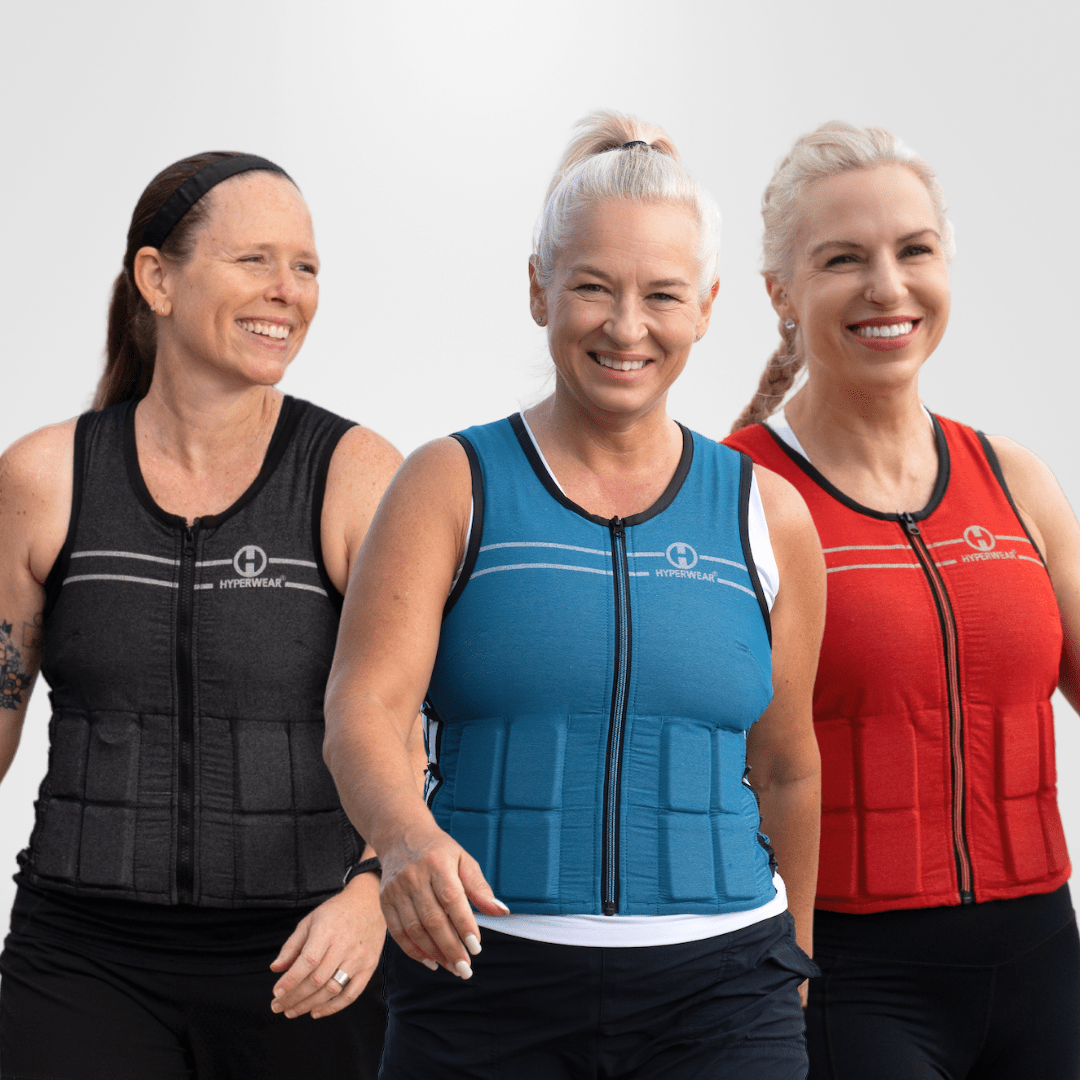
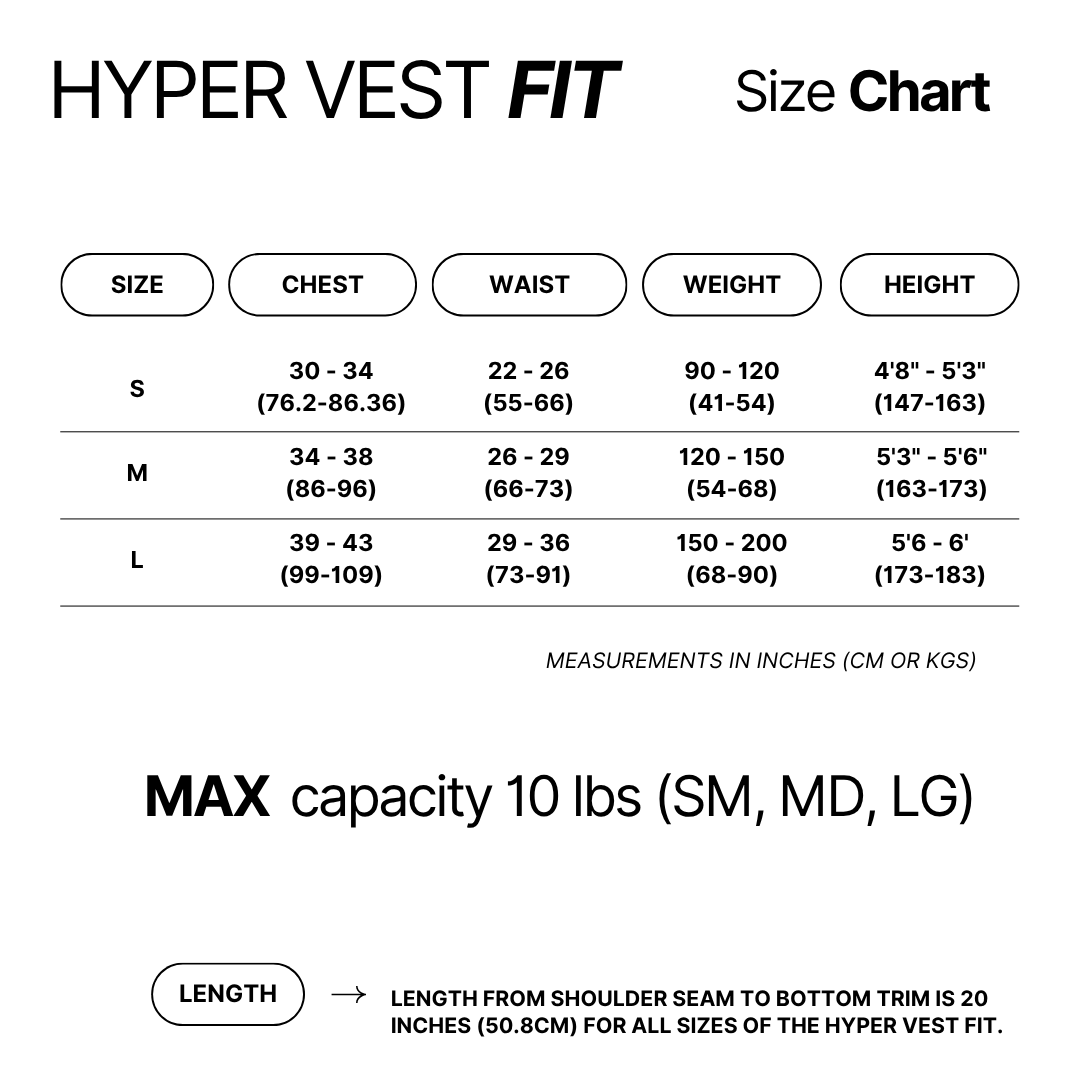
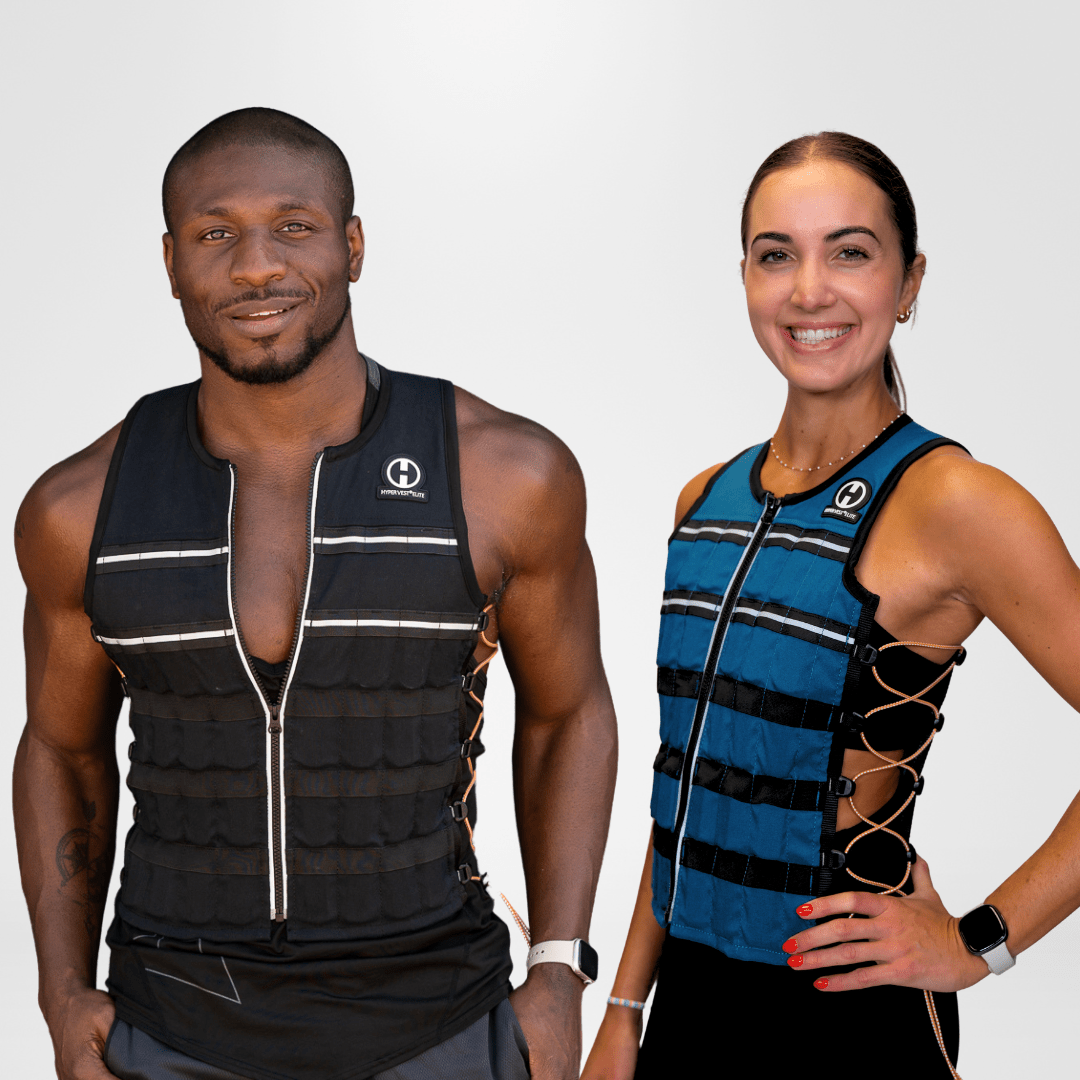
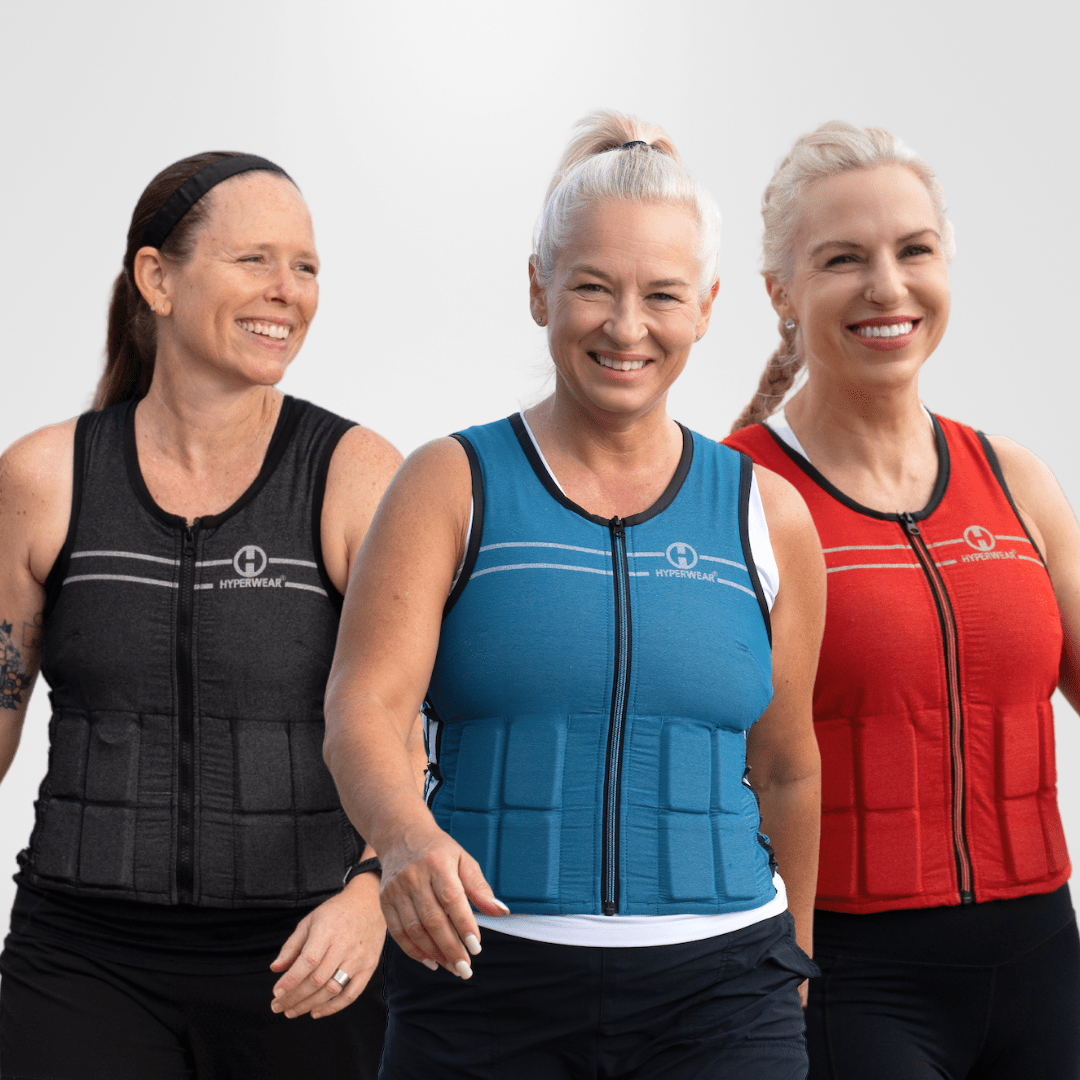
| Women’s walking, daily movement, lighter progression | Hyper Vest FIT | Designed specifically for women, with no weight in the chest area, 1/2-lb adjustments, and up to 10 lb capacity. | Shop FIT |
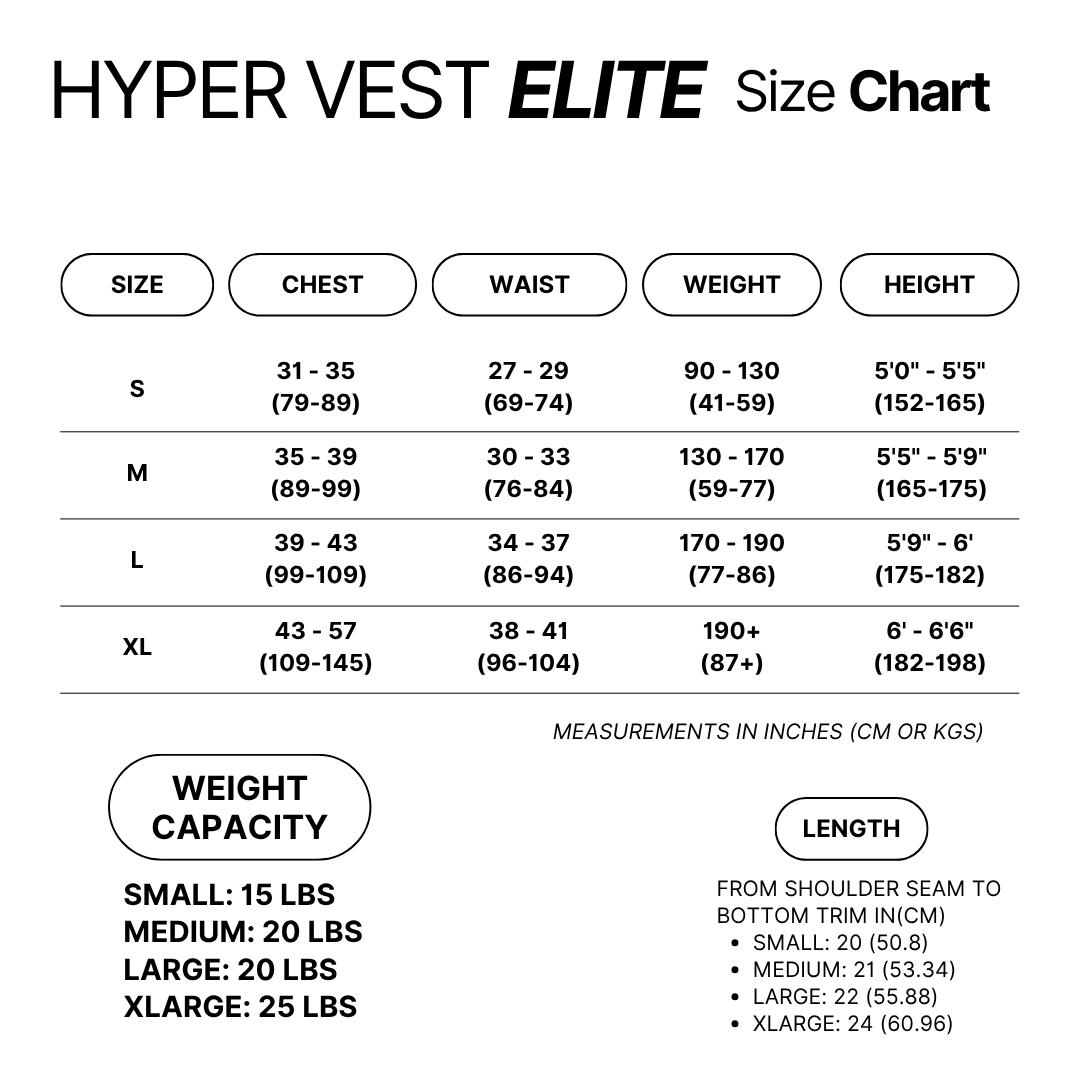
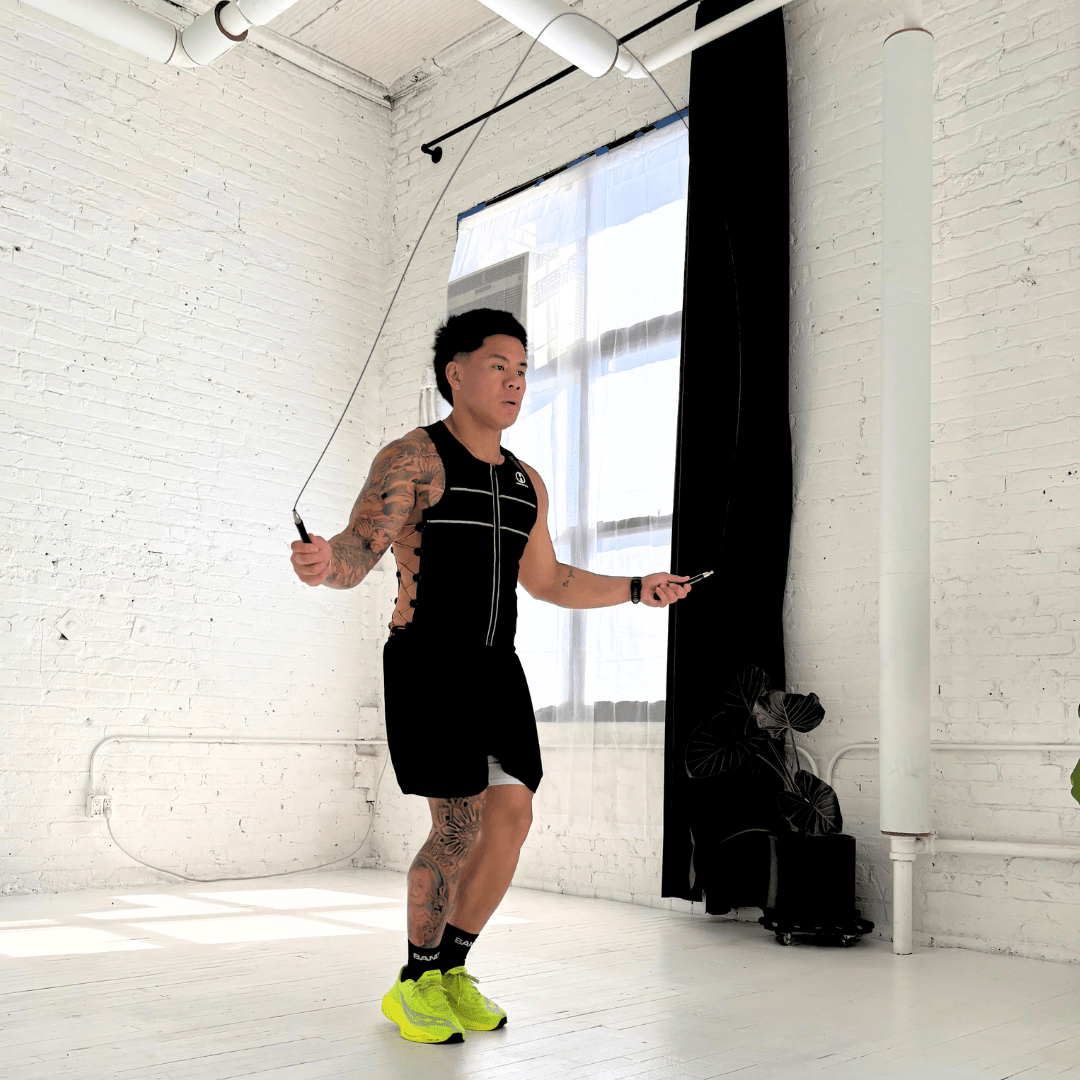
| Power walking, run-walk training, athletic conditioning | Hyper Vest ELITE | Built for high-performance training with a close fit, CORDURA stretch fabric, reflective details, and 2.25 oz micro weights. | Shop ELITE |
Compare all Hyperwear weighted vests
Is walking with a weighted vest good for you?
Walking with a weighted vest can be a good option when you already walk comfortably and want to add intensity without running, jumping, or changing your routine. By adding load to your body, a vest can make the same walk feel more demanding, raise cardiovascular effort, challenge the legs and core, and increase calorie burn.
UCLA Health notes that walking with a weighted vest can help build more strength and endurance than walking alone, but also emphasizes that users should build up slowly to reduce injury risk. The key is progression: start with a light load, keep your posture natural, and increase one variable at a time.
Read more about weighted vest benefits
Benefits of walking with a weighted vest
The main benefits of walking with a weighted vest come from adding resistance to a movement most people can already do consistently. A vest does not replace strength training, but it can make walking more productive when used correctly.
1. More intensity from the same walk
A weighted vest increases the demand of your usual route without requiring you to run or learn a new exercise. That makes it useful for people who want a lower-impact way to make walking harder.
2. More calorie burn
Carrying extra weight makes your body do more work during the same walk. UCLA Health lists increased calorie burn as one of the potential advantages of weighted vest walking.
3. Higher cardiovascular demand
Adding load can raise the intensity of a walk and make the heart work harder. Harvard Health describes weighted walking, also called rucking, as a way to increase walking intensity and potentially improve cardiovascular benefits.
4. More leg, glute, and core engagement
A weighted vest keeps the resistance centered on your torso. That can challenge the legs, glutes, core, and postural muscles while allowing your hands to stay free.
5. Better progression than fixed-weight gear
An adjustable weighted vest lets you start light and add weight gradually. This is especially important for walking because comfort, posture, and gait matter more than simply using the heaviest vest possible.
Calculate calories burned walking with a weighted vest
How heavy should a weighted vest be for walking?
For walking, many people should start with a weighted vest around 5% of body weight. If that feels comfortable and does not change your posture, stride, breathing, or joint comfort, you can gradually increase over time. UCLA Health gives the example that a 150-lb person should start with no more than about 7.5 lb.
Harvard Health suggests sticking to a weighted vest around 10% of body weight, at least for starters, and warns that weighted vests can strain joints and muscles if used too aggressively. For this reason, treat 5% as a conservative starting point and 10% as an upper starter range for people who are already active and comfortable.
| Body weight | Conservative start, about 5% | Upper starter range, about 10% |
|---|---|---|
| 100 lb | 5 lb | 10 lb |
| 125 lb | 6 lb | 12 lb |
| 150 lb | 7.5 lb | 15 lb |
| 175 lb | 9 lb | 17.5 lb |
| 200 lb | 10 lb | 20 lb |
| 225 lb | 11 lb | 22.5 lb |
The safest way to progress is to increase walking time first, then distance or speed, then hills, and only then weight. Do not increase weight, pace, and elevation all at once.
Read the full weighted vest weight guide
How to start walking with a weighted vest
Start with a walk that feels almost too easy. The goal is to let your body adapt to the added load before increasing distance, speed, hills, or weight.
| Phase | What to do |
|---|---|
| Week 1 | Wear a light vest for 10 to 20 minutes on flat ground. |
| Week 2 | Keep the same weight and increase walking time. |
| Week 3 | Add distance, speed, or a slight hill before adding more weight. |
| Week 4+ | Add small amounts of weight only if your posture, stride, knees, hips, back, and neck feel good. |
UCLA Health recommends starting slowly and building distance, weight, and intensity gradually. They also suggest beginning with a small loop rather than an ambitious out-and-back route, since an out-and-back walk can leave you stuck far from home if the load feels too hard.
Weighted vest vs rucking backpack for walking
A weighted vest and a rucking backpack both add weight to walking, but they feel different.
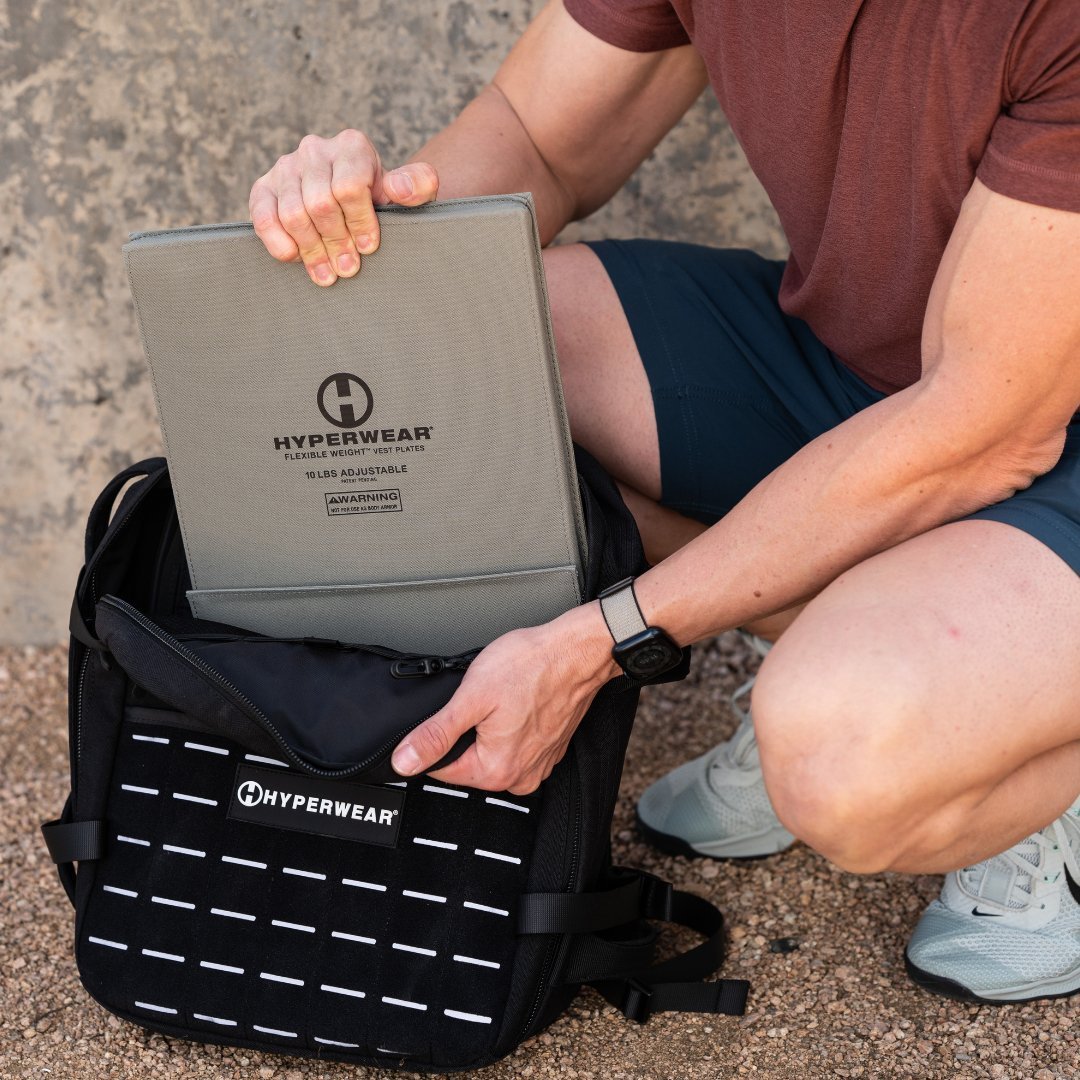
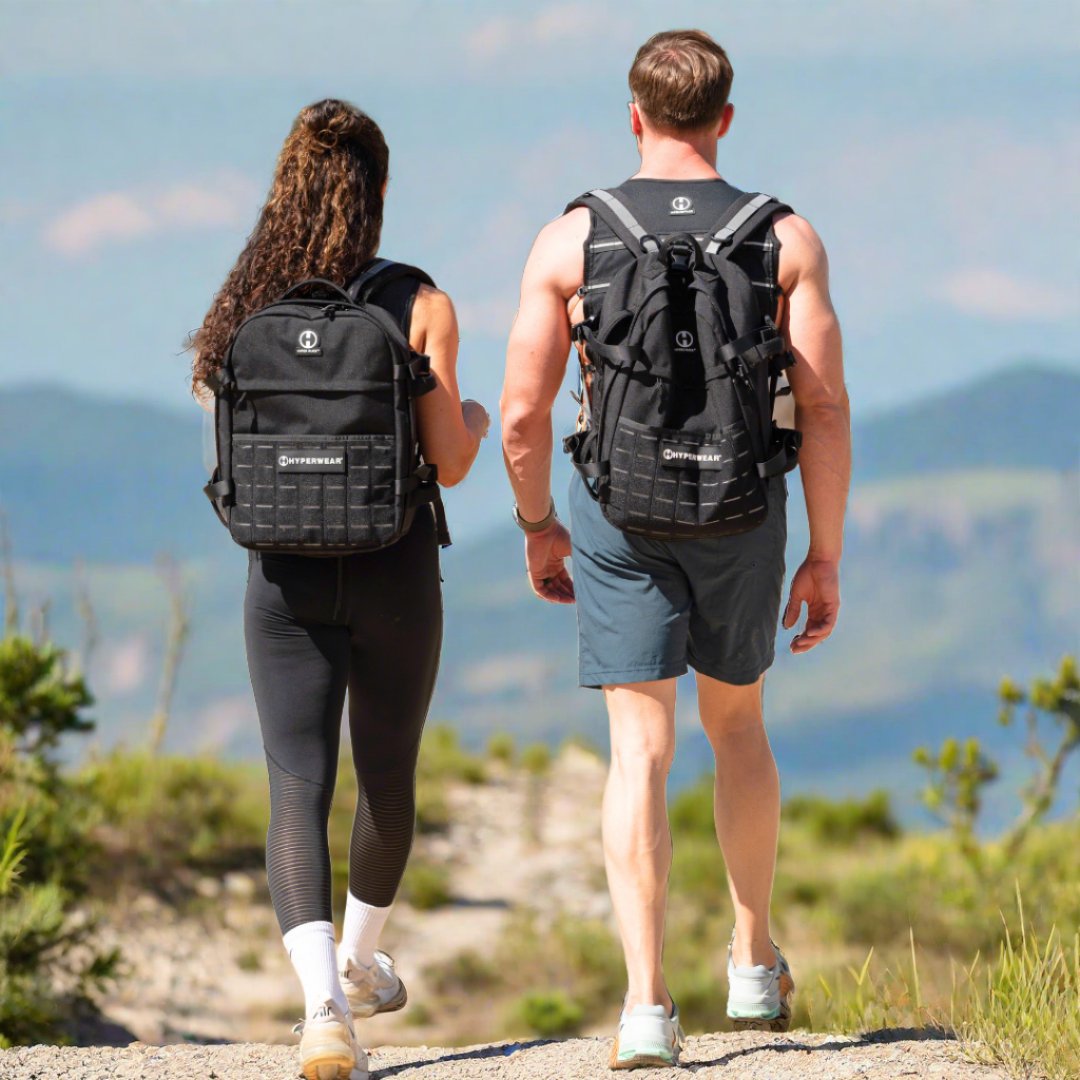
A weighted vest distributes the load around your torso. A rucking backpack places most of the load on your back and shifts your center of gravity backward. UCLA Health notes that a weighted vest may be the better choice for people concerned about stability or back comfort because a vest distributes weight more evenly across the torso.
| Option | Best for | Consideration |
|---|---|---|
| Weighted vest | Daily walking, women’s fitness, low-bounce movement, balanced load | Usually better for lighter-to-moderate loads and balanced torso weight. |
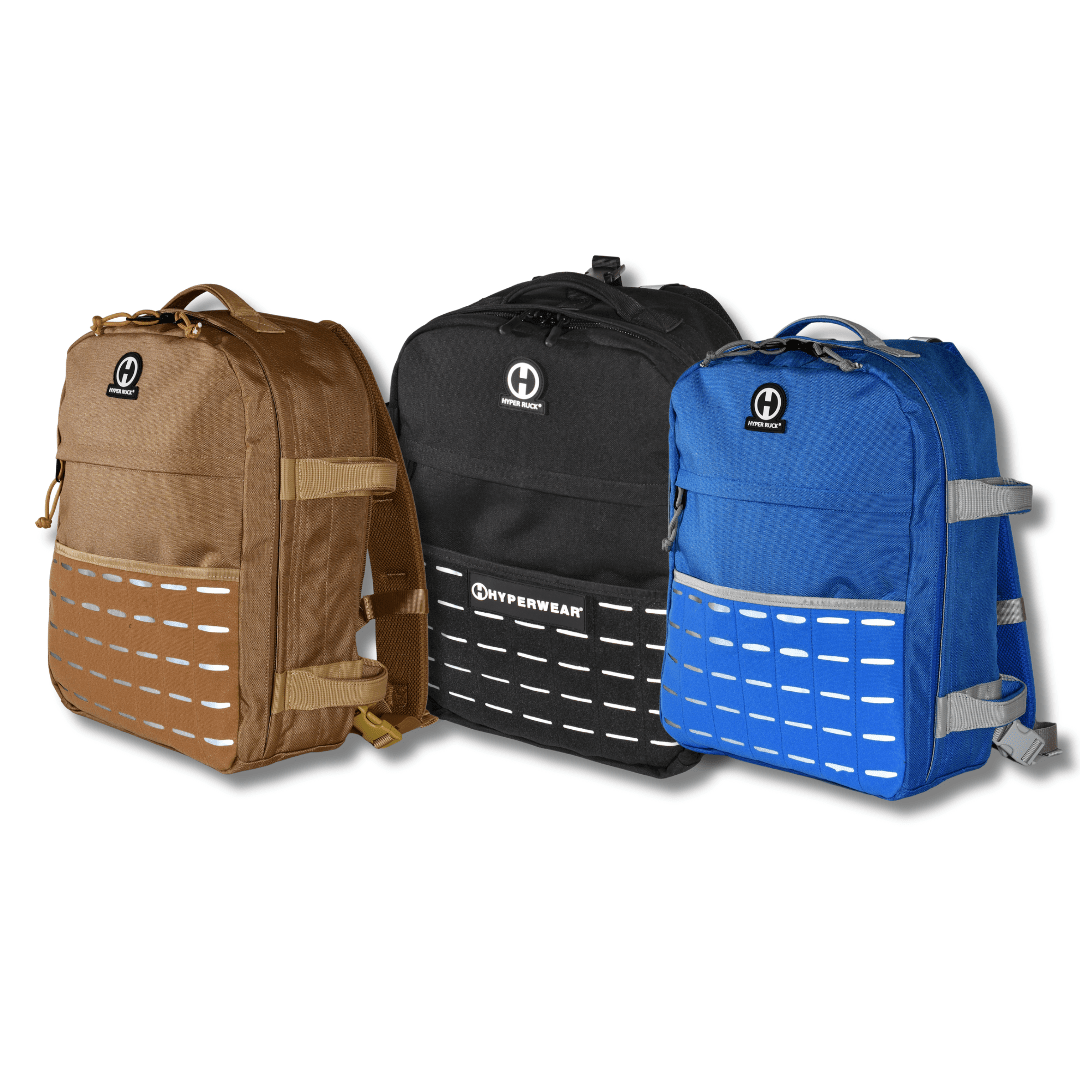
| Rucking backpack | Heavier rucking, outdoor training, load carriage | Load is mainly on the back and may change posture more. |
| Hyperwear calculator | Estimating calorie burn from either method | Use body weight, added weight, speed, and time to compare vest walking and rucking. |
Use the weighted vest and rucking calorie calculator
Best Hyperwear weighted vest for walking
Hyper Vest PRO: best all-around weighted vest for walking
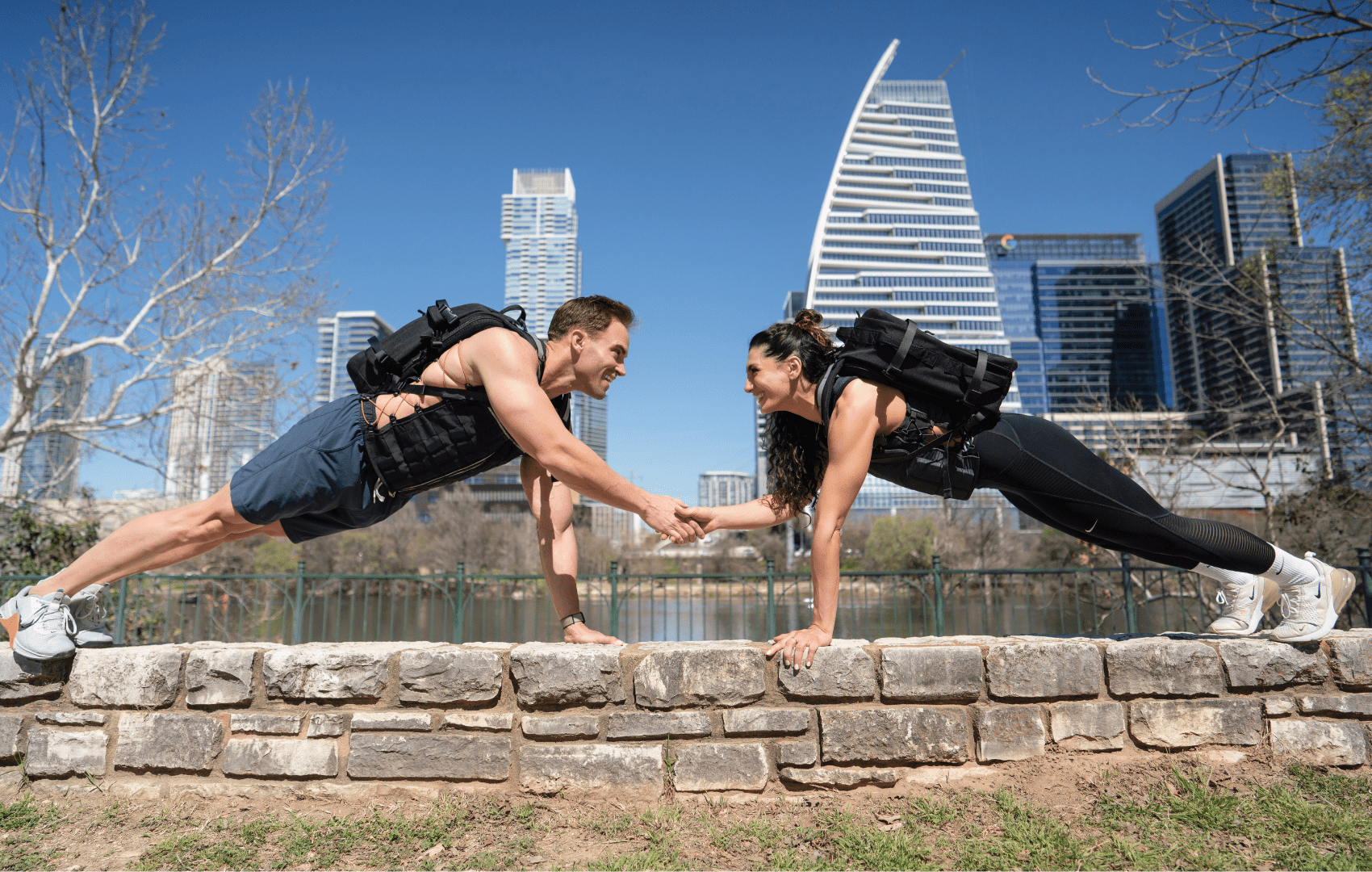
Choose Hyper Vest PRO if you want one vest for walking, daily training, light workouts, cardio, and occasional rucking. PRO is the best all-around walking option for people who want an adjustable weighted vest that can move beyond casual walks as their fitness improves.
Hyper Vest FIT: best weighted vest for women walking
Choose Hyper Vest FIT if you want a women-specific vest for daily walking, lighter progression, and comfort. FIT is built for a woman’s body, has no weight in the chest area, and adjusts from 1/2 lb up to 10 lb.
Hyper Vest ELITE: best for power walking and run-walk conditioning
Choose Hyper Vest ELITE if your walking overlaps with athletic conditioning, HIIT, running, or run-walk workouts. ELITE is designed for serious athletes and uses small 2.25 oz weights for precise micro-loading.
Who should be cautious with weighted vest walking?
Weighted vest walking is not the right starting point for everyone. If you are new to exercise, start with unweighted walking first. If you have back or neck injuries, arthritis in the hips, knees, or ankles, balance concerns, osteoporosis, osteopenia, pregnancy, or any medical concern, talk with a healthcare professional before starting.
UCLA Health specifically advises caution for people with back or neck injury and notes that added weight can worsen arthritis discomfort in the hips, knees, or ankles. This does not mean weighted walking is unsafe for everyone, but it does mean your starting load, fit, and progression matter.
FAQs about weighted vests for walking
Is a weighted vest good for walking?
Yes, a weighted vest can be good for walking when you start light, use a vest that fits securely, and progress gradually. It can increase walking intensity, calorie burn, cardiovascular demand, leg engagement, and core challenge.
How heavy should a weighted vest be for walking?
Start around 5% of your body weight. If you are already active and the vest does not change your posture or stride, you may gradually build toward 10% over time. Increase distance, time, speed, or hills before adding more weight.
What is the best weighted vest for walking?
For most walkers, the best weighted vest is adjustable, breathable, close-fitting, and balanced around the torso. Hyper Vest PRO is the best all-around Hyperwear pick for walking, Hyper Vest FIT is best for women’s walking and daily activity, and Hyper Vest ELITE is best for power walking, run-walk training, and higher-intensity conditioning.
Is walking with a weighted vest good for weight loss?
It can help increase calorie burn because your body is carrying extra weight during the walk. It is not a magic fat-loss tool, but it can make a consistent walking routine more demanding.
Is a weighted vest better than a backpack for walking?
A weighted vest usually distributes weight more evenly around your torso, while a backpack places the load mostly on your back. For daily walking and lighter loads, many people prefer a vest. For heavier rucking, a backpack or ruck-specific setup may make more sense.
Can women use a weighted vest for walking?
Yes. Women can use weighted vests for walking, but fit matters. A women-specific vest like Hyper Vest FIT removes weight from the chest area and allows lighter 1/2-lb adjustments.
Can I walk with a weighted vest every day?
Some people can use a light vest frequently, but beginners should not start with daily weighted walks. Start with 1 to 3 weighted walks per week, monitor soreness and joint comfort, and keep some walks unloaded.
Should I wear a weighted vest on hills?
Only after you are comfortable walking on flat ground with the vest. Hills increase intensity quickly, so use the same weight and add hills gradually rather than increasing weight and elevation at the same time.
Shop weighted vests for walking
The best weighted vest for walking is the one you can wear consistently, adjust gradually, and move in comfortably. Start light, build slowly, and choose a vest that matches your goal.
-
Hyper Vest PRO for everyday walking and all-around training

- Hyper Vest FIT for women’s walking and daily movement
- Hyper Vest ELITE for power walking and higher-intensity conditioning
Compare all Hyperwear weighted vests