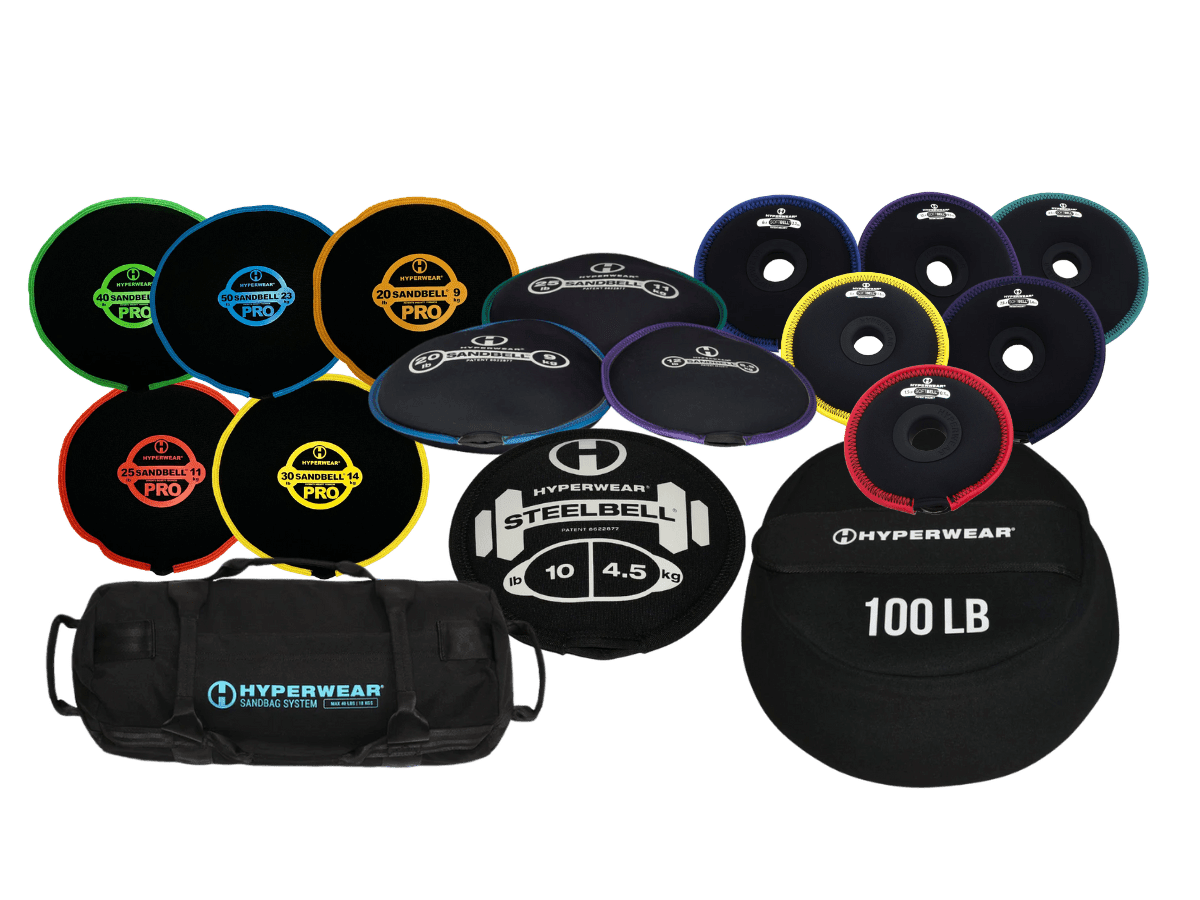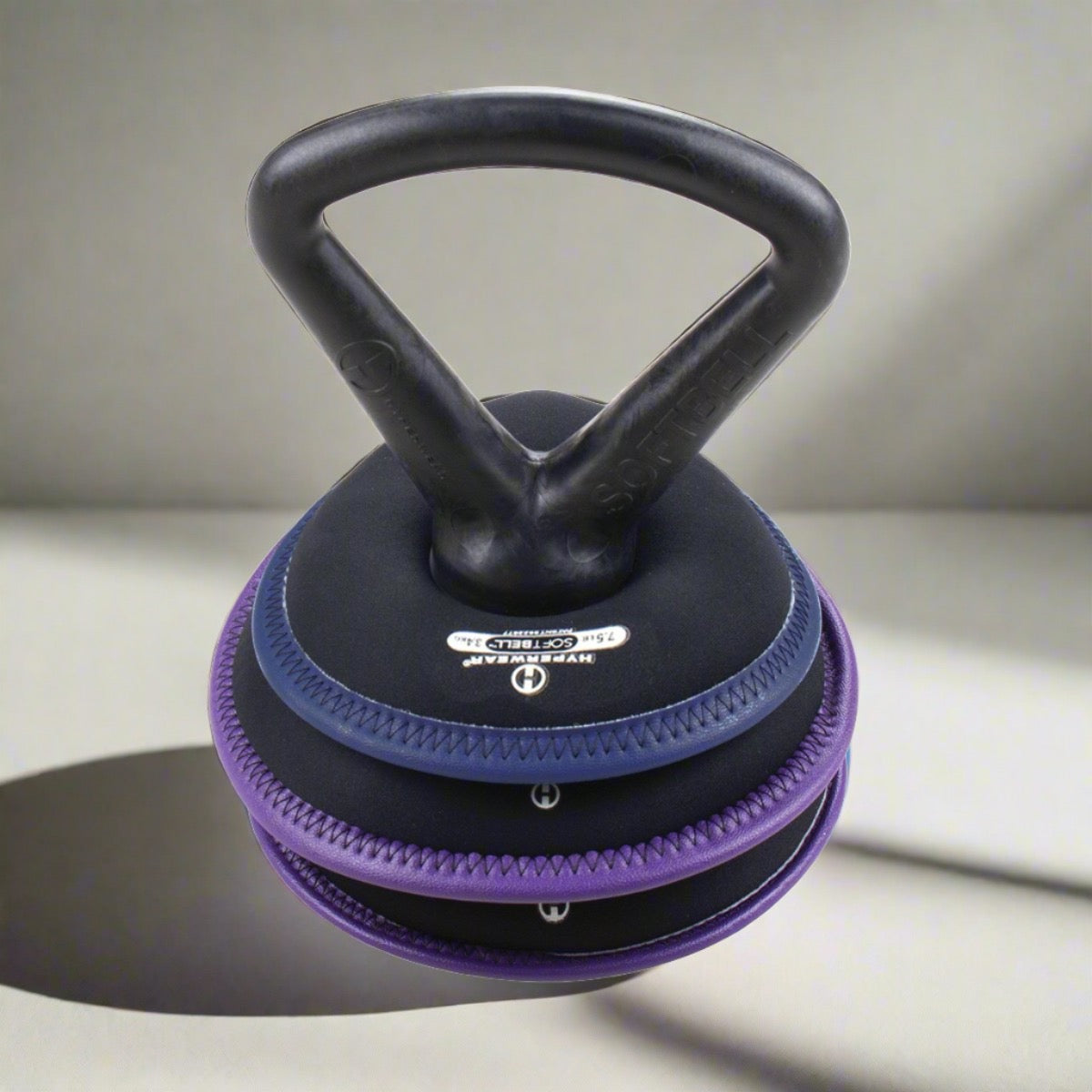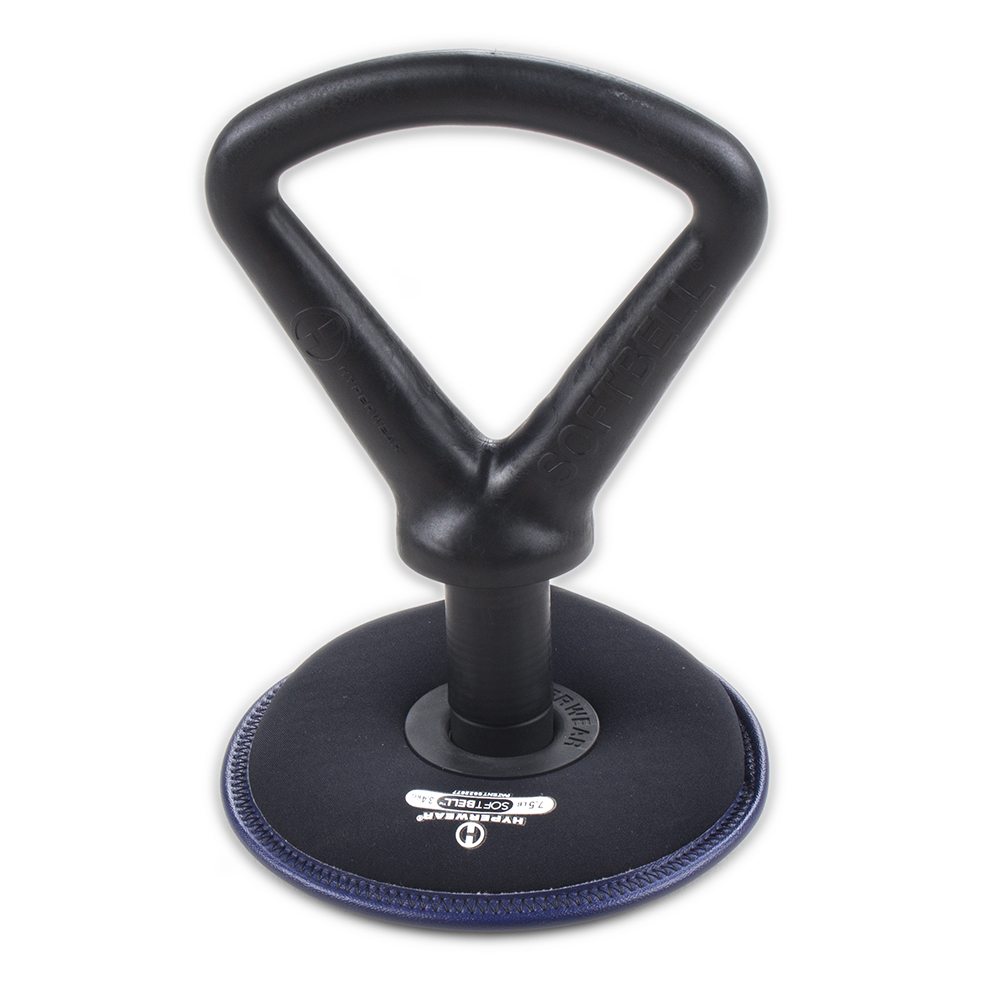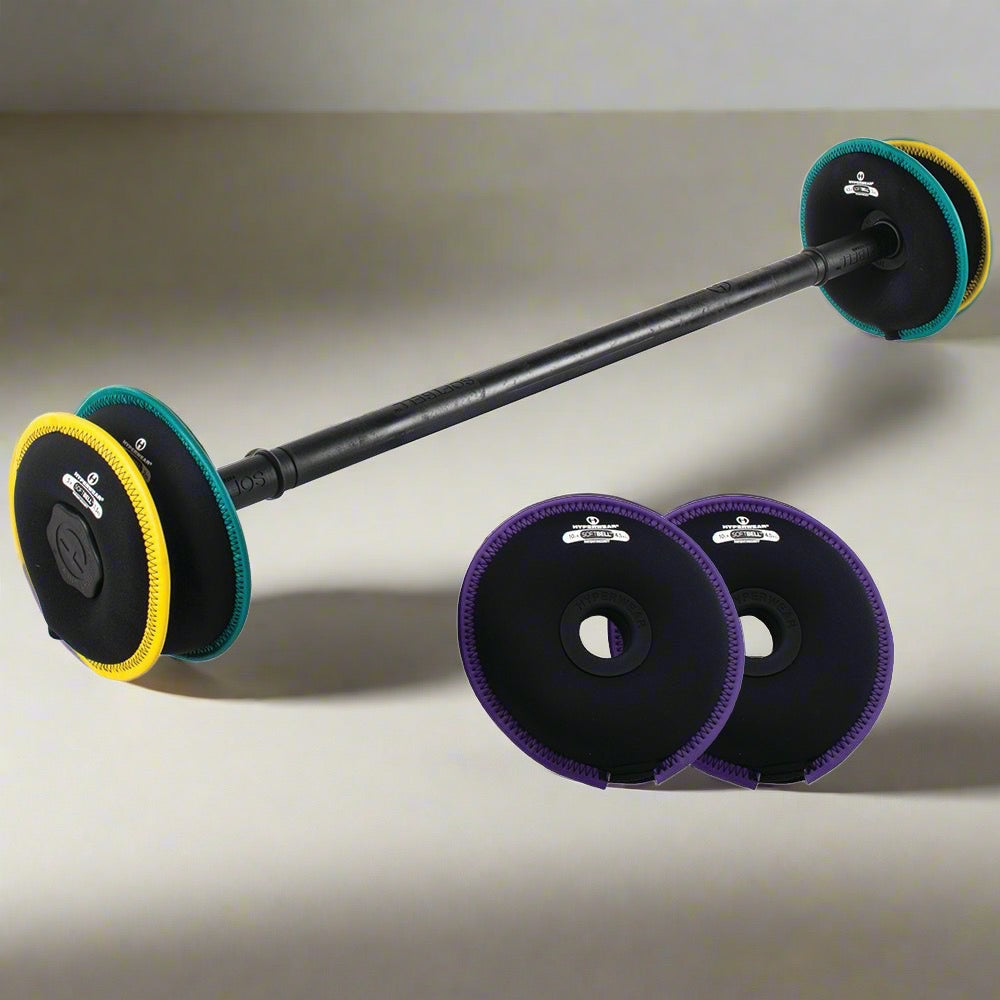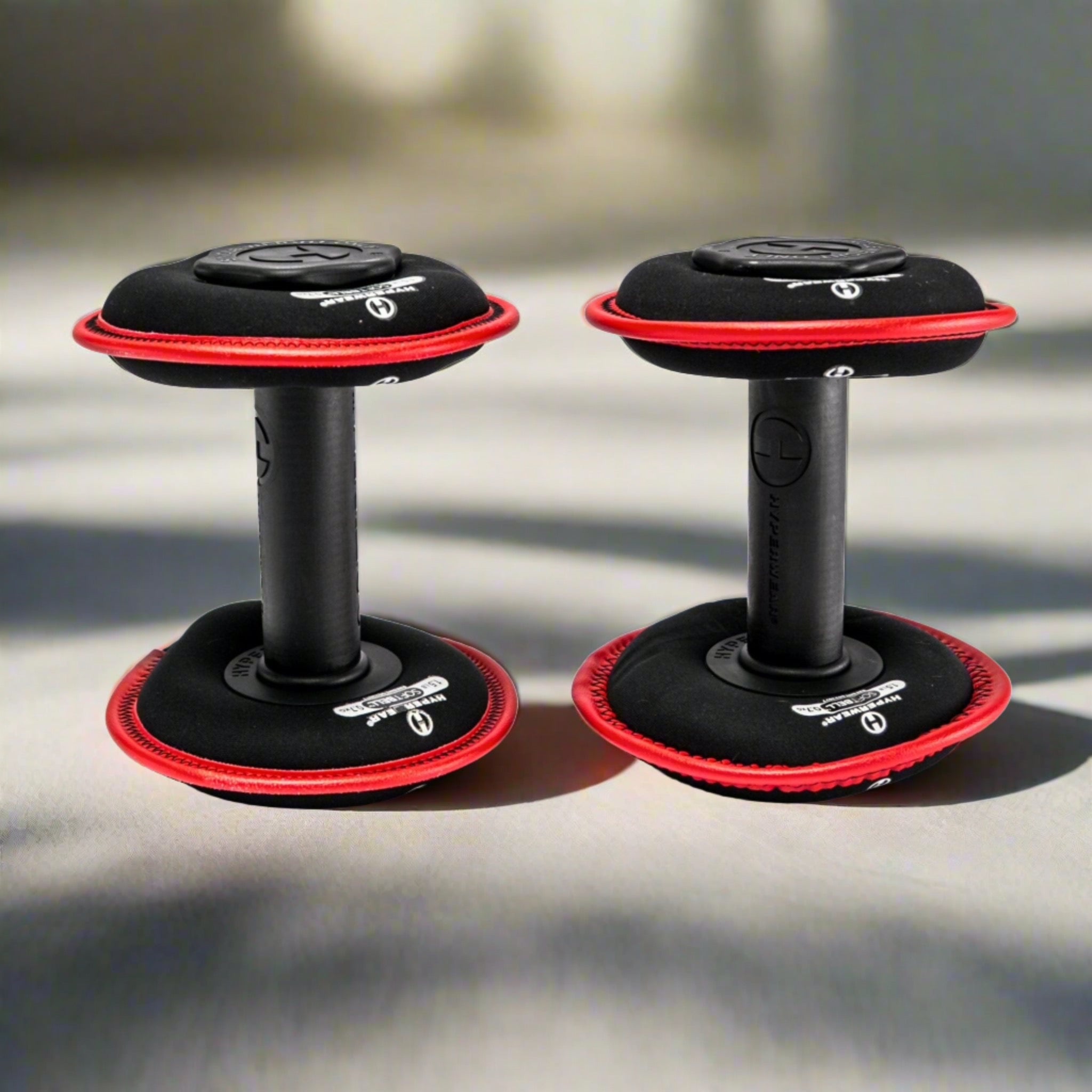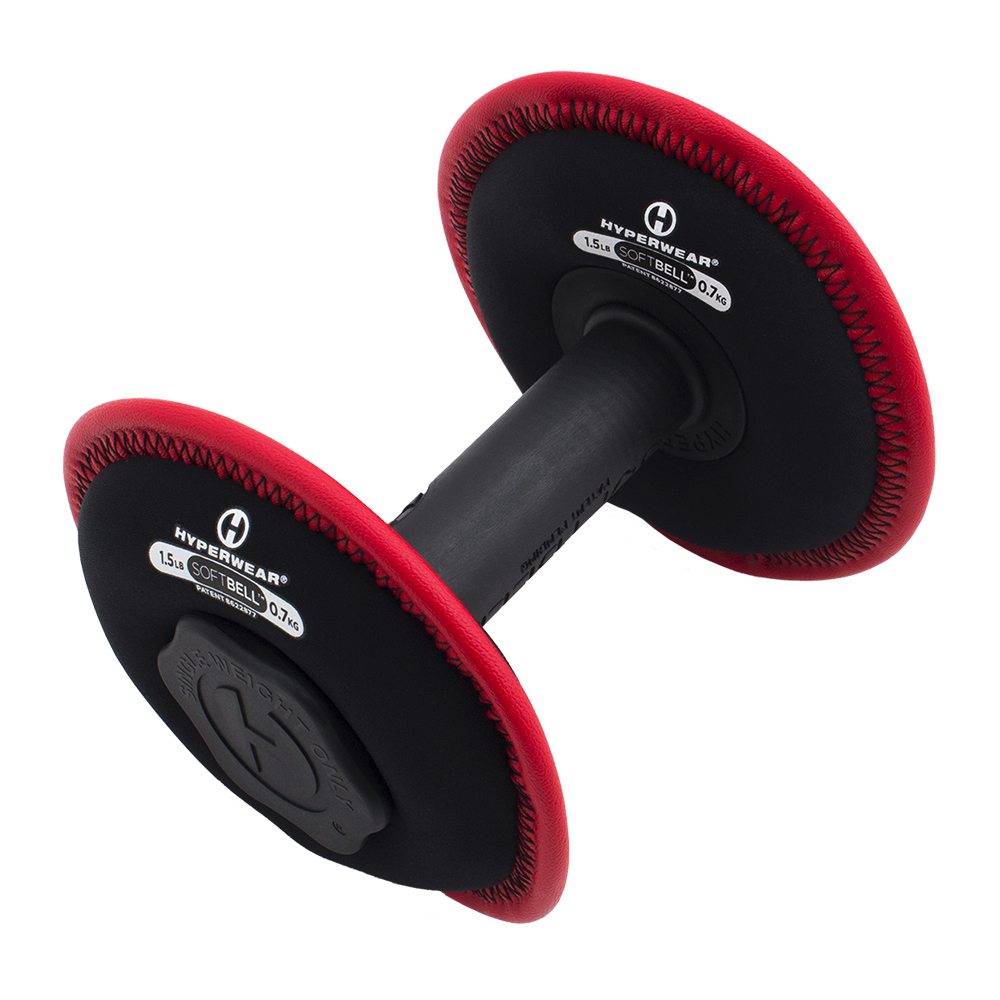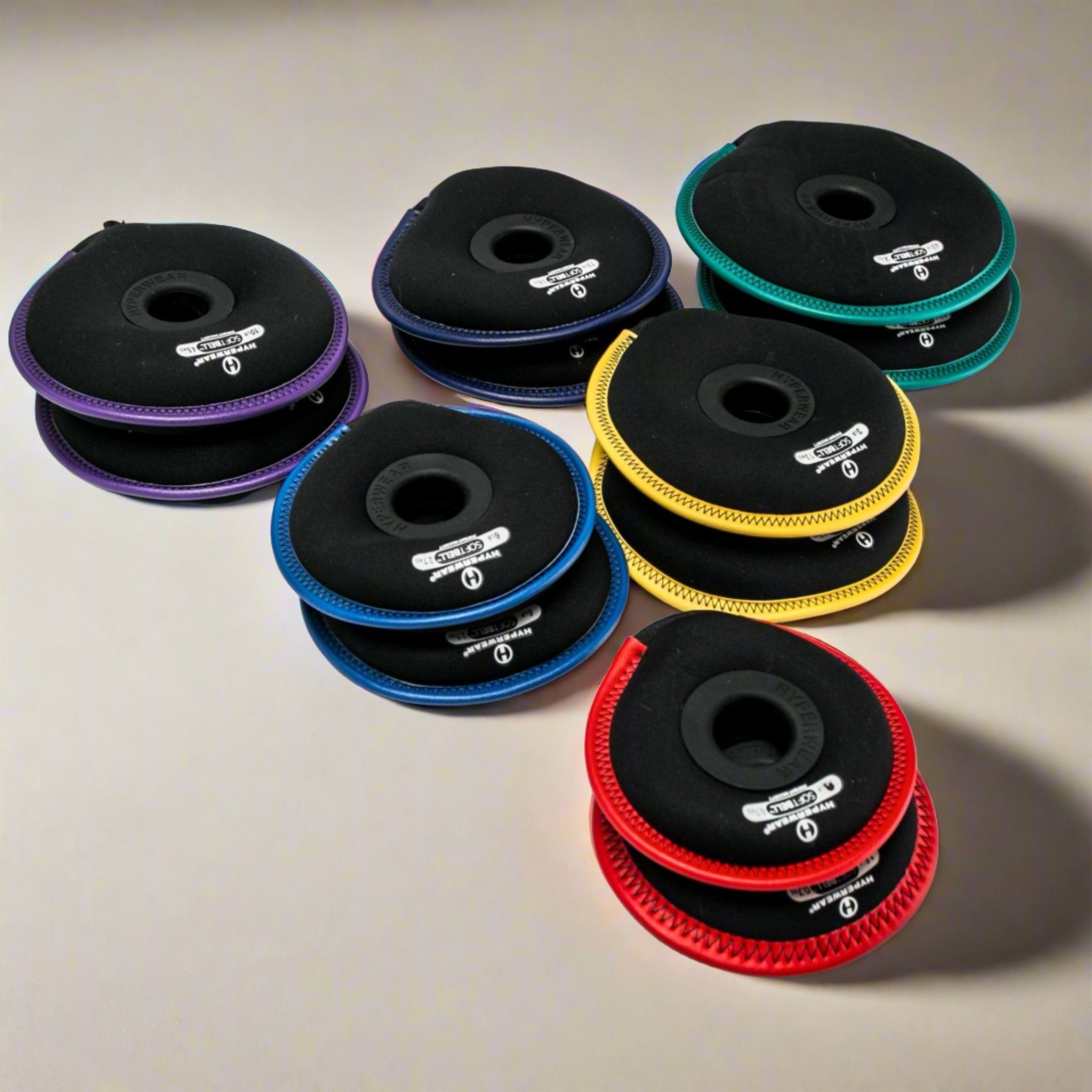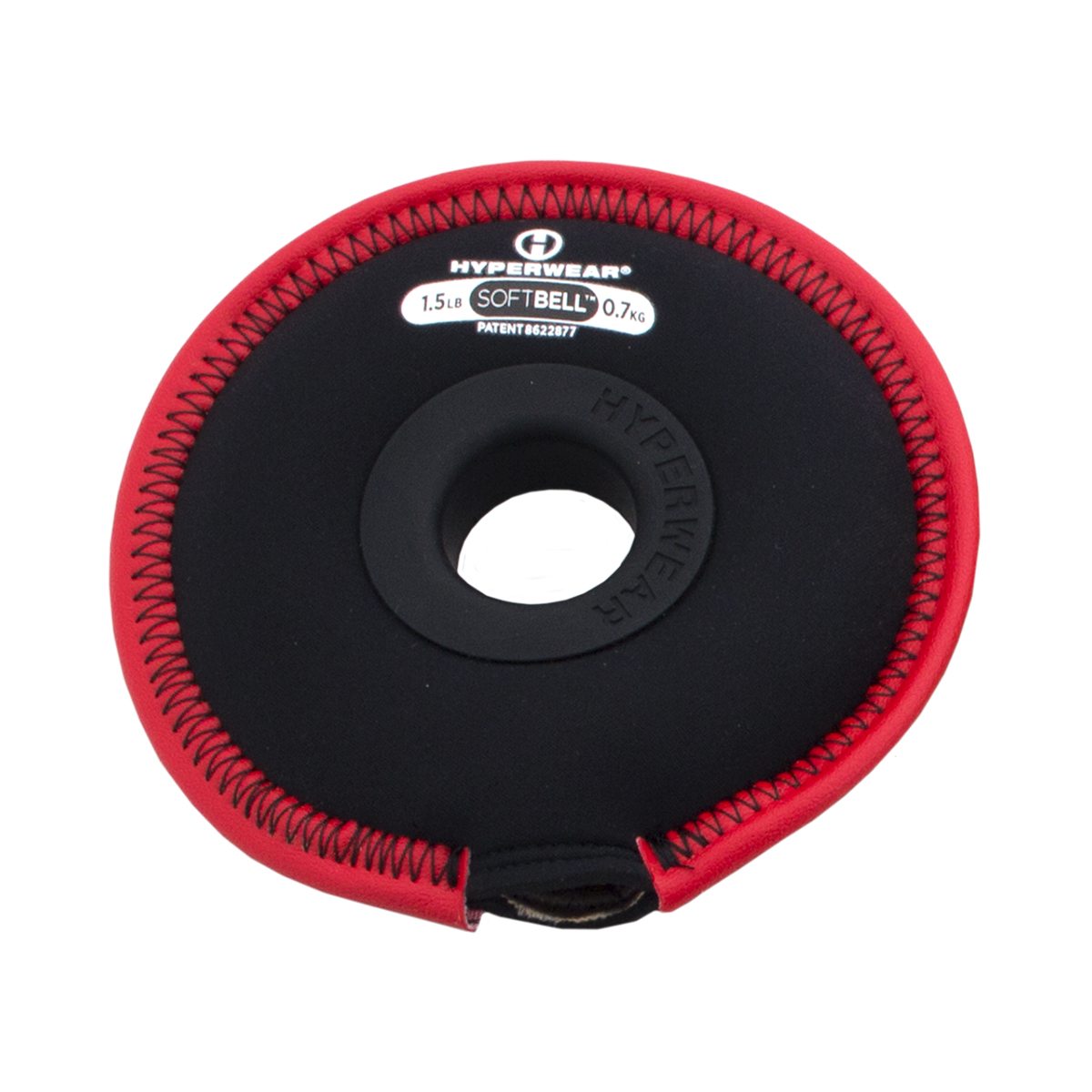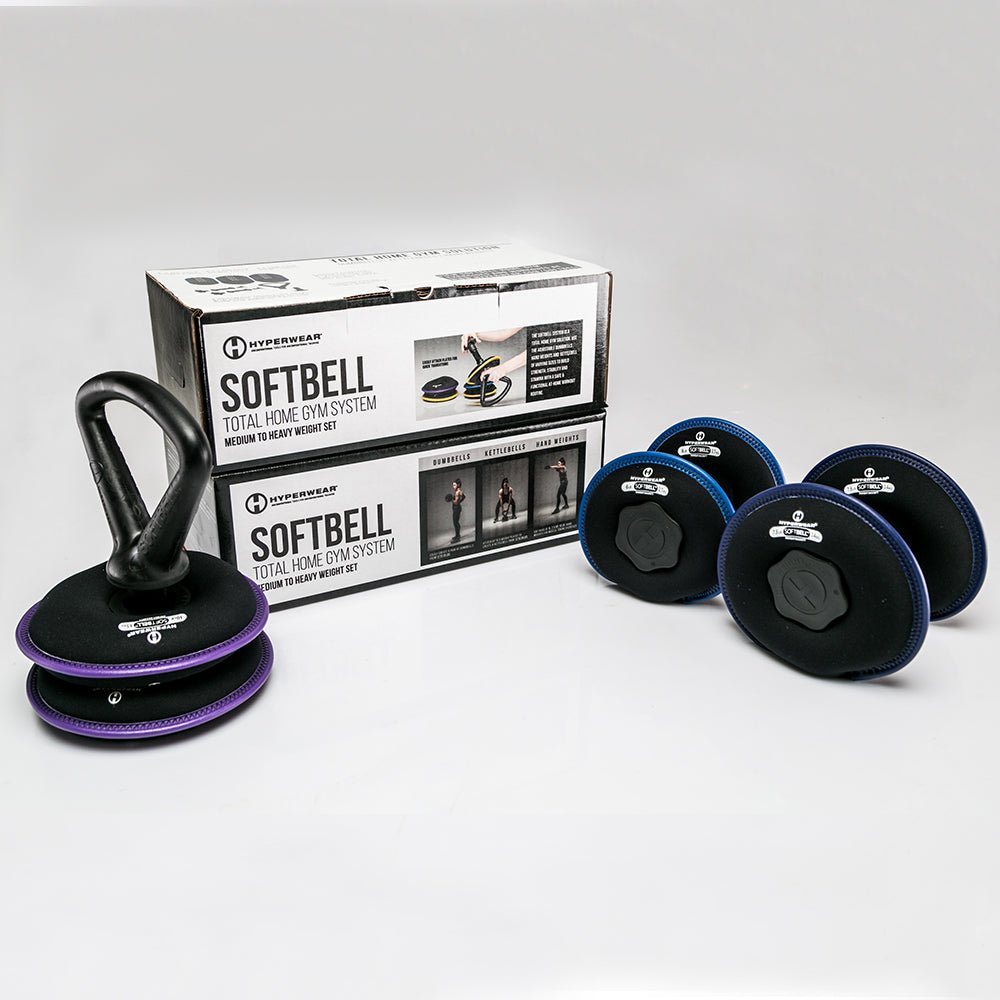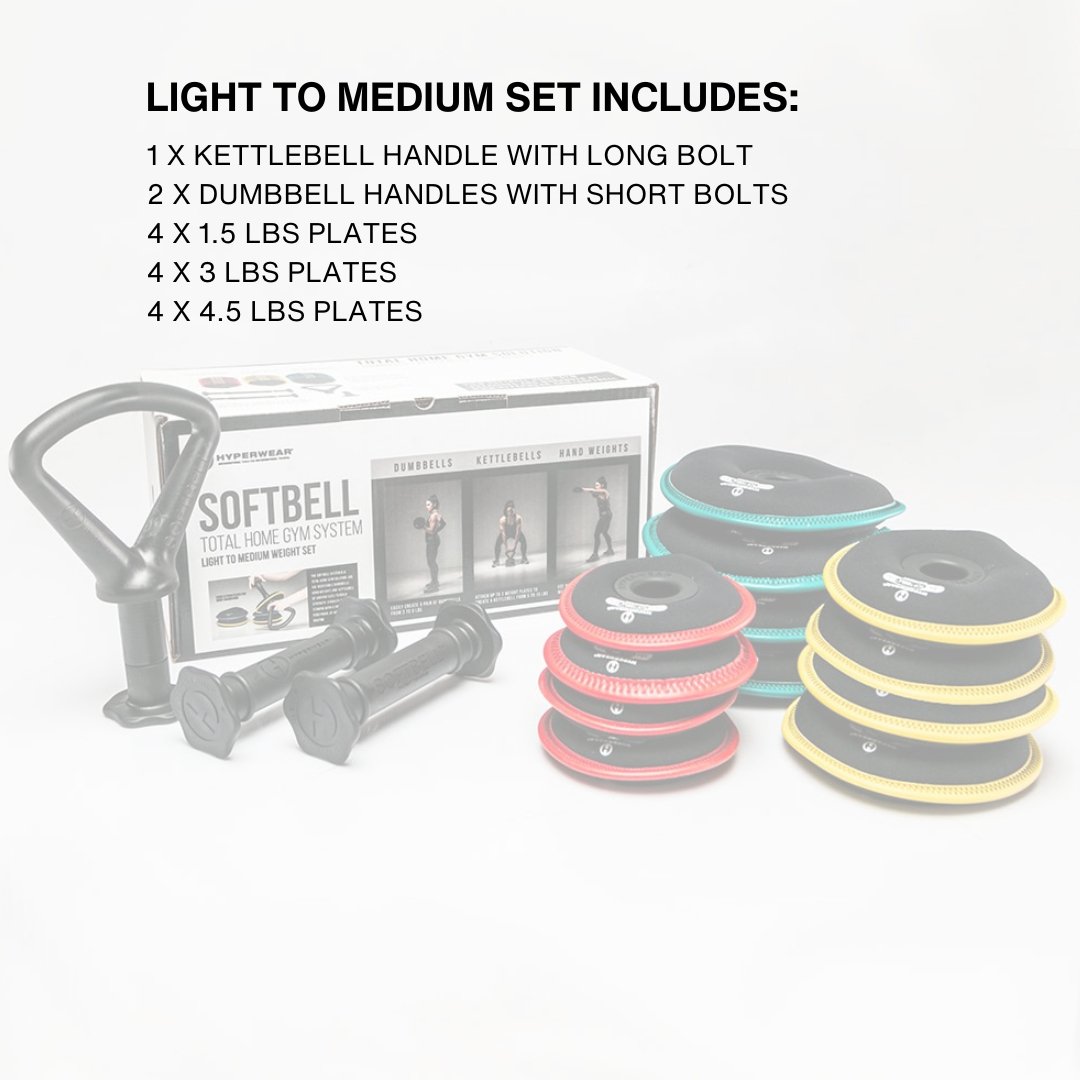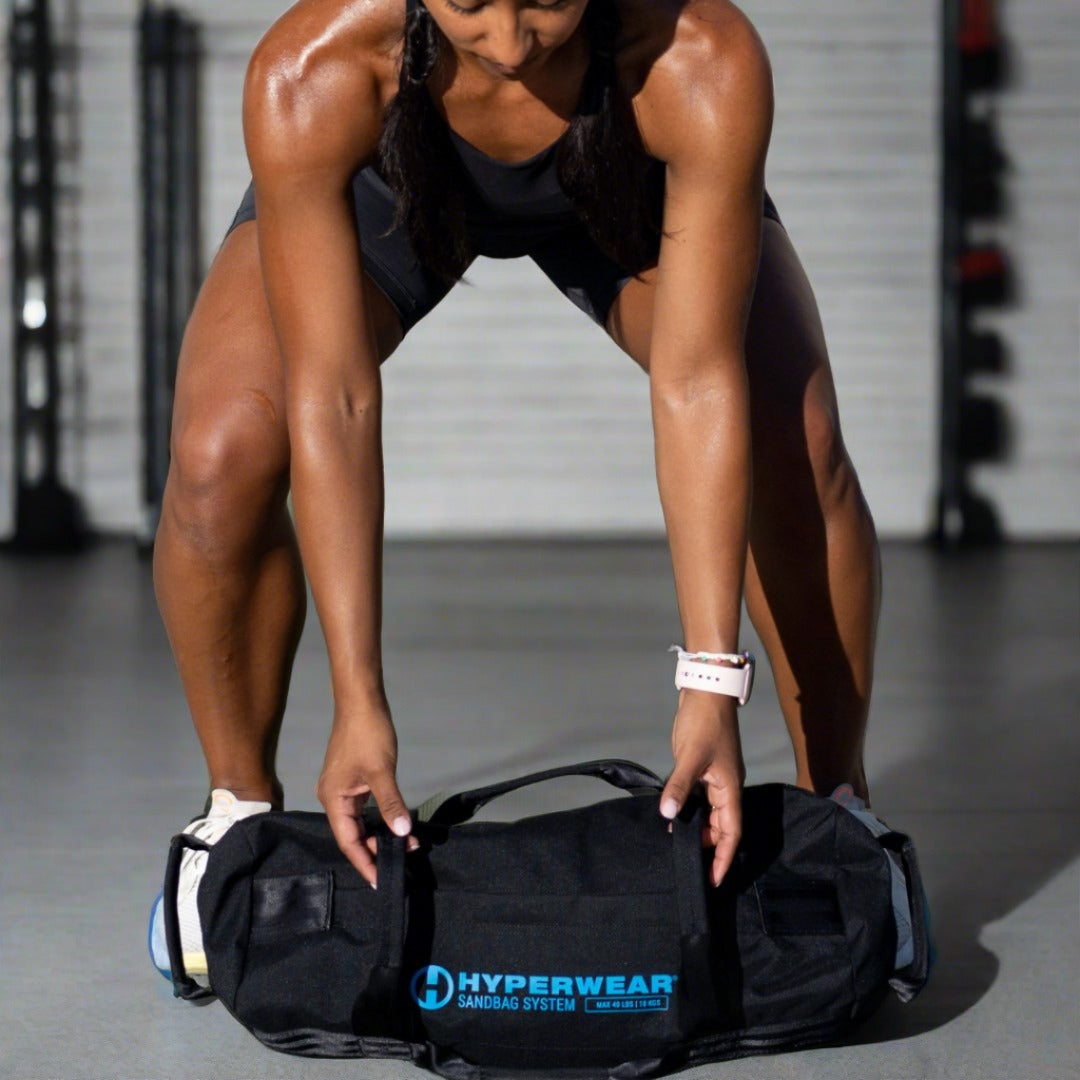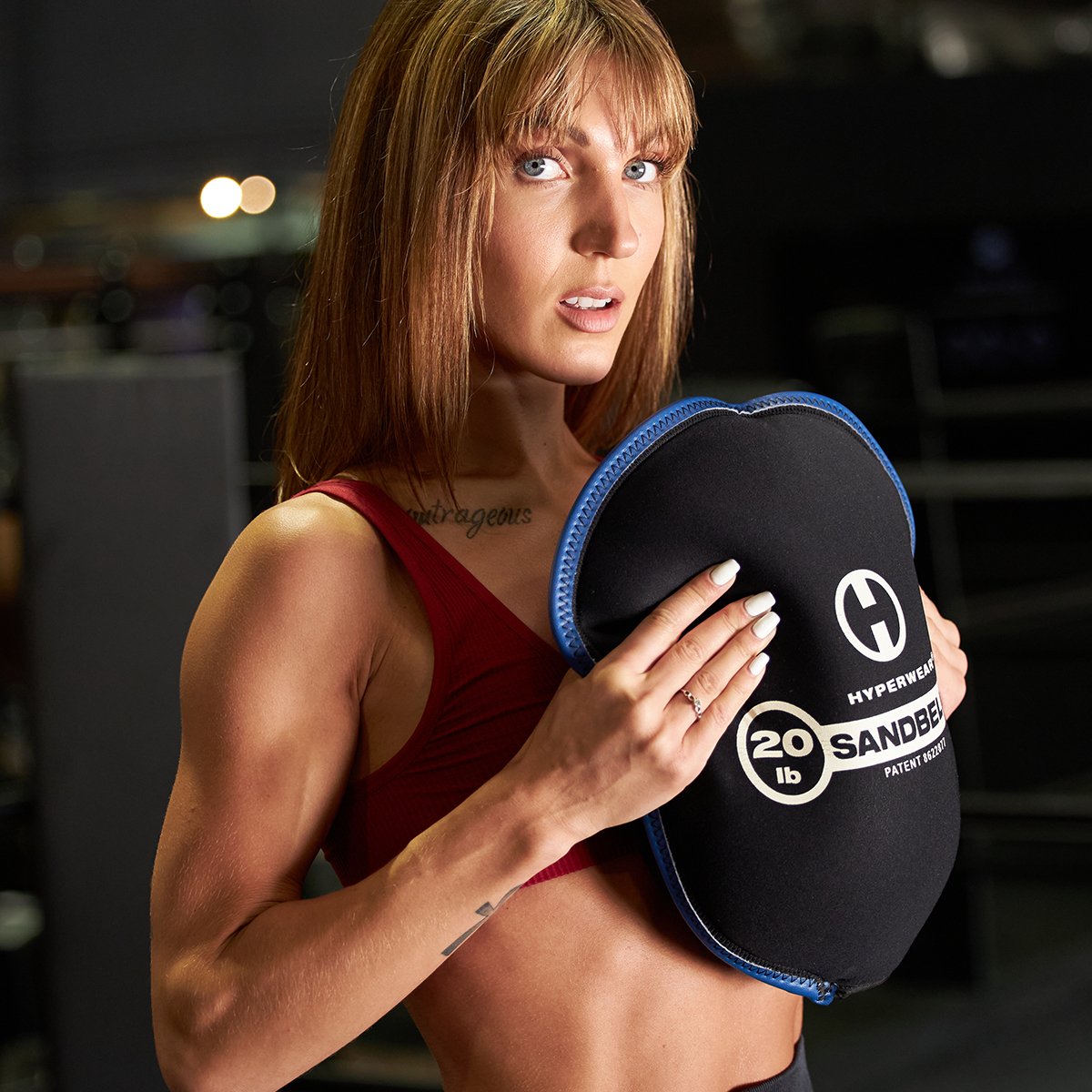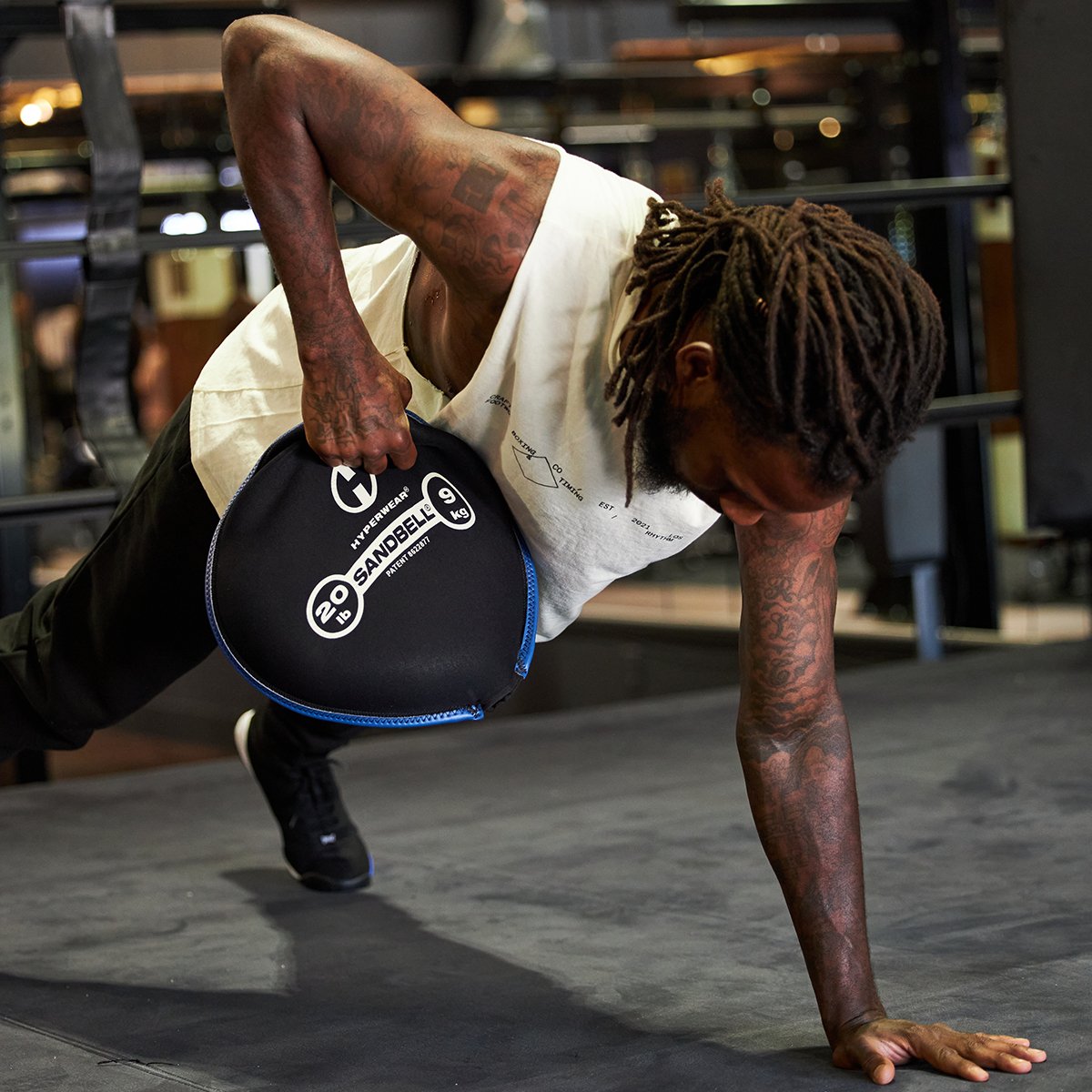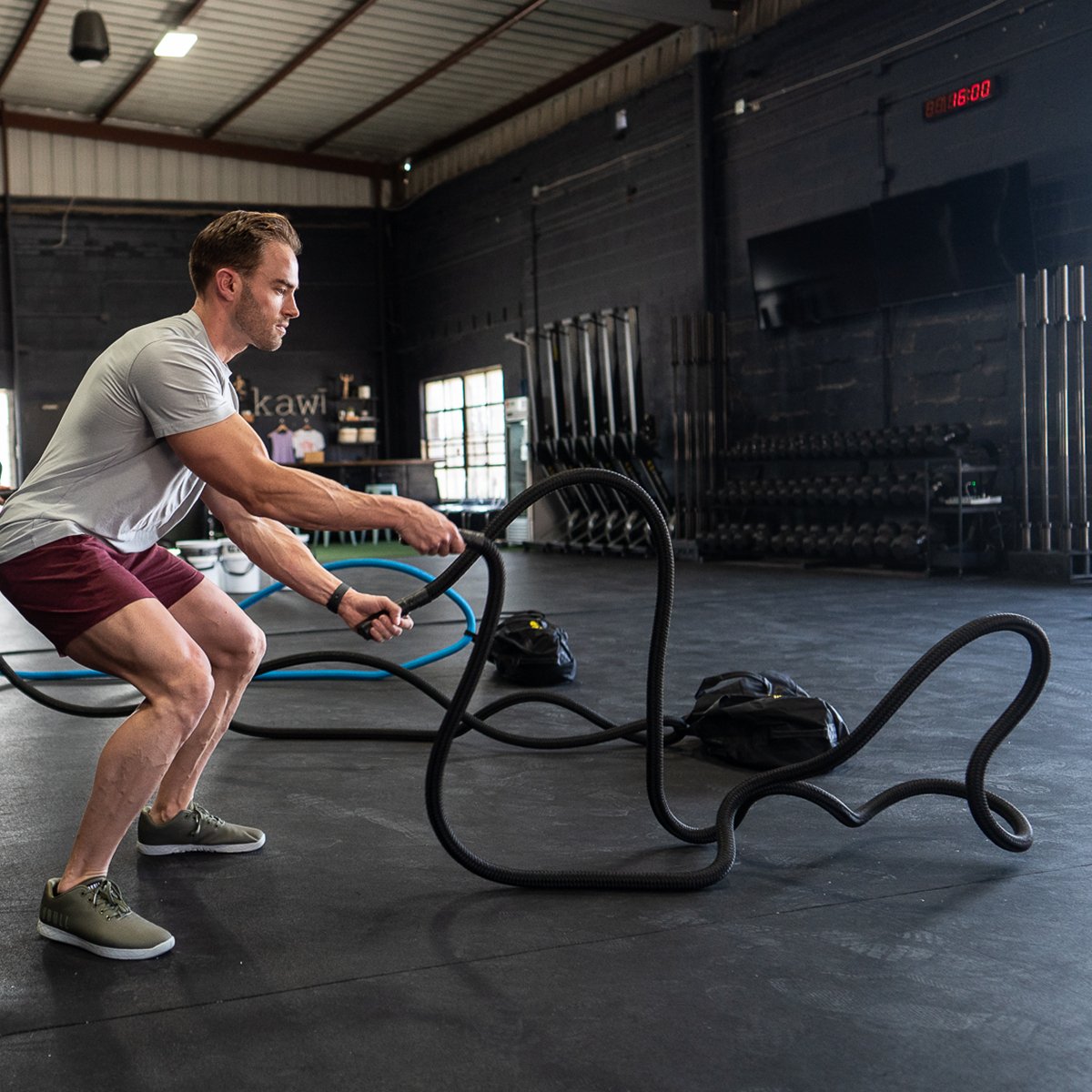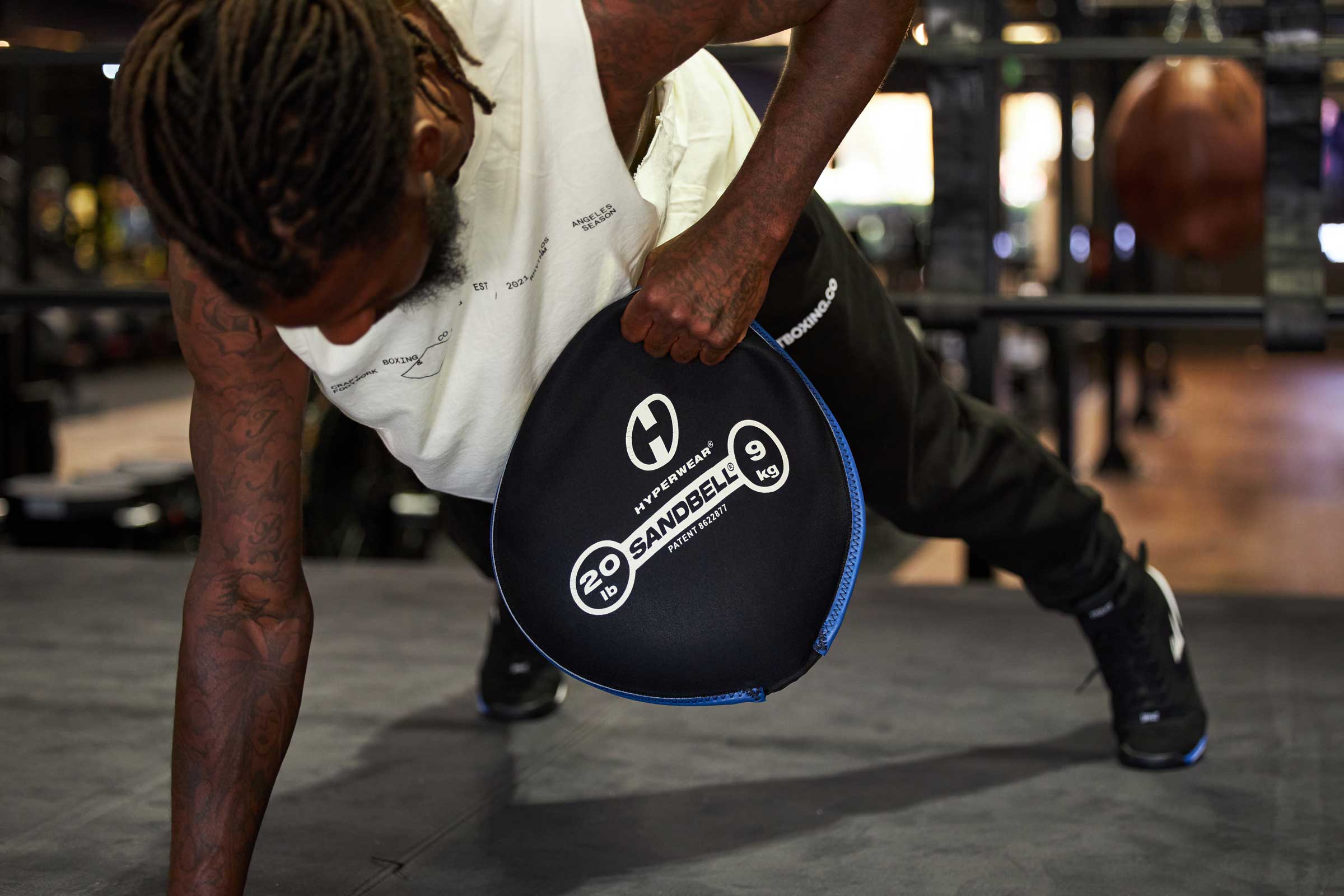


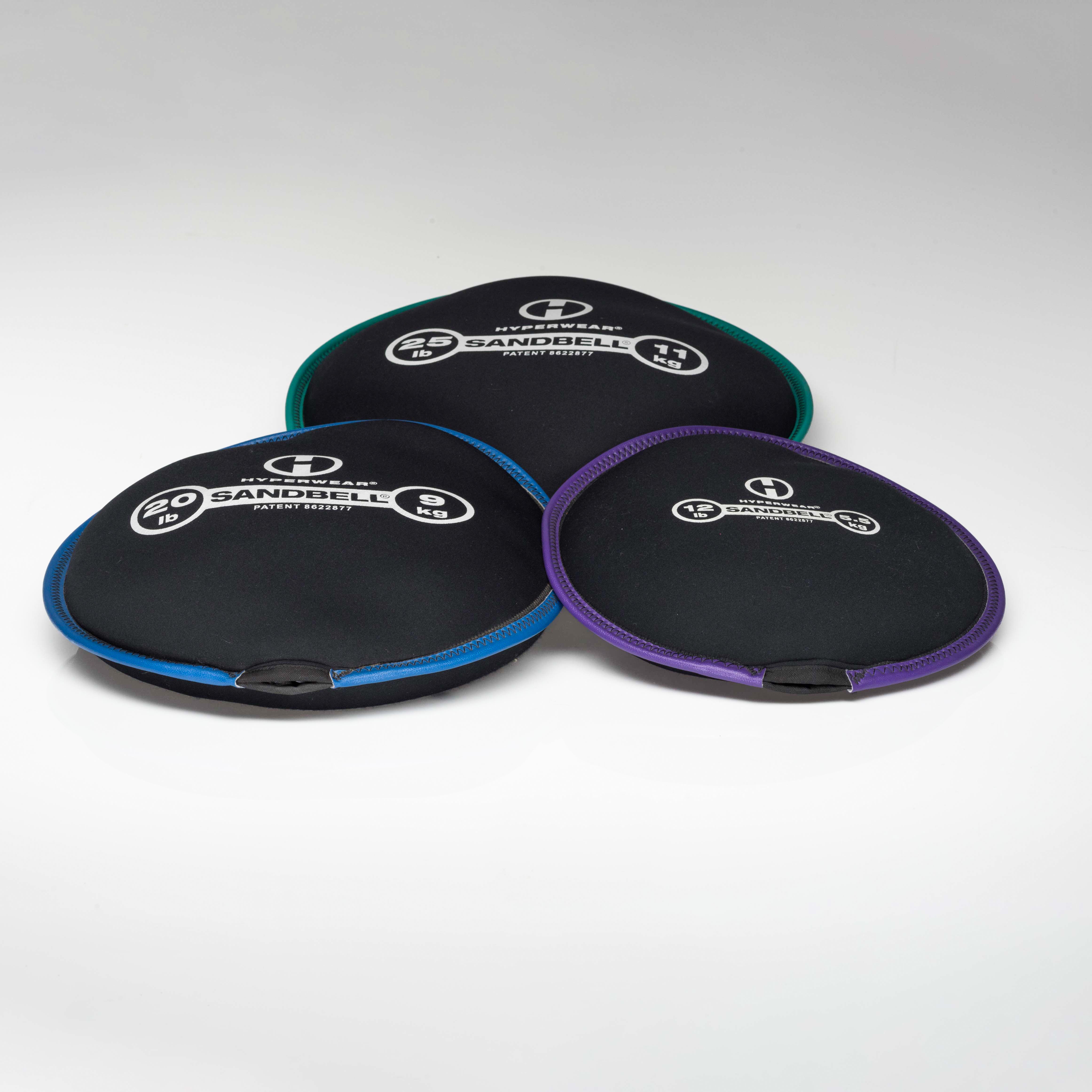

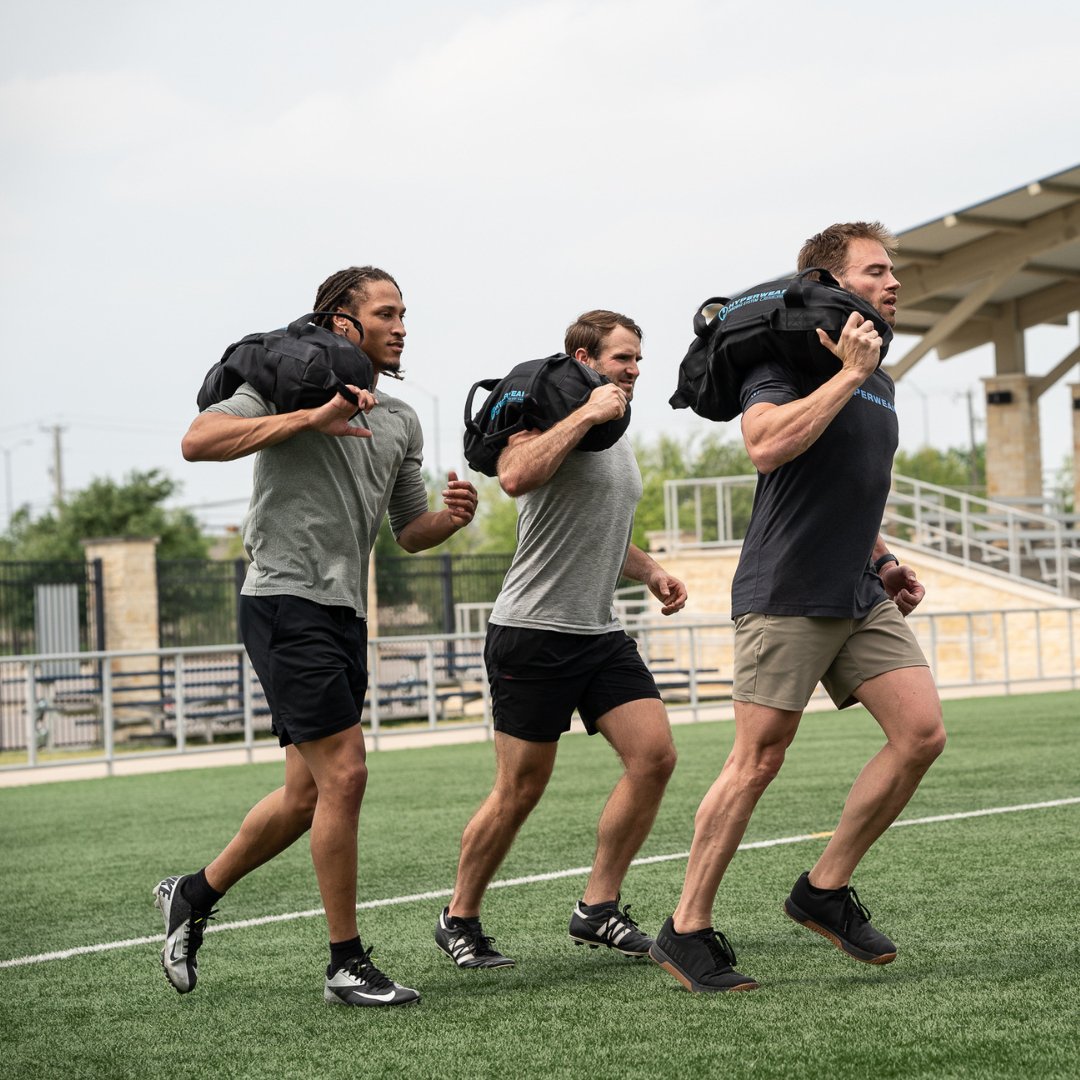

A SandBell® is a soft, sand-filled free weight created for strength, conditioning, grip training, core work, carries, throws, slams, and functional movement. Unlike a rigid dumbbell or kettlebell, the sand shifts inside the flexible shell as you move, requiring you to control both the weight and the movement of the load.
The original SandBell design was brought to market in 2009 and became one of the foundational products in the Hyperwear training system. Its patented format combines useful qualities of a dumbbell, kettlebell, medicine ball, slam ball, and traditional sandbag in one compact training tool.
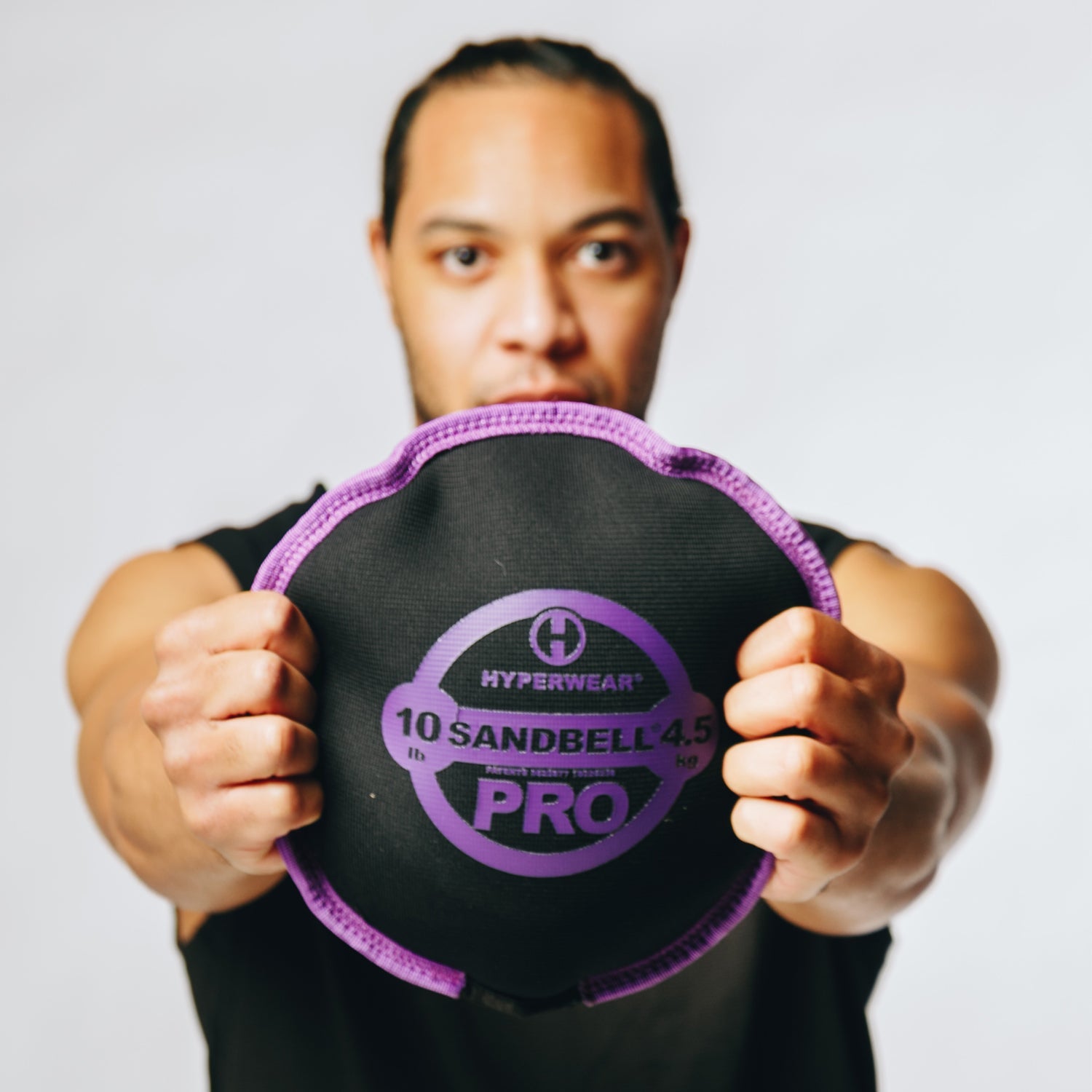
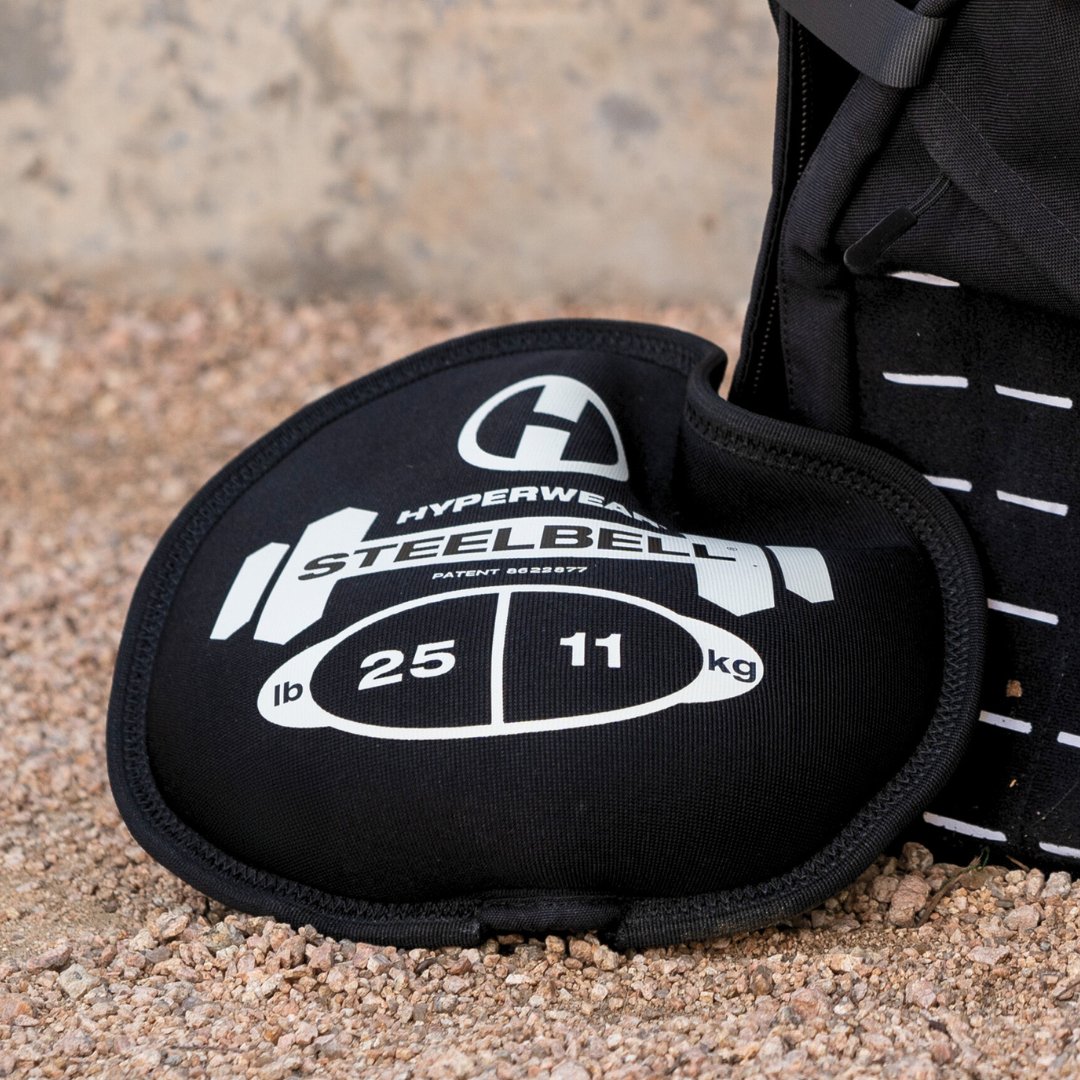
The SandBell concept also led to related Hyperwear soft-weight products, including the reinforced SandBell PRO and the denser SteelBell®, which replaces sand with recycled steel shot for a more compact, heavier-feeling load.
This guide explains what a SandBell is, why it was created, how it differs from SandBell PRO and SteelBell, and where the handled Workout Sandbag System, Hybrid Race™ Training Sandbag System, and Neoprene Strongman Sandbags fit.
Quick answer: what is a SandBell?
A SandBell is an individual soft free weight made with a durable neoprene shell and filled with clean sand. You grip the body of the weight instead of a fixed handle. As the sand moves, your hands, forearms, core, and stabilizing muscles work to control the shifting load.
- Choose SandBell for versatile home, studio, and group training.
- Choose SandBell PRO for reinforced construction, higher-volume use, and heavier sand-filled options.
- Choose SteelBell for a denser, more compact soft weight filled with recycled steel shot.
- Choose a handled sandbag system for traditional carries, cleans, shouldering, drags, and heavier loaded patterns.
What is a SandBell?
A SandBell is a compact, soft-sided free weight filled with sand. Instead of a hard metal body or fixed handle, the entire surface becomes part of the grip.
This gives the SandBell several defining characteristics:
- The sand shifts as the weight moves.
- The user can grip, pinch, hug, carry, catch, press, throw, or slam the weight.
- The soft shell is more forgiving to hands, bodies, and many training surfaces than rigid metal equipment.
- Each weight functions as a standalone free weight.
- Different sizes can be used across strength, cardio, mobility, Pilates, yoga, and athletic conditioning.
- SandBells can also serve as contained filler weights inside certain Hyperwear handled sandbag systems.
Current SandBell workout sandbags are available in individual weights from 2 to 50 lb. They arrive pre-filled and ready to use.
Why Hyperwear created the SandBell
The idea behind SandBell started with a simple question: Why should a free weight have to be hard, rigid, and limited to a fixed grip?
Traditional dumbbells and kettlebells are valuable strength tools, but their hard construction can limit throwing, catching, partner work, slamming, and floor-based movement. Medicine balls and slam balls support dynamic training, but their round shape and fixed surface create a different gripping and movement experience.
The SandBell design was created to provide a more adaptable solution:
- soft enough for dynamic indoor and outdoor training
- durable enough to be carried, dropped, thrown, and slammed
- flexible enough to grip from many positions
- compact enough for home gyms, studios, and commercial facilities
- scalable across beginners, older adults, athletes, and advanced users
Founder’s perspective: The goal was not simply to create another sandbag. It was to create a new category of free weight—one that could move naturally with the athlete and support strength, power, conditioning, balance, and grip training in one tool.
The patented SandBell format was introduced in 2009 and has since been used in home workouts, personal training, group fitness, strength and conditioning programs, health clubs, sports-performance settings, and outdoor training.
How shifting sand changes the workout
A dumbbell or kettlebell keeps most of its mass in a fixed position. A SandBell behaves differently because the sand can move inside the shell.
As you accelerate, decelerate, rotate, press, carry, or catch the SandBell, the load shifts. Your body must continuously adjust to keep the weight under control.
That can increase the challenge to:
- grip and forearm strength
- core stability
- shoulder control
- balance and coordination
- deceleration and catching mechanics
- multi-planar movement
- whole-body strength endurance
This does not mean a shifting weight is automatically better for every exercise. Fixed weights remain valuable for precise, repeatable strength loading. SandBell offers a different stimulus—one that emphasizes control, adaptability, and movement.
Where SteelBell® fits
SteelBell® applies the soft-weight idea to a denser material. Instead of sand, it is filled with recycled steel shot inside a tough, flexible neoprene shell.
Because steel shot is substantially denser than sand, SteelBell can provide more weight in a relatively compact shape. That makes it useful when you want the soft exterior and variable grip of a SandBell-style tool with greater loading capacity.
SteelBell is especially well suited to:
- heavier squats and lunges
- deadlifts and loaded hinges
- bear-hug and front carries
- rucking and load carriage
- slams and controlled tosses
- rotational strength work
- strength-endurance circuits
- heavy functional conditioning
The current SteelBell product family is offered across a broad 10–150 lb range, subject to current size availability.
Simple distinction: SandBell gives you a more flowing, sand-shifting load. SteelBell gives you a denser, more compact steel-shot load. Both retain a soft exterior and flexible gripping surface.
Is SteelBell a replacement for SandBell?
No. SteelBell expands the training range rather than replacing SandBell.
Choose SandBell when you want a more fluid shifting load, lighter options, broad group-fitness use, throwing, catching, Pilates, yoga, and high-repetition conditioning.
Choose SteelBell when you want a denser load, heavier carries, strength-focused training, compact weight, or a soft alternative for rucking and high-load conditioning.
How is a SandBell different from a traditional sandbag?
A SandBell contains sand, so it is technically a type of sandbag. However, it is very different from the large handled or duffle-style bags most people picture when they hear the term workout sandbag.
Why the rounded SandBell® shape matters inside a handled sandbag
Traditional sandbag fillers are often rectangular, with seams and corners that must accommodate a shifting granular load. SandBell® uses a rounded, flexible neoprene design that conforms as the sand moves. When used inside a Hyperwear handled sandbag, each SandBell provides a contained, pre-filled, removable weight—and remains a complete standalone training tool when removed from the outer shell.
| Feature | SandBell | Traditional handled sandbag |
|---|---|---|
| Format | Individual soft free weight | Larger outer shell or duffle-style bag |
| Grip | Grip the flexible body of the weight | Usually grip fixed handles or the outer shell |
| Best movements | Slams, throws, presses, carries, core work, grip drills, and circuits | Carries, cleans, shouldering, lunges, drags, rows, and heavier loaded patterns |
| Class setup | Individual weights deploy quickly across stations | May require choosing or changing internal filler weights |
| Storage | Compact and stackable by individual weight | Usually requires more space as a complete system |
| Loading range | Best for individual free-weight loading | Often better for heavier total loads and traditional sandbag movements |
Neither format replaces the other. The best choice depends on whether you want an individual soft free weight or a larger handled system for traditional sandbag exercises.
For a deeper product-family comparison, read SandBell vs Traditional Sandbag: Which Training Tool Is Right for You?
Where the other Hyperwear sandbag products fit
Handled Workout Sandbag System
The Hyperwear Workout Sandbag System combines an outer shell with multiple handles and removable SandBell filler weights. It is the better option when your training emphasizes shouldering, cleans, drags, heavier carries, front-loaded squats, lunges, and traditional handled-sandbag movements.
The individual SandBell fillers can also be removed and used separately, giving the system more exercise options than a bag filled with loose sand alone.
Hybrid Race™ Training Sandbag System
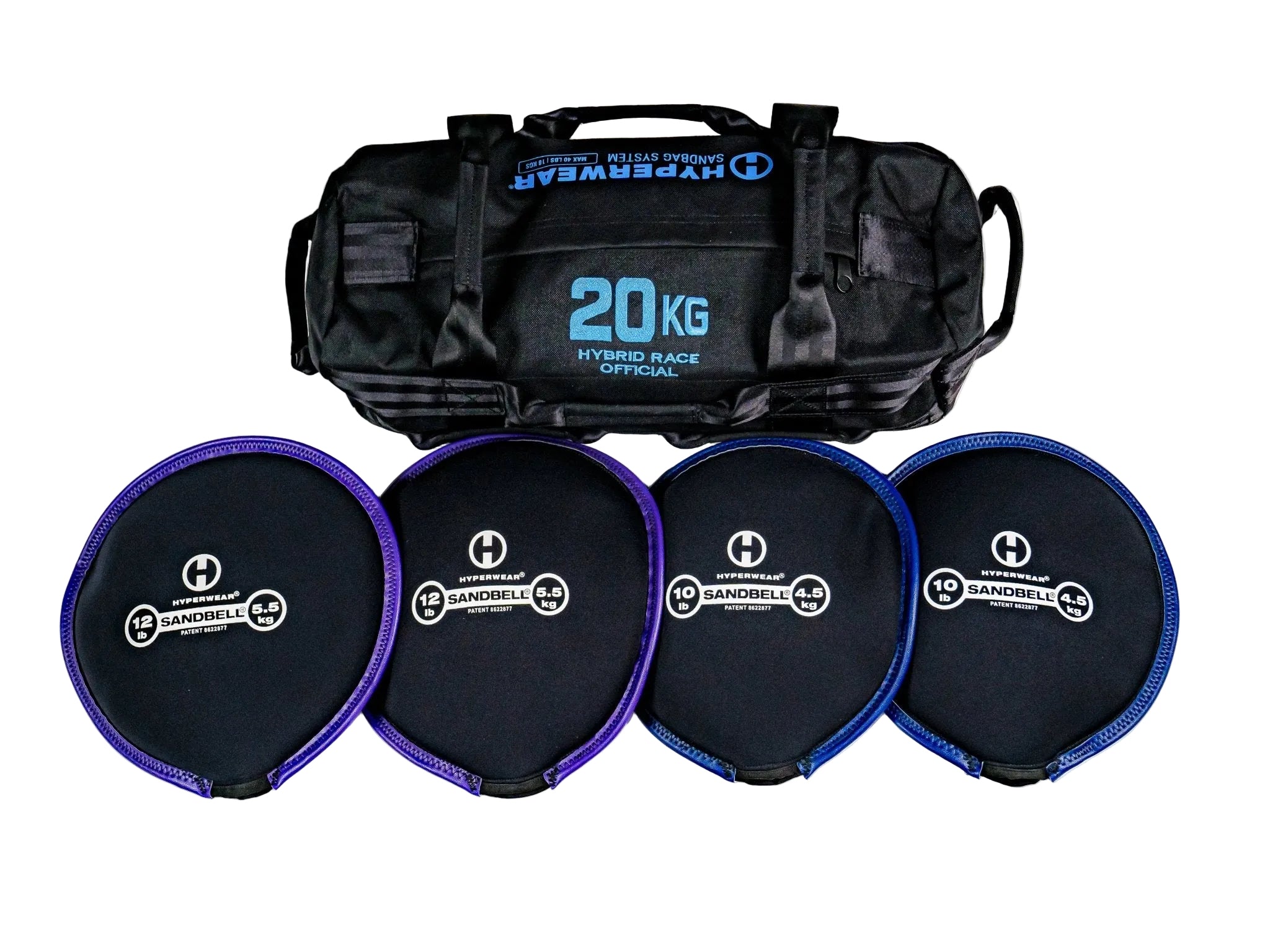
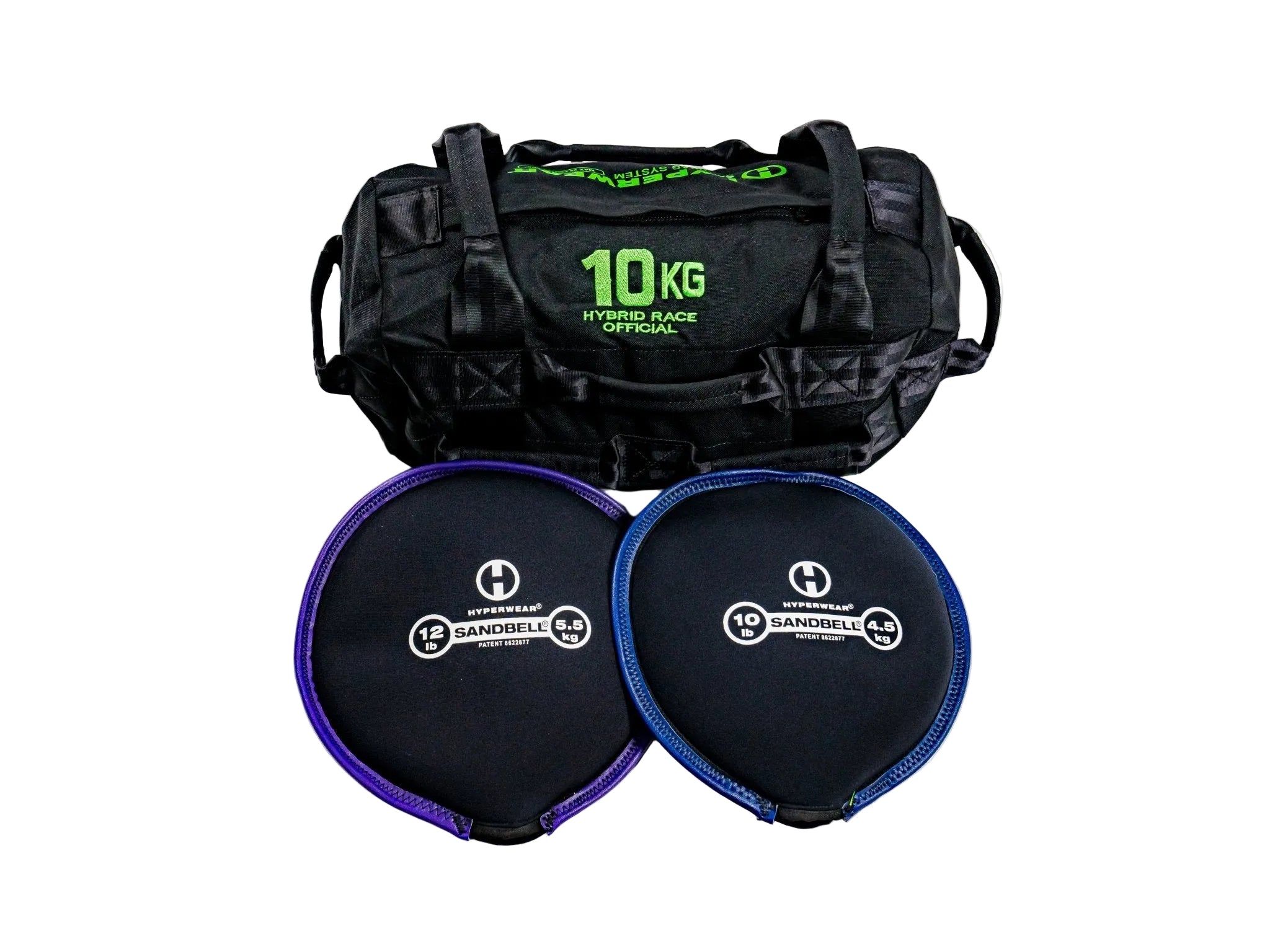
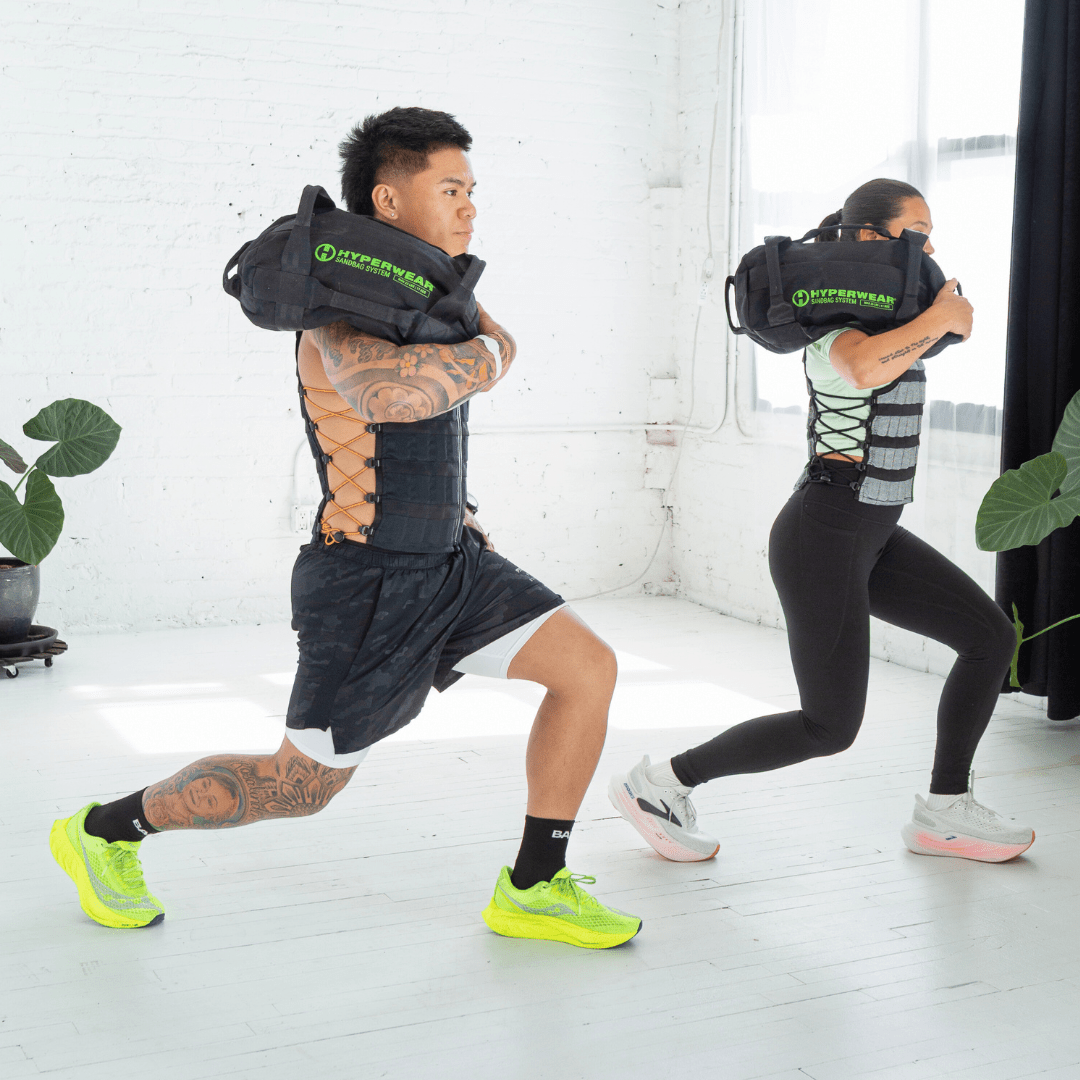
The Hybrid Race™ Training Sandbag System is designed for standardized race-style lunge and carry preparation. It is currently offered in 10 kg and 20 kg configurations and uses multiple contained SandBell inserts inside a handled outer shell.
Choose Hybrid Race™ when your main goal is practicing shoulder-loaded lunges, carries, transitions, and race-specific training at a defined kilogram load.
Neoprene Strongman Sandbags
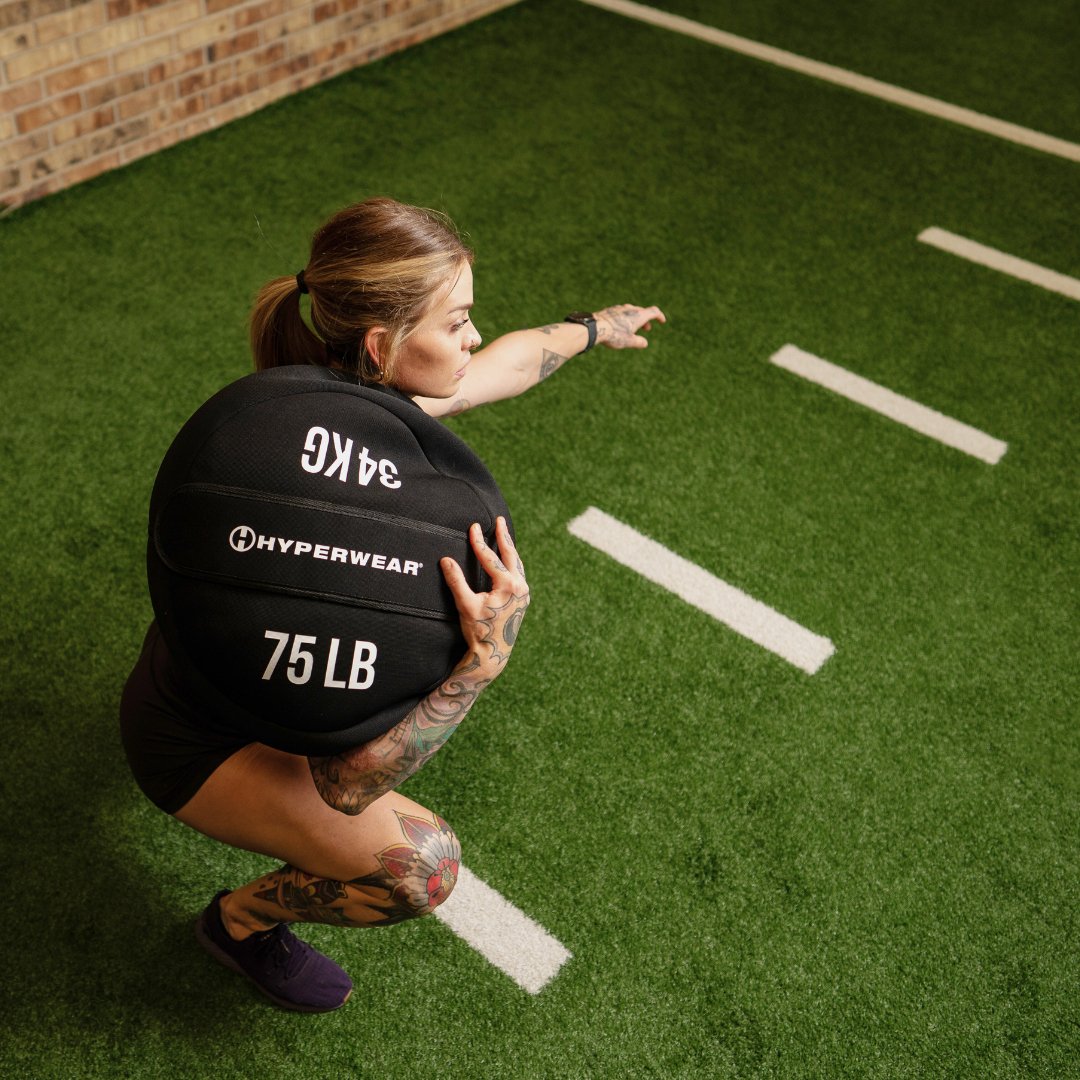
Neoprene Strongman Sandbags are a separate heavy-strength category. These larger cylindrical or boulder-style bags are designed for heavy shouldering, bear-hug carries, cleans, squats, ground-to-shoulder repetitions, and loading.
Unlike SandBell, the Strongman Sandbags are sold empty and filled by the user. Current capacities range from 50 to 200 lb.
SandBell vs SandBell PRO vs SteelBell
All three products use a soft exterior and flexible gripping surface, but their fill material, construction, weight range, and ideal use cases are different.
| Feature | SandBell | SandBell PRO | SteelBell |
|---|---|---|---|
| Fill material | Sand | Sand | Recycled U.S. steel shot |
| Best for | Home users, trainers, studios, general group fitness, mobility, and broad functional training | Higher-volume clubs, bootcamps, coaches, athletic programs, and demanding training | Heavier strength work, dense carries, rucking, slams, and high-load conditioning |
| Current weight range | 2–50 lb | 6–70 lb | 10–150 lb, subject to current availability |
| Shell | Soft neoprene | Reinforced neoprene design for higher-volume use | Tough, flexible neoprene with durable trim |
| Load feel | Fluid and highly shifting | Fluid sand load with reinforced construction | Denser and more compact for a given weight |
| Typical uses | Slams, carries, presses, core exercises, yoga, Pilates, functional fitness, and conditioning | Repeated slams, throws, carries, high-volume classes, sports conditioning, and heavier strength work | Squats, lunges, deadlifts, presses, slams, tosses, carries, rucking, and heavy conditioning |
| Who should choose it? | People who want the original versatile SandBell experience | People or facilities that need greater durability, heavier sand weights, or repeated daily use | People who want a heavier, denser soft weight or a compact alternative to hard metal loading |
Choosing between the three?
Choose SandBell for broad everyday versatility, SandBell PRO for reinforced high-volume sand training, or SteelBell for a denser and heavier soft-weight option.
What exercises can you do with a SandBell?
The shape and shifting fill allow one SandBell to support many types of movement.
Strength exercises
- goblet squats
- front-loaded squats
- reverse and walking lunges
- deadlifts and hinges
- bent-over rows
- floor presses
- overhead presses
- cleans
- loaded step-ups
Power and conditioning exercises
- overhead slams
- rotational slams
- tosses and partner throws
- clean-to-press combinations
- loaded carries
- shuttle and relay drills
- high-repetition circuits
Core and stability exercises
- Russian twists
- plank drags
- push-up drags
- loaded marches
- offset carries
- half-kneeling presses
- rotational chops
Mobility, yoga, and Pilates loading
- light loaded flows
- bridges and hip work
- controlled balance exercises
- light upper-body resistance
- loaded stretching and mobility patterns
Exercises that also work well with SteelBell
Many SandBell exercises can also be performed with SteelBell, particularly when a denser or heavier load is preferred.
- bear-hug carries
- heavy front carries
- squats and lunges
- deadlifts and hinges
- floor presses
- slams and controlled tosses
- rucking and loaded walking
- heavy strength-endurance circuits
See more ideas in the Sandbag Workout Video Library or browse all Hyperwear workout sandbags.
Why clubs and group fitness programs use SandBells
SandBells are particularly well suited to group training because they are easy to distribute, easy to identify by weight, and adaptable across a wide range of fitness levels.
Benefits for clubs, studios, trainers, and classes include:
- Fast station setup: Individual weights can be placed quickly throughout a circuit.
- Simple progression: Members can move between clearly marked weight options.
- Broad exercise variety: The same weight can be used for strength, cardio, core, carries, throws, and partner work.
- Approachable design: The soft format may feel less intimidating than hard metal weights to new or returning exercisers.
- Dynamic movement: SandBells support movements that are not practical with many conventional free weights.
- Space efficiency: A range of individual weights can support many class formats without requiring a separate machine for each exercise.
SandBell PRO is the flagship choice when a facility needs reinforced construction for repeated classes, slams, throws, and higher-volume daily use.
SteelBell can complement that assortment when a facility needs heavier soft weights for carries, strength stations, rucking, and high-load conditioning.
For facility outfitting, group-training assortments, or volume purchasing, visit Hyperwear Commercial Solutions.
What SandBell or SteelBell weight should you choose?
The best weight depends on your experience, the exercise, your training speed, and whether you are working on strength, power, conditioning, or loaded walking.
| User or goal | Suggested starting range | Guidance |
|---|---|---|
| Beginner SandBell training | 4–10 lb | Start light enough to learn gripping, carrying, pressing, and controlled slams. |
| Group fitness | 6–20 lb SandBell assortment | Provide several options so members can change weight by movement. |
| Strength circuits | 10–30 lb SandBell or SteelBell | Use lighter weights for presses and faster movement, and heavier weights for squats and carries. |
| Advanced power and throws | 20–50 lb SandBell or SandBell PRO | Choose a load that still allows safe acceleration, control, and catching mechanics. |
| Heavy carries and dense loading | Choose SteelBell based on experience and movement | Start conservatively because the compact steel-shot load can feel different from the same weight in sand. |
| Rucking and loaded walking | Select an appropriate SteelBell load for the pack and user | Make sure the weight is secured and does not shift unpredictably inside the pack. |
| Commercial facilities | Assortment across common class and strength weights | Use SandBell PRO for high-volume classes and SteelBell for heavier strength and carry stations. |
A useful rule is to choose the exercise before choosing the weight. The right load for a squat or carry may be too heavy for an overhead throw, fast slam, or Pilates movement.
Start with a load you can control through every repetition. Progress only after you can maintain posture, grip, balance, and movement quality.
Frequently asked questions
What is a SandBell?
A SandBell is a soft, sand-filled free weight created by Hyperwear. Its flexible shell and shifting sand allow it to be gripped, carried, pressed, thrown, slammed, and used for strength, conditioning, core work, and group fitness.
Who invented the SandBell?
The SandBell was developed by Hyperwear founder Dirk Buikema and the product-development team behind Hyperwear’s early functional training equipment.
When was the SandBell invented?
The original patented SandBell design was brought to market in 2009.
What is inside a SandBell?
SandBell is filled with clean sand contained inside a durable neoprene shell.
What is inside a SteelBell?
SteelBell is filled with recycled U.S. steel shot inside a tough, flexible neoprene shell.
What is the difference between SandBell and SteelBell?
SandBell is filled with shifting sand, which creates a more fluid and adaptable load. SteelBell is filled with denser steel shot, allowing more weight in a relatively compact shape. SandBell is especially versatile for classes, throws, mobility, and broad functional training. SteelBell is especially useful for heavier strength work, carries, rucking, slams, and dense loading.
Is SteelBell a type of SandBell?
They are related Hyperwear soft-weight products, but they use different fill materials and provide different training experiences. SandBell uses sand; SteelBell uses recycled steel shot.
Is a SandBell a sandbag?
Yes, but it is not a traditional handled or duffle-style sandbag. It is an individual soft free weight that you grip directly.
What is the difference between SandBell and SandBell PRO?
SandBell is the original versatile model, currently available from 2 to 50 lb. SandBell PRO uses a reinforced design for higher-volume use and is currently available from 6 to 70 lb.
What is the difference between a SandBell and a Strongman Sandbag?
SandBell is a compact individual free weight for broad functional training. A Neoprene Strongman Sandbag is a much larger, user-filled boulder-style bag designed for heavy shouldering, bear-hug carries, cleans, squats, and loading.
What exercises can you do with a SandBell?
SandBells can be used for squats, lunges, presses, rows, cleans, carries, slams, throws, plank drags, Russian twists, partner drills, yoga, Pilates, and conditioning circuits.
What exercises can you do with a SteelBell?
SteelBell can be used for squats, lunges, deadlifts, presses, carries, slams, tosses, rotational work, strength circuits, and loaded walking or rucking.
Are SandBells good for group fitness?
Yes. Their soft format, broad exercise variety, clear weight identification, compact storage, and ability to scale across fitness levels make them especially useful for group classes and circuit training.
Can SteelBell be used for rucking?
Yes. SteelBell is frequently used as a soft, dense rucking weight. Make sure it fits the pack, is positioned securely, and is appropriate for the user’s experience and intended distance.
Does a SandBell leak sand?
SandBell is designed to keep its sand contained within the sealed shell. Avoid sharp objects and highly abrasive surfaces, and inspect the exterior if the weight is repeatedly dragged or used in demanding outdoor environments.
Can a SteelBell spill steel shot?
SteelBell uses a patented no-spill construction designed to contain its recycled steel shot. Avoid sharp objects and inspect the exterior regularly when using it for repeated slams, dragging, outdoor training, or rucking.
Is a SandBell the same as a medicine ball or slam ball?
No. SandBell can perform many similar exercises, but its flexible free-weight shape creates a different gripping, carrying, and stability challenge than a round medicine ball or slam ball.
What SandBell weight should a beginner buy?
Many beginners start between 4 and 10 lb, but the correct weight depends on the exercise. Use a lighter weight for overhead work, throws, and fast conditioning, and a heavier weight for squats, deadlifts, and carries.
Should I buy SandBell, SandBell PRO, or SteelBell?
Choose SandBell for broad versatility and lighter-to-moderate training. Choose SandBell PRO for reinforced high-volume sand training and heavier sand-filled options. Choose SteelBell when you want a denser, more compact soft weight for heavier strength work, carries, slams, conditioning, or rucking.
Find the right soft weight for your training
Choose SandBell for versatile everyday training, SandBell PRO for reinforced high-volume use, or SteelBell for dense steel-shot loading and heavier strength work.
Explore more SandBell and sandbag resources
- Shop All Workout Sandbags
- Explore SteelBell®
- SandBell vs Traditional Sandbag
- Handled Workout Sandbag System
- Hybrid Race™ Training Sandbag System
- Neoprene Strongman Sandbags
- Sandbag Workout Videos
- Explore the Hyperwear Training Hub
About the author: Dirk Buikema is the founder of Hyperwear and an inventor of functional training equipment including SandBell®, SteelBell®, Hyper Vest®, Hyper Rope®, and other strength and conditioning systems.