


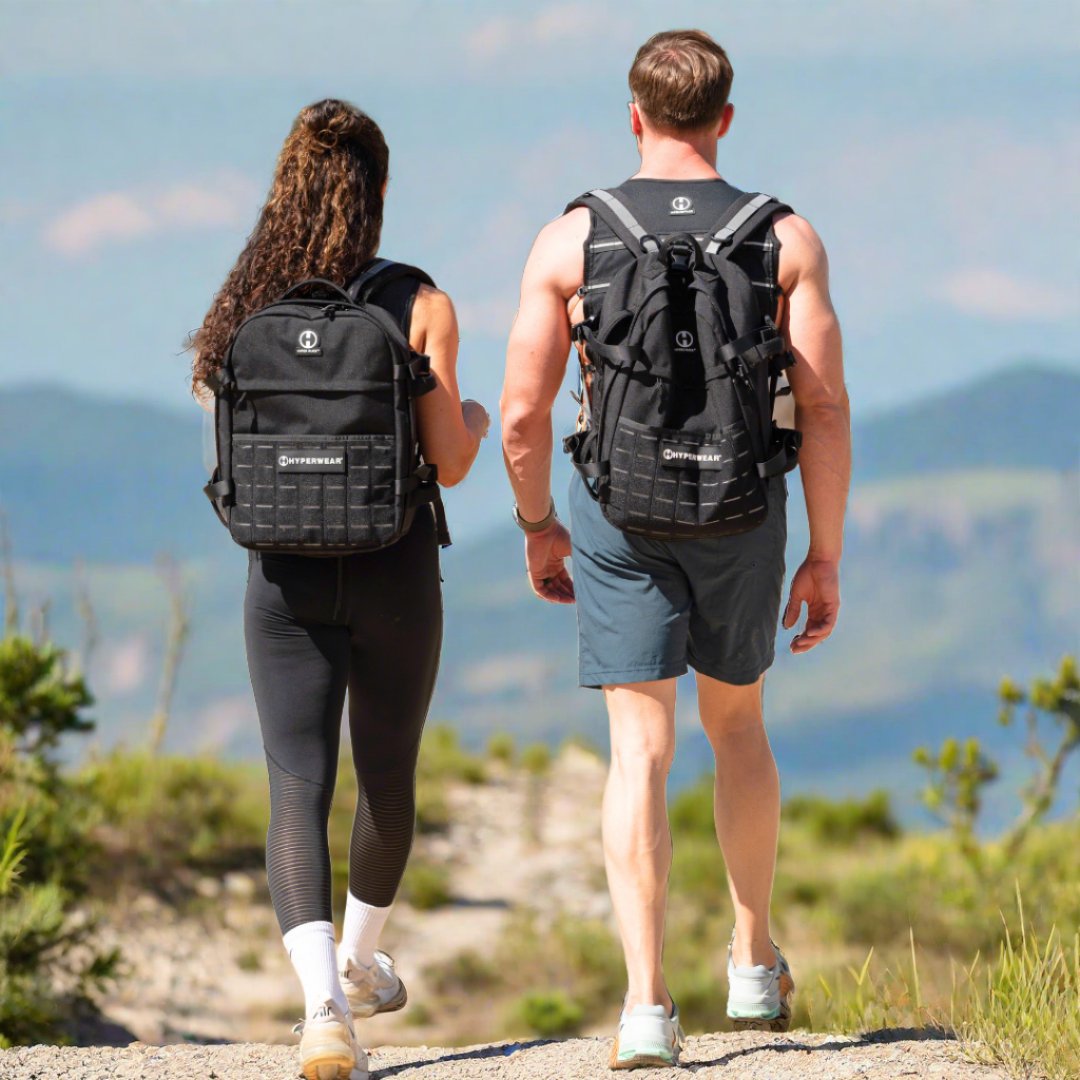


Rucking Backpack vs Weighted Vest: Which Should You Use?
Quick answer: Choose a rucking backpack if you want traditional rucking, heavier loads, hydration, storage, outdoor walks, or event-style training. Choose a weighted vest if you want lighter-to-moderate weighted walking, balanced torso loading, stairs, running, HIIT, or bodyweight workouts. Both can make walking harder; the better choice depends on how much weight you want to carry and how you want that weight distributed.
Shop rucking gear | Read the beginner rucking guide | Use the rucking calorie calculator
Rucking backpack vs weighted vest: quick comparison
| Category | Rucking backpack | Weighted vest |
|---|---|---|
| Best for | Traditional rucking, heavier loads, outdoor routes, hydration, gear storage, longer walks | Weighted walking, running, HIIT, stairs, bodyweight training, balanced loading |
| Weight distribution | Mostly on the back and shoulders | Distributed around the torso |
| Load potential | Usually better for heavier loads and longer progression | Usually better for lighter-to-moderate loads, depending on vest model |
| Storage | Yes, depending on backpack capacity | Minimal or none |
| Hydration | Often hydration-bladder or bottle compatible | Usually no hydration storage |
| Movement feel | More like carrying a load behind you | More balanced and body-hugging when fitted correctly |
| Best Hyperwear option | Hyper Ruck + FlexLoad ruck plates | Hyperwear weighted vests, especially PRO, ELITE, or TAC |
When to choose a rucking backpack
A rucking backpack is the better choice when your main goal is rucking in the traditional sense: walking with weight in a backpack or rucksack. It is also the better choice if you want to carry water, layers, snacks, everyday items, or heavier loads.
Choose a rucking backpack if you want:
- Traditional rucking workouts
- Heavier load progression
- Longer outdoor walks or hikes
- Hydration and storage
- Event-style training or CHAD-style workouts
- A dedicated pack that can hold ruck plates high and stable
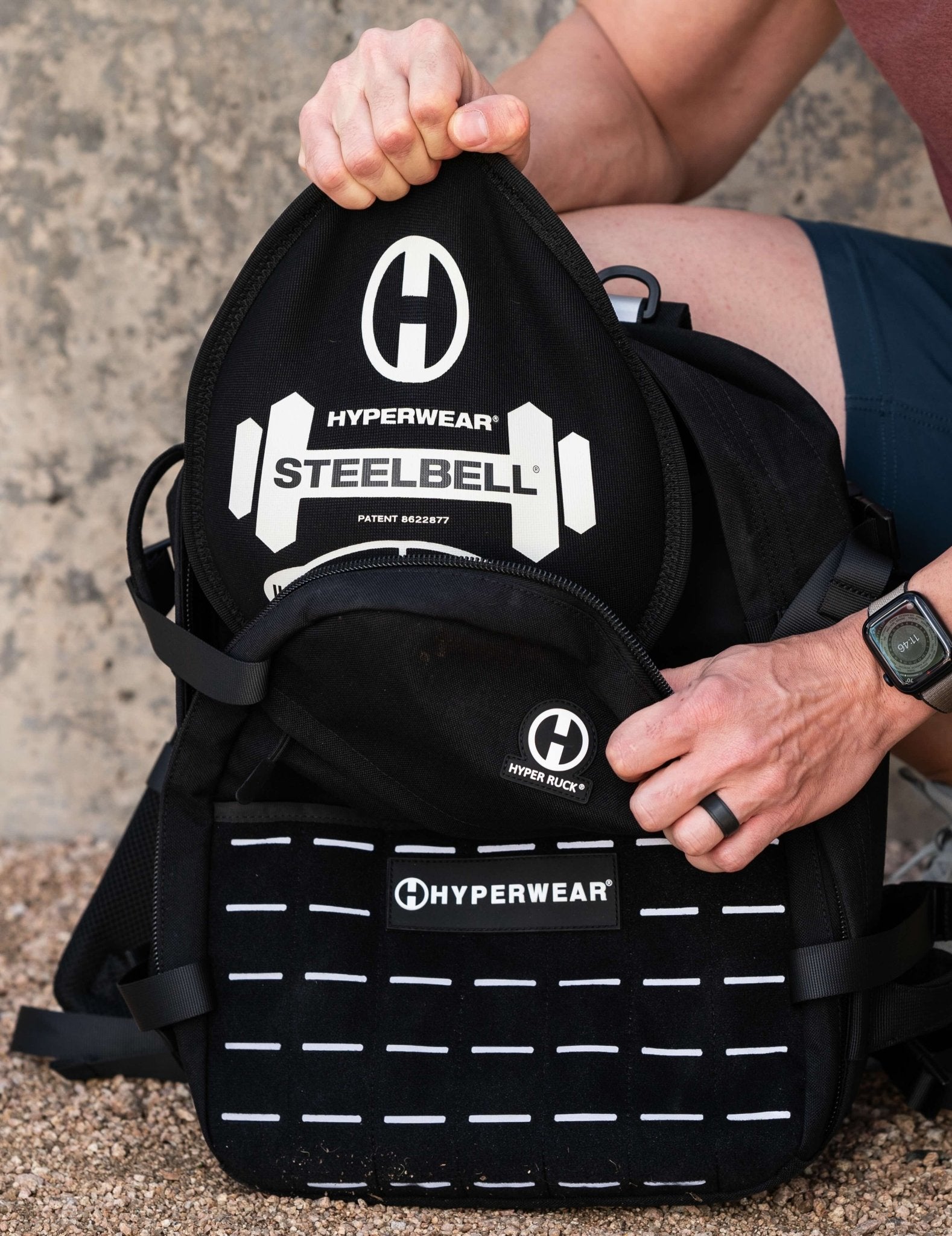
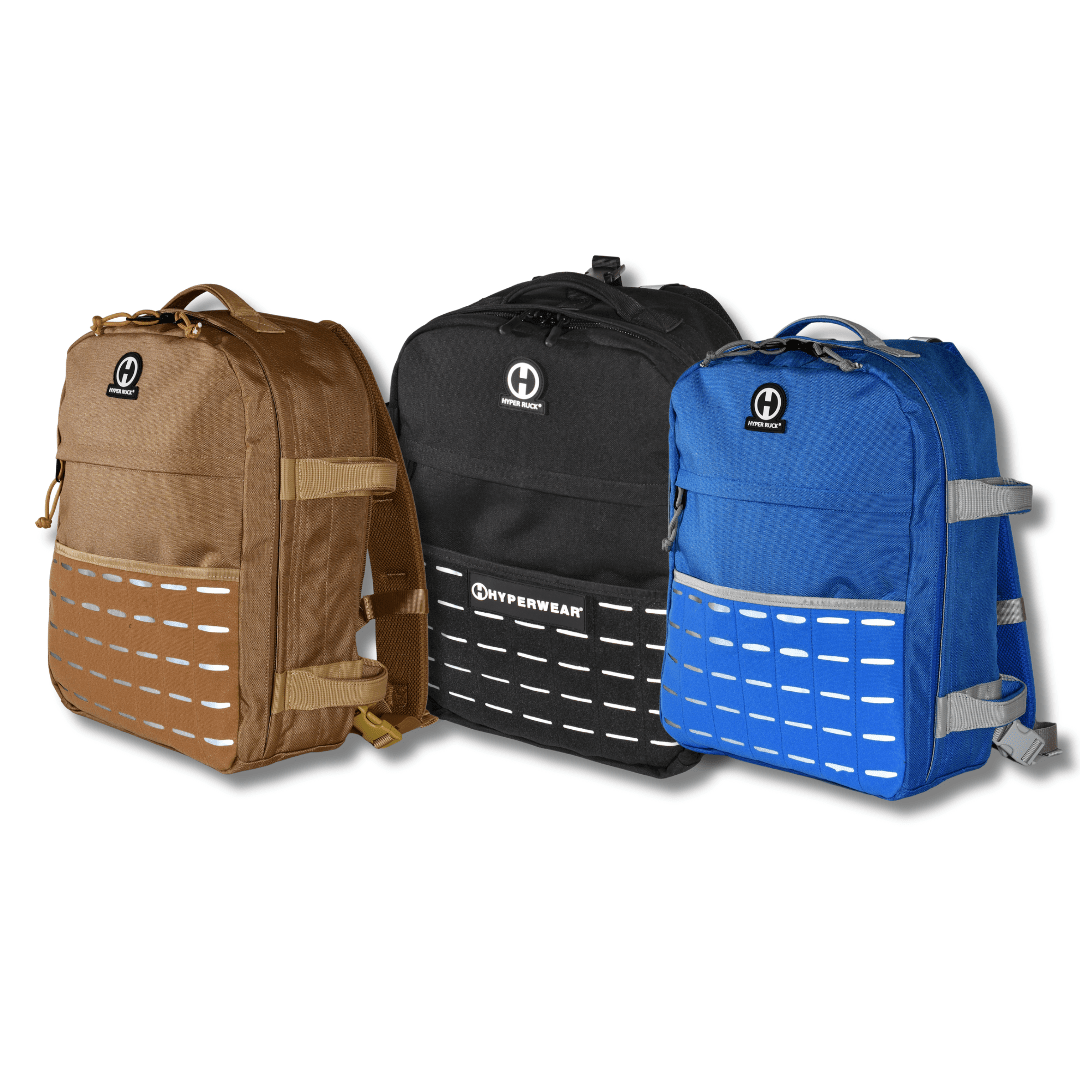
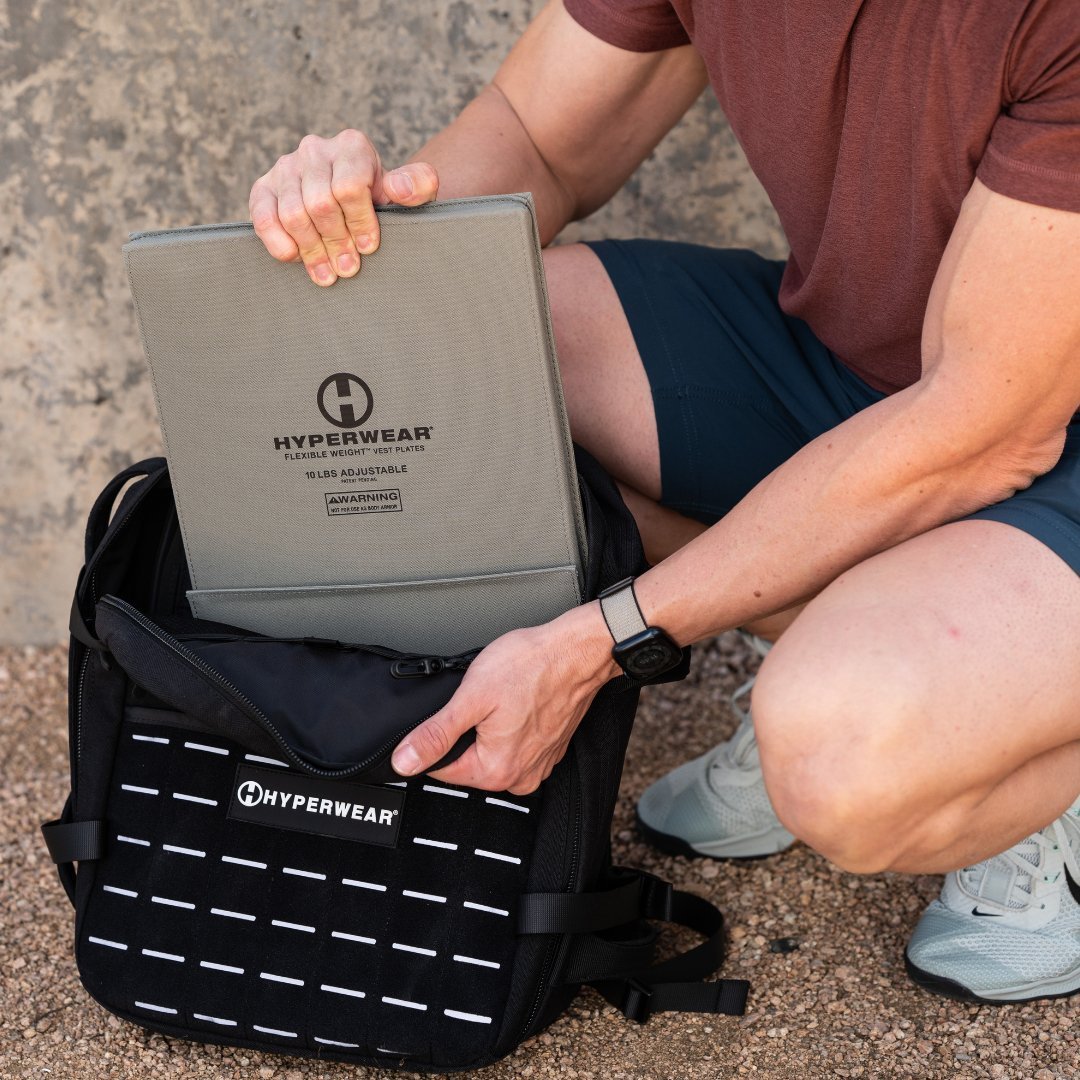
The Hyper Ruck is designed for rucking, strength training, and everyday carry. It has a 20L capacity, hydration-ready storage, wide padded shoulder straps, an adjustable sternum strap, removable waist strap, a rigid frame sheet back panel, and three elevated padded sleeves for a laptop, FlexLoad plates, or iron ruck plates.
When to choose a weighted vest
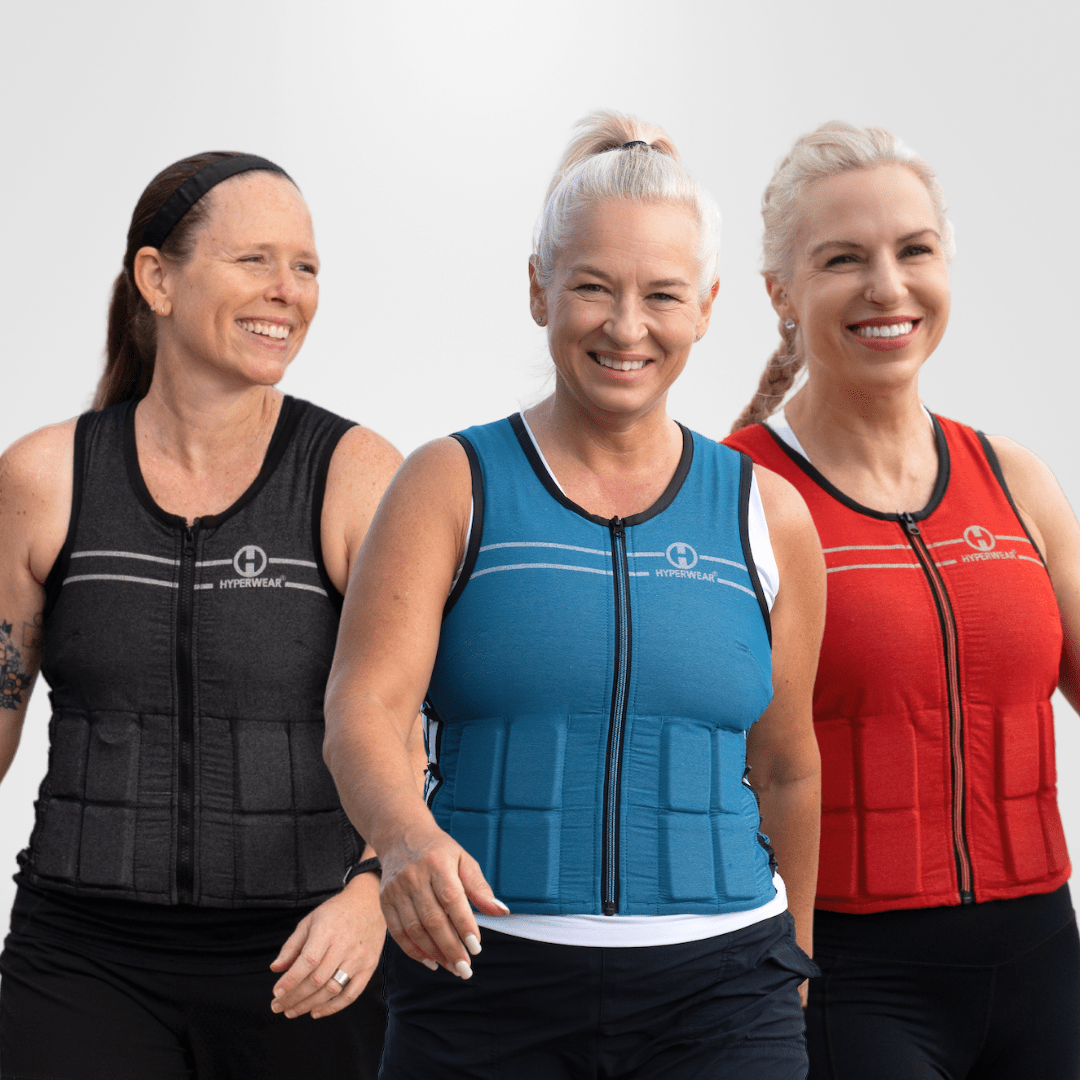
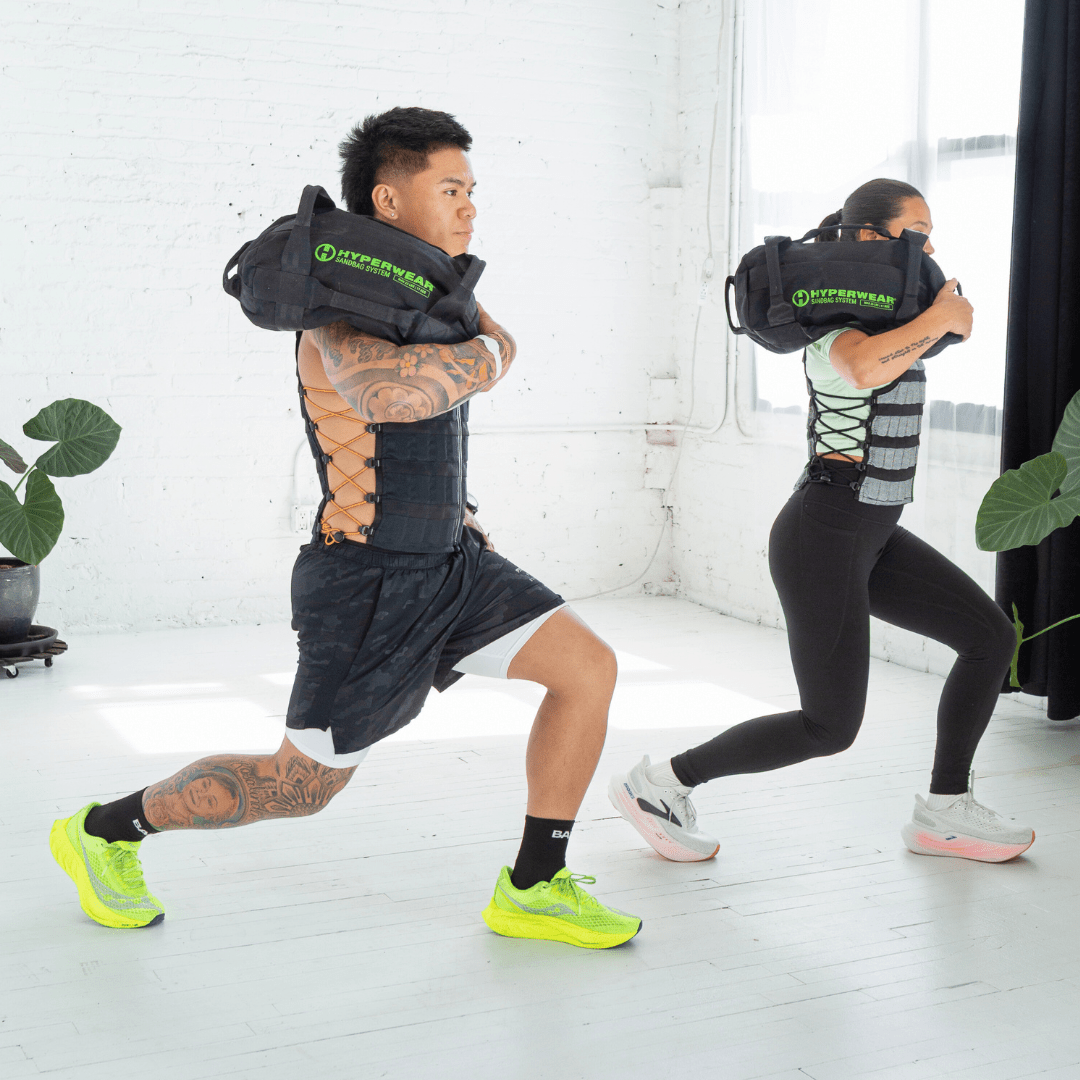
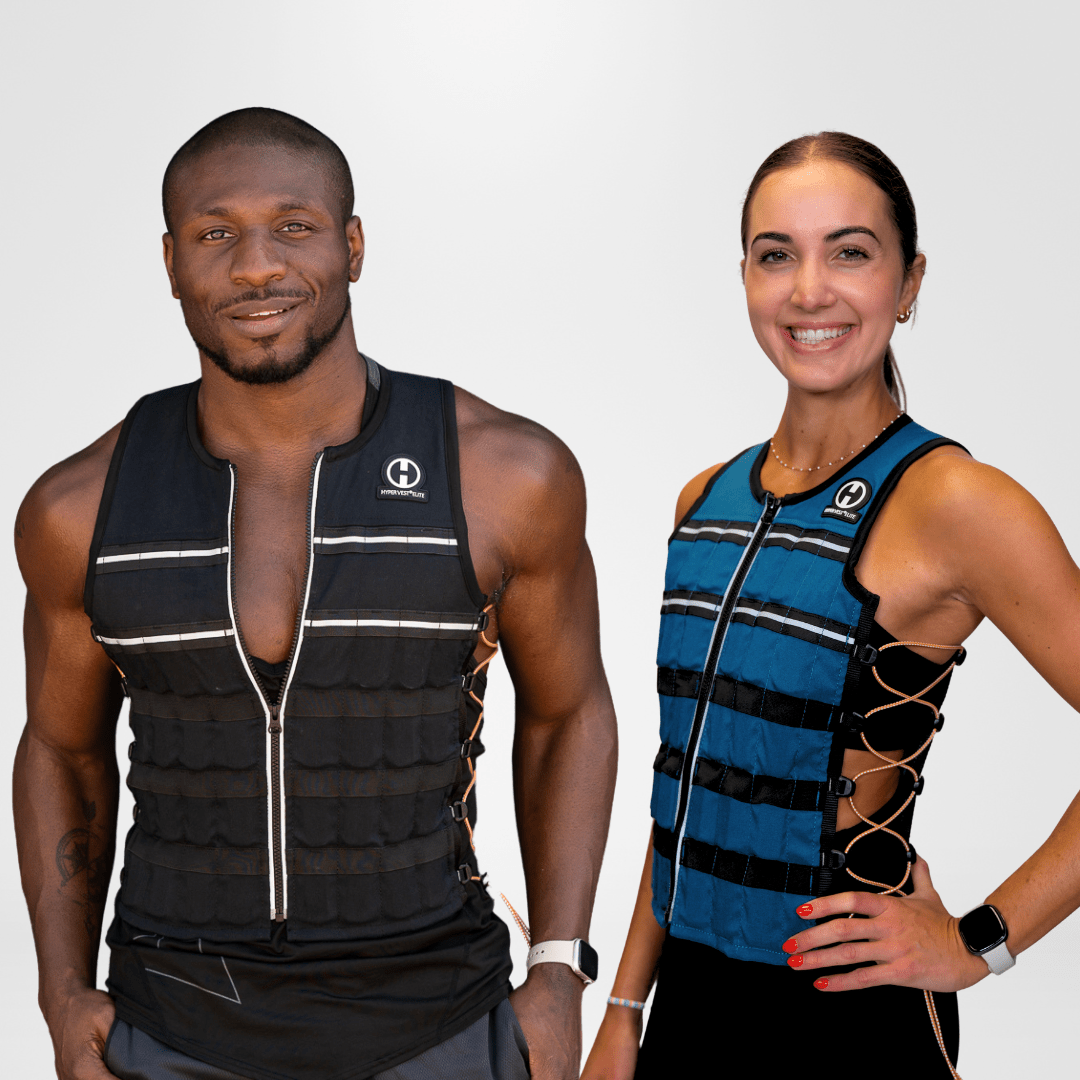
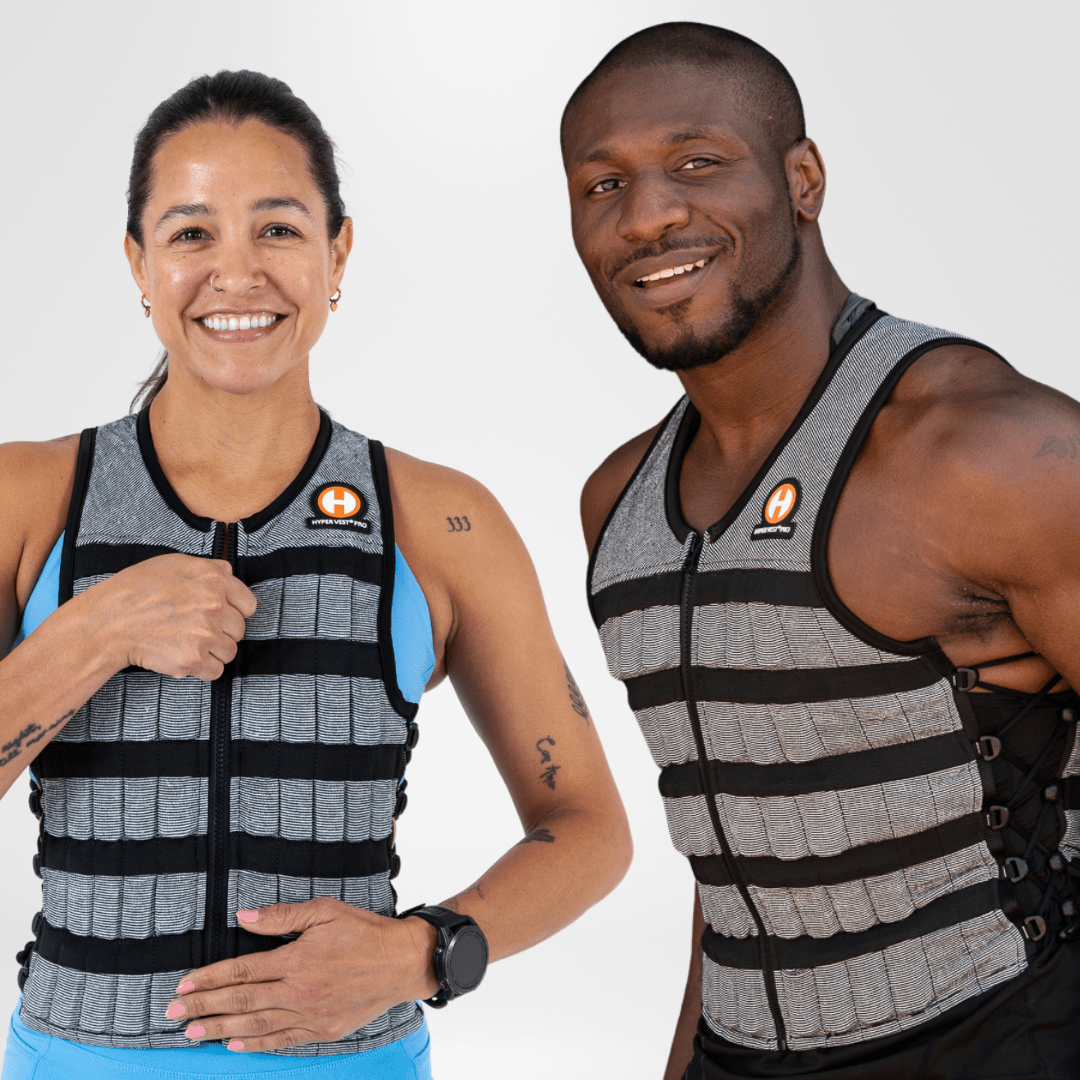
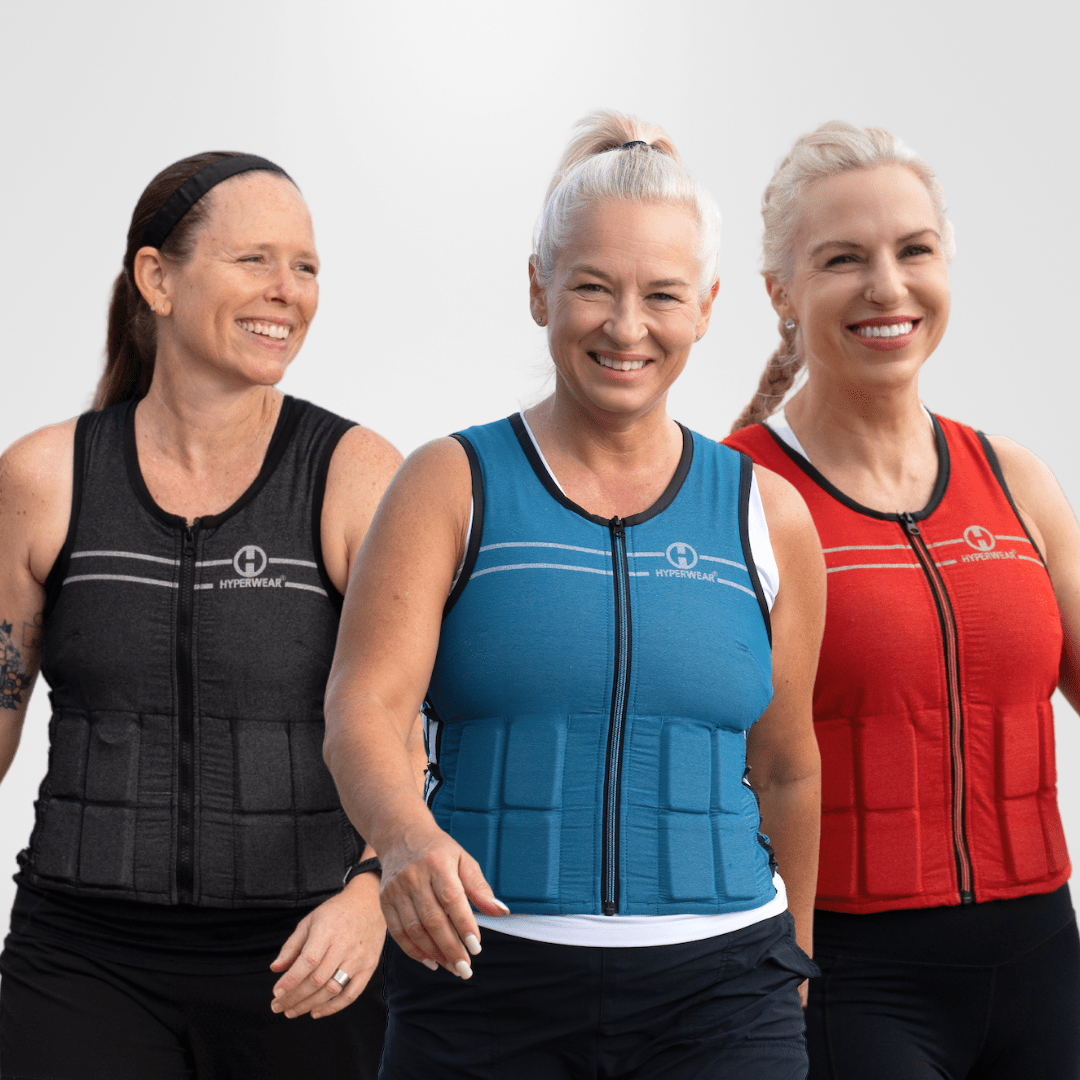
A weighted vest is the better choice when you want added resistance that stays close to your torso. Unlike a backpack, a vest does not put the entire load behind you. That can feel more balanced for lighter weighted walks, stairs, bodyweight training, running, and high-intensity workouts.
Choose a weighted vest if you want:
- Weighted walking without a backpack
- Balanced front-and-back torso loading
- Running, HIIT, agility, or bodyweight workouts
- A lower-profile option for daily walks
- Less need for storage or hydration
- A vest that moves with your body instead of carrying gear behind you
UCLA Health notes that weighted vests distribute weight more evenly across the torso than weighted backpacks, while a rucksack places the load on the back and shifts the center of gravity. That is why some people concerned about stability or back comfort may prefer a vest for lighter weighted walking.
Compare Hyperwear weighted vests
Rucking backpack vs weighted vest by goal
| Goal | Best choice | Why | Hyperwear recommendation |
|---|---|---|---|
| Beginner rucking | Rucking backpack | Better for learning traditional rucking, carrying water, and progressing with plates | Hyper Ruck + 6 or 10 lb FlexLoad plate |
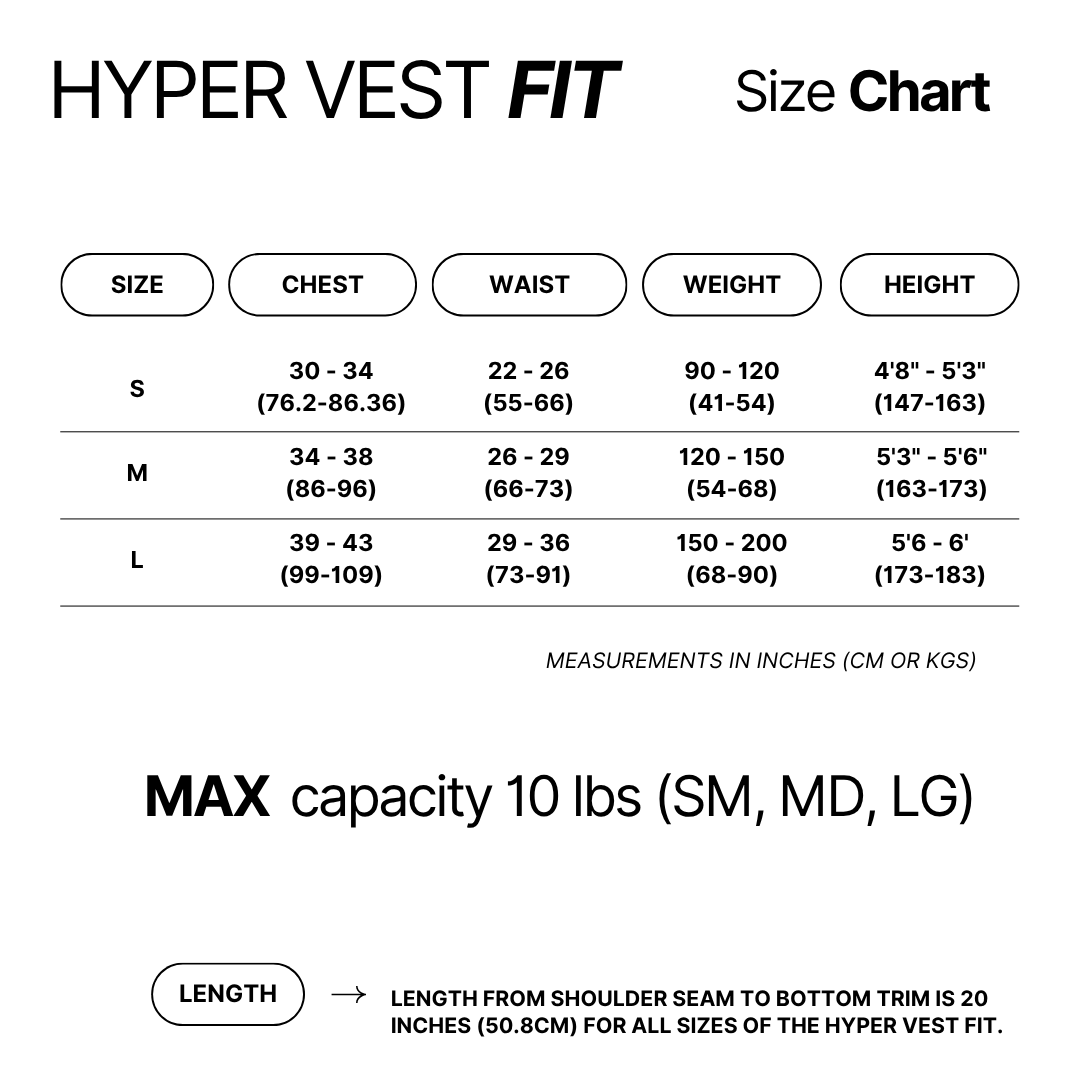
| Weighted walking | Weighted vest | More balanced torso load and no backpack storage needed | Hyper Vest PRO or Hyper Vest FIT |
| Longer outdoor rucks | Rucking backpack | Storage, hydration, and heavier load capacity matter more | Hyper Ruck |
| Running and HIIT | Weighted vest | A close-fitting vest is better for low-bounce movement | Hyper Vest ELITE |
| Heavy vest rucking | Heavy weighted vest | A vest can provide balanced loading when you do not need backpack storage | Hyper Vest TAC |
| Calorie burn comparison | Either | Calories depend on body weight, load, speed, time, terrain, and fitness | Rucking calorie calculator |
Weight distribution: the biggest difference
The most important difference is where the weight sits.
A rucking backpack places weight behind you, mostly on the back, shoulders, and hips. That makes it useful for traditional rucking and heavier loads, but it also means the pack needs to fit well and keep the load high and stable.
A weighted vest distributes weight around your torso. That can feel more balanced for walking, stairs, and bodyweight workouts. Harvard Health describes weighted walking as a way to increase walking intensity, while also warning that weighted vests can strain joints and muscles if used too aggressively.
For either option, fit matters. If the pack or vest shifts, bounces, pulls your posture out of position, or changes your stride, reduce the weight or adjust the fit.
How much weight should you use?
Start lighter than you think. For rucking, many beginners should start with 5–10 lb or about 5–10% of body weight. For weighted vest walking, UCLA Health recommends starting around 5% of body weight, while Harvard Health suggests staying around 10% of body weight, at least for starters.
| User type | Backpack rucking start | Weighted vest walking start |
|---|---|---|
| New to exercise | Unloaded walking first, then 5 lb | Unloaded walking first, then very light vest |
| Regular walker | 5–10 lb or about 5% body weight | About 5% body weight |
| Active beginner | 10–20 lb may be appropriate if posture stays strong | 5–10% body weight |
| Intermediate user | 10–20% body weight depending on route and goal | Goal-specific; avoid bounce or stride changes |
Read the rucking weight guide | Read the weighted vest weight guide
Does a rucking backpack or weighted vest burn more calories?
Either can increase calorie burn compared with unloaded walking because you are carrying added load. The exact number depends on body weight, added weight, walking speed, time, terrain, and fitness level. A heavier pack is not automatically better if it shortens the session, changes your form, or causes pain.
Use the calculator to compare different setups before deciding whether to add more weight.
Calculate calories burned rucking or walking with a weighted vest
Rucking backpack pros and cons
| Pros | Cons |
|---|---|
| Better for heavier loads | Weight sits behind the body and can affect posture if poorly loaded |
| Storage for water, layers, and gear | Can bounce or shift if the pack is not fitted well |
| More traditional rucking feel | Less useful for running, agility, and some bodyweight exercises |
| Works well with ruck plates and progression plans | A regular backpack may be uncomfortable under load |
Weighted vest pros and cons
| Pros | Cons |
|---|---|
| Balanced torso loading | Less storage or no storage |
| Good for walking, stairs, running, HIIT, and bodyweight training | May be limited in maximum load depending on vest model |
| Keeps hands free and weight close to body | Must fit snugly to avoid bounce or shifting |
| Can be easier for lighter weighted walking | Not the same as traditional backpack rucking |
Best Hyperwear option for each setup
Best rucking backpack: Hyper Ruck
Choose Hyper Ruck if you want a dedicated rucking backpack that can also work for strength training and everyday carry. It is the best fit for traditional rucking, longer outdoor walks, hydration, storage, and progressive load carriage.
Best adjustable ruck weights: FlexLoad ruck plates
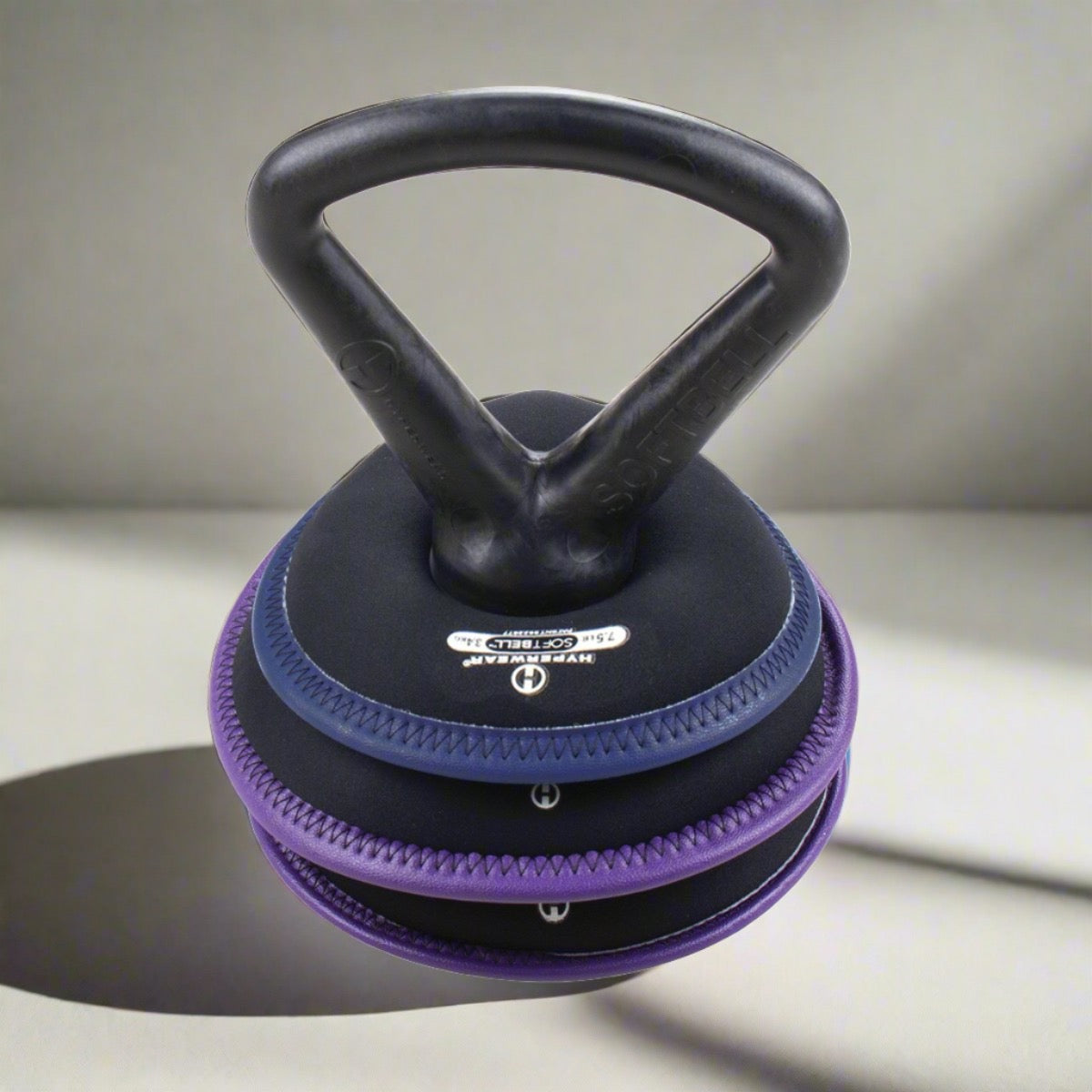
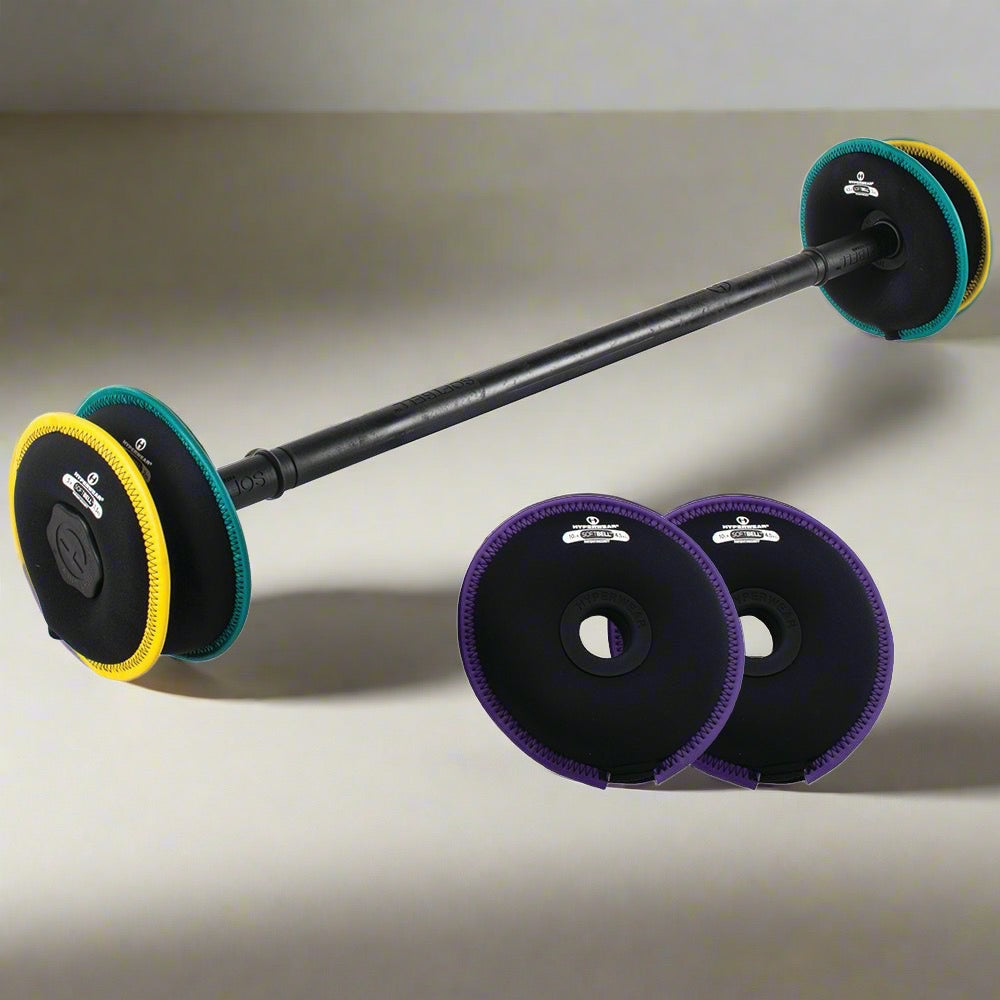
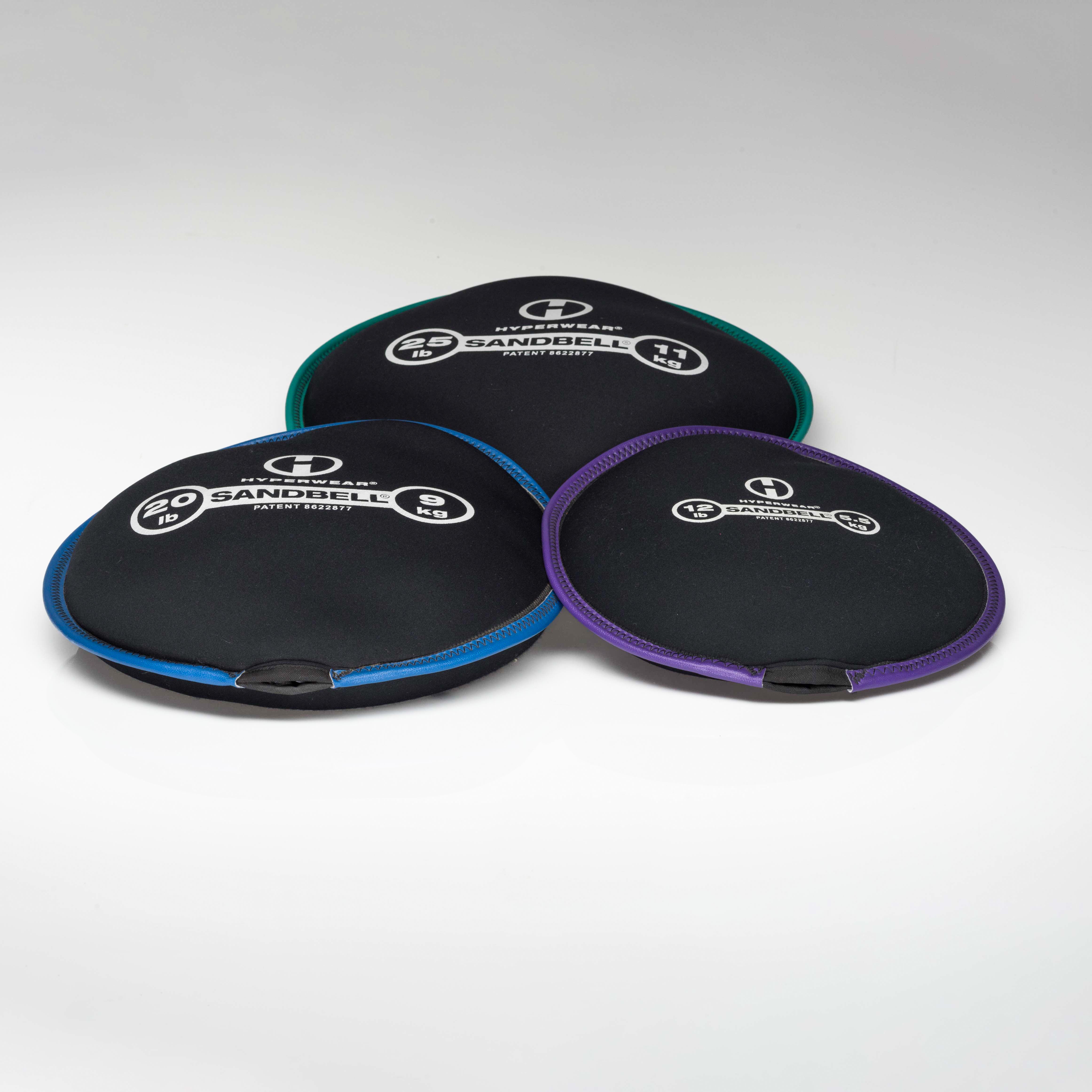
Choose FlexLoad rucking plates if you want adjustable weight progression. FlexLoad plates are available in 6, 9, and 10 lb options and adjust in 1/2-lb increments, making them a strong choice for beginners who do not want to jump straight from one fixed plate weight to another.
Best weighted vest for walking and daily fitness: Hyper Vest PRO
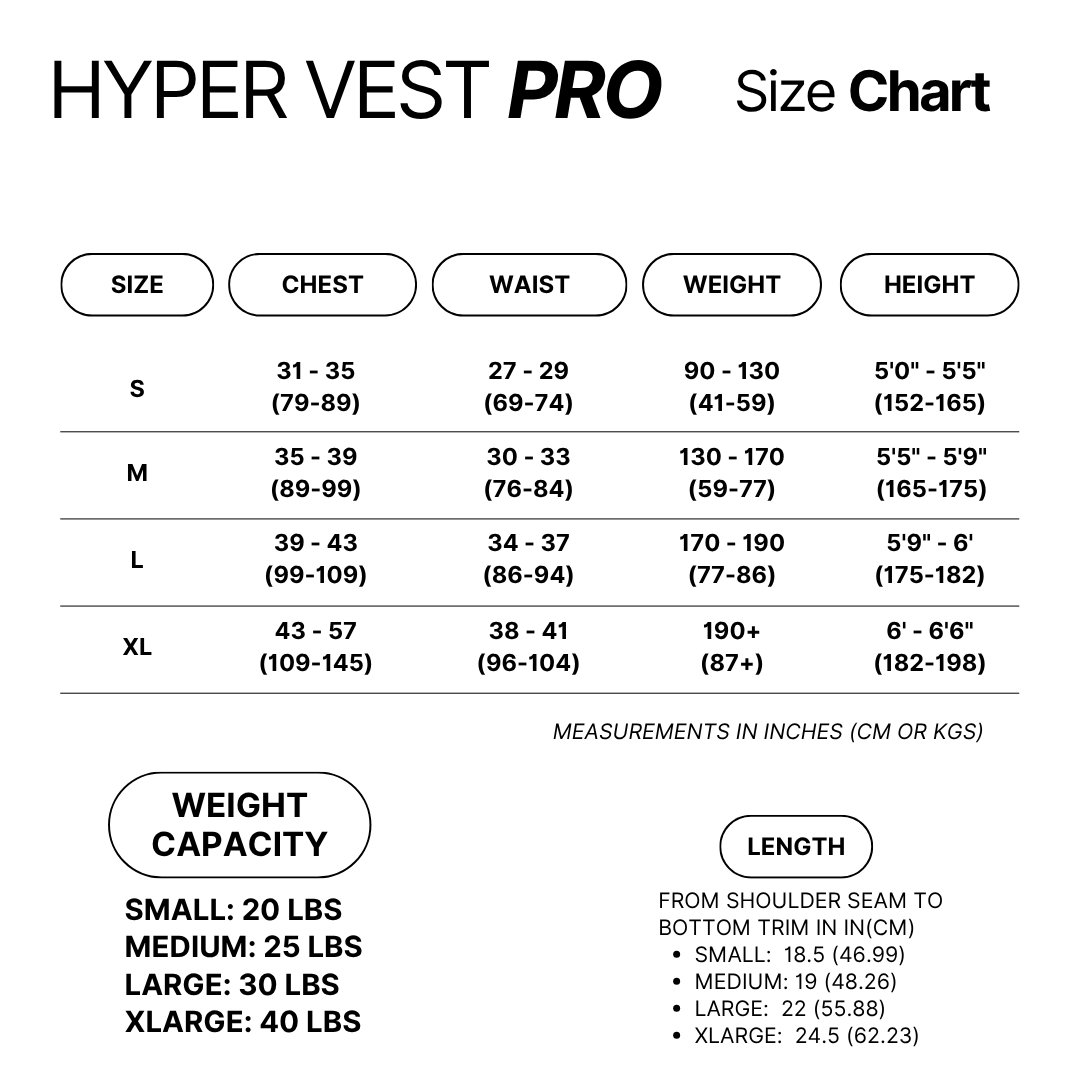
Choose Hyper Vest PRO if you want a close-fitting weighted vest for walking, general fitness, bodyweight training, and everyday conditioning.
Best weighted vest for running and HIIT: Hyper Vest ELITE
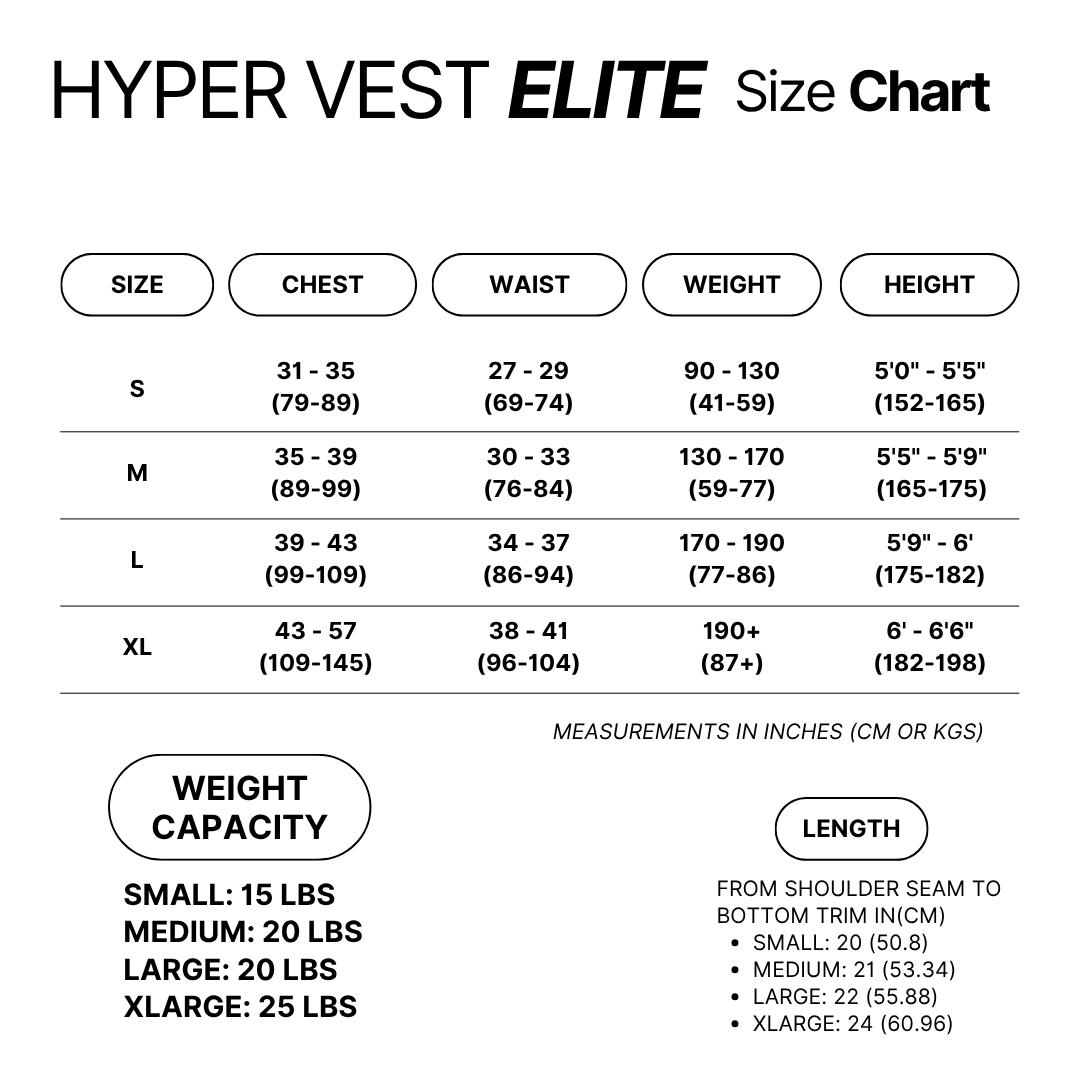
Choose Hyper Vest ELITE if you want a low-profile, performance weighted vest for running, HIIT, agility, and high-intensity workouts.
Best heavy vest for rucking-style training: Hyper Vest TAC
Choose Hyper Vest TAC if you want a heavier vest option for rucking-style training, MURPH training, or tactical-style workouts. TAC uses flexible adjustable plates and can be adjusted in 1/2-lb increments.
Can you wear a weighted vest and rucking backpack together?
You can, but most people should not start there. Wearing both adds load to the front, back, shoulders, hips, spine, feet, and joints at the same time. It can also make it harder to identify which piece of gear or which load is causing discomfort.
If you use both, treat it as advanced training. Start with each tool separately, keep the total load modest, and progress slowly.
Safety tips for both options
- Start light and progress gradually.
- Add time or distance before adding more weight.
- Keep the load stable and close to the body.
- Use flat ground before hills, stairs, trails, or faster pacing.
- Stop if you feel sharp pain, joint pain, numbness, dizziness, or altered gait.
- Ask a qualified healthcare professional before using a backpack or weighted vest if you have back, neck, joint, balance, heart, respiratory, bone-density, or pregnancy-related concerns.
New to rucking? Follow the beginner rucking plan
FAQs: rucking backpack vs weighted vest
Is a rucking backpack or weighted vest better?
A rucking backpack is better for traditional rucking, heavier loads, storage, hydration, and longer outdoor walks. A weighted vest is better for lighter weighted walking, running, HIIT, stairs, and balanced torso loading.
Can you ruck with a weighted vest?
Yes. A weighted vest can work for rucking-style walking or weighted walking. A backpack or ruck is better for traditional rucking, heavier loads, hydration, and carrying gear.
Is a weighted vest better for your back than a backpack?
It depends on the person, load, and fit. A vest distributes weight around the torso, while a backpack places weight mostly on the back. People with back or neck concerns should ask a healthcare professional before using either.
Does rucking burn more calories than walking with a weighted vest?
Not automatically. Calorie burn depends on total load, body weight, pace, time, terrain, and fitness level. A heavier backpack may increase energy cost, but only if you can maintain good form and complete the session.
How much weight should I use in a rucking backpack?
Many beginners should start with 5–10 lb or about 5–10% of body weight. Active beginners may start around 10–20 lb if posture, stride, breathing, and joint comfort stay normal.
How much weight should I use in a weighted vest?
For walking, many beginners should start around 5% of body weight. Active users may gradually build toward 10% if the vest fits well and does not change posture, stride, breathing, or joint comfort.
What is the best backpack for rucking?
The best rucking backpack is stable, comfortable, durable, and able to hold weight high and close to the back. Hyper Ruck is designed for rucking, strength training, and everyday carry with plate sleeves, a frame sheet, support straps, hydration-ready storage, and 20L capacity.
What is the best weighted vest for rucking?
For lighter weighted walking, Hyper Vest PRO or FIT may be the best choice. For running and HIIT, choose Hyper Vest ELITE. For heavier rucking-style vest training, choose Hyper Vest TAC.
Bottom line
Use a rucking backpack when you want traditional rucking, heavier loads, storage, hydration, and longer outdoor walks. Use a weighted vest when you want balanced resistance for walking, running, HIIT, stairs, and bodyweight training.
The best setup is the one you can use consistently with good form. Start light, progress slowly, and choose the gear that matches your goal.
- Shop rucking gear
- Shop Hyper Ruck
- Shop adjustable ruck plates
- Compare weighted vests
- Use the rucking calorie calculator
Sources and further reading
- Cleveland Clinic: Should You Add Rucking to Your Workout?
- UCLA Health: Should you walk with a weighted vest?
- Harvard Health: What are the benefits of walking with a weighted vest?
- Boffey et al.: The Physiology and Biomechanics of Load Carriage Performance
- Hyperwear: What Is Rucking?
- Hyperwear: How to Start Rucking
- Hyperwear: How Much Weight to Ruck With